Ulcer
Reviewed by medical experts · For informational purposes only
Introductory summary
Ulcers in Ayurveda encompass external wounds known as Vrana and internal peptic lesions classified under Shula. Specifically Annadrava Shula correlates with gastric ulcers where pain is constant regardless of food intake while Parinama Shula represents duodenal ulcers characterized by pain occurring during digestion. These conditions arise from the vitiation of Pitta and Vata doshas caused by irregular eating fasting and consuming spicy or sour foods which corrode the mucosal lining. Clinical features include intense colic burning sensation known as Daha and vomiting. Management prioritizes soothing Pitta through cooling remedies like Narikela Khanda and Shatavari Guda. Therapeutic measures include Langhana to restore digestive fire and Virechana to expel excess Pitta while external non healing ulcers are treated with healing applications like Jatyadi Ghrita.
Ulcer
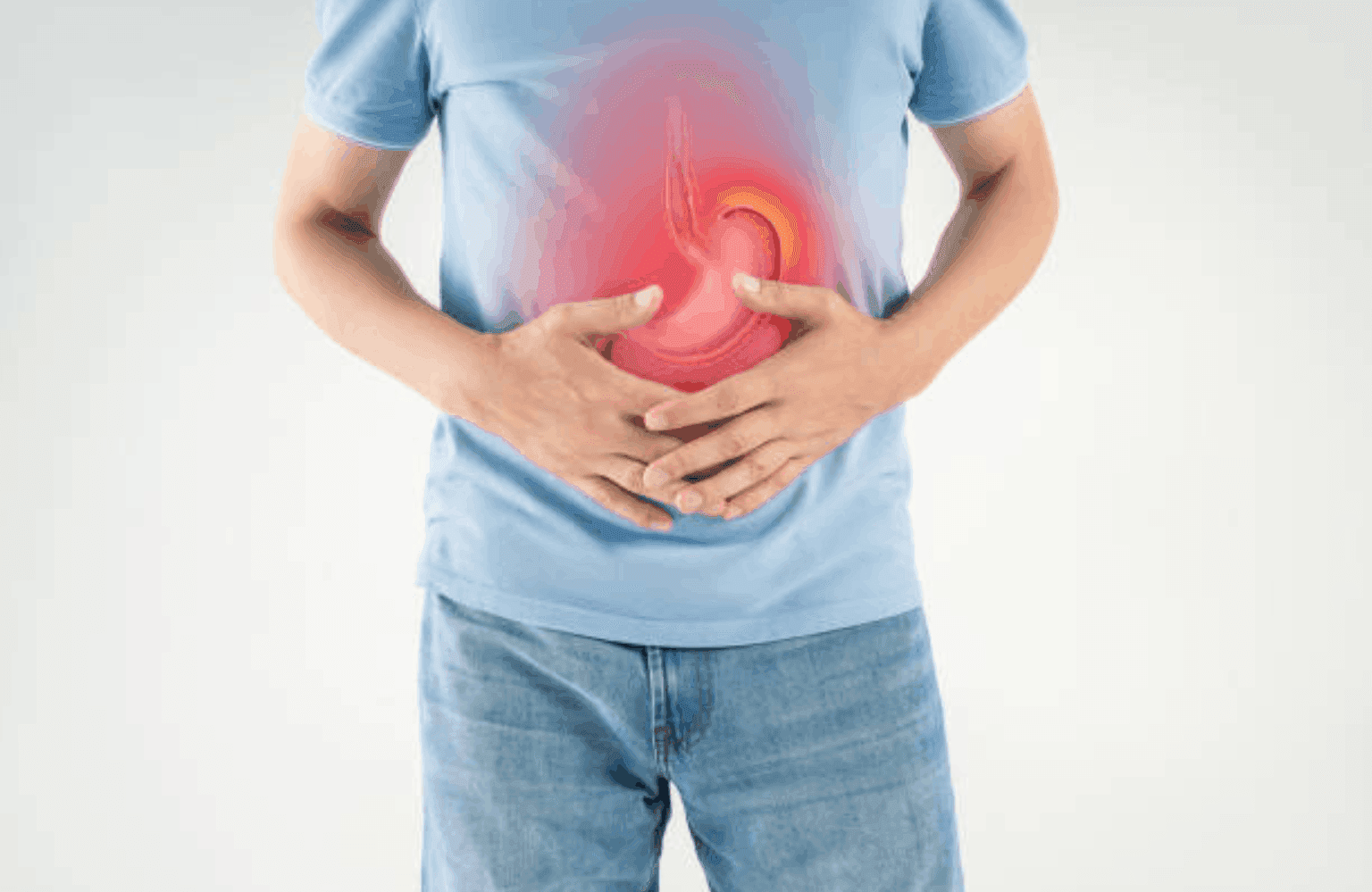
In Ayurveda, the concept of an Ulcer is broad, covering both external wounds and internal lesions. External ulcers are classified under Vrana, while internal peptic ulcers (gastric and duodenal) are described under the heading of Shula (Colic/Pain), specifically Annadrava Shula and Parinama Shula. These conditions are characterized by necrosis of tissue, inflammation, and intense pain associated with the digestive process.
1. Definition
Ayurvedic Definition:
- Vrana: A discontinuity of the skin or body tissue characterized by destruction (Gatra vichurnana) and discoloration.
- Parinama Shula: An abdominal pain that occurs or aggravates during the digestion of food (Parinama means transformation/digestion).
- Annadrava Shula: A colic or pain that is constant, regardless of whether the person has eaten or not, but is often associated with the intake of food (Anna).
2. Etymology & Conceptual Meaning
- Vrana: Derived from the root meaning "to cover" or "to heal," implying a lesion that heals but leaves a scar (Vrana vastu) that remains for a long time.
- Shula: Literally means a "pike" or "spear," describing the piercing, intense nature of the pain.
- Parinama: Refers to the "transformation" or digestion phase. Thus, Parinama Shula is "Pain of Digestion".
- Conceptual Interpretation: Ulcers are seen as a result of the derangement of the Pitta Dosha (fire element) leading to "burning" and tissue destruction, often involving Vata (wind) which causes the pain (Shula).
3. Causes (Nidana)
- Dietary Causes:
- Excessive intake of Katu (pungent), Amla (sour), and Lavana (salty) foods.
- Consumption of Viruddha Ahara (incompatible foods) and Vidahi (burning/corrosive) foods.
- Eating during indigestion (Ajirna).
- Alcohol intake (Madya).
- Lifestyle Causes:
- Psychological Factors:
- Kama/Krodha: Excessive desire and anger are cited as direct aggravators of Pitta, leading to blood impurities and ulcers.
Modern Causes: Peptic ulcer disease affects four million people worldwide annually and has an estimated lifetime prevalence of 5-10% in the general population. The most common causes are Helicobacter pylori infection and non-steroidal anti-inflammatory drug (NSAID) use.
4. Journey of the Disease (Pathogenesis/Samprapti)
- Samprapti Ghataka (Components):
- Dosha: Pitta (specifically Pachaka Pitta) and Vata (specifically Samana Vayu).
- Dushya (Tissues): Rasa (chyme/plasma), Rakta (blood), Mamsa (muscle/flesh).
- Srotas (Channels): Annavaha Srotas (Digestive channel).
- Agni: Mandagni (diminished digestive fire) or Tikshnagni (sharp/high acid fire).
- Ama: Accumulation of undigested metabolic toxins.
- Pathogenesis:
- Due to etiological factors, Pitta becomes aggravated and acidic.
- Simultaneously, Vata is blocked or aggravated.
- This vitiated Pitta accumulates in the stomach (Amasaya) or duodenum (Pakvashaya).
- It corrodes the mucosal lining (similar to how Ama or toxins affect tissues), leading to a wound (Vrana).
- The pain manifests either during digestion (Parinama Shula) or constantly (Annadrava Shula) due to the raw surface interacting with acid and food.
Modern Pathogenesis: Peptic ulcers result from an imbalance between aggressive factors (acid, pepsin, H. pylori) and defensive factors (mucus, bicarbonate, prostaglandins). The global burden shows that prevalence increased from 6.4 million in 1990 to 8.1 million in 2019, though age-standardized rates decreased.
5. Symptoms (Lakshana)
- Parinama Shula (Duodenal Ulcer type):
- Pain occurs during the digestion of food.
- Pain is relieved when the stomach is empty or after vomiting.
- Symptoms include burning sensation (Daha), nausea, and restlessness.
- Annadrava Shula (Gastric Ulcer type):
- Pain is constant and does not subside whether the person eats or fasts.
- Relief is found only after vomiting (Vamana).
- Intense burning and colic.
- Vrana (External/General Ulcer):
- Pain (Ruja), discharge (Srava), and discoloration (Vaivarnya).
- Non-healing ulcers (Dushta Vrana) may have a foul smell and prolonged duration.
Modern Symptoms: The most common symptom of peptic ulcers is stomach pain, often described as burning or gnawing. Other symptoms include nausea, vomiting, loss of appetite, and in severe cases, bleeding or perforation.
6. Different Types or Classification (Bheda)
- Parinama Shula: Classified by the dominant Dosha (Vataja, Pittaja, Kaphaja, Sannipataja).
- Annadrava Shula: A distinct type where pain is constant and related to food intake.
- Vrana (Wound/Ulcer):
- Nija: Endogenous (caused by internal Dosha imbalance).
- Agantuja: Exogenous (caused by trauma).
- Dushta Vrana: Chronic, non-healing ulcer.
Modern Classification: Peptic ulcers are classified as gastric or duodenal ulcers, and can be further categorized by their etiology (H. pylori-associated, NSAID-induced, or idiopathic).
7. Diagnosis
- Ayurvedic Diagnosis (Roga Pariksha):
- Prashna (Questioning): Crucial to distinguish between Parinama and Annadrava Shula. Asking "When does the pain occur? Before eating, during digestion, or is it constant?".
- Darshana (Observation): For external ulcers, observing color and discharge.
- Sparshana (Touch): Tenderness in the abdomen (Kukshi Shula).
- Differential Diagnosis:
Modern Diagnosis: Diagnosis is typically made through endoscopy, upper gastrointestinal series, or H. pylori testing. Global studies show significant variations in diagnostic capabilities across different socioeconomic regions.
8. Disease Management
Management focuses on balancing Pitta(reducing acidity) and healing the wound ( Ropana) while managing pain (Shulahara).
Diet (Ahara)
- Pathya (Beneficial):
- Barley (Yava): specifically prepared as a demulcent.
- Milk (Kshira): Essential for Pitta pacification and ulcer healing.
- Meat Soup (Mamsa Rasa): of wild animals (Jangala) is nutritive and healing.
- Warm Water: for Vata regulation.
- Apathya (Avoid): Sour, salty, pungent foods, alcohol, and heavy foods.
Medicines
- Narikela Khanda: A preparation of coconut, used specifically for Shula and Amlapitta. It soothes the mucosa.
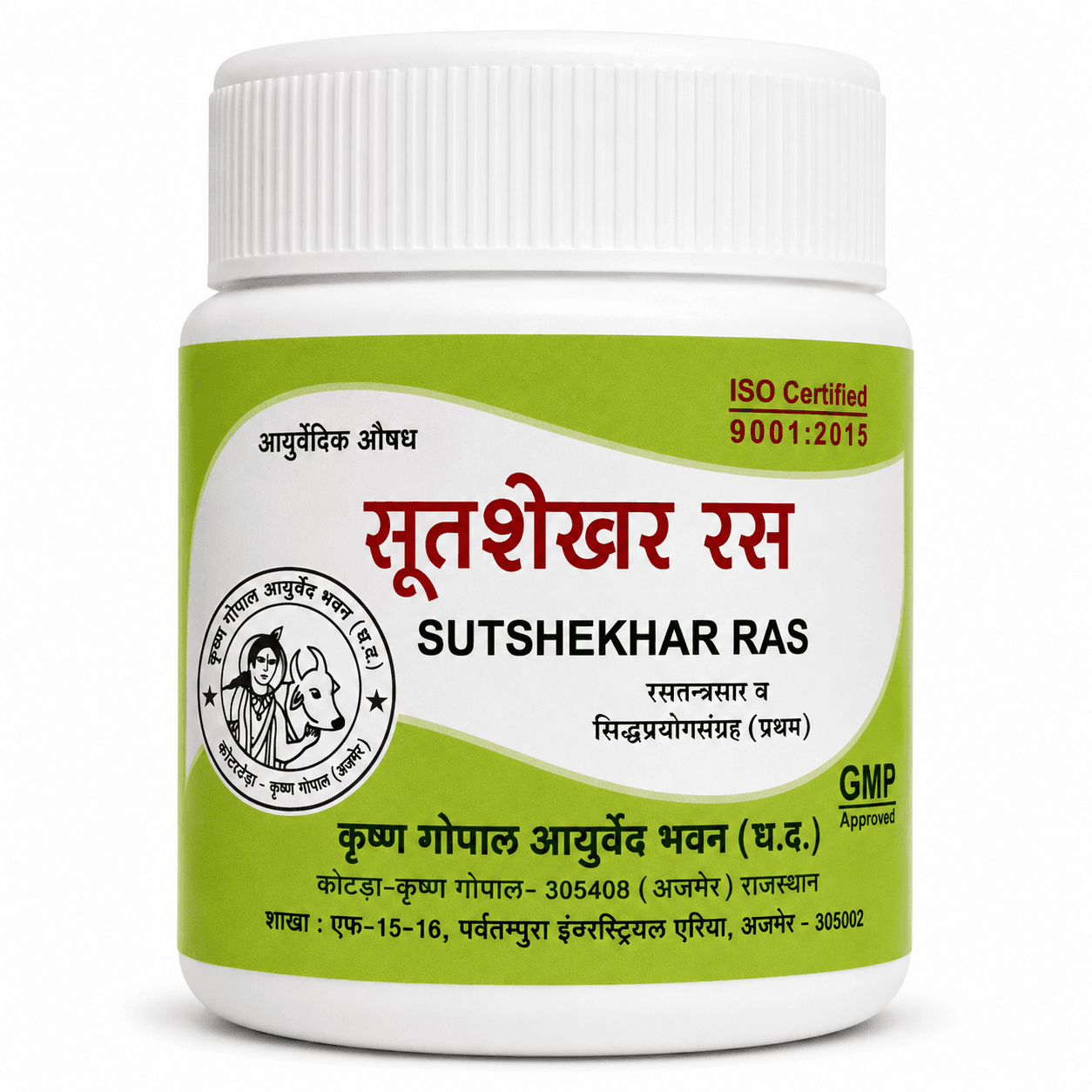
- Sutashekhara Rasa: Used for Amlapitta and Shula, it balances Pitta and Vata.
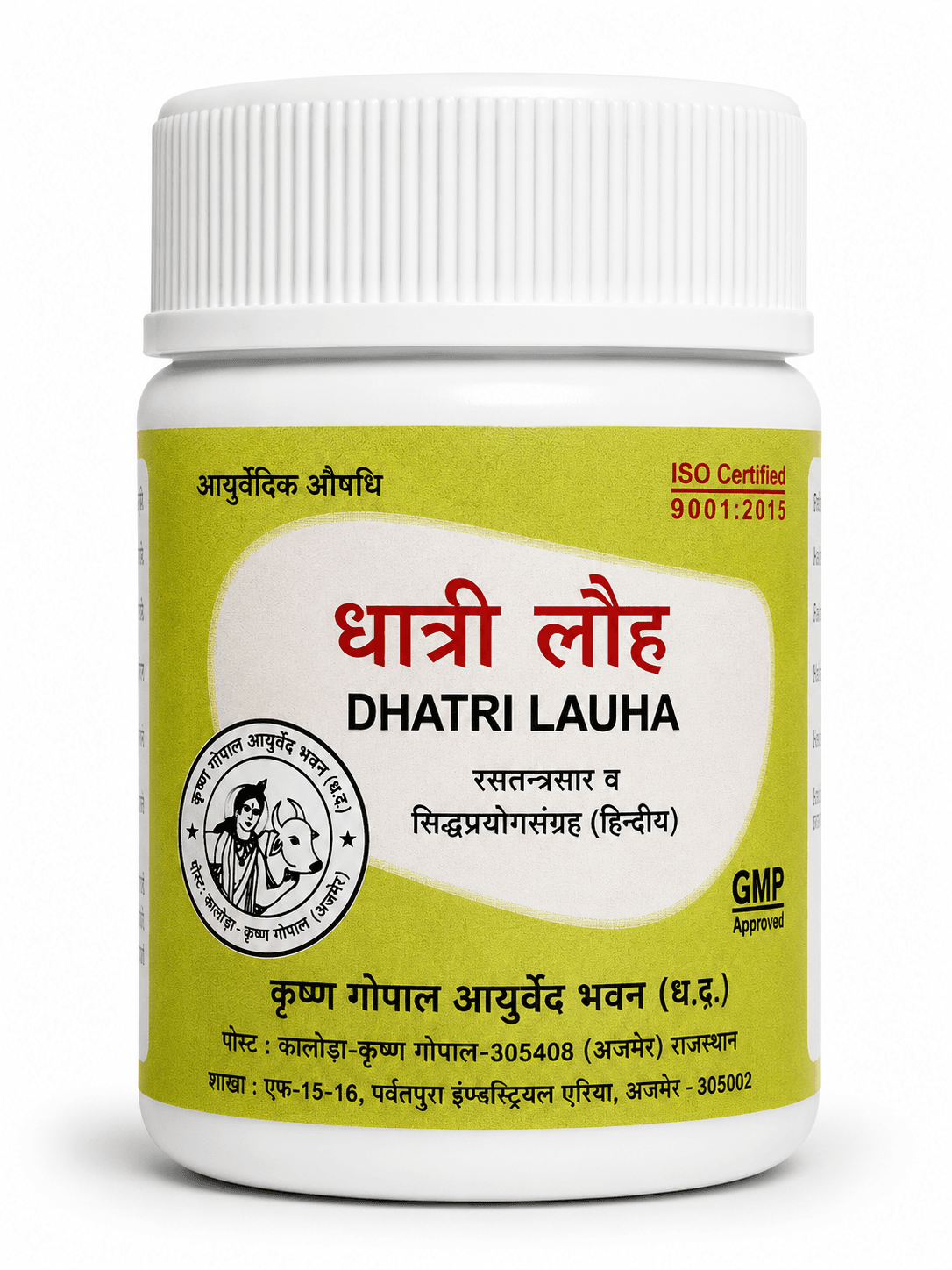
- Dhatri Lauha / Saptamrita Lauha: Iron formulations used for colic and ulcers, often taken with ghee and honey.
- Shambuka Bhasma (Shell ash): Used for Parinama Shula and colic.
- Jatyadi Ghrita: Specifically used for healing deep, non-healing ulcers (Dushta Vrana) externally.
- Shatavari Guda: Used for Shula and Raktapitta (bleeding disorders).
- Kamadugha Rasa: An effective herbo-mineral formulation for peptic ulcers containing pearl, coral, and conch shell ash.
Clinical Research
Studies show that Vishnukranti kalka (Evolvulus alsinoides paste) demonstrates statistically significant ulcer healing properties. Clinical trials on Ayurvedic formulations have shown effectiveness in treating chronic wounds and ulcers.
Panchakarma
- Vamana (Emesis): Indicated if Kapha is dominant or to expel toxic bile in Annadrava Shula.
- Virechana (Purgation): The treatment of choice for Pitta disorders to lower acidity and heat.
- Basti (Enema): Anuvasana (Oil enema) and Niruha (Decoction enema) are highly praised for Parinama Shula to control Vata.
Modern Treatment
Current treatment includes proton pump inhibitors, H2 receptor blockers, and antibiotics for H. pylori eradication. However, global studies show significant disparities in healthcare quality and treatment access.
9. Prognosis
- Sadhya (Curable): New cases (Nava) where the patient has strength are curable.
- Kashtasadhya (Difficult): Chronic ulcers (Dushta Vrana) or those occurring in weak patients are difficult to cure.
- Yapya (Manageable): Conditions where the patient must strictly adhere to diet to remain symptom-free.
Modern Prognosis: Global mortality from peptic ulcer disease decreased by 59.4% from 1990 to 2019, and disability-adjusted life years decreased by 60.6%. However, significant geographical and socioeconomic disparities persist in treatment outcomes.
10. Modern Correlations
- Parinama Shula: Correlates with Duodenal Ulcer, where pain often manifests when the stomach is empty or during the digestion phase (hunger pain).
- Annadrava Shula: Correlates with Gastric Ulcer or severe Gastritis, where pain is aggravated by eating and constant.
- Vrana: Correlates with Ulcers (Venous, Arterial, or Traumatic) and Wounds.
11. References
-
PubMed - Global burden of peptic ulcer disease 1990-2019 - Systematic analysis of global disease burden
-
PLOS ONE - Quality of care of peptic ulcer disease worldwide - Global healthcare disparities analysis
-
BMC Gastroenterology - Global burden of peptic ulcer disease - Population-based epidemiological study
-
PMC - Global burden and risk factors of peptic ulcer disease - Global Burden of Disease Study 2021
-
Oxford Academic - Global burden of peptic ulcer disease - International Journal of Epidemiology
-
Easy Ayurveda - Charaka Vrana Chikitsa - Classical Ayurvedic wound treatment
-
PMC - Ayurvedic management of venous ulcer - Clinical case study on Dushta Vrana
-
ResearchGate - Clinical study on Vishnukranti for peptic ulcer - Clinical trial evidence
12. FAQ Section
Q: What is the best home remedy for ulcer pain in Ayurveda? A: Narikela Khanda (a preparation made from coconut) is highly effective for soothing ulcer pain and acidity (Amlapitta). Drinking warm milk or using ghee is also recommended to pacify Pitta and Vata.
Q: Is fasting good for ulcers? A: While Langhana (lightening/fasting) is a treatment for many diseases, excessive fasting (Upavasa) without medical supervision can actually aggravate Vata and increase pain in ulcer patients. Light, easily digestible food is preferred over complete fasting.
Q: Can Ayurvedic ghee heal external ulcers? A: Yes. Jatyadi Ghrita is a famous medicated ghee used externally to heal non-healing ulcers (Dushta Vrana) and deep wounds.
Q: What is the difference between Parinama Shula and Annadrava Shula? A: Parinama Shula is pain that occurs during the digestion of food (often relieved by vomiting or when the stomach is empty/digestion is complete). Annadrava Shula is constant pain that does not subside whether you eat or not, often requiring vomiting for relief.
Q: What is the global burden of peptic ulcer disease? A: Globally, peptic ulcer disease affects four million people annually with an estimated lifetime prevalence of 5-10% in the general population. The age-standardized mortality rate decreased by 59.4% from 1990 to 2019 due to improved treatments.
Q: How effective are Ayurvedic treatments for peptic ulcers? A: Clinical studies show that Ayurvedic formulations like Vishnukranti kalka demonstrate statistically significant ulcer healing properties. Traditional medicines are increasingly being studied for their gastroprotective and healing properties.
Q: What role does stress play in ulcer formation according to Ayurveda? A: Ayurveda recognizes psychological factors like excessive desire (Kama) and anger (Krodha) as direct aggravators of Pitta dosha, leading to blood impurities and ulcer formation. Stress management is considered essential for both prevention and treatment.
Q: How do modern treatments compare with traditional approaches? A: While modern treatments focus on acid suppression and bacterial eradication, Ayurvedic approaches emphasize holistic treatment including dietary modification, stress management, and constitutional balancing. Integrative approaches combining both systems show promising results.
Consult a Doctor
- SJ3.9SUMEDH JOSHI
Ayurveda7 yrs exp
- VH3.9Vaidya Harsh
Ayurveda9 yrs exp
- S4.5Dr. Shan
Ayurveda4 yrs exp
- GG3.0Dr GN Govinda
Ayurveda1 yrs exp