Gastritis
Reviewed by medical experts · For informational purposes only
Introductory summary
Gastritis correlates with the Ayurvedic condition Amlapitta where Pitta dosha becomes excessively sour and liquid causing inflammation in the stomach. It manifests primarily as Urdhwaga Amlapitta characterized by heartburn sour belching known as Tikta Amla Udgara and indigestion. The root causes include consuming incompatible foods or Viruddha Ahara and eating before the previous meal is digested. Ayurveda views this as a displacement of Pitta requiring the expulsion of toxic acid through Vamana or therapeutic emesis. Management involves cooling palliative remedies using herbs like Amalaki and Patola along with preparations like Narikela Khanda. Avoiding triggers such as sour curd heavy foods and alcohol is essential to restore the digestive fire and prevent recurrence.
Gastritis
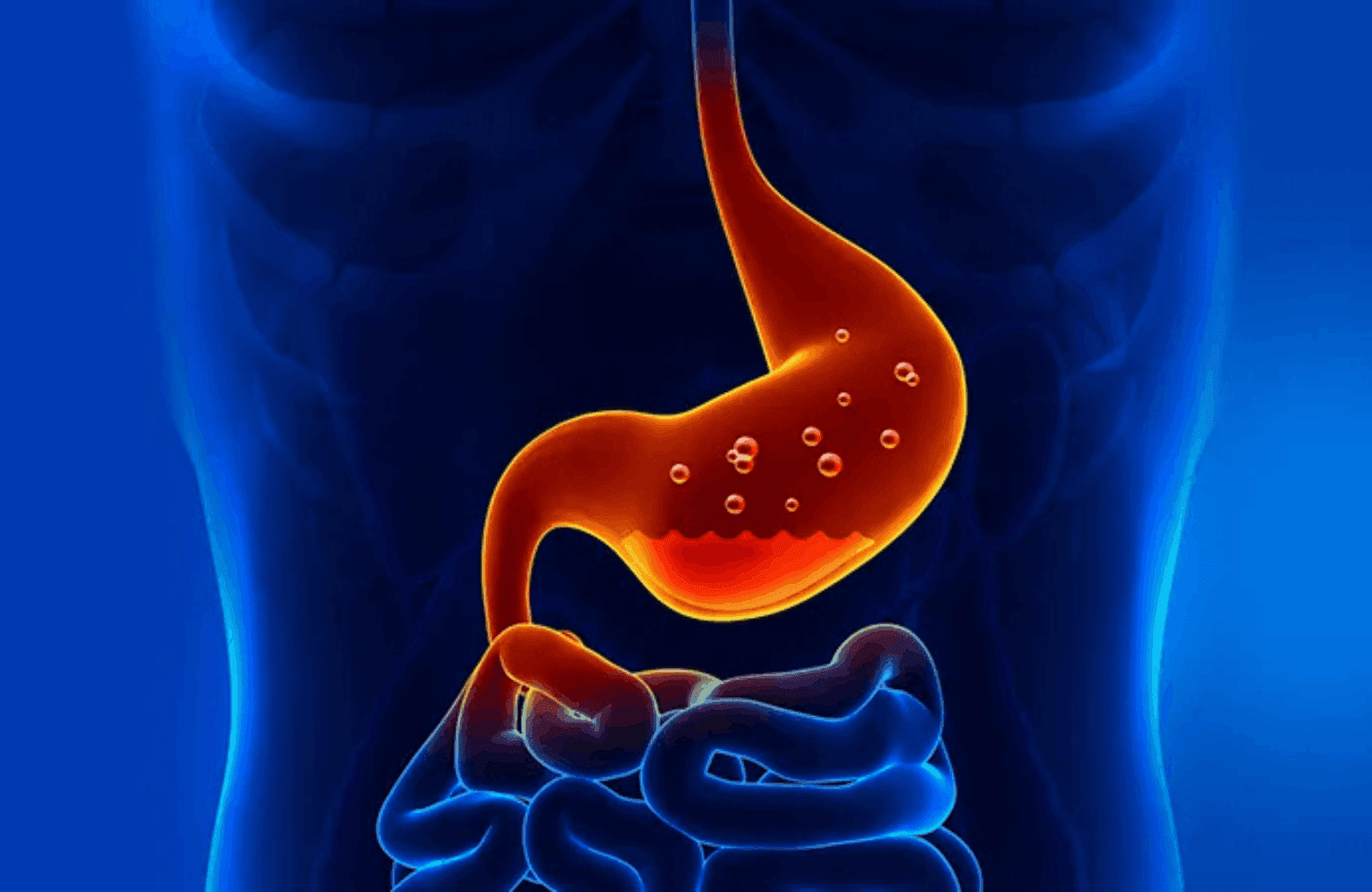
Gastritis refers to the inflammation, irritation, or erosion of the protective lining of the stomach (the mucosa). In Ayurveda, this condition correlates primarily with Amlapitta (Hyperacidity) and Parinama Shula (Colic associated with digestion). It represents a state where the Pitta Dosha (bio-energy of fire and metabolism) becomes vitiated with excessive sourness (Amla) and liquidity (Drava), leading to burning sensations and impaired digestion.
1. Definition
Modern Definition: Gastritis is an inflammation of the stomach lining, often caused by infection (H. pylori), injury, regular use of NSAIDs, or excessive alcohol.
Ayurvedic Definition:
- Amlapitta: A condition characterized by Avipaka (indigestion), Klama (fatigue without exertion), Utklesha (nausea), Tikta-Amla Udgara (bitter and sour belching), and Hrit-Kantha Daha (burning sensation in the heart and throat).
- Parinama Shula: A condition where excruciating pain occurs during the digestion of food due to the aggravation of Vata associated with Pitta.
2. Etymology & Conceptual Meaning
- Amlapitta: Derived from Amla (Sour) and Pitta (Bile/Metabolic Fire). It signifies a pathological state where the natural pungent (Katu) taste of Pitta is replaced by an excessive sour taste due to improper fermentation or Vidaha (burning/acidity) of food.
- Conceptual Interpretation: When the digestive fire (Agni) is weak, food is not digested properly and turns into a toxic intermediate called Ama. This Ama mixes with Pitta, increasing its volume and acidity. This acidic fluid irritates the stomach lining (Amasaya), causing inflammation (Gastritis).
3. Causes (Nidana)
The causes are multifactorial, stemming from dietary habits that increase Pitta and Ama.
- Dietary Causes:
- Viruddha Ahara: Consumption of incompatible food combinations (e.g., milk with fish or sour fruits).
- Specific Foods: Excessive intake of Kulata (Horse gram), Masha (Black gram), and foods that are very sour, spicy, or salty. Eating food that is Vidahi (causing burning) or Abhishyandi (blocking channels like curd/yogurt).
- Eating Habits: Eating before the previous meal is digested (Adhyashana) and excessive intake of alkaline (Kshara) substances.
- Lifestyle Causes:
- Vega Dharana: Suppression of natural urges.
- Divaswapna: Sleeping during the day, which aggravates internal secretions.
- Sharad Ritu: Naturally aggravates in the Autumn season due to physiological Pitta accumulation.
- Psychological Factors:
- Mental stress, anger, and grief are cited as factors that disturb the body's fire and lead to digestive disorders.
4. Journey of the Disease (Pathogenesis / Samprapti)
- Samprapti Ghataka (Components):
- Pathogenesis:
Due to etiological factors, the Pitta in the stomach becomes liquid and sour. Instead of digesting food, it causes the food to ferment (Vidaha). This leads to inflammation of the mucosal lining. If Vata is involved, it causes severe pain (Shula); if Kapha is involved, it causes nausea and heaviness.
5. Symptoms (Lakshana)
- Early Symptoms: Loss of appetite (Agnimandya), heaviness in the abdomen, and fatigue.
- Advanced Symptoms (Amlapitta):
- Parinama Shula Symptoms: Pain that increases as digestion proceeds and subsides after the food is digested or after vomiting.
6. Different Types or Classification (Bheda)
Madhava Nidana classifies Amlapitta primarily by the direction of the reflux:
-
Urdhwaga Amlapitta (Upward Moving): Characterized by vomiting of green, yellow, or red acids, phlegm, and sour material. Associated with headache and burning in the upper body.
-
Adhoga Amlapitta (Downward Moving): Characterized by thirst, burning sensation, fainting, and diarrhea.
7. Diagnosis
• Ayurvedic Diagnosis (Pariksha):
◦ Prashna (Questioning): Inquiry about the timing of pain (empty stomach vs. during digestion) distinguishes simple colic from Parinama Shula (Gastric/Duodenal ulcer type pain).
◦ Observation: Vomit is examined for color (green/yellow indicates Pitta, mucus indicates Kapha) and consistency.
• Differential Diagnosis:
◦ Hridroga (Heart Disease): Gastritis pain can mimic heart pain, but is associated with sour belching and relief after vomiting.
◦ Udara Shula: General abdominal pain caused by Vata, usually relieved by hot fomentation, unlike Pitta gastritis which may worsen with heat.
8. Disease Management
Management focuses on Shodhana and Shamana.
Diet (Ahara)
Management focuses on Shodhana (Purification) to expel the acidic Pitta and Shamana (Palliation) to soothe the lining.
Diet (Ahara)
• Recommended: Light, cooling foods. Barley (Yava) and Wheat (Godhuma) are recommended. Bitter vegetables like Patola (Pointed Gourd) and Karvellaka (Bitter Gourd) help reduce Pitta.
• Avoid: Incompatible combinations (Viruddha Ahara), sour curd, fermented foods, alcohol, and heavy fats.
Lifestyle (Vihara)
• Avoid sleeping immediately after meals.
• Avoid exposure to excessive heat and sun.
Medicines
- Shatavari Ghrita
- Narikela Khanda
- Acacia arabica
- Guggulutiktaka Ghrita
- Patoladi Kwatha
Panchakarma
- Vamana
- Virechana
9. Prognosis
• Curable (Sadhya): If the disease is recent (Nutana) and the patient adheres to diet, it is curable.
• Manageable/Difficult (Yapya): If the condition becomes chronic (Chirotthita), it becomes difficult to cure and requires lifelong dietary restrictions.
10. Modern Correlations
• Similarities:
◦ Urdhwaga Amlapitta strongly correlates with GERD (Gastroesophageal Reflux Disease) and Gastritis.
◦ Parinama Shula correlates with Peptic Ulcer Disease, where pain is linked to the digestive cycle.
• Differences: Modern medicine emphasizes H. pylori eradication and acid suppression (PPIs). Ayurveda emphasizes expelling the "bad" acid (Vamana) and restoring the Agni (metabolic fire) through bitter and cooling herbs.
11. References
- World Health Organization (WHO)
Helicobacter pylori and Gastritis
https://www.who.int/news-room/fact-sheets/detail/helicobacter-pylori - National Institute of Diabetes and Digestive and Kidney Diseases (NIDDK, NIH)
Gastritis – Causes, Symptoms, Diagnosis & Treatment
https://www.niddk.nih.gov/health-information/digestive-diseases/gastritis - Mayo Clinic
Gastritis – Overview
https://www.mayoclinic.org/diseases-conditions/gastritis/symptoms-causes/syc-20355808 - Cleveland Clinic
Gastritis: Types, Causes & Management
https://my.clevelandclinic.org/health/diseases/10349-gastritis - MedlinePlus (U.S. National Library of Medicine)
Gastritis Information
https://medlineplus.gov/gastritis.html - StatPearls – NCBI Bookshelf
Gastritis
https://www.ncbi.nlm.nih.gov/books/NBK544250/ - Harrison’s Principles of Internal Medicine
Chapter: Disorders of the Stomach
https://accessmedicine.mhmedical.com
(subscription-based academic reference) - The Lancet Gastroenterology & Hepatology
Pathophysiology of Chronic Gastritis
https://www.thelancet.com/journals/langas - Gut Journal (BMJ)
Helicobacter pylori–induced Gastritis
https://gut.bmj.com - Journal of Gastroenterology and Hepatology
https://onlinelibrary.wiley.com - PubMed – Gastritis Research Articles
https://pubmed.ncbi.nlm.nih.gov/?term=gastritis
Consult a Doctor
- SJ3.9SUMEDH JOSHI
Ayurveda7 yrs exp
- VH3.9Vaidya Harsh
Ayurveda9 yrs exp
- GG3.0Dr GN Govinda
Ayurveda1 yrs exp
- PS3.1PREETAM SINGH SANKHALA
Ayurveda1 yrs exp
Buy Medicine
 Prescribed to you4.5₹16 cashback
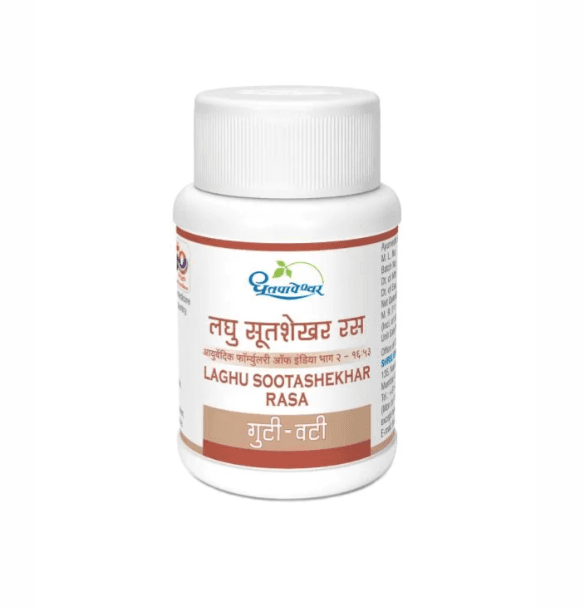
Laghu Sootashekhar Rasa (Dhootapapeshwar) SDL
SDLSupports Pitta-related comfort
Strip of 60 Tablets
4.5
₹163Get ₹16 Cashback