Diarrhea
Reviewed by medical experts · For informational purposes only
Introductory summary
Diarrhea correlates with the Ayurvedic condition Atisara characterized by the excessive flow of watery stool. It originates from the aggravation of Vata dosha which diminishes Agni or digestive fire and displaces the body's water element into the intestines liquefying the feces. Causes include heavy incompatible foods and psychological factors like fear. The disease is classified into six types including Vataja Pittaja Kaphaja and Sannipataja. Management prioritizes not stopping the flow initially to allow the expulsion of Ama or toxins followed by the use of digestive herbs like Musta and astringents like Kutaja once the stool is free of Ama. Dietary care emphasizes light foods like medicated gruels and buttermilk to restore digestive strength.
Diarrhea
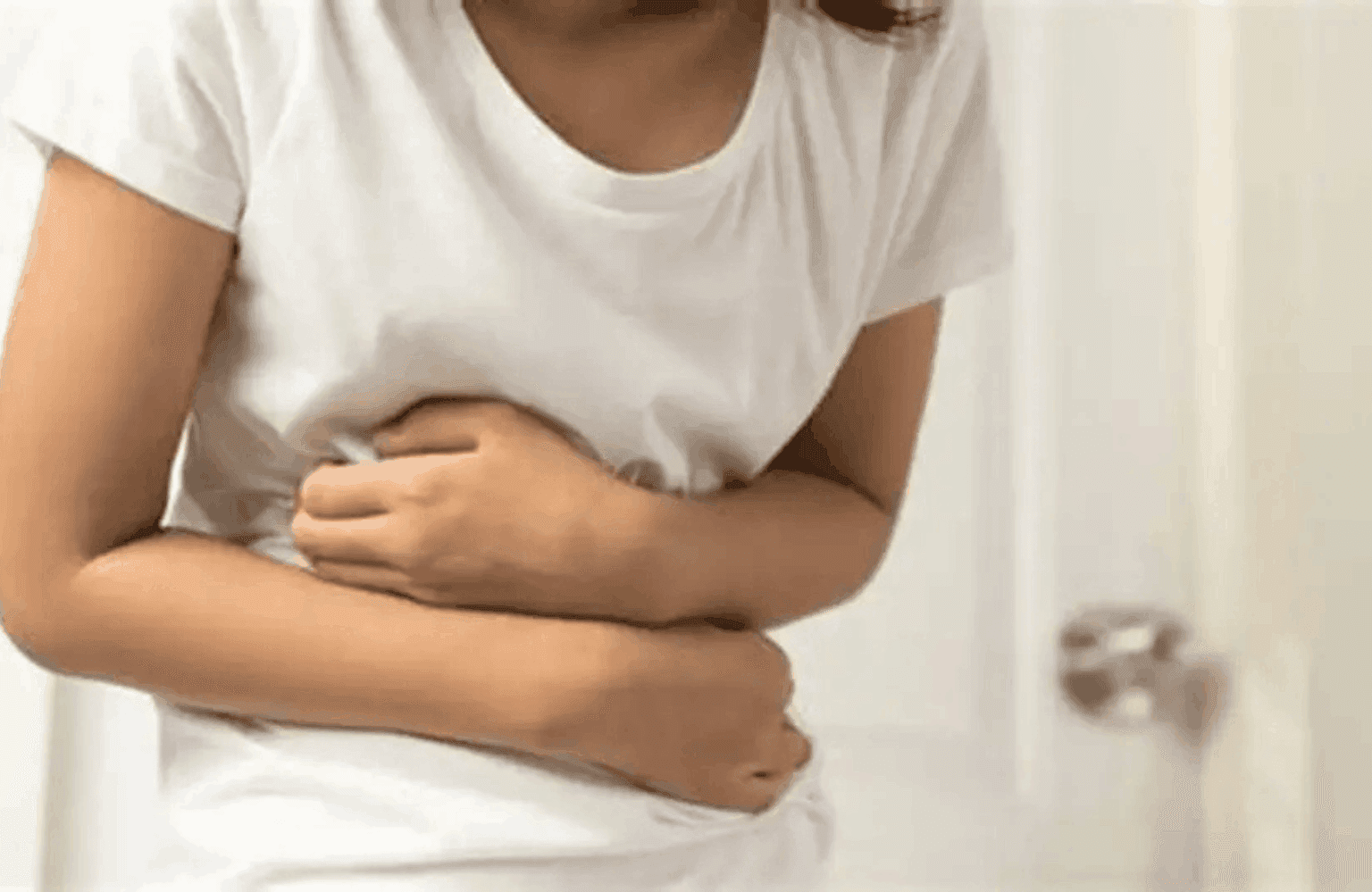
Diarrhea, known in Ayurveda as Atisara, is a prevalent gastrointestinal disorder characterized by the passage of excessive liquid or watery stools. It is considered a disease of the alimentary tract (Mahasrotas) where the body's water element (Ap Dhatu) is disturbed by the digestive fire (Agni) and wind factor (Vata), leading to the downward expulsion of vital fluids.
1. Definition
Modern Definition:
Diarrhea is defined as the passage of three or more loose or liquid stools per day (or more frequent passage than is normal for the individual) according to the World Health Organization (WHO).
Ayurvedic Definition:
Atisara is defined as the condition where the liquid element of the body (Ap Dhatu), being aggravated, diminishes the digestive fire (Agni) and flows downwards into the rectum, mixing with feces to cause excessive flow (Saranam) of watery stool.
2. Etymology & Conceptual Meaning
-
Literal Meaning:
The word Atisara is derived from two Sanskrit roots: Ati meaning "excessive" and Saranam meaning "flow" or "moving". -
Conceptual Interpretation:
In Ayurveda, Atisara is not just a symptom but a complete disease entity involving the Jatharagni (digestive fire). When the Agni is weak (Mandagni), it fails to separate the nutrient fluid from the waste products. The aggravated Vata Dosha pushes this liquified, undigested material downwards, resulting in diarrhea.
3. Causes (Nidana)
The causes of Atisara are multifactorial, ranging from dietary errors to psychological stress.
Dietary Causes
-
Heavy & Incompatible Foods: Excessive intake of heavy (Guru), oleaginous (Snigdha), or dry (Ruksha) foods.
-
Liquid Intake: Drinking excessive amounts of water (Atyambu pana) or alcohol (Madya).
-
Improper Habits: Eating before the previous meal is digested (Adhyashana).
-
Specific Triggers: Use of polluted water and unwholesome ingredients.
Lifestyle Causes
-
Suppression of Urges: Suppressing natural urges (Vegavighata).
-
Water Activities: Excessive swimming or playing in water (Jalakrida).
-
Worms: Intestinal parasites (Krimi).
Psychological Causes
- Fear and Grief: Ayurveda explicitly categorizes Fear (Bhaya) and Grief (Shoka) as direct causes of diarrhea (Bhayaja and Shokaja Atisara).
4. Journey of the Disease (Pathogenesis / Samprapti)
-
Dosha: Vata (specifically Apana Vata), associated with Pitta and Kapha
-
Dushya: Udaka, Rasa, Purisha
-
Srotas: Purishavaha Srotas, Udakavaha Srotas
-
Agni: Mandagni
-
Adhisthana: Pakvashaya
5. Symptoms (Lakshana)
Early Symptoms (Purvarupa)
-
Pricking pain in the heart, navel, rectum, and abdomen
-
Constipation or retention of flatus
-
Indigestion (Avipaka)
Advanced Symptoms (Rupa)
-
Vataja Atisara: Frothy, slimy stool with pain
-
Pittaja Atisara: Yellow/green stool with burning and thirst
-
Kaphaja Atisara: White, slimy, heavy stool
-
Sannipataja Atisara: Mixed symptoms
-
Bhayaja/Shokaja Atisara: Vata-like stool without dietary cause
6. Different Types or Classification (Bheda)
Madhava Nidana and Charaka Samhita classify Atisara into:
- Vataja
- Pittaja
- Kaphaja
- Sannipataja
- Bhayaja
- Shokaja
Clinical classification:
-
Sama Atisara
-
Nirama Atisara
7. Diagnosis
-
Ayurvedic Diagnosis (Jala Pariksha):
-
Sama Stool: Indicates Ama
-
Nirama Stool: Indicates readiness for Stambhana
-
-
Differential Diagnosis:
8. Disease Management
Diet (Ahara)
-
Langhana
-
Yavagu
-
Takra
-
Goat Milk
Medicines
-
Deepana–Pachana
-
Ativisha
-
Bilva
-
Gangadhara Churna, Dadimashtaka Churna, Panchamrita Parpati
Panchakarma
-
Basti
-
Piccha Basti
-
Virechana
9. Prognosis
• Curable (Sadhya): Recent onset, single Dosha involvement, patient has strength.
• Difficult (Krichra): Raktatisara (bloody diarrhea) or Sannipataja types.
• Incurable (Asadhya): If the anal sphincter loses tone (rectum stays open), or if the patient is very weak, thirsty, and passes stool that looks like liver chunks, oil, or ghee.
10. Modern Correlations
• Similarities:
◦ Acute Diarrhea: Correlates with Sama Atisara.
◦ Dysentery: Correlates with Pravahika or Raktatisara (if bloody).
◦ IBS-D (Irritable Bowel Syndrome): Correlates with Vataja Atisara or Bhayaja/Shokaja (psychosomatic) diarrhea.
• Differences: Modern medicine often uses motility inhibitors (like Loperamide) early on. Ayurveda strictly forbids stopping the flow until the "Ama" (infection/toxin) is cleared to prevent auto-intoxication.
11. References
-
Global burden of childhood diarrhea and interventions (PubMed) — A high‑impact review showing diarrhea as a leading cause of under‑5 morbidity and mortality, and outlining prevention and treatment strategies such as oral rehydration, zinc supplementation, sanitation, breastfeeding, complementary feeding, and vaccines (rotavirus, cholera). (PubMed)
-
** Global epidemiology among displaced/refugee populations**
Global epidemiology of diarrhea among internally displaced populations and refugee camp populations: evidence‑based systematic review and meta‑analysis — Assesses prevalence of diarrhea in populations with poor water and sanitation access, reflecting global health inequities. (PubMed)
-
** Determinants in African children under five**
Determinants of diarrhoeal diseases among under‑five children in Africa — Systematic review highlighting geographic, socioeconomic, and environmental factors influencing diarrheal disease burden. (SpringerLink)
-
Diarrhea: Transmission, Pathogenesis, Diagnosis, and Global Impact — Recent multidisciplinary study discussing global public‑health significance, transmission pathways, and diagnosis of diarrheal diseases, highlighting their persistent burden despite preventability. (dialoguessr.com)
-
Shigella infection as a cause of diarrhea — CDC Hindi pamphlet explains how Shigella bacteria cause diarrhea/dysentery, emphasizing pathogen‑specific public health messaging. (CDC Stacks)
12. FAQ Section
Q: Should I take medicine to stop diarrhea immediately?
A: No. According to Ayurveda, early-stage diarrhea helps expel toxins (Ama). Stopping it abruptly with astringents can cause fever, bloating, and other complications. Treatment should first focus on diet (light foods) and digestion (Pachana).
Q: Can I drink water during diarrhea?
A: Yes, but it should be processed. Ayurveda recommends water boiled with herbs like Musta (Cyperus rotundus) or Ginger. This relieves thirst and helps cure the disease, whereas plain cold water can worsen the condition.
Q: Is curd (yogurt) good for diarrhea?
A: Curd itself is heavy, but Buttermilk (Takra)—which is curd churned with water and fat removed—is highly beneficial. It is light, astringent, and kindles digestion, making it a specific remedy for bowel disorders.
Q: What is the best fruit for diarrhea in Ayurveda?
A: The Bilva (Bael) fruit, specifically the unripe pulp, and Dadima (Pomegranate) are the best. They are astringent and help bind the stool.
Consult a Doctor
- SP4.5Dr Sreelekha P Nair
Ayurveda6 yrs exp
- SJ3.9SUMEDH JOSHI
Ayurveda7 yrs exp
- VH3.9Vaidya Harsh
Ayurveda9 yrs exp
- GG3.0Dr GN Govinda
Ayurveda1 yrs exp
Buy Medicine
 Prescribed to you4.3₹59 cashback
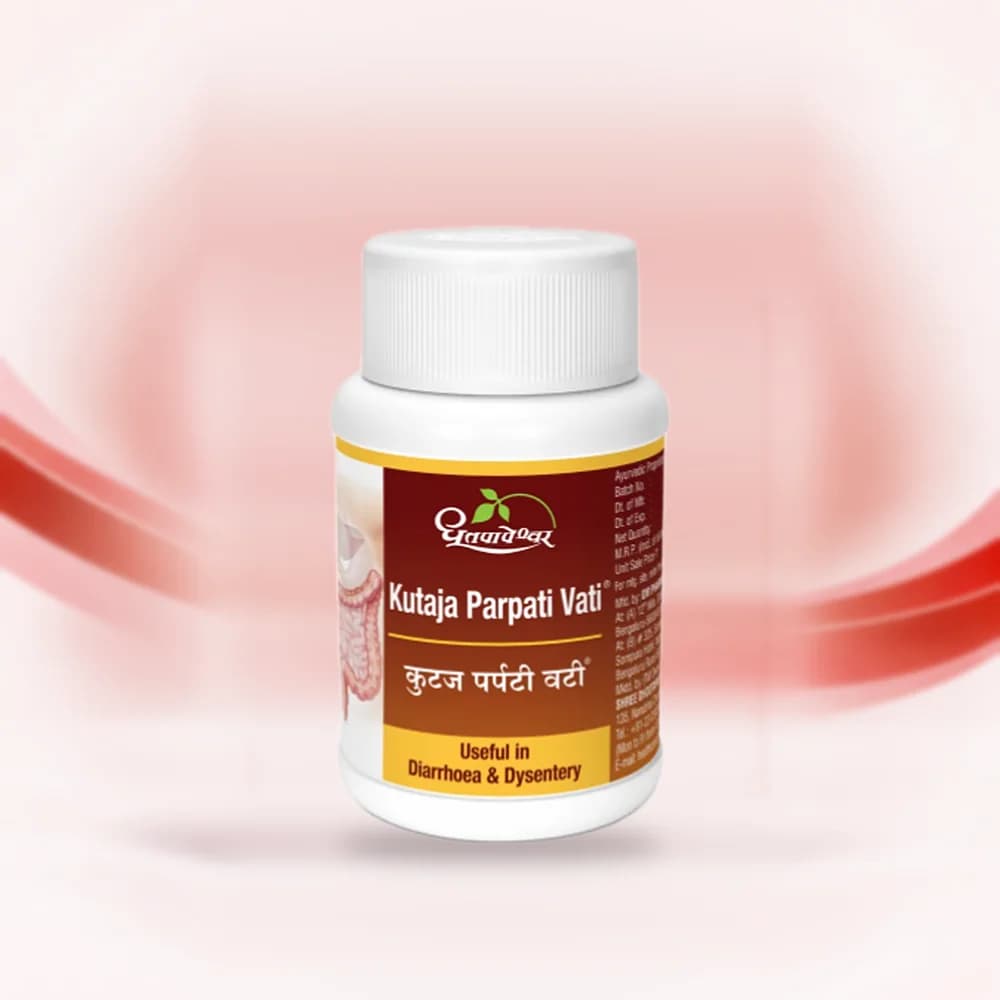
Kutaja Parpati Vati (Dhootapapeshwar) SDL
SDLSupports digestive health
Strip of 60 Tablets
4.3
₹595.01Get ₹59 Cashback
 Prescribed to you4.4₹9 cashback
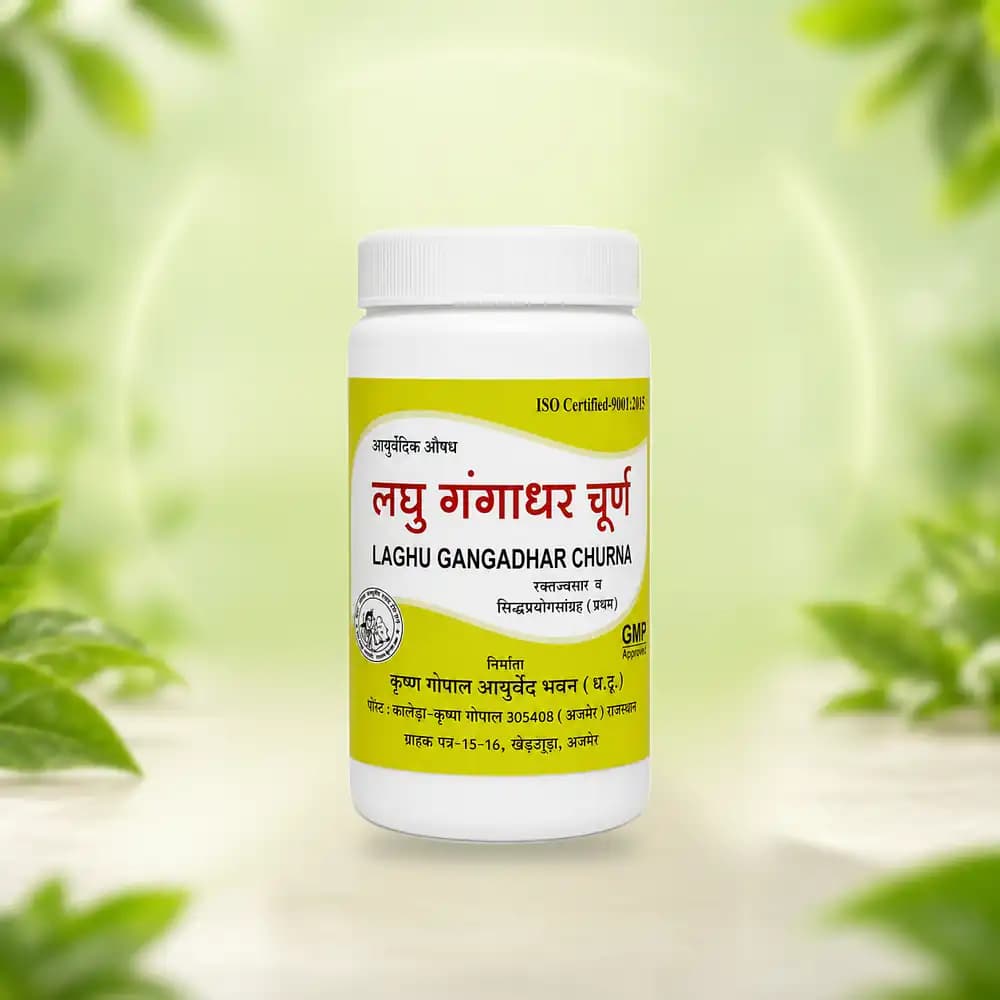
Laghu Gangadhar Churna (Kalera) Kalera
Diarrhea & dysentery relief
Container of 100 g
4.4
₹90Get ₹9 Cashback