Bloating
Reviewed by medical experts · For informational purposes only

Introductory summary
References for bloating or Adhmana are extensive in classical texts and formularies. The Ayurvedic Formulary of India lists specific formulations like Hinguvachadi Churna and Hingvadi Churna for flatulence and colic. Talisadya Churna is indicated for Adhmana alongside respiratory issues. Mineral preparations like Mulaka Kshara and Vajra Kshara are cited for relieving distension known as Anaha. Agnitundi Vati is prescribed for digestive impairment leading to obstruction. Charaka Samhita attributes bloating to the vitiation of Purishavaha Srotas and suppression of natural urges, recommending carminative enemas and hot water. Chakradatta recommends Samudradya Churna for Vatodara, a severe form of abdominal distension. Madhava Nidana classifies bloating under Udara Roga, distinguishing between simple flatulence and obstruction based distension.
Bloating
Bloating is a common digestive disorder characterized by a feeling of fullness, tightness, or swelling in the abdomen. In Ayurveda, this condition is primarily described under the terms Adhmana (Flatulence with gurgling sound), Anaha (Distension due to obstruction), and Atopa (Gurgling with pain). It is fundamentally a disorder of the Vata Dosha (Wind element) and Agni (Digestive Fire).
1. Definition
Modern Definition: A condition where the belly feels swollen or enlarged after eating, often caused by gas or other digestive issues.
Ayurvedic Definition:
- Adhmana: Defined as flatulence accompanied by a gurgling sound in the abdomen. It represents a distension caused by the accumulation of Vata (gas).
- Anaha: Defined as the distension of the abdomen specifically due to the obstruction to the passage of urine and stools.
- Atopa: Defined as gurgling found in the abdomen accompanied by pain.
2. Etymology & Conceptual Meaning
- Adhmana: Derived from the root meaning "to inflate" or "to blow up." It refers to the tympanitic state of the abdomen where it sounds like a drum when tapped.
- Anaha: Refers to "binding" or "obstruction." Conceptually, it implies that the Vata dosha is blocked by feces or food, causing it to move upward or stagnate, leading to distension.
- Conceptual Interpretation: Ayurveda views bloating not just as excess gas, but as a result of Agnimandya (impaired digestive fire). When digestion is weak, food is not processed correctly, leading to Ama (toxins), which ferments and creates gas, blocking the channels (Srotas).
3. Causes (Nidana)
The root causes are linked to factors that aggravate Vata and suppress the digestive fire.
- Dietary Causes:
- Consumption of Viruddha Ahara (Incompatible foods).
- Eating before the previous meal is digested (Adhyashana).
- Excessive intake of heavy, cold, or dry foods that vitiate Vata.
- Lifestyle Causes:
- Vegadharana: Suppression of natural urges, specifically the urge to defecate or pass flatus.
- Divaswapna: Sleeping during the day, which weakens digestion.
- Secondary Causes:
- It arises as a symptom in other diseases like Grahani (Malabsorption syndrome), Gulma (Abdominal lump), and Udara (Ascites/Enlargement of abdomen).
4. Journey of the Disease (Pathogenesis/Samprapti)
- Samprapti Ghataka (Components):
- Dosha: Primarily Vata (Samana and Apana Vayu), sometimes associated with Kapha.
- Dushya (Tissues): Rasa (Nutrient plasma) and Anna (Food).
- Srotas (Channels): Annavaha (Digestive tract) and Purishavaha (Excretory channels).
- Agni: Mandagni (Weak digestive fire).
- Ama: Accumulation of undigested toxins.
- Pathogenesis:
- Due to poor diet or suppression of urges, Agni weakens.
- Food is not digested properly, forming Ama (toxins).
- This Ama mixes with Vata, blocking the downward movement of gas (Apana Vayu).
- The obstructed gas fills the abdomen, leading to distension (Anaha) and gurgling (Adhmana).
5. Symptoms (Lakshana)
- Cardinal Symptoms:
- Udararuj: Pain in the abdomen.
- Adhmana: Distension with gurgling sound.
- Vibandha: Constipation or difficulty passing stool.
- Atopa: Gurgling noise with pain.
- Associated Symptoms:
- Aruchi: Tastelessness or loss of appetite.
- Shula: Colicky pain.
- Shvasa: Difficulty breathing (due to upward pressure of gas).
6. Different Types or Classification (Bheda)
While broadly categorized as bloating, Ayurveda distinguishes based on the nature of the obstruction:
- Adhmana: Pure distension with sound.
- Anaha: Distension caused by constipation or urinary obstruction.
- Pratyadhmana: (Often implied in texts) Distension usually in the upper abdomen without pain, though Adhmana is the general term used in formulations.
7. Diagnosis
- Ayurvedic Diagnosis (Roga Pariksha):
- Darshana (Observation): Visible swelling or enlargement of the abdomen (Udara).
- Sparshana (Touch): The abdomen feels hard or tense.
- Prashna (Questioning): History of constipation (Malabandha) and digestive impairment (Agnimandya).
- Differential Diagnosis:
- Distinguished from Gulma (Abdominal lump), which feels like a ball of gas moving inside, whereas Adhmana is generalized distension.
- Distinguished from Udara Roga (Ascites), which may involve fluid accumulation.
8. Disease Management
Management focuses on Deepana (kindling digestion), Pachana (digesting toxins), and Vatanulomana (downward movement of gas).
Diet (Ahara)
- Pathya (Beneficial): Light foods that stimulate digestion.
- Takra (Buttermilk): Highly beneficial for digestive disorders.
- Warm Water: To aid Vata movement.
- Garlic (Lasuna): Specifically indicated for Adhmana and Gulma.
- Apathya (Avoid): Heavy foods, cold items, and suppressing natural urges.
Medicines
- Hinguvacadi Churna: A powder containing Asafoetida (Hingu), Vacha, and other herbs. It is specifically indicated for Adhmana (flatulence), Shula (colic), and Anaha (distension).
- Hingvadi Churna: Another Asafoetida-based powder used for Adhmana and Gulma.
- Vaisvanara Churna: Excellent for correcting digestion and relieving Anaha and Vibandha (constipation).
- Lasunadi Vati: A tablet made with garlic, used for Visuchika (gastro-enteritis) and digestive ailments.
- Chitrakadi Vati: Used for Agnimandya (indigestion) and Ama.
- Kumaryasava: A fermented Aloe Vera preparation used for Udara (abdominal diseases) and Agnimandya.
- Avipattikara Churna: Used for Anaha and constipation.
Panchakarma (Therapies)
- Vasti (Enema): This is the primary treatment for Vata disorders.
- Niruha Vasti: Decoction enema to clear obstruction.
- Anuvasana Vasti: Oil enema to lubricate the bowel and relieve Anaha.
- Swedana (Fomentation): Applying heat to the abdomen relieves stiffness and gas.
9. Prognosis
- Sadhya (Curable): Acute cases caused by dietary indiscretion are easily treated with carminatives (Deepana/Pachana).
- Krichrasadhya (Difficult): If bloating is a symptom of Udara Roga (Ascites) or chronic Grahani (IBS), it is difficult to cure and requires long-term management.
10. Modern Correlations
- Flatulence/Meteorism: Correlates with Adhmana.
- Constipation: Correlates with Anaha and Vibandha.
- Irritable Bowel Syndrome (IBS): The alternating constipation/diarrhea and bloating correlate with Grahani, where Adhmana is a key symptom.
- Dyspepsia: Correlates with Agnimandya.
11. References
-
Abdominal Bloating – MedlinePlus Medical Encyclopedia
https://medlineplus.gov/ency/article/003123.htm
An authoritative overview of causes, symptoms, serious conditions that may present with bloating, and home care basics. (MedlinePlus)
-
Bloating (JAMA Network article)
https://jamanetwork.com/journals/jama/fullarticle/1752757
Professional summary of abdominal bloating, common mechanisms, and related disorders like IBS, intolerance, small bowel bacterial overgrowth. (JAMA Network)
-
Bloating: Causes and Prevention Tips – Johns Hopkins Medicine
https://www.hopkinsmedicine.org/health/wellness-and-prevention/bloating-causes-and-prevention-tips
Medical overview of dietary roles, FODMAP foods, constipation, and when to see a doctor. (Hopkins Medicine)
-
Bloated Stomach: Causes, Relief & When to Seek Help – Cleveland Clinic
https://my.clevelandclinic.org/health/symptoms/21740-bloated-stomach
Discusses hormones, fluid retention, serious medical causes (ascites, organ disease) and digestion-related issues. (Cleveland Clinic)
-
ब्लोटिंग के कारण, लक्षण और क्या करें (Aaj Tak Hindi Health)
https://www.aajtak.in/lifestyle/news/story/bloating-cause-reason-food-cause-of-gut-discomfort-how-to-avoid-bloating-after-eating-tlif-1488540-2022-06-26
Hindi article explaining common food-related causes of bloating and tips to avoid them. (AajTak)
-
ब्लोटिंग में न पिएं ये 5 ड्रिंक्स (OnlyMyHealth Hindi)
https://www.onlymyhealth.com/avoid-these-drinks-if-you-are-bloating-in-hindi-12977842468
Lists beverages to avoid and some to consume during bloating, with dietician insights. (Onlymyhealth)
12. FAQ Section
Q: What is the best immediate home remedy for bloating?
A: Hingu (Asafoetida) is highly effective. Formulations like Hinguvacadi Churna or Hingvadi Churna are specifically prescribed for Adhmana (flatulence) and Shula (pain) to move the gas downwards.
Q: Can constipation cause bloating?
A: Yes. In Ayurveda, this is called Anaha, which is distension due to the obstruction of stool or urine. Medicines like Avipattikara Churna or Vaisvanara Churna help relieve both constipation and the resulting bloating.
Q: Is garlic good for bloating?
A: Yes. Lasuna (Garlic) is a potent herb for Vata disorders. Lasunadi Vati is a specific medicine used to treat digestive disorders and abdominal pain.
Q: Why does my stomach make gurgling sounds?
A: This is known as Atopa in Ayurveda. It indicates the movement of Vata dosha in the abdomen, often accompanied by pain.
Q: Is buttermilk good for bloating?
A: Yes. Takra (Buttermilk) is considered light and digestive. It is often used as a vehicle (Anupana) for medicines treating Anaha and Grahani to restore digestive fire.
Consult a Doctor
- SP4.5Dr Sreelekha P Nair
Ayurveda6 yrs exp
- SJ3.9SUMEDH JOSHI
Ayurveda7 yrs exp
- VH3.9Vaidya Harsh
Ayurveda9 yrs exp
- GG3.0Dr GN Govinda
Ayurveda1 yrs exp
Buy Medicine
 Prescribed to you4.3₹4 cashback
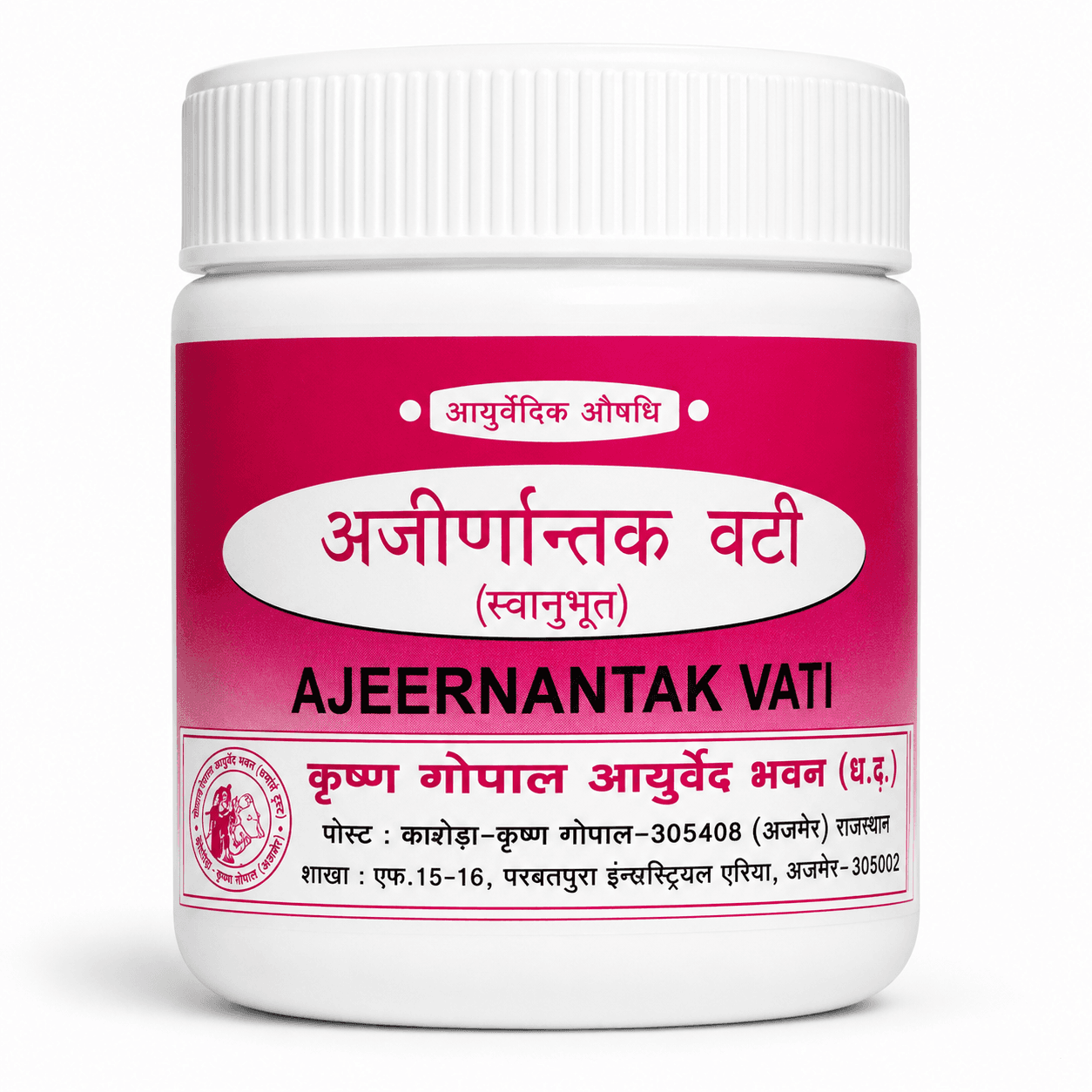
Ajirnantak (Rasonadi) Vati (Kalera) Kalera
Indigestion & appetite loss
Strip of 30 Tablets
4.3
₹40Get ₹4 Cashback
 Prescribed to you4.7₹21 cashback
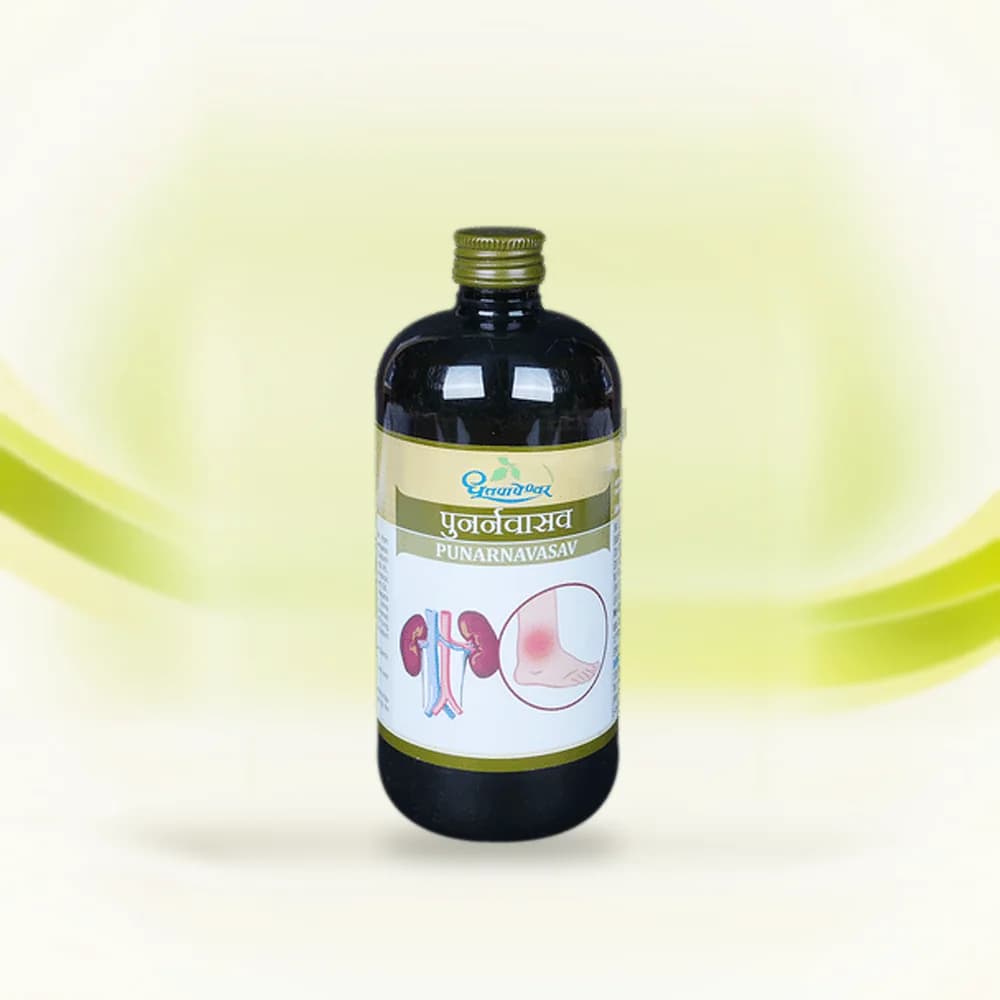
Punarnavasava (Dhootapapeshwar) SDL
SDLUrinary and swelling support
Bottle of 450 ml
4.7
₹215Get ₹21 Cashback