Ascites
Reviewed by medical experts · For informational purposes only
Introductory summary
Ascites correlates with the Ayurvedic condition Jalodara or Dakodara falling under the broader category of Udararoga. It results from the vitiation of Vata dosha and severe impairment of Agni or digestive fire leading to the blockage of water and sweat channels known as Udakavaha and Swedavaha srotas. Common causes include chronic indigestion liver enlargement or Yakrtodara and excessive intake of water or salty foods. Key symptoms involve massive abdominal distension with fluid accumulation and extreme thirst. Management strictly prohibits water intake replacing it with milk or buttermilk known as Takra to nourish the patient without increasing fluid retention. Therapeutic purgation or Nityam Virechana using Castor oil or formulations like Naracha Ghrita is essential. Herbo mineral drugs like Arogyavardhini Vati and diuretics containing Punarnava are standard treatments to reduce edema.
Ascites
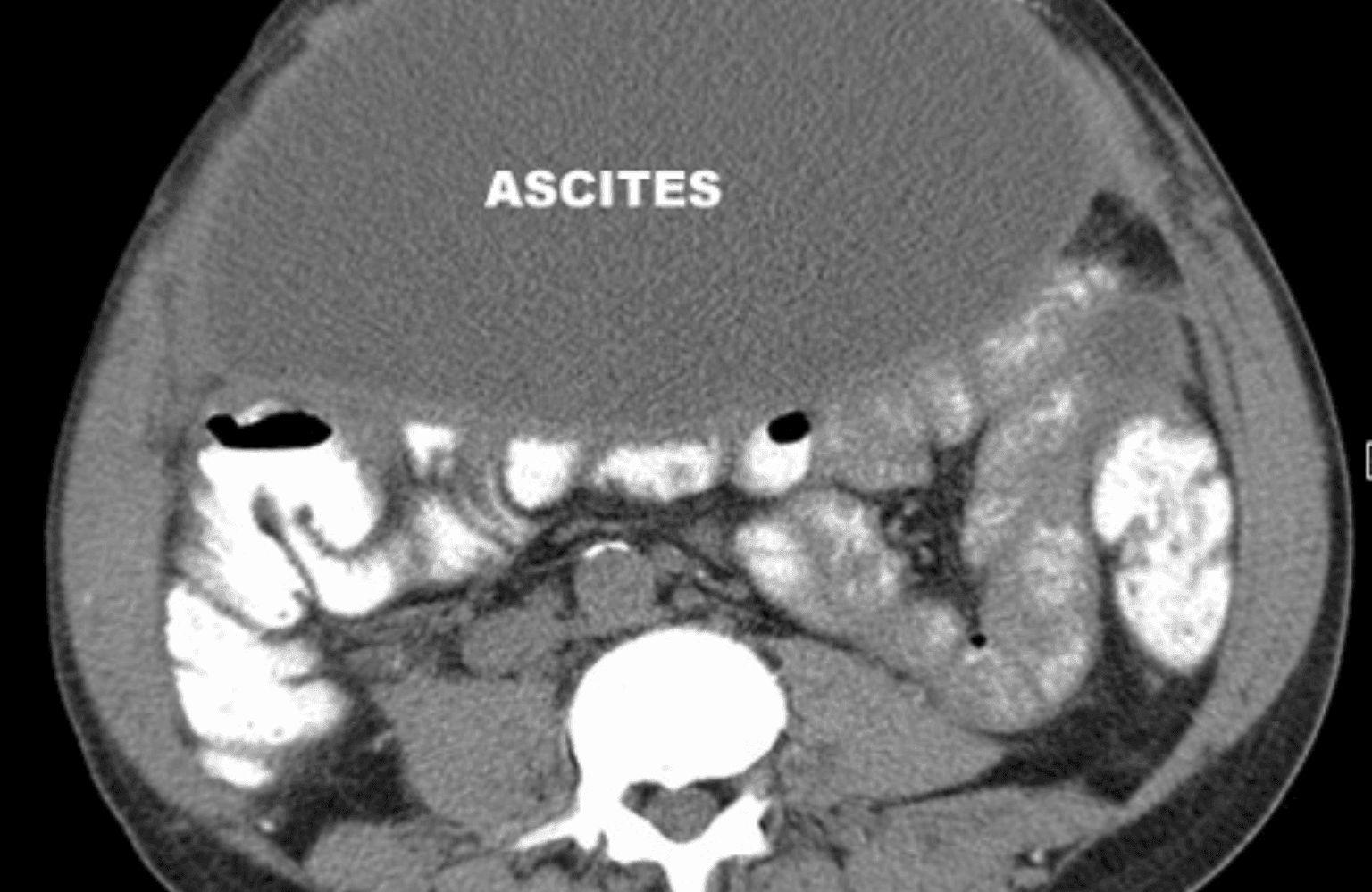
Ascites is the abnormal accumulation of fluid in the abdominal (peritoneal) cavity. In Ayurveda, this condition is classified under the major disease category of Udararoga (Diseases of the Abdomen). There are eight types of abdominal diseases described in classical texts, with Jalodara (Water-Belly) or Dakodara being the specific term for the stage where fluid fills the abdomen. It is considered a severe condition arising from chronic digestive impairment and the aggravation of all three Doshas.
1. Definition
- Modern Definition: A condition characterized by the buildup of fluid in the space between the lining of the abdomen and abdominal organs (the peritoneal cavity).
- Ayurvedic Definition: Udararoga refers to a generalized distension or enlargement of the abdomen. When this enlargement is specifically caused by the accumulation of water (Jala or Udaka) due to the blockage of sweat and water channels, it is defined as Jalodara. It represents a state of severe Agnimandya (loss of digestive fire) and Malasanchaya (accumulation of waste).
2. Etymology & Conceptual Meaning
- Udararoga: Derived from Udara (Belly/Abdomen) and Roga (Disease).
- Jalodara: Derived from Jala (Water) + Udara (Abdomen).
- Conceptual Interpretation: Ayurveda views the abdomen (Udara) as the seat of digestion. When the Agni (digestive fire) is destroyed, the Doshas (bio-energies) become vitiated and block the Srotas (channels), specifically those carrying sweat (Swedavaha) and water (Udakavaha). This forces fluids to accumulate between the skin (Twak) and the muscle (Mamsa) of the abdomen, leading to distension.
3. Causes (Nidana)
The primary cause of all abdominal diseases is the aggravation of Vata Dosha combined with weak digestion.
- Dietary Causes:
- Excessive consumption of hot (Ushna), saline (Lavana), alkaline (Kshara), and burning (Vidahi) foods.
- Eating incompatible foods (Viruddha Ahara) or eating before the previous meal is digested (Ajirna).
- Lifestyle Causes:
- Vegadharana: Suppression of natural urges (urine, stool, flatus).
- Papakarma: The texts mention that accumulation of toxins or "sins" (unwholesome actions) leads to blockage.
- Secondary Causes:
- Untreated enlargement of the spleen (Plihodara) or liver (Yakrtodara) often progresses to Ascites.
- Accumulation of Ama (metabolic toxins) due to indigestion.
4. Journey of the Disease (Pathogenesis/Samprapti)
- Samprapti Ghataka (Components):
- Dosha: Tridosha (Vata, Pitta, Kapha) with Vata predominance.
- Dushya (Tissues): Twak (Skin), Mamsa (Muscle), Rakta (Blood), Ambu (Body Fluids).
- Srotas (Channels): Pranavaha, Swedavaha (Sweat), and Udakavaha (Water) channels.
- Agni: Severe Mandagni (diminished digestive fire).
- Adhisthana (Site): Udara (Abdominal cavity).
- Pathogenesis:
- Due to etiological factors, the digestive fire (Agni) is severely weakened.
- Food is not digested properly, leading to the formation of Ama (toxins).
- Vata Dosha accumulates in the colon and moves upward, blocking the channels of sweat and water.
- The fluids, unable to be excreted as sweat or urine, extravasate and accumulate under the skin of the abdomen.
- This leads to the round, heavy, and water-filled distension known as Jalodara.
5. Symptoms (Lakshana)
- Early Symptoms (Purvarupa):
- Loss of appetite and indigestion.
- Burning sensation.
- Slight swelling or distension of the abdomen.
- Visible veins on the abdomen.
- Advanced Symptoms (Jalodara):
- Udara Vriddhi: Massive enlargement of the abdomen.
- Shotha: Swelling of the hands and feet.
- Pipasa: Excessive thirst.
- Fluctuation: The abdomen feels like a water bag; when tapped, it creates a wave-like movement.
- Dyspnea: Difficulty breathing (Shwasa) due to pressure on the diaphragm.
- Udara Stimitam: The abdomen feels wet, fixed, and soft to the touch.
6. Different Types or Classification (Bheda)
Madhava Nidana classifies Udararoga into eight types. Jalodara is often the final stage of the other types if left untreated:
- Vatodara: Gas-predominant distension; abdomen is rough and dry.
- Pittodara: Associated with fever, burning sensation, and yellow discoloration.
- Kaphodara: Heavy, cold, and immobile abdomen.
- Sannipatodara: Combined symptoms of all three Doshas (very difficult to cure).
- Plihodara: Caused by Splenomegaly (enlarged spleen).
- Yakrtodara: Caused by Hepatomegaly (enlarged liver).
- Baddhodara: Due to intestinal obstruction.
- Chidrodara: Due to perforation of the intestine.
- Jalodara: Fluid accumulation (Ascites).
7. Diagnosis
- Ayurvedic Diagnosis (Roga Pariksha):
- Sparshana (Palpation): The abdomen feels cool, soft, and fluctuating like a water-filled bladder.
- Darshana (Observation): Observation of dilated veins (Siras) and distension.
- Shabda (Percussion): Tapping the abdomen produces a sound different from gas (Adhmana).
- Differential Diagnosis:
8. Disease Management
The treatment principle for Udararoga is "Nityam Virechayet" (Daily Purgation) to remove fluid and toxins.
Diet (Ahara)
- Restrictions: STRICT restriction of water (Jala varjana). The patient should avoid drinking water or drink minimal medicated water.
- Beneficial Foods:
- Takra (Buttermilk): Highly praised as the "nectar" for treating abdominal diseases. It improves digestion and is light.
- Milk (Kshira): A diet consisting only of milk (milk diet) is often prescribed to nourish the patient while reducing fluid retention.
- Cereals: Old rice, barley (Yava), and green gram (Mudga).
- Avoid: Heavy, salty, and sour foods.
Lifestyle (Vihara)
- Gomutra (Cow Urine): Drinking cow urine is a specific remedy for Jalodara due to its alkaline and scraping properties.
- Rest: Complete rest is advised.
Medicines
- Arogyavardhini Vati: A herbo-mineral formulation containing copper (Tamra Bhasma) and Kutki, specifically indicated for liver disorders (Yakrt), ascites (Jalodara), and improving digestion.
- Punarnava Formulations: Punarnava is the drug of choice for swelling. Formulations like Punarnavadi Kwatha, Punarnavarishta, or Punarnava Mandura are used to induce diuresis and reduce edema.
- Naracha Ghrita: A medicated ghee used for purgation in abdominal diseases.
- Kumaryasava: Contains Aloe vera and iron; indicated for Udararoga and liver spleen disorders.
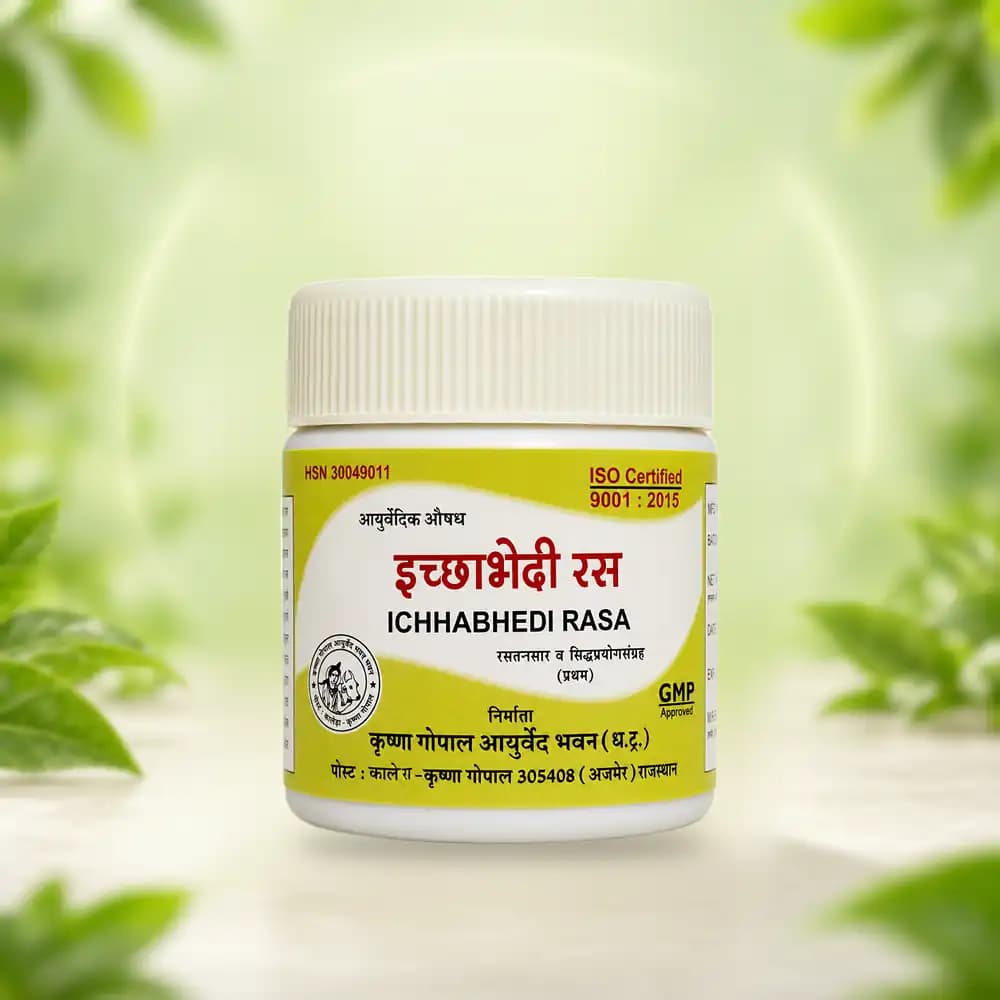
- Ichhabhedi Rasa: A strong purgative used in severe water accumulation (under strict supervision).
Panchakarma
- Virechana (Purgation): This is the primary therapy. Daily purgation using Eranda Taila (Castor Oil) or milk mixed with castor oil is prescribed to drain the fluid through the bowels.
- Niruha Basti: Decoction enemas may be used in specific Vata-dominant cases.
9. Prognosis
- Krichrasadhya (Difficult to cure): Ascites is generally considered difficult to cure.
- Asadhya (Incurable): If the patient is debilitated, has severe swelling all over the body, loss of appetite, and chronic diarrhea, the condition is considered incurable. Jalodara arising as a complication of other abdominal diseases is often fatal.
10. Modern Correlations
- Ascites: Directly correlates with Jalodara.
- Cirrhosis of Liver: Correlates with the progression from Yakrtodara (Liver enlargement) to Jalodara (Ascites).
- Splenomegaly: Correlates with Plihodara.
11. References
-
Mayo Clinic – Ascites Overview
https://www.mayoclinic.org/diseases-conditions/ascites/symptoms-causes/syc-20369503
-
Cleveland Clinic – Ascites
https://my.clevelandclinic.org/health/diseases/17890-ascites
-
MedlinePlus – Ascites
https://medlineplus.gov/ascites.html
-
Johns Hopkins Medicine – Ascites
https://www.hopkinsmedicine.org/health/conditions-and-diseases/ascites
-
World Health Organization (WHO) – Liver Diseases
https://www.who.int/health-topics/liver-disease
-
Journal of Hepatology
https://www.journals.elsevier.com/journal-of-hepatology
-
Hepatology (AASLD Journal)
https://aasldpubs.onlinelibrary.wiley.com/journal/15273350
12. FAQ Section
Q: Can I drink water if I have Ascites (Jalodara)?
A: Ayurvedic texts strongly advise restricting water intake. Instead of plain water, patients are often advised to drink milk or buttermilk (Takra), which provides nutrition without aggravating fluid accumulation.
Q: What is the best herb for water retention in the belly?
A: Punarnava (Boerhavia diffusa) is the most famous Ayurvedic herb for reducing swelling and fluid accumulation. It is often given as a decoction (Kwatha) or fermented tonic (Arishta).
Q: Is purgation (Virechana) necessary for Ascites?
A: Yes. Ayurveda states that "Daily Purgation" (Nityam Virechayet) is the main treatment for Udararoga to expel the accumulated doshas and fluid through the bowel. This is often done using Castor oil or specific herbs like Trivrit.
Q: Can liver problems cause Ascites according to Ayurveda?
A: Yes. Ayurveda describes Yakrtodara (enlargement of the liver) as a specific type of abdominal disease that, if untreated, leads to the accumulation of fluid or Jalodara.
Consult a Doctor
- MS4.2Midun s kumar
Ayurveda4 yrs exp
- SP4.5Dr Sreelekha P Nair
Ayurveda6 yrs exp
- VR4.2Vaidya Rohit Kumar
Ayurveda3 yrs exp
- V4.1Vairamuthu
Ayurveda8 yrs exp
Buy Medicine
 Prescribed to you4.6₹32 cashback
Ichchhabhedi Ras (Kalera) Kalera
Powerful laxative, purgative
Strip of 30 Tablets
4.6
₹325Get ₹32 Cashback
 Prescribed to you4.5₹33 cashback
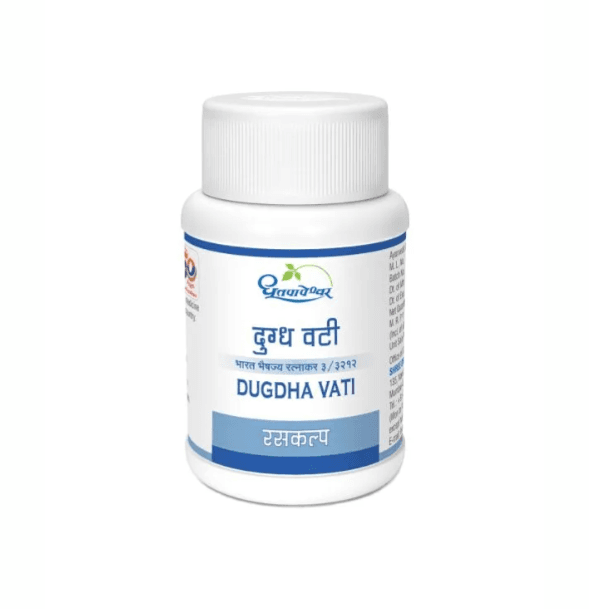
Dugdha Vati (Dhootapapeshwar) SDL
SDLSupports swelling-related conditions
Strip of 60 Tablets
4.5
₹330Get ₹33 Cashback