Arogyavardhini Vati
Reviewed by medical experts · For informational purposes only
Introductory summary
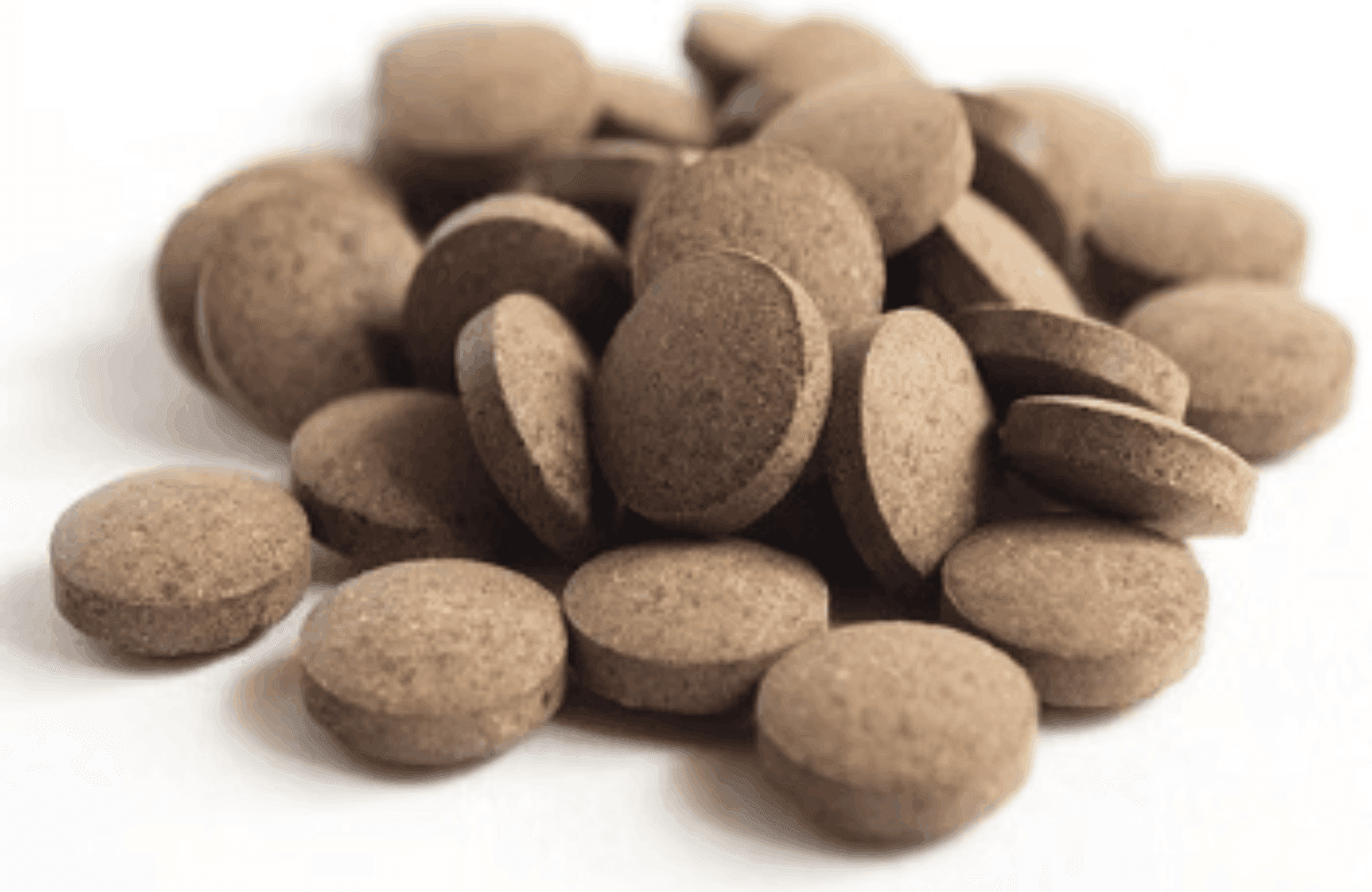
Arogyavardhini Vati is a prestigious Ayurvedic herbo-mineral formulation described in the Rasaratnasamuccaya. It is composed of purified mercury and sulphur along with bhasmas of iron, mica, and copper, combined with herbal ingredients like Triphala, Shilajit, Guggulu, and Chitramula. Its primary ingredient is Katuka, and the mixture is processed with Neem leaf juice. Therapeutically, it is highly valued for treating liver disorders, skin diseases, and chronic fevers. It functions as a potent digestive and appetizer, helping to digest toxins known as Ama and clear bowel impurities. Additionally, it is effective in managing obesity and acts as a general tonic for the heart and body. Due to its metallic content, it requires strict medical supervision.
Arogyavardhini Vati
Arogyavardhini Vati, also known as Arogyavardhini Gutika, is a prestigious Ayurvedic herbo-mineral formulation. The name translates to "formulation that improves good health" (Arogya = health, Vardhini = improver/promoter). It is classically described in the text Rasaratnasamuccaya. It is highly valued for its ability to treat liver disorders, skin diseases, and chronic fevers, acting as a potent digestive and bowel-cleansing agent.
1. Name of the Medicine
- Common Name: Arogyavardhini Vati.
- Sanskrit Name: Ārogyavardhinī Guṭikā.
- Class: Rasa Yoga (Mineral-Herbal preparation).
2. Brief Description
Arogyavardhini Vati is a tablet formulation that combines purified metals (Mercury, Sulphur, Copper, Iron, Mica) with potent herbs. It is renowned as a Sarvarogaprashamani (remedy for all types of diseases) in the classical texts. It is specifically designed to ignite the digestive fire (Dipana) and digest toxins (Pachana). It acts as a general tonic for the heart (Hridya) and is effective in reducing obesity and clearing bowel impurities.
3. Source / Part Used
- Type: Herbo-mineral formulation.
- Key Ingredients:
- Minerals (Bhasmas/Purified): Rasa (Mercury), Gandhaka (Sulphur), Lauha (Iron), Abhra (Mica), Shulva/Tamra (Copper).
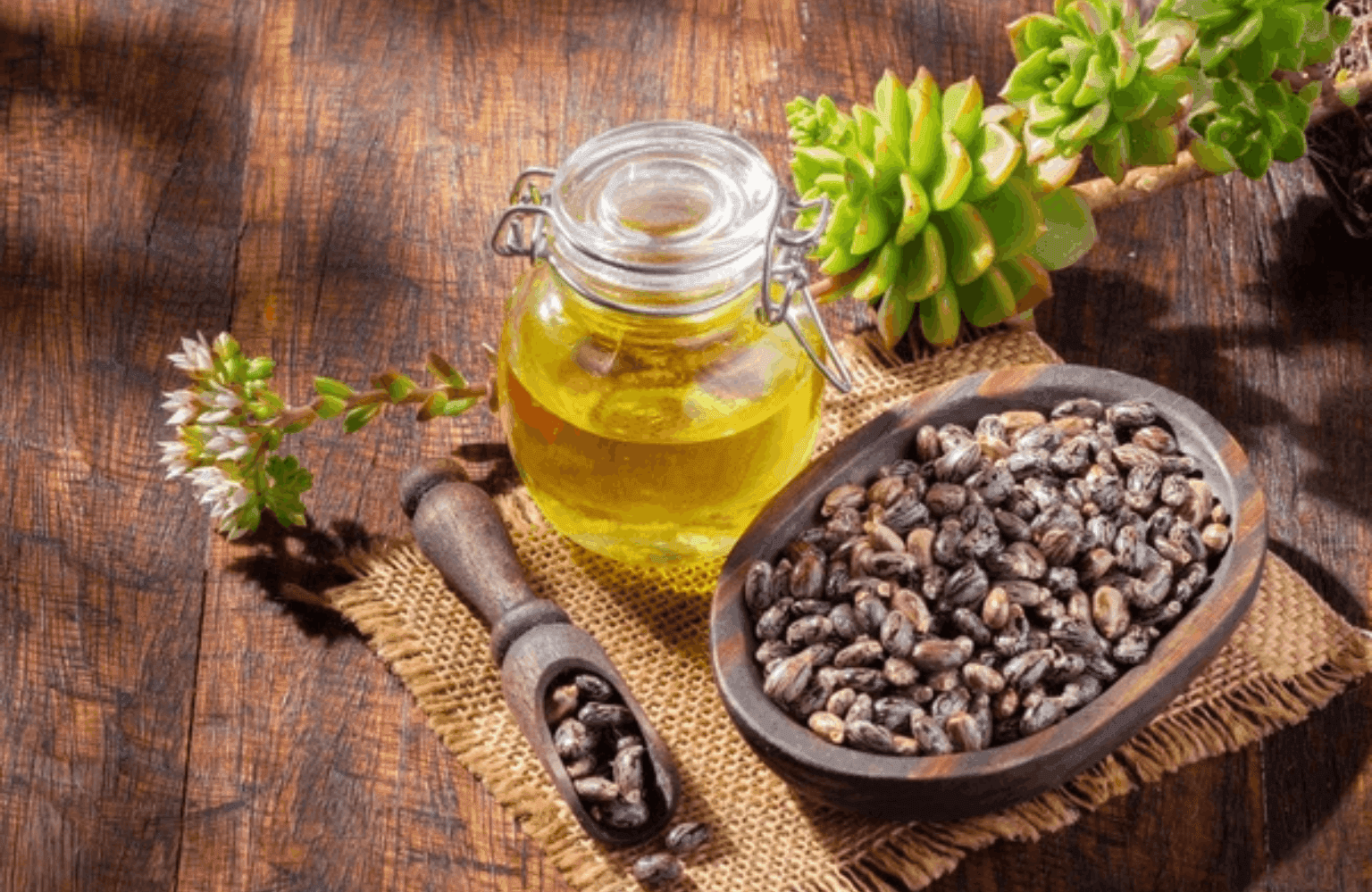
- Herbs: Triphala (Haritaki, Bibhitaki, Amalaki), Shilajatu (Asphaltum), Pura/Guggulu (Commiphora wightii), Chitra (Castor root - Eranda).
- Dominant Herb: Tikta (Katuka/ Picrorhiza kurroa) - This is the major ingredient (22 parts).
- Processing: Ground with Nimba (Neem leaf juice) for two days.
4. Ayurvedic Properties
- Rasa (Taste): Predominantly Tikta (Bitter) due to Katuka and Neem.
- Guna (Qualities): Dipana (Appetizer), Pachana (Digestive).
- Dosha Effect: Tridosha Shamaka (Balances Vata, Pitta, and Kapha). It is specifically noted to cure fevers arising from Vata, Pitta, and Kapha.
5. Key Benefits
- Improves Digestion: Acts as a powerful digestive and appetizer.
- Liver Support: Highly effective for Yakrit Vikara (Liver disorders).
- Skin Health: Destroys Kushtha (Skin diseases) completely when used for a "Mandala" (a specific period of 40-48 days).
- Weight Management: Acts as a Medovinashini (Destroyer of excess fat/obesity).
- Detoxification: Acts as Malashuddhikari (Cleanses excretory products/feces).
- Heart Health: Described as Hridya (Beneficial for the heart).
6. Uses / Indications
According to the Ayurvedic Formulary of India, it is indicated for:
- Liver & Spleen: Yakrit Vikara (Liver disorders).
- Skin: Kushtha (Leprosy/Skin diseases).
- Metabolic: Medodosha (Obesity/Disorder of adipose tissue).
- Fever: Jirnajvara (Chronic fever) and fevers caused by various doshas.
- General: Loss of appetite, indigestion, and irregular bowel movements.
7. How It Works
- Digestive & Purgative Action: The formulation works by stimulating the digestive fire (Agni). The high content of Katuka (Picrorhiza) combined with Tamra Bhasma (Copper) acts as a liver stimulant and mild purgative, helping to expel toxins (Ama) from the body.
- Fat Reduction: It possesses Lekhana (scraping) properties due to Guggulu and Tamra, making it effective against obesity (Medodosha).
- Channel Cleansing: By cleaning the bowels (Malashuddhi) and digesting toxins, it clears the body channels, promoting general health.
8. Dosage
(General guidance based on Ayurvedic Formulary of India):
- Tablet/Pill: 250 mg to 500 mg (approx. 1 to 2 pills).
- Frequency: Usually taken twice a day.
9. Safety Information
- This formulation contains heavy metal ashes (Bhasmas of Mercury, Copper, Iron, and Mica). These ingredients are subjected to rigorous purification (Shodhana) and incineration (Marana) processes to render them therapeutically safe.
- It should only be taken under the strict supervision of a qualified Ayurvedic physician.
10. Side Effects
- Gastric Irritation: Due to its metallic content and potent herbs like Katuka, it may cause gastric irritation or loose stools if taken in excess or by those with a very sensitive stomach.
- Metallic Taste: Some users may experience a metallic taste.
11. Precautions
- Pregnancy & Lactation: Strictly contraindicated due to the presence of Mercury (Rasa) and Copper (Tamra).
- Kidney/Liver Failure: Use with extreme caution and only if prescribed by a specialist in severe organ failure conditions.
- Duration: It is often prescribed for a specific duration (e.g., a Mandala or 40 days) and not necessarily for indefinite long-term use without breaks.
12. Storage Instructions
- Store in a cool, dry place in a tightly closed container (preferably glass) to protect from moisture and light.
- Keep out of reach of children.
13. References
-
World Health Organization – WHO Guidelines on Good Manufacturing Practices (GMP) for Herbal Medicines
https://apps.who.int/iris/handle/10665/43343
-
Hepatoprotective effect of Arogyavardhini Vati in liver disorders – AYU Journal
https://www.ncbi.nlm.nih.gov/pmc/articles/PMC3611652/
-
Clinical evaluation of Arogyavardhini Vati in non-alcoholic fatty liver disease (NAFLD) – Journal of Ayurveda and Integrative Medicine
https://www.sciencedirect.com/science/article/pii/S0975947616300527
-
Pharmacognostical and physicochemical standardization of Arogyavardhini Vati – International Journal of Pharmaceutical Sciences
https://www.ijpsonline.com/articles/pharmacognostical-and-physicochemical-evaluation-of-arogyavardhini-vati.pdf
-
Role of Arogyavardhini Vati in psoriasis management – AYU Journal
https://www.ncbi.nlm.nih.gov/pmc/articles/PMC3931211/
-
Pharmacological properties of Terminalia chebula (Haritaki – ingredient) – Journal of Ethnopharmacology
https://pubmed.ncbi.nlm.nih.gov/16780939/
-
Quality control and heavy metal analysis of Ayurvedic formulations – Journal of Ayurveda and Integrative Medicine
https://www.sciencedirect.com/science/article/pii/S0975947611000584
14. FAQs
** **Q. Can it be taken daily?
It is usually prescribed for a specific therapeutic period (e.g., 2–6 weeks) to treat specific conditions like liver issues or obesity. It is generally not a daily "vitamin" for healthy people without medical advice.
Q. When should it be taken?
It is typically taken after meals.
Q. Can it be taken with milk/water?
Yes. The text lists several vehicles (Anupana) including Milk, Water, Honey, Ardraka Svarasa (Ginger juice), and Nimba Svarasa (Neem juice).
Consult a Doctor
- MS4.2Midun s kumar
Ayurveda4 yrs exp
- SP4.5Dr Sreelekha P Nair
Ayurveda6 yrs exp
- VR4.2Vaidya Rohit Kumar
Ayurveda3 yrs exp
- V4.1Vairamuthu
Ayurveda8 yrs exp
Buy Medicine
 Prescribed to you4.4₹13 cashback
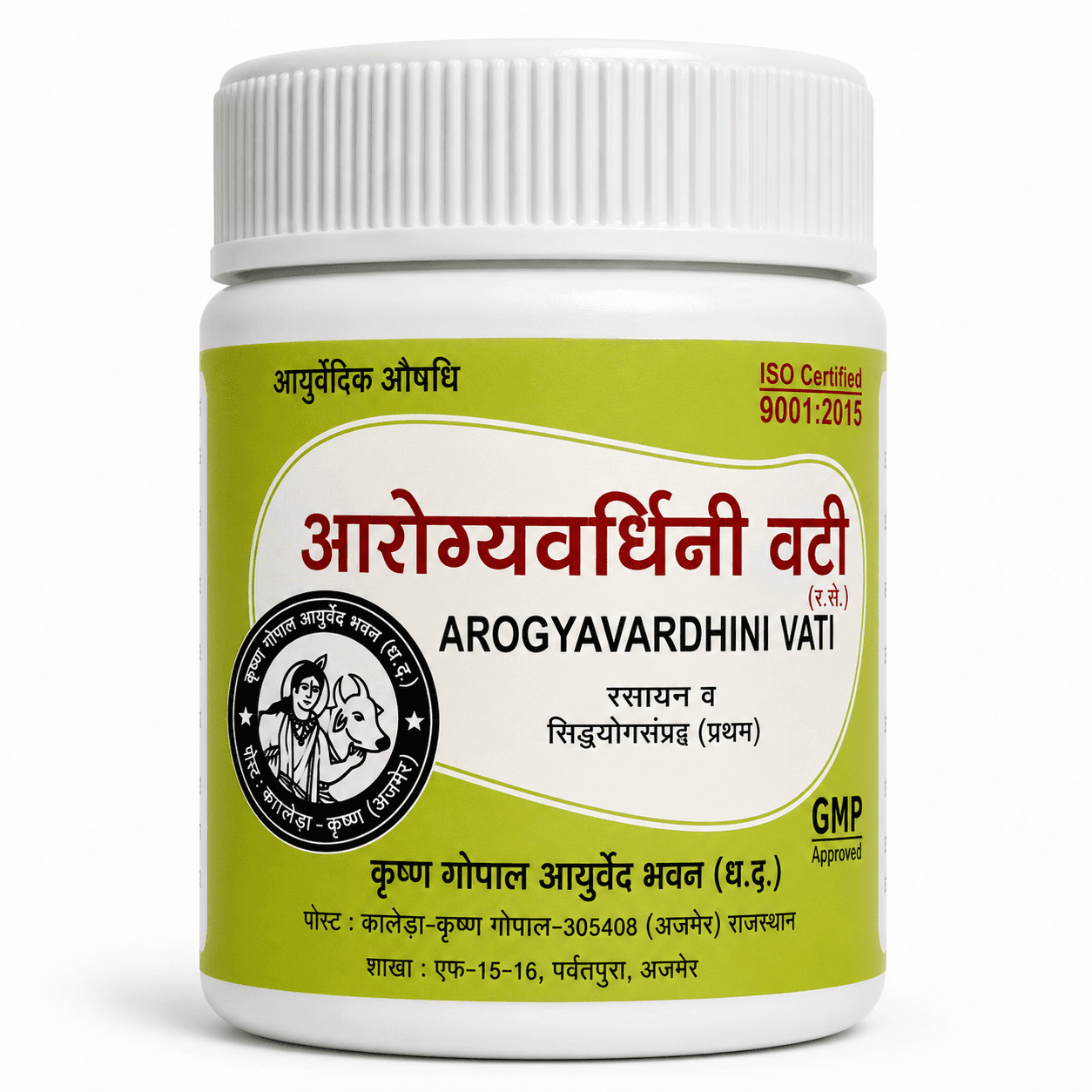
Arogyavardhini Vati (Pra.Vi.) (Kalera) Kalera
Liver tonic, fever remedy
Strip of 30 Tablets
4.4
₹135Get ₹13 Cashback