Fatty liver disease
Reviewed by medical experts · For informational purposes only
Introductory summary
Fatty liver disease correlates with Ayurvedic conditions such as Yakritodara or liver enlargement and is closely linked to Medoroga or fat disorders arising from Santarpana or over-saturation,. The liver known as Yakrit is the seat of Pitta dosha and the root of the Raktavaha srotas or blood-carrying channels,. Pathology develops when vitiated Kapha and accumulated fat obstruct the liver's metabolic functions potentially progressing to Kamala or jaundice,. Management prioritizes restoring digestive fire and eliminating toxins through purification therapies specifically Virechana or purgation which targets Pitta and liver impurities,. Classical texts like Chakradatta recommend specific herbs such as Rohitaka and formulations like Phalatrikadi to support liver function and reduce inflammation,.
Fatty Liver Disease
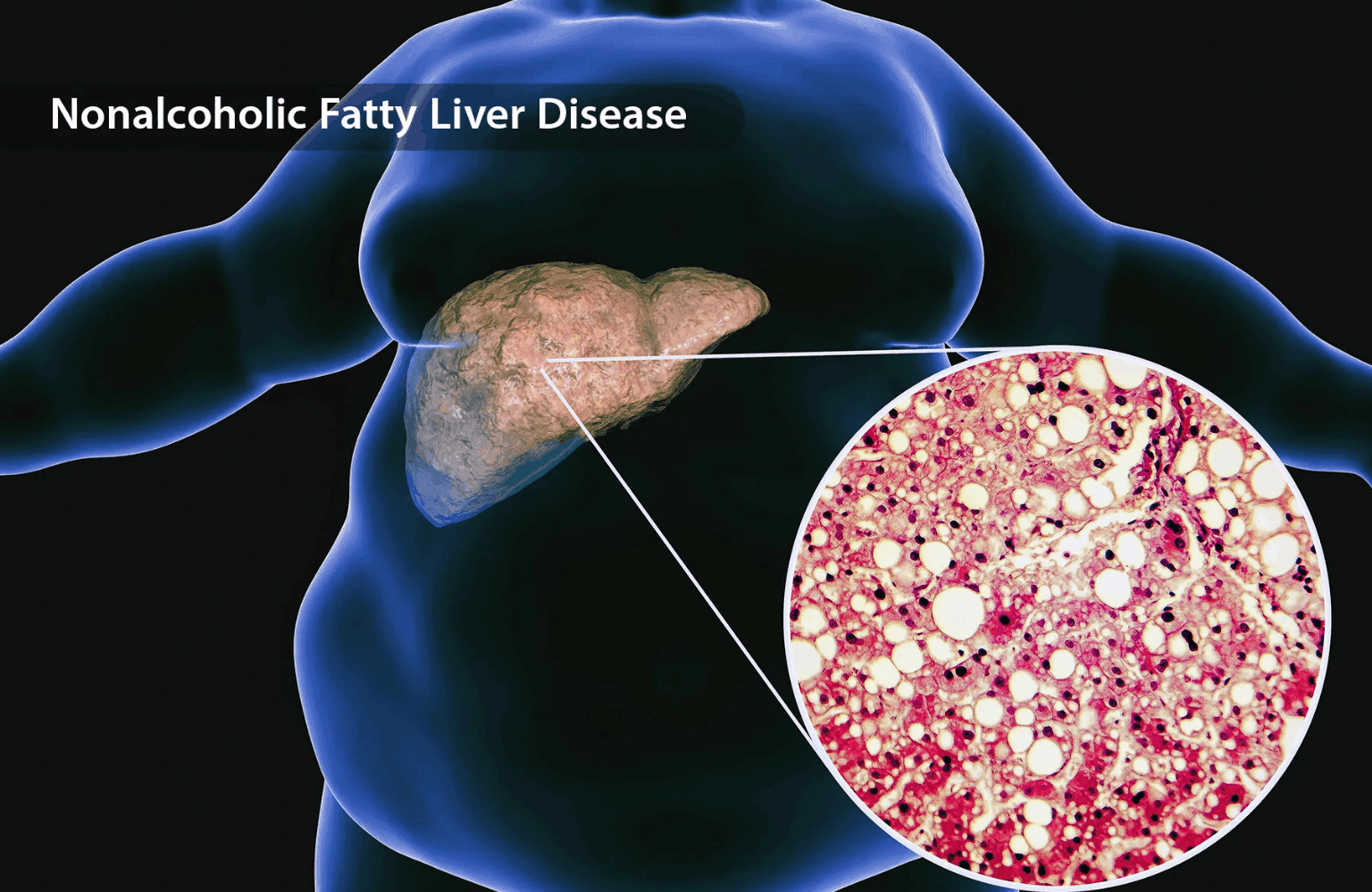
Fatty Liver Disease is a condition characterized by the accumulation of excess fat in the liver cells. In Ayurveda, this condition is not described by a single term but is understood as a dysfunction of the Yakrit (Liver) caused by an imbalance in Kapha (fat/earth element) and Pitta (fire/metabolic element). It is often classified under diseases caused by Santarpana (over-saturation or over-nutrition), leading to the blockage of channels by Meda (fat tissue) and Ama (metabolic toxins).
1. Definition
Modern Definition: Fatty liver is the buildup of excess fat in the liver cells, often associated with obesity, diabetes, or alcohol use.
Ayurvedic Definition: The liver (Yakrit) is the root of the Raktavaha Srotas (blood-carrying channels) and the seat of Ranjaka Pitta (the metabolic fire responsible for coloring blood). Fatty liver is a condition where the Agni (digestive fire) is diminished, leading to the accumulation of Ama (toxins) and Meda (fat) in the liver, obstructing its function and potentially causing enlargement (Yakrit Vriddhi).
2. Etymology & Conceptual Meaning
- Yakrit: The Sanskrit word for Liver.
- Ranjaka Pitta: Derived from "Ranj" meaning to color. This specific bio-energy resides in the liver and spleen and is responsible for the formation of healthy blood.
- Conceptual Interpretation: Ayurveda views the liver as a fiery organ essential for digestion and metabolism. When a person consumes excessive heavy or fatty foods, the Kapha dosha increases. This heavy, sticky quality suppresses the Pitta (metabolic fire) in the liver. Consequently, the liver cannot process fats correctly, leading to a condition called Sthoulya (obesity) of the liver organ or blockage of the Raktavaha Srotas.
3. Causes (Nidana)
The causes are primarily linked to lifestyle habits that increase Kapha and fat, classified as Santarpana (over-filling) etiologies.
Dietary Causes
- Heavy & Sweet Foods: Excessive consumption of sweet (Madhura), unctuous/oily (Snigdha), and heavy (Guru) foods.
- Incompatible Foods: Eating antagonistic food combinations (Viruddha Ahara).
- Alcohol: Excessive intake of alcohol (Madya) is a direct cause of liver damage and Pitta vitiation.
Lifestyle Causes
- Divaswapna
- Avyayama
Psychological Factors
- Krodha (suppressed anger)
4. Journey of the Disease (Pathogenesis/Samprapti)
- Dosha: Kapha, Pitta
- Dushya: Meda, Rakta, Yakrit
- Srotas: Raktavaha, Medovaha
- Agni: Jatharagni Mandya, Bhutagni
- Ama: Metabolic waste products
5. Symptoms (Lakshana)
- Agnimandya
- Gaurava
- Alasya
- Udararoga
- Yakrit Vriddhi
- Kamala
- Daha
- Shotha
6. Different Types or Classification (Bheda)
- Kaphaja Yakrit Roga
- Pittaja Yakrit Roga
- Yakritodara
7. Diagnosis
- Darshana
- Sparshana
- Nadi
- Differential Diagnosis: Kamala, Pandu, Grahani
8. Disease Management
Diet (Ahara)
- Takra
- Patola
- Karavellaka
Lifestyle (Vihara)
- Vyayama
- Avoid Divaswapna
Medicines
- Kutki (Picrorhiza kurroa)
- Guduchi (Tinospora cordifolia)
- Phalatrikadi Kwatha
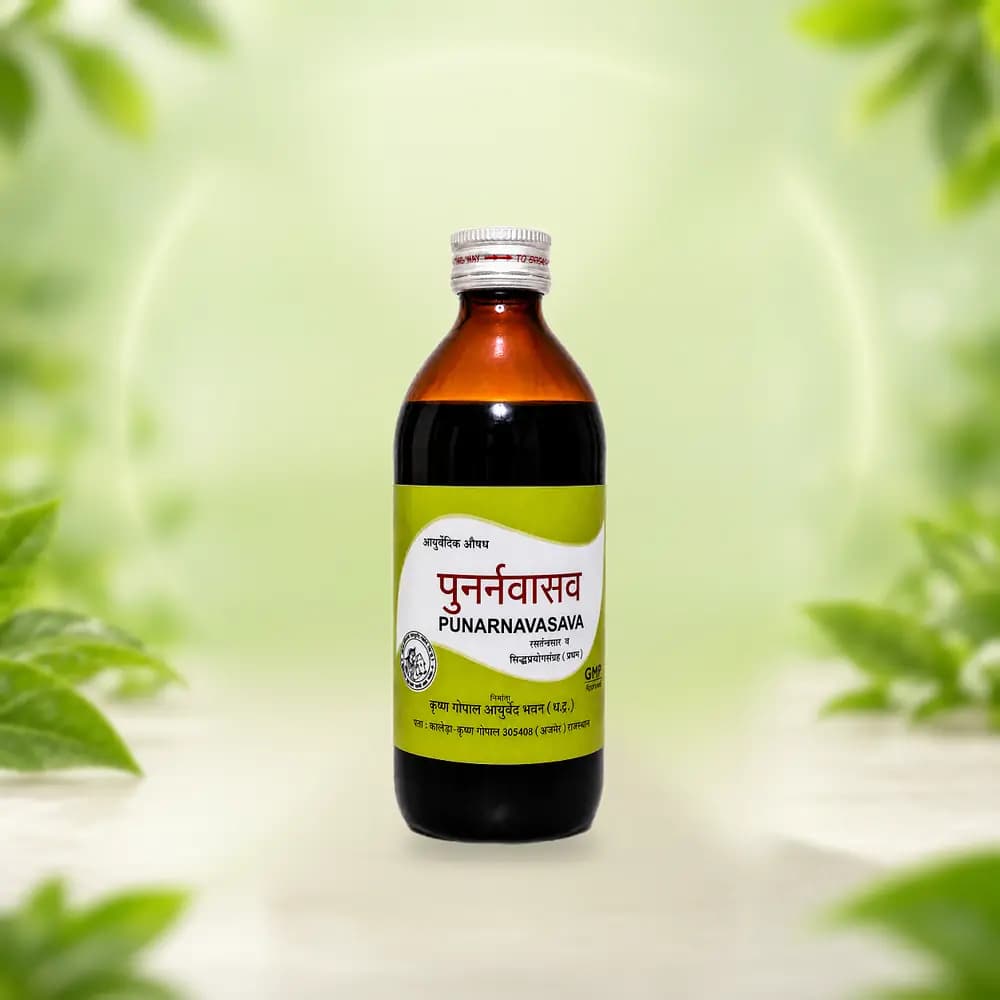
- Punarnava (Boerhavia diffusa)
- Guggulutiktaka Ghrita
- Rohitaka
Panchakarma
- Virechana
- Vamana
- Lekhana Basti
9. Prognosis
• Curable (Sadhya): In the early stages (Sthoulya or simple fatty infiltration), the condition is curable with dietary changes and herbs.
• Difficult (Krichrasadhya): If the liver is significantly enlarged (Yakritodara) or if associated with severe dropsy (Jalodara), treatment is difficult.
• Factors: Prognosis is better if the patient is strong and compliant with the strict diet.
10. Modern Correlations
- NAFLD
- Hepatomegaly
- Metabolic Syndrome
11. References
** . Non-alcoholic fatty liver disease (NAFLD): a review of pathophysiology, clinical management and effects of weight loss**
This is a high-impact systematic review summarizing NAFLD’s underlying mechanisms (metabolic dysfunction, insulin resistance), clinical spectrum (from simple steatosis to NASH and fibrosis), diagnostic considerations, and evidence on weight loss and lifestyle interventions as core treatments. (SpringerLink)
NAFLD/MASLD is strongly linked with metabolic syndrome features such as diabetes, hypertension, dyslipidemia, and central obesity. These factors not only increase risk but also contribute to progression to NASH (Non-Alcoholic Steatohepatitis), fibrosis, cirrhosis, and even hepatocellular carcinoma (liver cancer). (AajTak)
NAFLD is becoming increasingly common globally, often detected incidentally as asymptomatic fatty changes on imaging or elevated liver enzymes, underscoring its public health significance. (NDTV India)
Systematic Review of NAFLD Prevalence in India — Meta-analysis shows NAFLD affects ~38.6% of Indian adults and ~35.4% of children, with higher rates among obese individuals. (PMC)
Prevalence in Indian Adults — Community study in Bhopal, India found ~43.6% of adults have NAFLD, highlighting its significant public health burden. (PubMed)
Surrogate Indices & Metabolic Risk Factors — Hospital-based research using fatty liver index (FLI) links NAFLD with obesity, diabetes, dyslipidemia and hypertension. (IJCMPH)
Dietary Patterns That Reduce NAFLD Risk — Systematic review finds plant-based and balanced macronutrient diets (e.g., low carbohydrate, whole foods) are linked with reduced risk or slowed progression of NAFLD. (SpringerLink)
12. FAQ Section
Q: Can Ayurveda cure Fatty Liver?
A: Ayurveda considers early-stage fatty liver (Sthoulya/Yakrit Roga) to be curable (Sadhya) through specific dietary changes, exercise, and herbs that improve liver metabolism (Agni).
Q: Is Ghee good for Fatty Liver?
A: Generally, heavy fats are avoided. However, Ayurveda uses Medicated Ghee (like Guggulutiktaka Ghrita), processed with bitter herbs, as medicine. This specific form helps reduce inflammation and regulate lipids, unlike plain ghee or butter.
Q: What is the best Ayurvedic herb for the liver?
A: Kutki (Picrorhiza kurroa) and Bhumyamalaki (Phyllanthus niruri) are highly regarded for liver health. Triphala is also excellent for daily detoxification.
Q: Why does Ayurveda advise against sleeping during the day for this condition?
A: Sleeping during the day (Divaswapna) increases Kapha dosha and slows down metabolism (Agni). This leads to the stagnation of fat in the body and liver, worsening the condition.Q: What vegetables are good for fatty liver? A: Bitter vegetables are best. Karela (Bitter gourd), Patola (Pointed gourd), and Punarnava (Hogweed) are recommended to reduce Kapha and cleanse the liver.
Consult a Doctor
- MS4.2Midun s kumar
Ayurveda4 yrs exp
- SP4.5Dr Sreelekha P Nair
Ayurveda6 yrs exp
- VR4.2Vaidya Rohit Kumar
Ayurveda3 yrs exp
- V4.1Vairamuthu
Ayurveda8 yrs exp