Flatulence
Reviewed by medical experts · For informational purposes only

Introductory summary
Flatulence in Ayurveda is primarily identified as Adhmana characterized by abdominal distension with gurgling sounds caused by the vitiation of Vata dosha specifically Samana and Apana Vayu. It arises when weak digestion leads to the formation of Ama or toxins which obstructs the movement of wind often triggered by suppressing natural urges or consuming incompatible foods. The condition involves the abdomen inflating like a leather bag due to trapped gas. Management focuses on rekindling digestive fire and normalizing Vata flow through carminatives and laxatives. Key formulations include Hingvadi Churna and Hinguvacadi Churna which utilize Asafoetida to break stagnation. Treatments like Swedana or fomentation and Basti or medicated enema are essential to clear obstructions and relieve pain.
Flatulence
Flatulence is a condition characterized by the accumulation of gas in the alimentary canal, leading to abdominal distension and discomfort. In Ayurveda, this condition is primarily described under the terms Adhmana (tympanites/distension with sound) and Anaha (distension due to constipation/obstruction). It is a disorder caused by the vitiation of Vata Dosha, specifically affecting the Samana and Apana Vayu (types of wind energy governing digestion and excretion).
1. Definition
Modern Definition: The accumulation of gas in the alimentary canal, associated with abdominal bloating and the expulsion of flatus.
Ayurvedic Definition:
- Adhmana: Defined in the Ayurvedic Formulary of India as "Flatulence with gurgling sound". It involves the distension of the abdomen caused by the blockage of Vata.
- Anaha: Defined as the distension of the abdomen due to obstruction to the passage of urine and stools. It is often a result of constipation where Vata is blocked.
2. Etymology & Conceptual Meaning
- Adhmana: Derived from the root Dhma, meaning to blow or inflate. It refers to the "blowing up" of the abdomen like a leather bag due to trapped air.
- Vata Vyadhi: Flatulence is classified as a Vata Vyadhi (disease of Vata), as Vata is the biological humor composed of Air and Ether elements responsible for all movement in the body.
- Conceptual Interpretation: Digestion relies on Agni (digestive fire). When Agni is weak (Mandagni), food is not digested properly, leading to the formation of Ama (toxins). This Ama blocks the channels (Srotas), causing the Vata (gas) to become obstructed and move upwards or accumulate, resulting in distension and gurgling.
3. Causes (Nidana)
The texts attribute flatulence to specific dietary and lifestyle errors that aggravate Vata and suppress digestive fire.
- Dietary Causes:
- Consumption of dry (Ruksha), cold, and light foods that increase Vata.
- Viruddha Ahara: Intake of incompatible food combinations.
- Vistambhi Ahar: Food that causes constipation, such as Jackfruit (Panasa).
- Taking roasted grain flour singly, at night, or after meals.
- Intake of food during indigestion or before the previous meal is digested.
- Lifestyle Causes:
- Vegadharana (Suppression of Natural Urges): specifically the suppression of flatus (gas) and feces. This is a primary cause stated to result in retention of feces, urine, and flatus, colic pain, and flatulence.
- Divaswapna: Sleeping during the day.
- Ati-maithuna: Excessive sexual intercourse.
- Chinta: Grief or fear, which disturbs the body fluids and Vata.
4. Journey of the Disease (Pathogenesis/Samprapti)
- Samprapti Ghataka (Components):
- Dosha: Vata (specifically Samana and Apana) and Kapha (causing obstruction).
- Dushya (Tissues): Rasa (Nutrient plasma).
- Srotas (Channels): Annavaha (Digestive tract) and Purishavaha (Excretory channels).
- Agni: Jatharagni Mandya (Weak digestive fire).
- Adhisthana (Site): Amasaya (Stomach) and Pakvashaya (Colon).
- Pathogenesis:
- Due to causative factors (like suppressing the urge to pass gas or eating incompatible foods), Agni becomes weak.
- Food is not digested properly, forming Ama (fermented/toxic residue).
- This Ama and aggravated Kapha block the movement of Vata in the intestines.
- The obstructed Vata accumulates, inflating the abdomen (Adhmana) and causing gurgling sounds (Atopa).
- If the obstruction is severe in the lower bowel, it leads to Anaha (constipation with distension).
5. Symptoms (Lakshana)
- Early Symptoms:
- Aruchi: Loss of appetite or tastelessness.
- Mandagni: Weak digestion.
- Advanced Symptoms:
- Adhmana: Distension of the abdomen with a drum-like sound on tapping and gurgling noises.
- Shula: Colic or pain in the abdomen due to trapped gas.
- Vibandha: Constipation or retention of stool and flatus.
- Hrit-graha: A feeling of tightness or constriction in the chest/heart region due to upward pressure of gas.
- Parsva-shula: Pain in the flanks/sides.
6. Different Types or Classification (Bheda)
While commonly referred to generally, Madhava Nidana and other texts distinguish based on the location and nature of the gas:
- Adhmana: General distension with sound.
- Pratyadhmana: Distension often localized to the upper abdomen (stomach), sometimes without pain but with significant discomfort (implied in classical descriptions of Amasaya disorders).
- Anaha: Distension associated with severe constipation and obstruction of the lower tract.
7. Diagnosis
- Ayurvedic Diagnosis (Roga Pariksha):
- Darshana (Observation): Visual distension of the abdomen.
- Sparshana (Touch): The abdomen feels hard and drum-like (Atoya).
- Prashna (Questioning): History of suppressing urges (holding in gas), constipation, and dietary habits.
- Differential Diagnosis:
- Must be distinguished from Gulma (phantom tumor/abdominal lump), where the gas forms a palpable, moving mass.
- Must be distinguished from Udara Roga (Ascites/Enlargement), which may involve fluid accumulation.
8. Disease Management
Management focuses on Dipana-Pacana (improving digestion) and Vatanulomana (downward movement of gas).
Diet (Ahara)
- Beneficial: Light, warm foods. Spices like Hingu (Asafoetida), Ajwain (Yavani), and Ginger (Sunthi) are essential.
- Avoid: Heavy foods like black gram (Masha), dairy, and tubers that aggravate Vata. Avoid eating when the previous meal is not digested.
Lifestyle (Vihara)
- Avoid Suppression: Never suppress the natural urge to pass gas or stool.
- Fomentation (Swedana): Applying heat to the abdomen to relieve stiffness and gas.
- Suppositories: Use of Phalavarti (suppository made of Madanaphala) to relieve constipation and gas.
Medicines
- Hingvadi Churna: A powder containing Hingu (Asafoetida), Vacha, and Chitraka. It is specifically indicated for Adhmana (flatulence), colic, and gulma.
- Hinguvacadi Churna: Another potent formulation with Asafoetida and Vacha for flatulence with gurgling and abdominal pain.
- Vaisvanara Churna: Contains salt, ginger, and ajwain; indicated for Anaha (distension), clearing the bowels, and improving digestion.
- Lasunadi Vati: A tablet containing Garlic (Lasuna), Cumin, and Asafoetida. It is effective for Visuchika (gastro-enteritis) and gas.
- Kumaryasava: A liquid aloe vera preparation used for abdominal diseases and distension.
- Ajamoda: (Celery seeds) listed as a simple spice useful for flatulence.
Panchakarma
- Basti (Enema): This is the primary treatment for Vata.
- Niruha Basti (Decoction Enema): Helps clear the obstruction and feces.
- Anuvasana Basti (Oil Enema): Lubricates the dry channels and pacifies Vata.
- Fomentation: Sweating therapy (Swedana) is used to soften the abdomen and relieve gas.
9. Prognosis
- Sadhya (Curable): Acute cases caused by dietary indiscretion are easily treated with carminatives (Dipana) and laxatives.
- Krichrasadhya (Difficult): If the condition is chronic or associated with severe Udara Roga (abdominal enlargement) or obstruction (Baddhodara), it becomes difficult to treat.
10. Modern Correlations
- Meteorism / Tympanites: Correlates with the distension described in Adhmana.
- Irritable Bowel Syndrome (IBS): The symptoms of alternating constipation, pain, and bloating mirror the symptoms of Vataja Grahani and Adhmana.
- Dyspepsia: Correlates with Agnimandya leading to gas.
11. References
-
World Health Organization (WHO) – Digestive health and gut disorders
https://www.who.int/teams/health-product-policy-and-standards/standards-and-specifications
-
Mayo Clinic – Gas and gas pains
https://www.mayoclinic.org/symptoms/gas/basics/definition/sym-20050736
-
StatPearls (NCBI Bookshelf) – Intestinal Gas
https://www.ncbi.nlm.nih.gov/books/NBK534822/
-
National Health Portal of India – पेट में गैस (Flatulence)
https://www.nhp.gov.in/disease/digestive/flatulence
-
Ministry of Health & Family Welfare, Government of India – पाचन तंत्र रोग
https://www.mohfw.gov.in/
-
WHO India – पाचन स्वास्थ्य
https://www.who.int/india
12. FAQ Section
Q: What is the best spice for gas in Ayurveda?
A: Hingu (Asafoetida) is considered one of the most effective herbs for Adhmana (flatulence) and Shula (colic pain) due to its hot and sharp qualities that break up gas.
Q: Can holding in gas cause health problems?
A: Yes. According to Ayurveda, suppressing the urge to pass flatus (Vata) causes retention of feces and urine, flatulence, fatigue, and pain in the abdomen.
Q: Is garlic good for gas?
A: Yes. Lasuna (Garlic) is used in formulations like Lasunadi Vati to treat digestive disorders and is effective for gas associated with Vata.
Q: What is "Anaha"?
A: Anaha refers to abdominal distension caused by the obstruction of urine and stool. It is a more severe form of blockage than simple gas.
Q: Is fasting recommended for flatulence?
A: Yes, in cases of indigestion (Ama) causing gas, Langhana (fasting or light diet) is the first line of treatment to restore digestive fire and clear the toxins.
Consult a Doctor
- SP4.5Dr Sreelekha P Nair
Ayurveda6 yrs exp
- SJ3.9SUMEDH JOSHI
Ayurveda7 yrs exp
- VH3.9Vaidya Harsh
Ayurveda9 yrs exp
- GG3.0Dr GN Govinda
Ayurveda1 yrs exp
Buy Medicine
 Prescribed to you4.3₹4 cashback
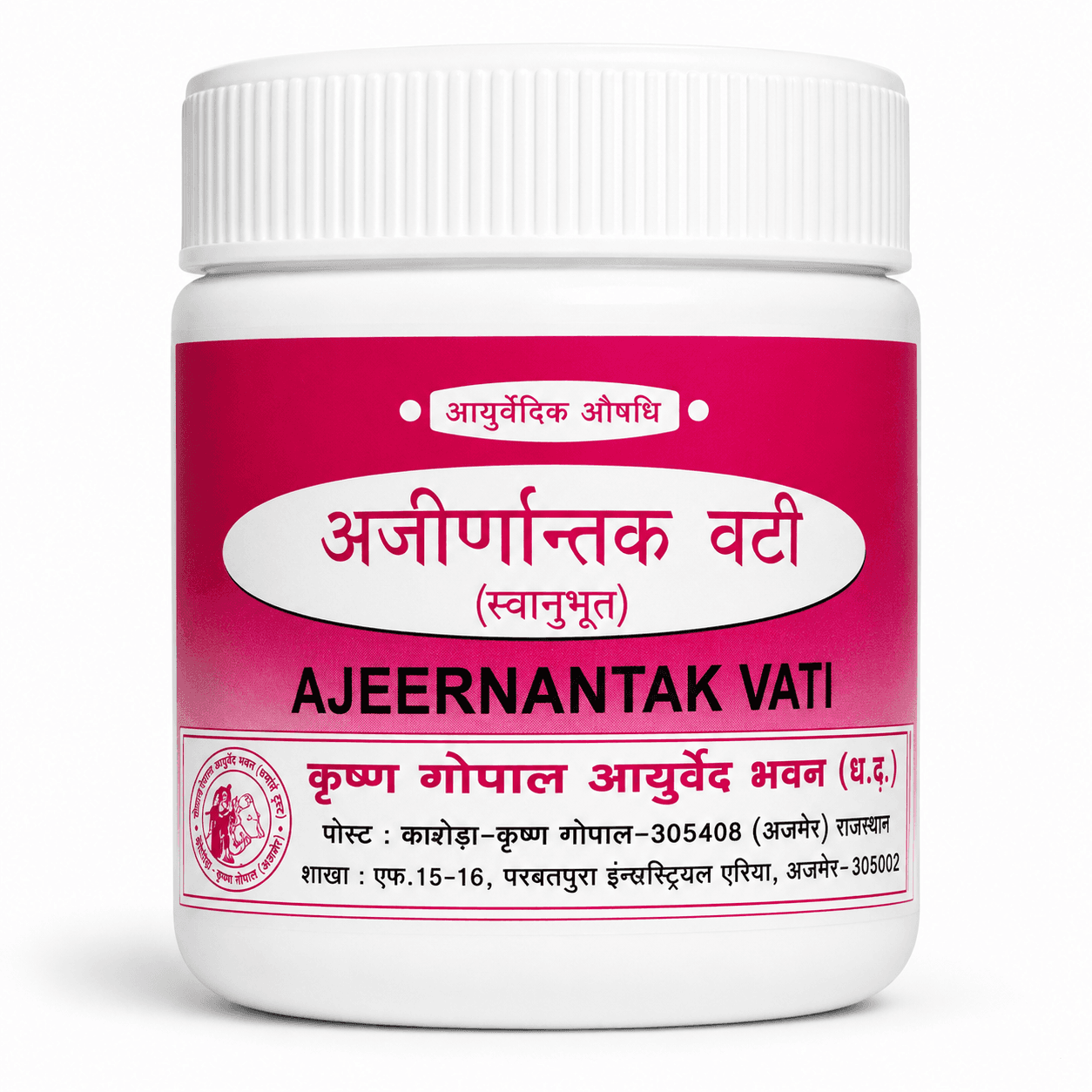
Ajirnantak (Rasonadi) Vati (Kalera) Kalera
Indigestion & appetite loss
Strip of 30 Tablets
4.3
₹40Get ₹4 Cashback
 Prescribed to you4.7₹21 cashback
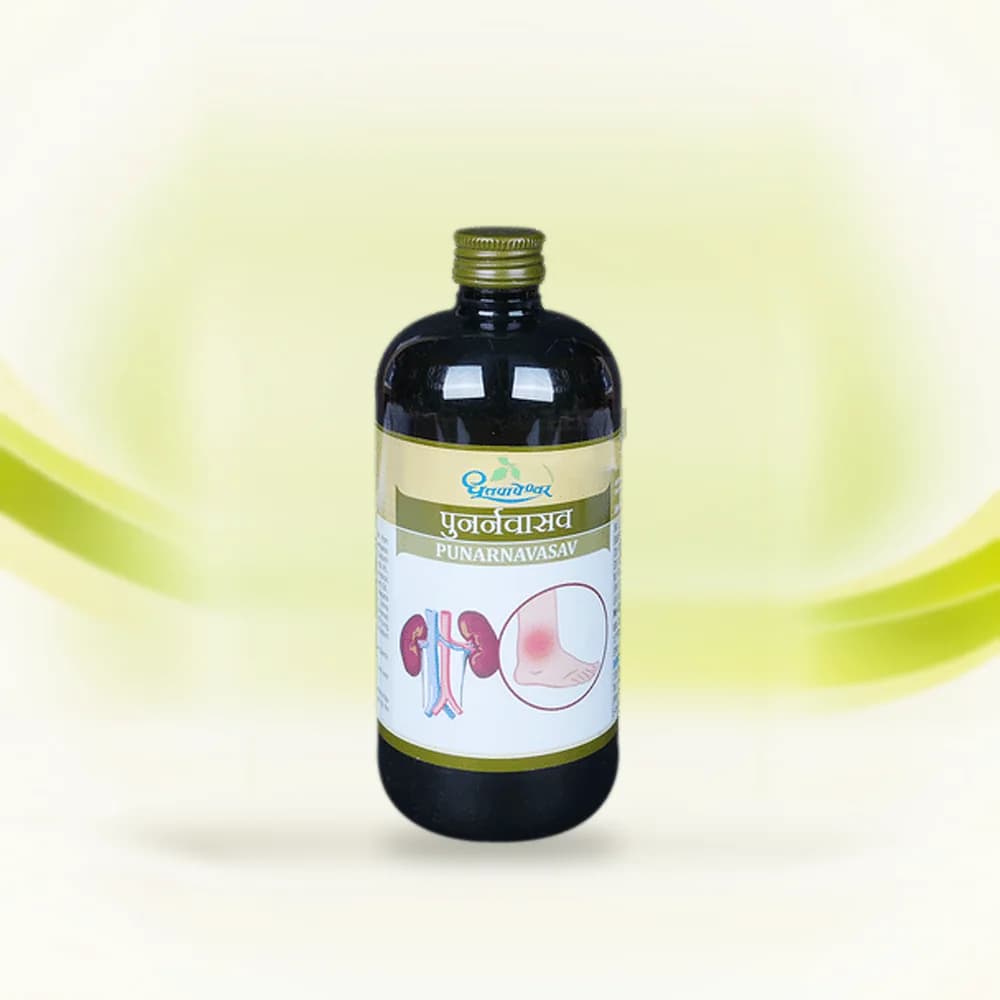
Punarnavasava (Dhootapapeshwar) SDL
SDLUrinary and swelling support
Bottle of 450 ml
4.7
₹215Get ₹21 Cashback