Vacha
Reviewed by medical experts · For informational purposes only
Introductory summary
Vacha scientifically known as Acorus calamus is a potent aromatic herb in Ayurveda revered for its effects on the mind and speech. Possessing Pungent and Bitter tastes with Sharp qualities it acts as a premier Medhya drug enhancing intellect memory and voice clarity while also serving to restore consciousness in epilepsy and hysteria. Therapeutically it alleviates Kapha and Vata doshas making it effective for respiratory congestion and digestive colic in formulations like Kaphaketu Rasa and Agnitundi Vati. External applications like Vacadi Taila are used for glandular swellings while Vacalasunadi Taila treats ear discharges. Due to its strong emetic properties internal dosage is strictly limited to small quantities often purified or combined with other herbs.
Vacha
Vacha, scientifically known as Acorus calamus, is a semi-aquatic herb highly valued in Ayurveda for its effects on the mind and nervous system. The name "Vacha" implies "speech," reflecting its traditional use in improving voice clarity, intellect, and speech expression. It is a potent aromatic herb characterized by its sharp (Tikshna) and heating (Ushna) nature, making it a powerful agent for clearing channels in the body, stimulating the brain (Medhya), and scraping away excess fat and mucus (Lekhaniya).
1. Name of the Herb
- Common Name: Sweet Flag, Calamus.
- Scientific Name: Acorus calamus Linn. (Family: Araceae).
- Sanskrit Names: Vacā, Ugrā (The formidable/sharp one), Shaḍgranthā (Having six knots), Golomi, Jatila.
- Regional Names: Bach (Hindi), Vayambu (Malayalam), Vasambu (Tamil), Vasa (Telugu), Vekhand (Marathi).
2. Brief Description
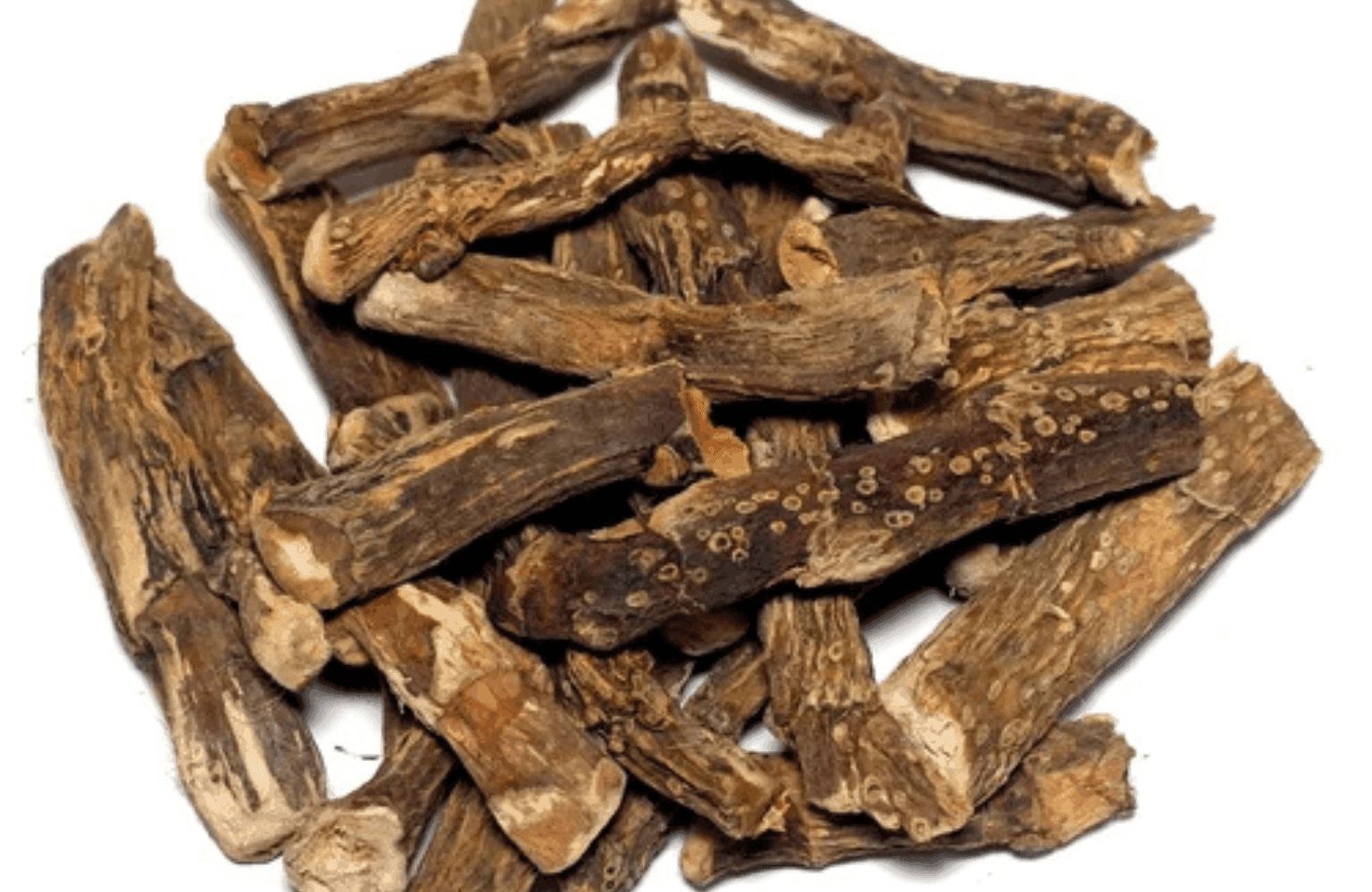
Vacha is a perennial herb with a creeping rootstock (rhizome) that is cylindrical, aromatic, and knotty. It grows in marshy places and river banks. In Ayurveda, it is classified as a Medhya Rasayana (rejuvenator for the mind) and Sanjnasthapana (restorer of consciousness). It is revered for its ability to awaken the mind, improve memory, and treat phlegm-related disorders. Due to its "scraping" property, it is also included in the Lekhaniya (emaciating/scraping) group of herbs.
3. Source / Part Used
4. Ayurvedic Properties
According to the Ayurvedic Pharmacopoeia of India and Charaka Samhita:
- Rasa (Taste): Katu (Pungent) and Tikta (Bitter).
- Guna (Qualities): Laghu (Light) and Tikshna (Sharp/Penetrating).
- Virya (Potency): Ushna (Hot).
- Vipaka (Post-digestive effect): Katu (Pungent).
- Dosha Effect: Kapha-Vata Shamaka (Pacifies Kapha and Vata doshas). Its heating and sharp qualities reduce Kapha (mucus/lethargy) and Vata (nervous weakness), but excess use may aggravate Pitta.
5. Key Benefits
- Enhances Intellect and Memory: Acts as a premier Medhya drug, improving intelligence (Medha) and memory (Smriti).
- Improves Speech: Known as Vakkara, it is used to treat hoarseness, stammering, and speech delays.
- Clears Congestion: Acts as an expectorant and decongestant, clearing phlegm from the throat and chest.
- Digestive Support: It stimulates digestive fire (Deepana) and relieves bloating (Adhmana) and colic (Shula).
- Neurological Support: Beneficial in treating epilepsy (Apasmara) and psychosis (Unmada).
- Scraping Action: reducing fat and Kapha accumulation (Lekhaniya).
6. Uses / Indications
Vacha is indicated in Ayurveda for the following conditions:
- Neurological & Mental Disorders: Apasmara (Epilepsy), Unmada (Mania/Psychosis), Bhuta-badha (Psychological distress), and Smritibhransha (Loss of memory).
- Speech Disorders: Svarabheda (Hoarseness of voice) and speech defects; often combined with Sarasvata Ghrita.
- Digestive Disorders: Adhmana (Bloating/Gas), Shula (Colic pain), Vibandha (Constipation), and Agnimandya (Low digestion).
- Respiratory Issues: Kasa (Cough) and Shwasa (Asthma) due to its Kapha-clearing nature.
- Glandular Swellings: External application of Vacadi Taila is used for Apachi (Scrofula/Cervical lymphadenitis).
- Ear Conditions: Karnasrava (Discharge from the ear) treated with Vacalasunadi Taila.
7. How It Works
- Nootropic Action: Vacha contains volatile oils (like asarone) that penetrate the nervous system (Majja dhatu). Its Tikshna (sharp) quality stimulates the brain, clears mental fogginess, and awakens the senses (Sanjnasthapana).
- Carminative & Digestive: The pungent taste and heating energy help break down Ama (toxins) and move obstructed Vata (gas) downwards, relieving bloating and colic.
- Bronchodilator: It helps liquefy and expel thick sticky sputum from the respiratory tract.
- Anti-Lipid: As a Lekhaniya herb, it "scrapes" excess fat and fluids from the body channels.
8. Dosage
(General guidance based on Ayurvedic texts):
- Powder (Churna): 60 to 120 mg (low dosage is critical due to potency).
- Therapeutic Emetic Dose: Higher doses (e.g., 500 mg - 1 g) are used strictly under supervision to induce vomiting (Vamana).
- Formulations:
- Sarasvata Ghrita: 12 g (contains Vacha as a key ingredient).
- Chandraprabha Vati: 250-500 mg.
9. Safety Information
- Emetic Property: Vacha is a known emetic (Vamaka). Taking it in excess of the recommended small dosage can cause nausea and severe vomiting.
- Potency: It is very heating and "sharp." It should be processed (Shodhana) or used in specific combinations to mitigate irritation.
10. Side Effects
- Nausea/Vomiting: The most common side effect of overdose.
- Heat Sensations: May cause burning sensation in the stomach or body in Pitta-dominant individuals.
11. Precautions
- Pregnancy: Strictly avoided or used with extreme caution during pregnancy due to its uterine stimulating and heating properties.
- Pitta Prakriti: People with high body heat, ulcers, or bleeding disorders should use it cautiously.
- Children: While used traditionally for speech (often rubbed on the tongue with gold), dosages must be minute and strictly monitored.
12. Storage Instructions
- Store the dried rhizome or powder in a cool, dry place.
- Keep in an air-tight container to preserve its volatile essential oils and strong aroma.
13. References
-
Ayurvedic Pharmacopoeia of India (API) – Official monograph on Acorus calamus.
https://www.ayush.gov.in/site/ayurveda-pharmacopoeia
-
World Health Organization (WHO) – WHO Monographs on Selected Medicinal Plants (quality control and safety guidance relevant to Acorus species).
https://apps.who.int/iris
-
PubMed – NCBI – Pharmacological studies on Acorus calamus (neuroprotective, cognitive-enhancing, antimicrobial properties).
https://pubmed.ncbi.nlm.nih.gov/?term=Acorus+calamus
-
Kew Science – Plants of the World Online (Acorus calamus taxonomic verification).
https://powo.science.kew.org14. FAQs
Q. Can it be taken daily?
In very small doses (like in Sarasvata Ghrita), it is used as a daily tonic for memory. However, the raw powder is generally taken for specific periods, not indefinitely, due to its sharp nature.
Q. When should it be taken?
Usually taken in the morning or twice daily. For speech and memory, it is often taken with ghee or honey.
Q. Can it be taken with milk/water?
Yes. Honey and Ghee are the most common vehicles (Anupana) to balance its heating quality. It can also be taken with warm water.
Consult a Doctor
- MS4.2Midun s kumar
Ayurveda4 yrs exp
- SP4.5Dr Sreelekha P Nair
Ayurveda6 yrs exp
- VR4.2Vaidya Rohit Kumar
Ayurveda3 yrs exp
- V4.1Vairamuthu
Ayurveda8 yrs exp