Ajwain
Reviewed by medical experts · For informational purposes only
Introductory summary
Ajwain known as Yavani in Ayurveda consists of the dried fruits of Trachyspermum ammi characterized by a pungent and bitter taste with hot potency. It possesses light dry and sharp qualities making it a potent digestive stimulant and carminative agent. It effectively pacifies Vata and Kapha doshas while eliminating metabolic toxins. Clinical indications include the treatment of abdominal colic known as Sula bloating or Adhmana worm infestations and abdominal lumps called Gulma. It acts as an Anulomana directing Vata downwards to relieve distension and constipation. Common Ayurvedic formulations include Yavanyadi Curna and Vaisvanara Curna. The Ayurvedic Pharmacopoeia of India recommends a dosage of 3 to 6 grams of the powder often taken to treat digestive impairment and respiratory ailments.
Ajwain
Ajwain, known in Ayurveda as Yavani, is a prominent herb used extensively for digestive health and respiratory support. It is the dried fruit of the plant Trachyspermum ammi and is renowned for its distinct thymolic aroma and pungent taste. In traditional Indian medicine, it is valued as a powerful digestive stimulant (Dipana) and a reliever of colic pain (Sulahara).
1. Name of the Herb
- Common Name: Ajwain (Hindi), Bishop's weed (English).
- Scientific Name: Trachyspermum ammi (Linn.) Sprague ex Turril.
- Sanskrit Names / Synonyms: Yavani, Dipyaka (that which stimulates digestion), Yamani, Yavanika.
- Regional Names: Jain (Assamese), Yamani (Bengali), Ajma (Gujarati), Oma (Kannada), Omam (Tamil), Vamu (Telugu).
2. Brief Description
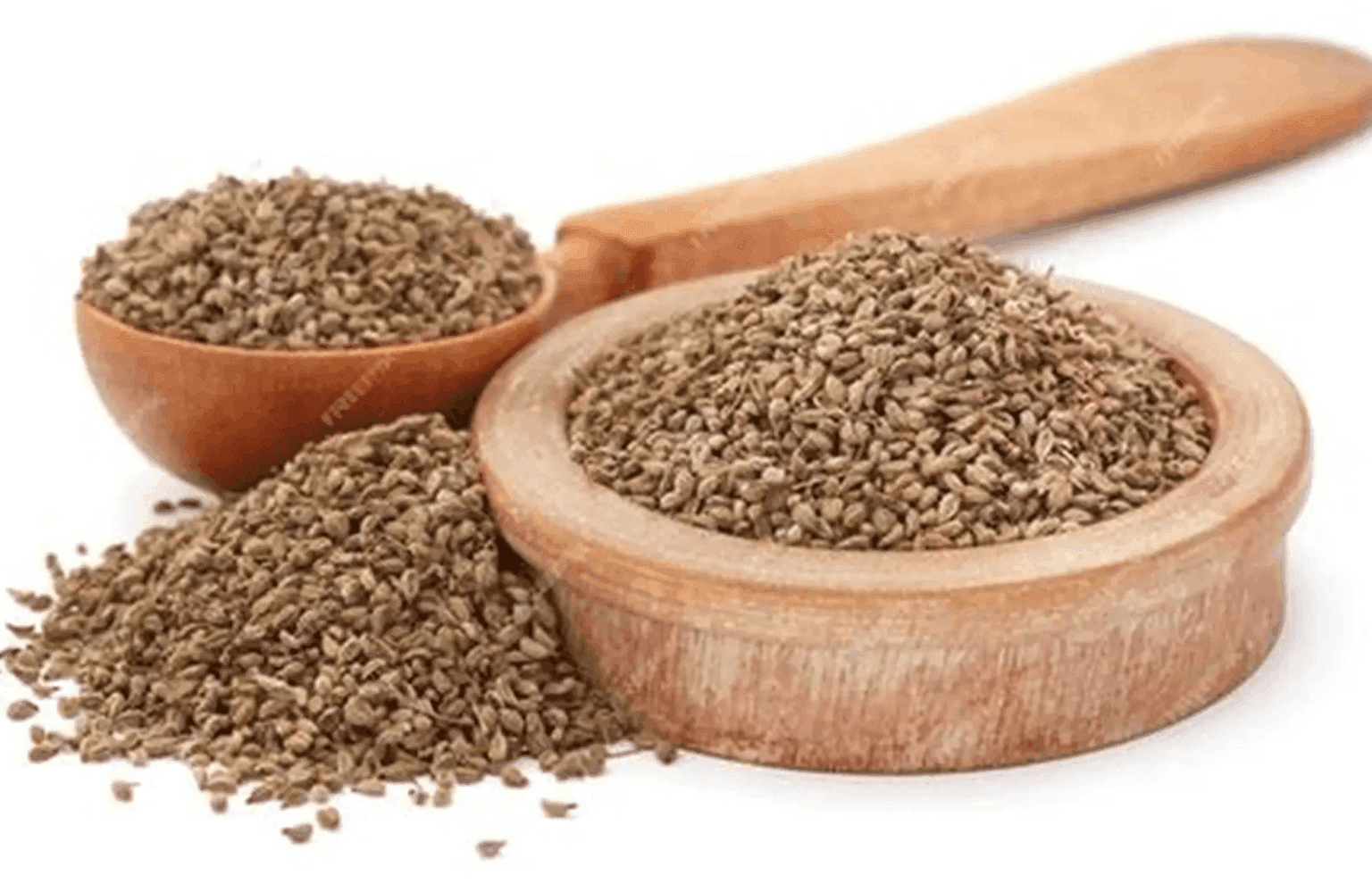
Ajwain consists of the dried fruits of an annual, erect herb that grows up to 90 cm tall. It is cultivated throughout India. The fruits are greyish-brown, ovoid, and compressed, with a characteristic strong odor reminiscent of thyme due to the presence of essential oils. In Ayurveda, it is highly regarded for its ability to kindle the digestive fire (Agni) and remove metabolic toxins (Ama).
3. Source / Part Used
- Plant Source: Herbal (Plant-based).
- Part Used: Dried Fruit (Phala).
4. Ayurvedic Properties
Ayurveda classifies herbs based on their taste, quality, potency, and post-digestive effect. Ajwain possesses the following properties:
- Rasa (Taste): Pungent (Katu) and Bitter (Tikta).
- Guna (Qualities): Light (Laghu), Dry (Ruksha), and Sharp/Penetrating (Tikshna).
- Virya (Potency): Hot (Ushna).
- Vipaka (Post-digestive effect): Pungent (Katu).
- Dosha Effect: Due to its hot and sharp nature, it effectively balances Vata (wind) and Kapha (phlegm) doshas, though it may aggravate Pitta (heat) if taken in excess.
5. Key Benefits
- Supports Digestion: Acts as a powerful appetizer (Dipana) and digestive (Pacana).
- Relieves Pain: Specifically indicated for relieving colic and intestinal pain (Sulahara).
- Reduces Bloating: Helps in moving the wind downwards (Anulomana), relieving gas and distension.
- Fights Worms: Acts as an anthelmintic agent (Krmighna), helping to expel intestinal worms.
- Enhances Taste: Improves appetite and taste (Rucya).
6. Uses / Indications
Ajwain is indicated in Ayurveda for the following specific conditions:
- Sula: Colic or abdominal pain.
- Adhmana: Flatulence with gurgling sound.
- Anaha: Abdominal distension due to obstruction.
- Gulma: Abdominal lumps or tumors (often due to aggravated Vata).
- Krimiroga: Worm infestations.
- Udararoga: Abdominal diseases, including ascites.
7. How It Works
Ajwain works through its Ushna (hot) and Tikshna (sharp) qualities to break down Ama (metabolic toxins) and stimulate Agni (digestive fire). Its Anulomana action ensures the proper downward movement of Vata dosha, which is essential for relieving gas, bloating, and constipation. The presence of volatile oils contributes to its carminative and antimicrobial (worm-killing) actions.
8. Dosage
The general dosage recommended in the Ayurvedic Pharmacopoeia of India is:
- Powder (Churna): 3 to 6 grams.
- Formulations: It is a key ingredient in formulations like Yavani Shadava and Hingvastaka Churna.
9. Safety Information
Ajwain is generally considered safe when taken in the recommended dosage as a medicine or spice. It is a standard ingredient in many classical Ayurvedic formulations intended for digestive disorders.
10. Side Effects
- Due to its Hot (Ushna) potency and Sharp (Tikshna) quality, excessive consumption may cause a burning sensation or aggravate conditions related to high heat (Pitta) in the body.
- Mild stomach irritation may occur if taken on an empty stomach without a vehicle like water or buttermilk.
11. Precautions
- Pitta Disorders: People suffering from hyperacidity, burning sensation, or bleeding disorders should use Ajwain with caution due to its hot nature.
- Pregnancy: While culinary use is common, medicinal doses should be monitored by an Ayurvedic physician.
- Consultation: Always consult an Ayurvedic physician for specific therapeutic guidance.
12. Storage Instructions
- Store in a cool, dry place.
- Keep away from direct sunlight to preserve the volatile oils (thymol) responsible for its aroma and efficacy.
- Keep in an air-tight container.
13. References
-
Encyclopaedia Britannica – Ajwain (Trachyspermum ammi)
Botanical details and traditional uses.
https://www.britannica.com/plant/ajwain -
Kew Science – Plants of the World Online (POWO)
Taxonomic information and classification.
https://powo.science.kew.org/taxon/urn:lsid:ipni.org:names:847496-1 -
The Ayurvedic Pharmacopoeia of India (API) – Ministry of AYUSH
Official monograph of Yavani (Ajwain).
https://www.ayush.gov.in -
Indian Medicinal Plants – A Compendium of 500 Species
Warrier, P.K., Nambiar, V.P.K., & Ramankutty, C. -
Indian Materia Medica – Nadkarni, K.M.
https://archive.org/details/IndianMateriaMedica -
Database on Medicinal Plants Used in Ayurveda (CCRAS)
https://www.ccras.nic.in -
WHO Monographs on Selected Medicinal Plants
https://www.who.int
14. FAQs
Q: Can Ajwain be taken daily?
A: Yes, in small culinary quantities, it supports digestion. For medicinal doses (3-6 g), it is used to treat specific conditions like bloating or worms.
Q: When should it be taken?
A: It is typically taken after meals to aid digestion (Pacana) or as directed for conditions like gas and colic.
Q: Can it be taken with milk/water?
A: Yes, Ajwain powder is often taken with warm water to relieve abdominal pain and gas. In specific formulations like Hingvastaka Churna (containing Ajwain), it is often taken with ghee or warm water.
Consult a Doctor
- SJ3.9SUMEDH JOSHI
Ayurveda7 yrs exp
- VH3.9Vaidya Harsh
Ayurveda9 yrs exp
- S4.5Dr. Shan
Ayurveda4 yrs exp
- GG3.0Dr GN Govinda
Ayurveda1 yrs exp