

Cholera
Reviewed by medical experts · For informational purposes only
Introductory summary
Cholera corresponds to the Ayurvedic disease Visuchika defined by pricking pain resembling needles along with vomiting and diarrhea. It arises from Ajirna or indigestion leading to the formation of Ama and the aggravation of Vata dosha which blocks body channels. Symptoms include thirst cramps fainting and burning sensations. Ayurvedic treatment prioritizes Langhana or fasting to clear toxins followed by the use of digestive and carminative formulations. Medicines like Karpurasava Lavana Kshara and preparations containing Ajwain satva are specifically indicated to manage the gastroenteritis and pain associated with this condition while restoring the digestive fire.
Cholera
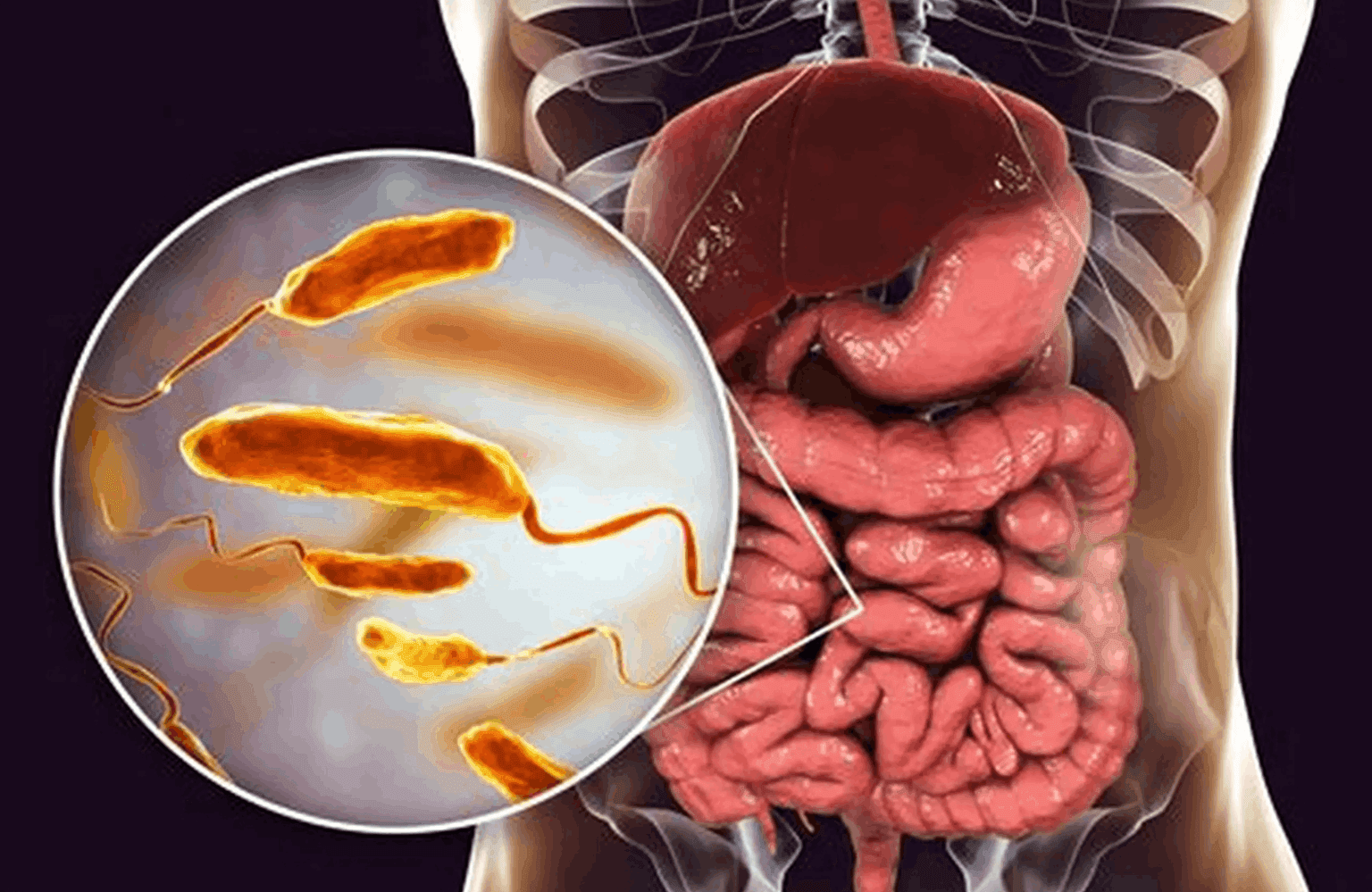
Cholera is an acute diarrheal illness caused by infection of the intestine. In Ayurveda, the clinical presentation of Cholera—characterized by simultaneous severe vomiting and diarrhea accompanied by piercing pain—is described as Visuchika. It is considered a severe form of digestive disorder (Ajirna) resulting from the accumulation of undigested toxins (Ama) and the vitiation of the Vata dosha.
1. Definition
Modern Definition: An acute diarrheal illness caused by infection of the intestine with Vibrio cholerae bacteria, often characterized by watery diarrhea, vomiting and leg cramps.
Ayurvedic Definition: Visuchika is a condition caused by Ajirna (indigestion) where the vitiated Vata dosha causes severe pricking pain in the body, resembling the sensation of being pricked by needles (Suchi). It involves the expulsion of undigested food matter (Ama) through both the upward (vomiting) and downward (diarrhea) routes.
2. Etymology & Conceptual Meaning
- Literal Meaning: The term Visuchika is derived from the root word Suchi, meaning "needle."
- Conceptual Interpretation: The disease is named Visuchika because the aggravated Vata dosha permeates the body and produces severe pain in the limbs and abdomen that feels like being pricked by needles. It is conceptually linked to Ama (metabolic toxins) leading to a blockage in the channels (Srotas) followed by a violent expulsion of fluids.
3. Causes (Nidana)
The primary causes are rooted in dietary indiscretions that extinguish the digestive fire (Agni).
- Dietary Causes:
- Ajirna (Indigestion): Eating food when the previous meal has not yet been digested (Adhyashana).
- Viruddha Ahara: Consumption of incompatible food combinations (e.g., fish with milk).
- Mithya Ahara: Eating excessive heavy, greasy, or cold foods.
- Lifestyle Causes:
- Vegadharana: Suppression of natural urges.
- Sleep habits: Sleeping during the day or staying awake late at night, which disturbs digestion.
- Epidemic Factors:
- Polluted air and water (Janapadodhvamsa) are cited in Charaka Samhita as causes for widespread diseases affecting communities.
4. Journey of the Disease (Pathogenesis/Samprapti)
- Samprapti Ghataka (Components):
- Dosha: Primarily Vata (responsible for pain and movement), associated with Kapha and Pitta.
- Dushya (Tissues): Rasa (plasma) and Annavaha Srotas (digestive tract).
- Agni: Extremely impaired (Mandagni).
- Ama: Excessive accumulation of undigested food toxins.
- Pathogenesis:
- Due to the intake of excessive or incompatible food, the digestive fire (Agni) is extinguished.
- The food remains undigested and turns into Ama (toxins).
- This Ama ferments and aggravates Vata dosha.
- The aggravated Vayu, blocked by Ama, moves violently in upward and downward directions.
- This leads to the simultaneous expulsion of undigested matter through vomiting (Chardi) and diarrhea (Atisara), accompanied by severe "needle-prick" pain (Visuchika).
5. Symptoms (Lakshana)
- Cardinal Symptoms:
- Associated Symptoms:
- Murcha: Fainting or loss of consciousness.
- Udveshtana: Severe cramps, particularly in the calf muscles.
- Trishna: Excessive thirst due to fluid loss.
- Daha: Burning sensation.
- Vaivarnya: Discoloration of the body (often dark or bluish due to poor circulation).
- Hrid-ruja: Pain in the cardiac region.
- Kampa: Tremors or shivering.
6. Different Types or Classification (Bheda)
While Visuchika is a specific entity, it is often discussed alongside related conditions of severe indigestion:
- Visuchika: Characterized by expulsion (Vomiting/Diarrhea) and piercing pain.
- Alasaka: A condition where the undigested food stays stagnant in the abdomen, causing severe distension and gurgling, but is not expelled upwards or downwards.
- Vilambika: A chronic state where food is neither digested nor expelled properly, often caused by Kapha and Vata accumulation.
7. Diagnosis
- Ayurvedic Diagnosis (Roga Pariksha):
- Darshana (Observation): Observing the sunken eyes, discoloration of nails/lips (Shyava varna), and signs of dehydration.
- Sparshana (Touch): The body may feel cold (Shita) due to loss of Agni and Ojas.
- Prashna (Questioning): History of dietary indiscretion or eating incompatible foods.
- Differential Diagnosis:
- Must be distinguished from simple Atisara (Diarrhea) where vomiting and severe cramping pain may not be present.
8. Disease Management
The line of treatment focuses on Langhana (Fasting), removing the blockage, and restoring digestive fire.
Procedures & Therapies
- Langhana (Fasting): In the initial stage, if the patient is strong, fasting is recommended to allow the Ama to be digested. However, in severe dehydration, this must be balanced with fluid replenishment.
- Swedana (Fomentation): Applying dry heat to the abdomen and limbs to pacify Vata and relieve cramps (Udveshtana).
- Cauterization (Daha): In severe cases where the patient collapses with cold extremities and severe cramping, ancient texts mention applying heat (branding) to the heels (Parshni) to restore consciousness and heat.
Medicines
- Sanjivani Vati: A famous tablet used for Visuchika and Ajirna. It combats Ama and acts as an antitoxic agent.
- Lasunadi Vati: Contains garlic (Lasuna), cumin, and sulphur. It is specifically indicated for Visuchika and gastro-enteritis with piercing pain to pacify Vata.
- Bilvadi Gutika: Used for Visuchika and toxic conditions (Gara Visha) to neutralize toxins.
- Karpura (Camphor): Often used in formulations (like Karpura rasa) for its stimulating and anti-spasmodic properties in states of collapse.
- Hinguvachadi Churna: Helps in relieving abdominal pain (Shula) and distension associated with Vata blockage.
Diet (Ahara)
- Peya (Thin Gruel): Once the active vomiting/diarrhea stops and appetite returns, thin rice gruel mixed with digestive spices (like ginger) is given to restore Agni.
- Avoid: Heavy, solid foods, dairy, and oily foods until complete recovery.
9. Prognosis
- Sadhya (Curable): If the patient retains body heat, has a clear voice, and the senses are intact, the condition is treatable.
- Asadhya (Incurable/Fatal Signs): The prognosis is poor if the patient exhibits "fatal signs" (Arishta) such as:
- Blackish discoloration of teeth, nails, and lips (Shyava varna).
- Sunken eyes and deep hollows in the body.
- Loss of consciousness (Murcha) and extreme coldness of the body.
- Weak voice (Kshama swara) and loose joints.
10. Modern Correlations
- Cholera: The symptoms of Visuchika (profuse vomiting/diarrhea, cramps, collapse) perfectly match the clinical picture of Cholera.
- Acute Gastroenteritis: Can also be correlated with severe viral or bacterial gastroenteritis.
- Dehydration and Electrolyte Imbalance: The symptoms of Udveshtana (cramps) and Murcha (fainting) correlate with severe dehydration and loss of electrolytes.
11. References
-
World Health Organization (WHO) – Cholera
Covers causes, transmission, symptoms, outbreaks, prevention, and vaccines
🔗 https://www.who.int/news-room/fact-sheets/detail/cholera
-
Centers for Disease Control and Prevention (CDC) – Cholera
Clinical features, diagnosis, treatment, and global risk information
🔗 https://www.cdc.gov/cholera
-
UNICEF – Cholera Information
Focus on water sanitation, hygiene (WASH), and public health prevention
🔗 https://www.unicef.org/health/cholera
-
MedlinePlus (U.S. National Library of Medicine) – Cholera
Patient-friendly medical overview
🔗 https://medlineplus.gov/cholera.html
-
Mayo Clinic – Cholera: Symptoms and causes
Clear explanation of disease progression and complications
🔗 https://www.mayoclinic.org/diseases-conditions/cholera/symptoms-causes
-
Ministry of Health & Family Welfare (MoHFW), India
National guidelines on diarrheal diseases including cholera
🔗 https://www.mohfw.gov.in
-
राष्ट्रीय स्वास्थ्य पोर्टल (National Health Portal – India)
हैजा (Cholera) – कारण, लक्षण, उपचार और बचाव
🔗 https://www.nhp.gov.in/disease/communicable-disease/cholera12. FAQ Section
Q: Why is it called "Needle Pricking" disease in Ayurveda?
A: It is named Visuchika (Suchi = Needle) because the aggravated Vata dosha causes intense pain in the limbs and abdomen that feels exactly like being pricked by needles.
Q: Can I eat during a Cholera (Visuchika) attack?
A: No. Ayurveda strictly recommends Langhana (fasting) initially to allow the digestive system to clear the toxins (Ama). Food should only be reintroduced gradually, starting with very light liquids like thin rice gruel (Peya), once the vomiting stops and hunger returns.
Q: Is garlic good for Cholera?
A: Yes. Ayurvedic texts recommend Lasuna (Garlic) in formulations like Lasunadi Vati to treat Visuchika. It helps reduce pain, pacify Vata, and kill intestinal microbes.
Q: What are the signs of danger in Visuchika?
A: If the patient's lips, nails, or teeth turn blackish/blue (cyanosis), the body becomes very cold, or they lose consciousness, Ayurveda considers these as fatal signs (Arishta) requiring emergency care.
Consult a Doctor
- AB4.5Dr. Atul Bharadava
Ayurveda4 yrs exp
- SR4.2Dr SIVANEETH R
Ayurveda1 yrs exp
- PS5.0Dr. Punit Sharma
Ayurveda8 yrs exp
- AI4.9Dr. Aayush Ishwar
Ayurveda2 yrs exp