Reflux disease
Reviewed by medical experts · For informational purposes only
Introductory summary
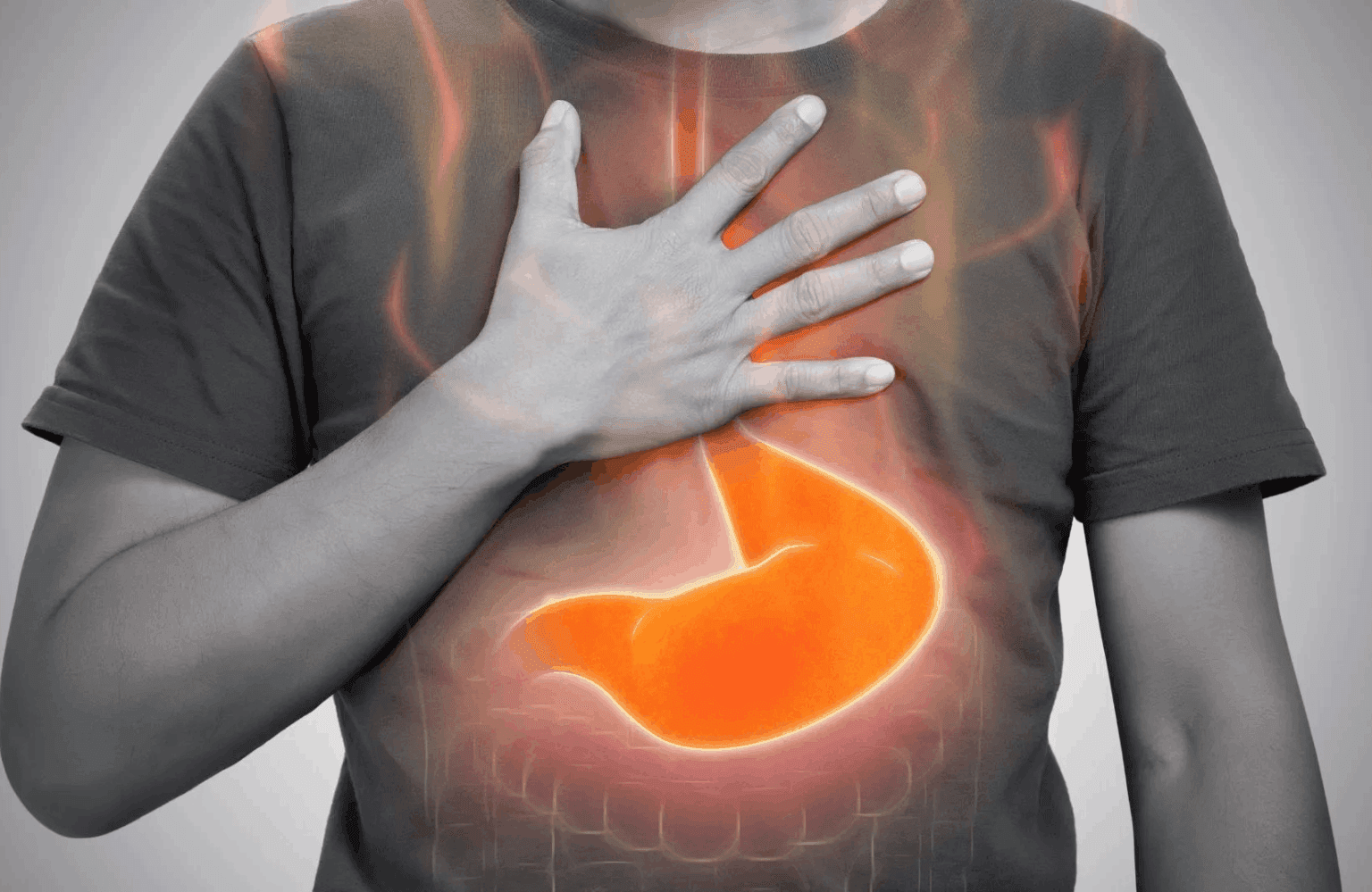
Reflux disease corresponds to the Ayurvedic condition Amlapitta signifying a state where the Pitta dosha becomes excessively sour and liquid. This vitiation is primarily caused by irregular eating habits and the consumption of incompatible or spicy foods which disrupt the digestive fire leading to acid indigestion known as Vidagdha Ajirna. Clinical features include intense burning sensations in the chest and throat accompanied by sour or bitter belching and nausea. Ayurveda classifies the disease based on the direction of the reflux into Urdhwaga or upward and Adhoga or downward types. Management focuses on expelling acidic toxins through Panchakarma therapies specifically Vamana for upward reflux and Virechana for downward cases. Treatment also employs cooling remedies like Narikela Khanda and a diet rich in barley and cow milk.
Reflux Disease
Reflux Disease, often corresponding to Gastroesophageal Reflux Disease (GERD) or Acid Gastritis, is a digestive disorder where stomach acid or bile irritates the food pipe lining. In Ayurveda, this condition is known as Amlapitta. It is a state where the Pitta Dosha (fire element) increases in quantity and liquidity, losing its natural pungent taste and becoming sour (Amla), leading to burning sensations and indigestion.
1. Definition
Modern Definition: A digestive disease in which stomach acid or bile irritates the food pipe lining, causing heartburn and acid regurgitation.
Ayurvedic Definition: Amlapitta is a condition where the digestion of food leads to a sour reaction (Vidagdha) rather than a healthy transformation. It is characterized by the vitiation of Pitta with increased sourness (Amlatva) and liquid quality (Dravatva), causing outflow of acid upwards or downwards.
2. Etymology & Conceptual Meaning
- Amla: Means "Sour."
- Pitta: Refers to the bio-energy of heat/metabolism.
- Conceptual Interpretation: Normally, Pitta has a pungent (Katu) taste. However, due to weak digestive fire (Mandagni) and improper food, the food ferments (Vidagdha). This fermentation causes the Pitta to become sour. Therefore, the condition where "Pitta becomes sour" is called Amlapitta.
3. Causes (Nidana)
The primary causes involve dietary habits that aggravate Pitta and create toxins (Ama).
- Dietary Causes:
- Viruddha Ahara: Incompatible food combinations, such as taking milk with fish or sour fruits.
- Pitta-Aggravating Foods: Excessive intake of spicy, sour (Amla), and burning (Vidahi) foods.
- Specific Foods: Horse gram (Kulattha) and Black gram (Masha) are specifically mentioned as causing acidity.
- Lifestyle Causes:
- Adhyashana: Eating a meal before the previous meal has been fully digested.
- Vegadharana: Suppression of natural urges.
- Divaswapna: Sleeping during the day, which disrupts digestion.
- Psychological Factors:
- Mental stress factors like anger (Krodha) and grief (Shoka) are cited as direct aggravators of Pitta and internal heat.
4. Journey of the Disease (Pathogenesis/Samprapti)
- Samprapti Ghataka (Components):
- Dosha: Pitta (Liquid/Sour form) and Kapha (in the early accumulation stage).
- Dushya (Tissues): Rasa (Nutrient plasma) and Rakta (Blood).
- Srotas (Channels): Annavaha Srotas (Food carrying channel).
- Agni: Mandagni (Weak digestive fire) leading to Vidagdha Ajirna (Acid indigestion).
- Adhisthana (Site): Amasaya (Stomach).
- Pathogenesis:
- Due to irregular eating or incompatible foods, the digestive fire (Agni) becomes weak.
- The food is not digested properly and turns sour (Shuktapaka).
- This sourness aggravates Pitta, increasing its liquid property.
- This vitiated Pitta accumulates in the stomach and rises upward (Urdhwaga) or moves downward (Adhoga), causing burning and discomfort.
5. Symptoms (Lakshana)
- Early Symptoms:
- Avipaka: Indigestion.
- Klama: Fatigue without exertion.
- Utklesha: Nausea.
- Advanced Symptoms:
- Tikta-Amla Udgara: Sour and bitter belching.
- Hrit-Kantha Daha: Intense burning sensation in the heart (chest) and throat.
- Gaurava: Heaviness in the body.
- Aruchi: Loss of taste/appetite.
6. Different Types or Classification (Bheda)
Madhava Nidana classifies Amlapitta primarily by the direction of the reflux:
- Urdhwaga Amlapitta (Upward Reflux):
- Adhoga Amlapitta (Downward Reflux):
- Characterized by diarrhea, thirst, burning sensation, fainting, and giddiness. The impurities move downward into the intestines.
7. Diagnosis
- Ayurvedic Diagnosis (Roga Pariksha):
- Prashna (Questioning): Checking for history of incompatible foods (Viruddha Ahara) and timing of meals relative to hunger.
- Linga (Symptoms): confirming the presence of "burning" (Daha) and "sourness" (Amla).
- Upashaya (Trial): Symptoms worsen with hot/spicy foods and improve with cooling/sweet foods.
- Differential Diagnosis:
- Distinguished from Hridroga (Heart Disease) which involves pain but not necessarily sour regurgitation.
- Distinguished from Chardi (Vomiting) which is a reflex action, whereas Urdhwaga Amlapitta involves chronic burning and sourness.
8. Disease Management
The principle of treatment is to remove the acidic toxins (Shodhana) and then pacify Pitta (Shamana).
Diet (Ahara)
- Pathya (Beneficial):
- Barley (Yava) and Wheat (Godhuma): Light and easy to digest.
- Vegetables: Pointed gourd (Patola), Bitter gourd (Karavellaka), and old rice are recommended.
- Proteins: Green gram (Mudga) soup.
- Drinks: Warm water or water processed with cooling herbs.
- Milk: Cow's milk is cooling and reduces acidity (in non-acute stages).
- Apathya (Avoid): New rice, sesame, black gram (Masha), horse gram (Kulattha), sheep milk, and alcohol.
Medicines (from Chakradatta and other texts)
- Khanda Kushmanda (Avaleha): A sweet confection made of Ash Gourd (Kushmanda). It is highly praised for curing Amlapitta, burning sensations, and thirst.
- Narikelakhanda: A preparation of coconut, mustard seeds, and spices. It specifically destroys Amlapitta and colic (Shula).
- Dhatri Lauha: A combination of Iron (Lauha) and Amla (Dhatri), used to cure colic and acidity associated with meals.
- Avipattikara Yoga: Implied by the use of Trivrit (Operculina turpethum) and sugar for purgation in Pitta disorders.
- Yava Kshara: Alkali preparation of barley used for cleansing the stomach channels.
Panchakarma
- Vamana (Emesis): The first line of treatment for Urdhwaga Amlapitta (Upward reflux). Since the acid is in the stomach (Amasaya), mild vomiting is induced using Patola and Nimba water to expel the vitiated Pitta and Kapha.
- Virechana (Purgation): The treatment for Adhoga Amlapitta (Downward) or chronic cases. It eliminates Pitta from its root site (small intestine) using herbs like Trivrit.
- Basti (Enema): Sweet and unctuous enemas (Anuvasana) are used if the disease becomes chronic and affects the colon.
9. Prognosis
- Sadhya (Curable): If the disease is recent (Nutana) and the patient follows a strict diet, it is curable.
- Yapya (Manageable): Chronic cases (Chirotthita) or those involving multiple Doshas may only be manageable and require lifelong dietary restrictions.
- Krichrasadhya (Difficult): If the patient is weak or if the disease has caused severe depletion of tissues (Dhatukshaya).
10. Modern Correlations
- Gastritis/GERD: Amlapitta correlates directly with Gastritis and Gastroesophageal Reflux Disease. The symptom Tikta-Amla Udgara (sour/bitter belching) is identical to acid reflux.
- Peptic Ulcer: Parinama Shula (Digestive Colic), often associated with Amlapitta, correlates with peptic or duodenal ulcers where pain is linked to the digestion process.
11. References
-
Mayo Clinic – GERD (Acid Reflux)
https://www.mayoclinic.org/diseases-conditions/gerd/symptoms-causes/syc-20361940
Comprehensive explanation of acid reflux, GERD symptoms, causes, complications, and treatment.
-
Cleveland Clinic – GERD
https://my.clevelandclinic.org/health/diseases/9170-gerd
Detailed overview including diagnosis, lifestyle changes, medications, and when surgery is needed.
-
Johns Hopkins Medicine – GERD
https://www.hopkinsmedicine.org/health/conditions-and-diseases/gastroesophageal-reflux-disease-gerd
Trusted academic reference on reflux disease and esophageal damage.
-
NIH – MedlinePlus: GERD
https://medlineplus.gov/gerd.html
Patient-friendly, evidence-based information by the U.S. National Library of Medicine.
-
Tata 1mg Hindi – एसिड रिफ्लक्स / GERD
https://www.1mg.com/hi/diseases/gastroesophageal-reflux-disease-gerd-357
Hindi explanation of causes, symptoms, diagnosis, and medicines.
-
NDTV Health Hindi – एसिड रिफ्लक्स के लक्षण और इलाज
https://www.ndtv.in/health/acid-reflux-symptoms-causes-treatment-in-hindi
Easy Hindi article explaining acid reflux, heartburn, and dietary precautions.
-
OnlyMyHealth Hindi – GERD (एसिडिटी की समस्या)
https://www.onlymyhealth.com/acid-reflux-gerd-in-hindi
Lifestyle tips, symptoms, and prevention explained in Hindi.
12. FAQ Section
Q: Is milk good for acid reflux in Ayurveda?
A: Yes, generally. Cow's milk is considered cooling and Pitta-pacifying. It can relieve the burning sensation of Amlapitta. However, sheep's milk should be avoided as it can aggravate Pitta.
Q: Why does Ayurveda recommend vomiting (Vamana) for acidity?
A: In Urdhwaga Amlapitta (upward reflux), the stomach is filled with sour, liquid Pitta and mucus (Kapha). Ayurveda believes in expelling these toxins directly through the nearest route (the mouth) via mild medicinal vomiting (Vamana) rather than suppressing them with antacids.
Q: Can stress cause reflux according to Ayurveda?
A: Yes. Ayurveda explicitly states that Krodha (anger) and Shoka (grief) aggravate Pitta and heat in the body, which can disturb digestion and lead to acidity.
Q: What is the best home remedy for heartburn mentioned in the texts?
A: Chakradatta mentions formulations involving Coconut (Narikela) and Amla (Dhatri) as excellent for soothing the burning sensation and colic associated with acidity.
Consult a Doctor
- SP4.5Dr Sreelekha P Nair
Ayurveda6 yrs exp
- SJ3.9SUMEDH JOSHI
Ayurveda7 yrs exp
- VH3.9Vaidya Harsh
Ayurveda9 yrs exp
- GG3.0Dr GN Govinda
Ayurveda1 yrs exp
Buy Medicine
 Prescribed to you4.5₹16 cashback
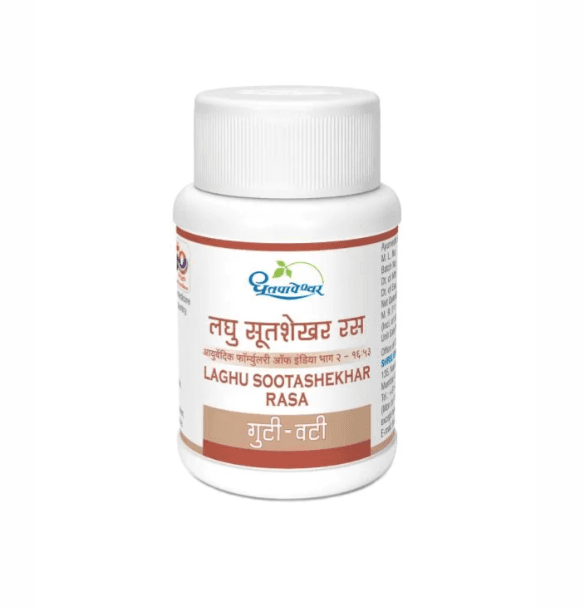
Laghu Sootashekhar Rasa (Dhootapapeshwar) SDL
SDLSupports Pitta-related comfort
Strip of 60 Tablets
4.5
₹163Get ₹16 Cashback