GERD
Reviewed by medical experts · For informational purposes only
Introductory summary
GERD correlates with the Ayurvedic condition Amlapitta where Pitta dosha becomes excessively sour and liquid. It manifests as Urdhwaga Amlapitta characterized by heartburn sour belching known as Tikta Amla Udgara and indigestion. The root causes include consuming incompatible foods or Viruddha Ahara and eating before the previous meal is digested. Ayurveda views this as a displacement of Pitta from its natural seat requiring the expulsion of toxic acid through Vamana or therapeutic emesis. Management involves cooling palliative remedies using herbs like Amalaki and Patola along with preparations like Narikela Khanda. Avoiding triggers such as sour curd heavy foods and alcohol is essential to restore the digestive fire and prevent recurrence.
Gastroesophageal Reflux Disease
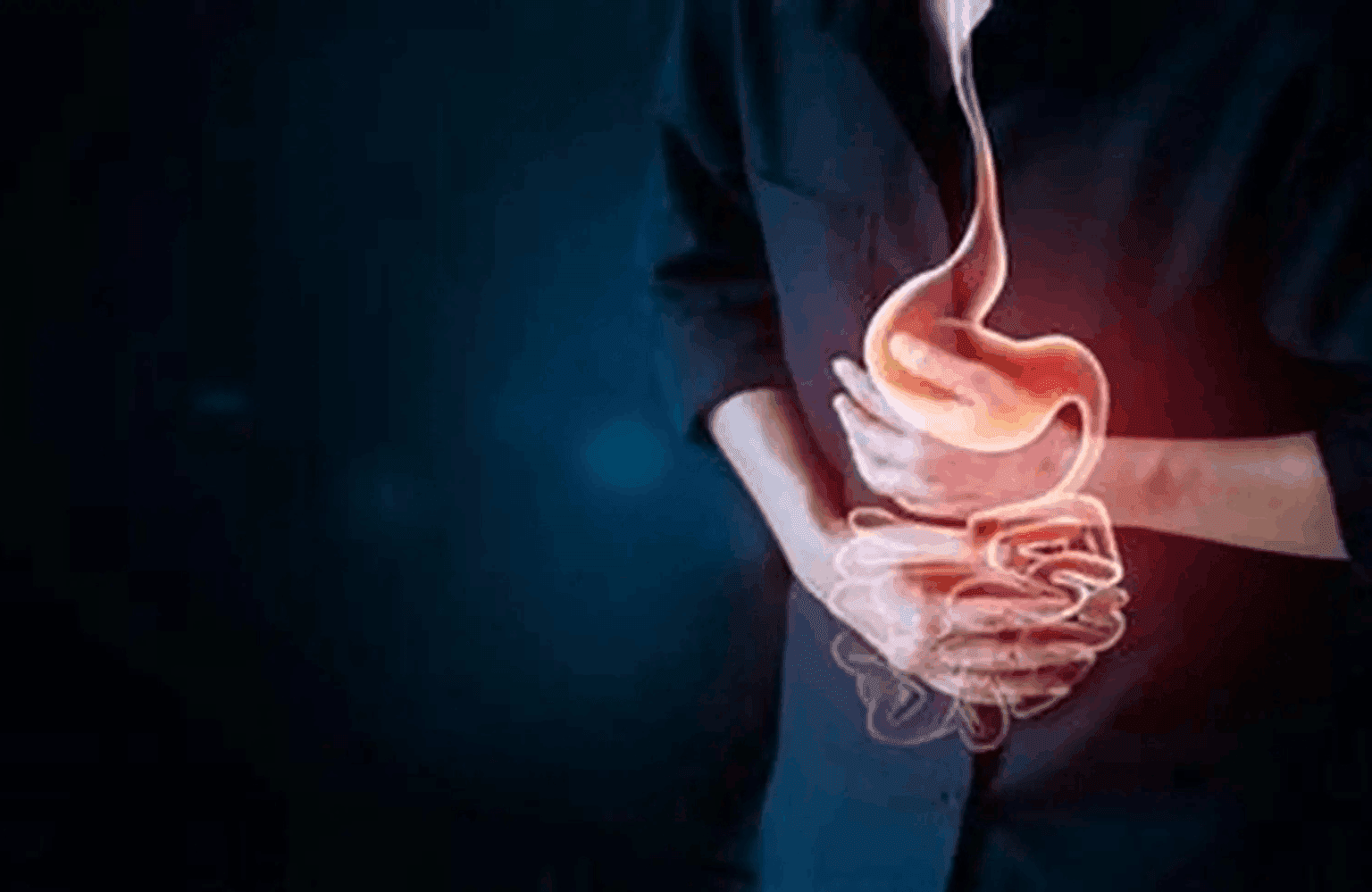
Gastroesophageal Reflux Disease (GERD) is a digestive disorder where stomach acid or bile irritates the food pipe lining. In Ayurveda, this condition correlates with Amlapitta (Hyperacidity/Acid Gastritis). It is a condition where the Pitta dosha (bio-energy of heat and metabolism) attains a pathological sourness (Amla) and increased liquidity, causing burning sensations and indigestion. It is considered a disease of the Annavaha Srotas (digestive channels) involving the stomach (Amasaya).
1. Definition
Modern Definition: A chronic condition where stomach contents flow back into the esophagus, causing heartburn and mucosal damage.
Ayurvedic Definition: Amlapitta is a disease characterized by the aggravation of Pitta dosha which acquires an excessive sour taste (Amla). This leads to symptoms such as Avipaka (indigestion), Hrit-Kantha Daha (burning sensation in the heart and throat), and Tikta-Amla Udgara (bitter and sour belching).
2. Etymology & Conceptual Meaning
- Literal Meaning:
- Conceptual Interpretation: According to Madhava Nidana, when the digestive fire (Agni) is weak (Mandagni), food is not digested properly and turns into Ama (toxins). This ferments and vitiates Pitta, increasing its liquid quality (Drava Guna). This acidic fluid then moves upwards (Urdhwaga), causing burning in the chest and throat.
3. Causes (Nidana)
- Dietary Causes:
- Viruddha Ahara: Consuming incompatible food combinations.
- Dushta Bhojana: Eating spoiled or contaminated food.
- Pitta-Aggravating Foods: Excess intake of sour (Amla), salty, and pungent foods such as Masha, Kulata, and curd (Dadhi).
- Lifestyle Causes:
- Vega Dharana
- Adhyashana
- Psychological Factors: Mental stress and anxiety disturbing Agni.
4. Journey of the Disease (Pathogenesis/Samprapti)
- Samprapti Ghataka:
- Dosha: Pitta (Pachaka Pitta) with Kapha and Vata association.
- Dushya: Rasa.
- Srotas: Annavaha Srotas.
- Agni: Jatharagni Mandya.
- Adhisthana: Amasaya.
- Pathogenesis: Sour, liquid Pitta ferments food (Vidaha) and moves upward causing Urdhwaga Amlapitta.
5. Symptoms (Lakshana)
6. Classification (Bheda)
Madhava Nidana classifies Amlapitta primarily by the direction of the reflux:
- **Urdhwaga Amlapitta : **Characterized by vomiting, acid reflux, and burning in the upper body. This correlates directly with GERD.
- Adhoga Amlapitta (Downward Moving): Characterized by diarrhea, thirst, and burning sensation in the lower tract (correlating more with enteritis or lower GI acidity).
7. Diagnosis
• Ayurvedic Diagnosis (Roga Pariksha):
◦ Prashna (Interrogation): Inquiring about the taste of eructations (sour/bitter) and the timing of burning sensations (usually during digestion of food - Vidagdha state).
◦ Lakshana (Symptoms): The presence of Hrit-daha (heartburn) is a definitive sign.
• Differential Diagnosis:
◦ Parinama Shula: Gastric ulcer/pain that occurs specifically during the digestion of food.
◦ Annadrava Shula: Pain that is constant and relieved or aggravated by food intake, often requiring vomiting for relief.
8. Disease Management
Diet (Ahara)
Medicines
- Patoladi Kwatha
- Khanda Kushmanda
- Narikela Khanda
- Guggulutiktaka Ghrita
Panchakarma
- Vamana
- Virechana
9. Prognosis
• Curable (Sadhya): If the disease is of recent origin (Nutana) and the patient follows a strict diet, it is easily curable.
• Manageable/Difficult (Yapya/Krichra): If the condition becomes chronic (Chirotthita), it becomes difficult to cure and requires lifelong dietary management.
10. Modern Correlations
• Similarities:
◦ Symptoms: The Ayurvedic description of Tikta-Amla Udgara (sour belching) and Hrit-Kantha Daha (burning heart/throat) is identical to the clinical presentation of Heartburn and Regurgitation in GERD.
◦ Treatment Principle: Both systems advise avoiding spicy/sour foods and eating smaller meals.
• Differences: Modern medicine typically uses proton pump inhibitors (PPIs) to suppress acid. Ayurveda aims to expel the "bad" acid (Vamana) and then strengthen the digestive fire (Agni) using bitter and cooling herbs.
11. References
-
Gastroesophageal Reflux Disease (GERD), known in Hindi as गैस्ट्रोइसोफेजियल रिफ्लक्स रोग / अम्लपित्त, is widely discussed in authoritative medical literature. The World Health Organization provides general guidance on digestive diseases and lifestyle-related risk factors at https://www.who.int.
-
The American College of Gastroenterology clinical guidelines on GERD diagnosis and management are available at https://gi.org/guidelines/acid-reflux.
-
A detailed review on GERD pathophysiology and complications is published in The New England Journal of Medicine: https://www.nejm.org.
Global epidemiology and burden of GERD are discussed in the journal Gut at https://gut.bmj.com.
-
The World Gastroenterology Organisation Global Guidelines on GERD can be accessed at https://www.worldgastroenterology.org.
-
Evidence-based treatment reviews are also available through PubMed at https://pubmed.ncbi.nlm.nih.gov.
12. FAQ Section
Q: What is the main cause of acidity according to Ayurveda?
A: The main cause is the aggravation of Pitta dosha due to eating incompatible foods (Viruddha Ahara), such as mixing milk with sour fruits or fish, and consuming excessive sour, salty, and spicy foods.
Q: Is vomiting good for GERD?
A: In Ayurveda, therapeutic vomiting (Vamana) is considered the best treatment for Urdhwaga Amlapitta (upward-moving acidity). It physically removes the accumulated sour Pitta and mucus from the stomach, providing long-term relief. Note: This should only be done under the supervision of an Ayurvedic physician.
Q: Which Ayurvedic herbs help with burning sensation?
A: Bitter and cooling herbs are best. Patola (Pointed gourd), Nimba (Neem), Amalaki (Indian Gooseberry), and preparations like Narikela Khanda (Coconut confection) are highly effective in soothing the burning sensation.
Q: Can I eat curd (yogurt) if I have GERD?
A: No. According to Ayurvedic texts, curd (Dadhi) is heating and causes fermentation (Vidahi), which aggravates Pitta and worsens Amlapitta. It should be avoided, especially at night.
Q: Is there a cure for chronic acidity?
A: Madhava Nidana states that if the condition is recent, it is easily curable. However, if it becomes chronic (Chirotthita), it becomes difficult to cure (Yapya) and requires strict, lifelong adherence to dietary rules.
Consult a Doctor
- MS4.2Midun s kumar
Ayurveda4 yrs exp
- SP4.5Dr Sreelekha P Nair
Ayurveda6 yrs exp
- VR4.2Vaidya Rohit Kumar
Ayurveda3 yrs exp
- V4.1Vairamuthu
Ayurveda8 yrs exp
Buy Medicine
 Prescribed to you4.5₹16 cashback
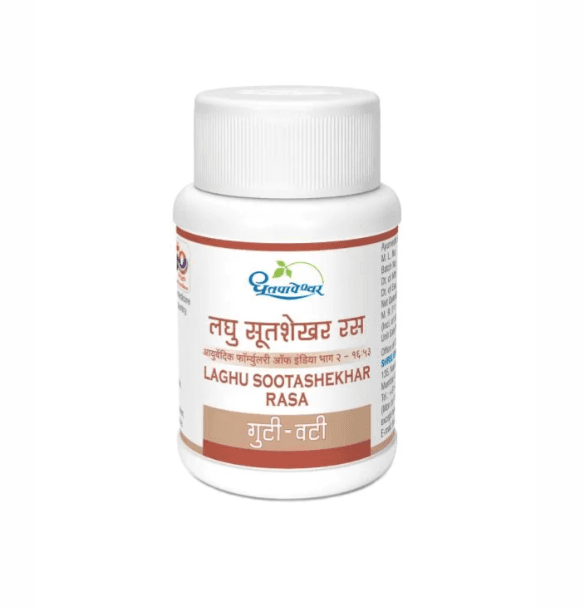
Laghu Sootashekhar Rasa (Dhootapapeshwar) SDL
SDLSupports Pitta-related comfort
Strip of 60 Tablets
4.5
₹163Get ₹16 Cashback