Amla
Reviewed by medical experts · For informational purposes only
Introductory summary
Amla known as Amalaki consists of the fruit pericarp of Emblica officinalis. It is a revered Rasayana or rejuvenator in Ayurveda possessing five tastes excluding salt predominantly Sour. Despite its sourness it has a Cold potency and Sweet post digestive effect making it a powerful Tridoshahara that balances Vata Pitta and Kapha. It is specifically indicated for Raktapitta or bleeding disorders Amlapitta or hyperacidity and Prameha or diabetes. It acts as a potent antioxidant rich in stable Vitamin C and is beneficial for the eyes heart and hair. Common formulations include Chyavanaprasa and Dhatri Lauha. The Ayurvedic Pharmacopoeia of India recommends a dosage of 3 to 6 grams of powder or 5 to 10 ml of fresh juice to promote longevity and immunity.
Amla
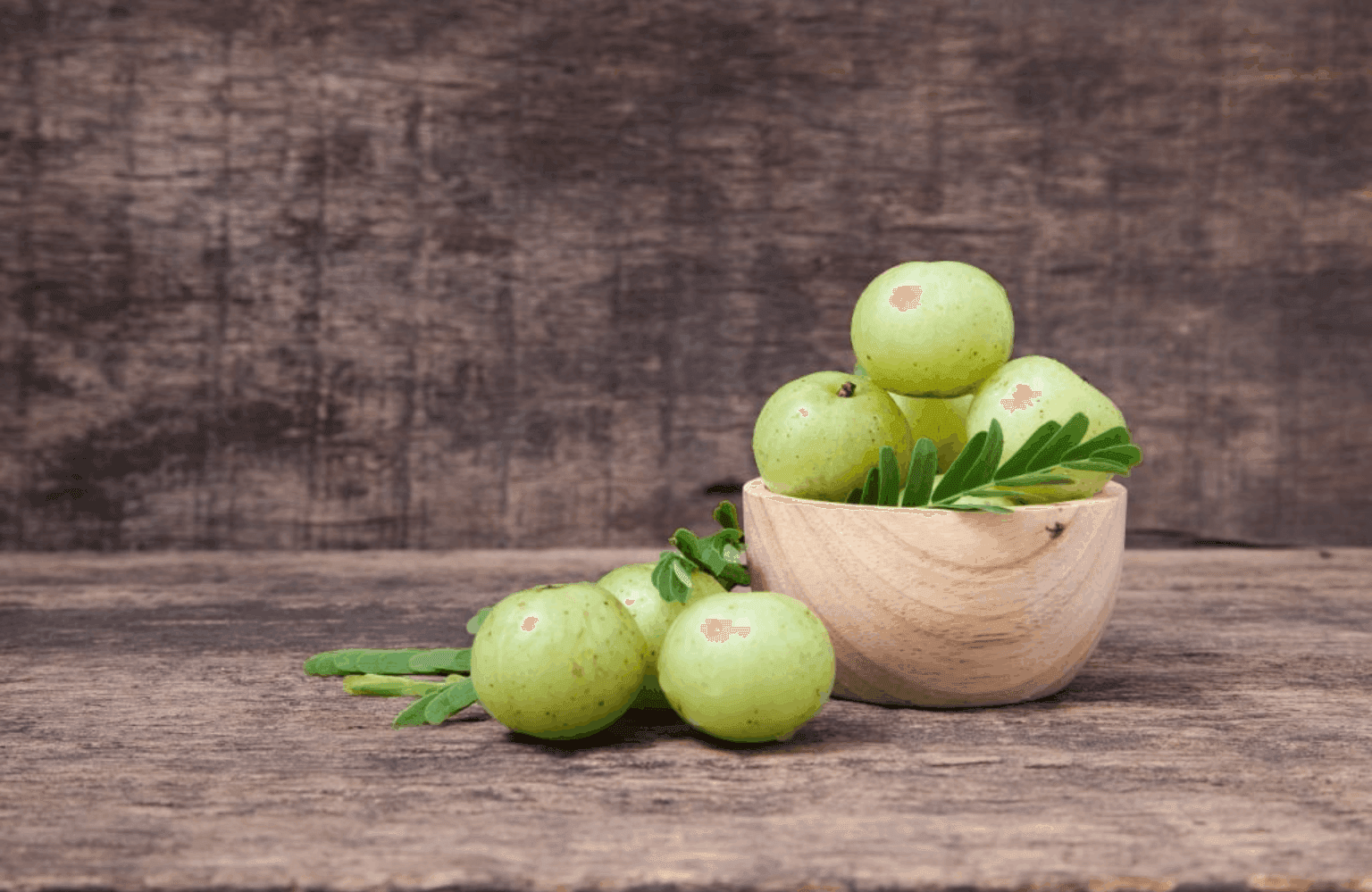
Amla, also known as the Indian Gooseberry, is one of the most revered medicinal plants in Ayurveda. It is classified as a Rasayana (rejuvenator) and is unique because it possesses five out of the six tastes recognized in Ayurveda. It is considered the best among age-sustaining drugs (Vayasthapana) and is the primary ingredient in the famous formulation Chyavanaprasa.
1. Name of the Herb
- Common Name: Amla, Indian Gooseberry.
- Scientific Name: Emblica officinalis Gaertn. (Synonym: Phyllanthus emblica Linn.).
- Sanskrit Names: Amalaki, Dhatri (Nurse/Mother), Amrtaphala (Fruit of Nectar), Vayastha.
- Other Names: Aonla (Hindi), Nellikka (Malayalam), Nellikkai (Tamil), Usirika (Telugu), Ambala (Gujarati).
2. Brief Description
Amla is a small to medium-sized deciduous tree found throughout India. The fruit is round, greenish-yellow, and possesses a sour and astringent taste. In Ayurveda, it is highly valued not just as a medicine but as a dietary staple for longevity. Ancient texts like Charaka Samhita describe it as "nectar-like," capable of restoring youthfulness and strength. It is unique because, unlike other sour fruits, it is cooling in nature and does not aggravate heat (Pitta) in the body.
3. Source / Part Used
- Plant Source: Herbal / Tree-based.
- Part Used:
4. Ayurvedic Properties
According to the Ayurvedic Pharmacopoeia of India, Amla possesses the following properties:
- Rasa (Taste): Dominantly Amla (Sour), but contains five tastes: Madhura (Sweet), Katu (Pungent), Tikta (Bitter), and Kasaya (Astringent). It lacks only the Salty (Lavana) taste.
- Guna (Qualities): Laghu (Light to digest) and Ruksha (Dry).
- Virya (Potency): Shita (Cold).
- Vipaka (Post-digestive effect): Madhura (Sweet).
- Dosha Effect: Tridoshajit (Balances all three Doshas—Vata, Pitta, and Kapha).
- Its Sourness balances Vata.
- Its Sweetness and Cold potency balance Pitta.
- Its Dryness and Astringency balance Kapha.
5. Key Benefits
- Anti-Aging: Acts as a Vayasthapana (age-sustaining) agent, preventing premature graying (Palita) and wrinkles (Vali).
- Eye Health: Acts as Cakshushya, strengthening vision and treating eye disorders.
- Digestion: Beneficial for acidity (Amlapitta) and improves digestion without causing heat.
- Heart Health: Acts as Hrdya, a tonic for the heart.
- Immunity: Enhances Ojas (vitality) and strength (Balya).
6. Uses / Indications
Amla is indicated for the following conditions in Ayurveda:
- Raktapitta: Bleeding disorders (e.g., nosebleeds, heavy menstruation).
- Amlapitta: Hyperacidity, gastritis, and burning sensation.
- Prameha: Urinary disorders and Diabetes.
- Daha: Burning sensation in the body.
- Pandu: Anemia (often used with iron formulations like Dhatri Lauha).
- Keshya: Promotes hair growth and health.
7. How It Works
- Ayurvedic Mechanism: Amla works by balancing the Tridosha. Although it is sour, its post-digestive effect (Vipaka) is sweet, and its potency (Virya) is cold. This unique combination allows it to cool the body and reduce acidity (Pitta) while simultaneously nourishing the tissues (Dhatus) and pacifying Vata and Kapha.
- Nutritional Action: Sources highlight that Amla contains extremely high levels of Vitamin C (150 times that of an apple) and is rich in pectin. The tannins present in the fruit prevent the Vitamin C from oxidizing (denaturing), making it a stable antioxidant. It lowers blood cholesterol and aids in tissue regeneration.
8. Dosage
The general dosage recommended by the Ayurvedic Pharmacopoeia of India is:
- Powder (Churna): 3 to 6 grams.
- Fresh Juice (Svarasa): 5 to 10 ml.
- Note: Dosage varies based on the formulation (e.g., Chyavanaprasa is taken in doses of 10-20g).
9. Safety Information
Amla is considered one of the safest herbs in Ayurveda. It is described as mild and safe enough for use in children, the elderly, and debilitated persons. It is categorized as a Rasayana, meaning it is safe for long-term use to promote health.
10. Side Effects
- Minimal: Amla is generally well tolerated.
- Digestive Sensitivity: While it helps digestion, Charaka Samhita notes that Rasayana therapies (like Amla) are most effective when the person's digestion (Agni) is balanced. In rare cases of severe digestive weakness, heavy intake might require prior digestive correction.
11. Precautions
- Dietary Context: When taking Amla as a Rasayana (tonic), it is often recommended to follow a wholesome diet, such as Shashtika rice with milk and ghee, to maximize absorption.
- Contraindications: There are no major specific contraindications listed for Amla itself in the texts, unlike Haritaki (which is contraindicated in pregnancy or extreme hunger). However, as with all herbs, consulting a physician is advisable for specific conditions.
12. Storage Instructions
- Dried Fruit/Powder: Store in a cool, dry place in an air-tight container.
- Fresh Juice: Should be consumed fresh or stored according to specific pharmaceutical preparations (like fermented Asavas).
13. References
-
Encyclopaedia Britannica – Indian Gooseberry (Phyllanthus emblica)
Botanical description and traditional uses.
https://www.britannica.com/plant/Indian-gooseberry -
Kew Science – Plants of the World Online (POWO)
Taxonomic and botanical details.
https://powo.science.kew.org/taxon/urn:lsid:ipni.org:names:189538-1 -
The Ayurvedic Pharmacopoeia of India (API) – Ministry of AYUSH
Official monograph on Amalaki.
https://www.ayush.gov.in -
Indian Medicinal Plants – A Compendium of 500 Species
Warrier, P.K., Nambiar, V.P.K., & Ramankutty, C. -
Indian Materia Medica – Nadkarni, K.M.
https://archive.org/details/IndianMateriaMedica -
Database on Medicinal Plants Used in Ayurveda (CCRAS)
https://www.ccras.nic.in -
WHO Monographs on Selected Medicinal Plants
https://www.who.int -
Review Article: Phytochemistry and Pharmacological Properties of Emblica officinalis
Journal of Ethnopharmacology.
https://www.sciencedirect.com
14. FAQs
Q. Can it be taken daily?
Yes. Amla is a Rasayana (rejuvenative) and is recommended for daily use to maintain youth and immunity. Formulations like Chyavanaprasa (based on Amla) are designed for daily consumption.
Q. When should it be taken?
It is often recommended to be taken in the morning. For specific conditions like acidity, it is taken before meals, or as directed by a physician.
Q. Can it be taken with milk/water?
Yes. Powdered Amla can be taken with warm water. Many traditional rejuvenation therapies involve taking Amla followed by a diet of milk and ghee.
Consult a Doctor
- MS4.2Midun s kumar
Ayurveda4 yrs exp
- SP4.5Dr Sreelekha P Nair
Ayurveda6 yrs exp
- VR4.2Vaidya Rohit Kumar
Ayurveda3 yrs exp
- V4.1Vairamuthu
Ayurveda8 yrs exp
Buy Medicine
 Prescribed to you4.5₹10 cashback
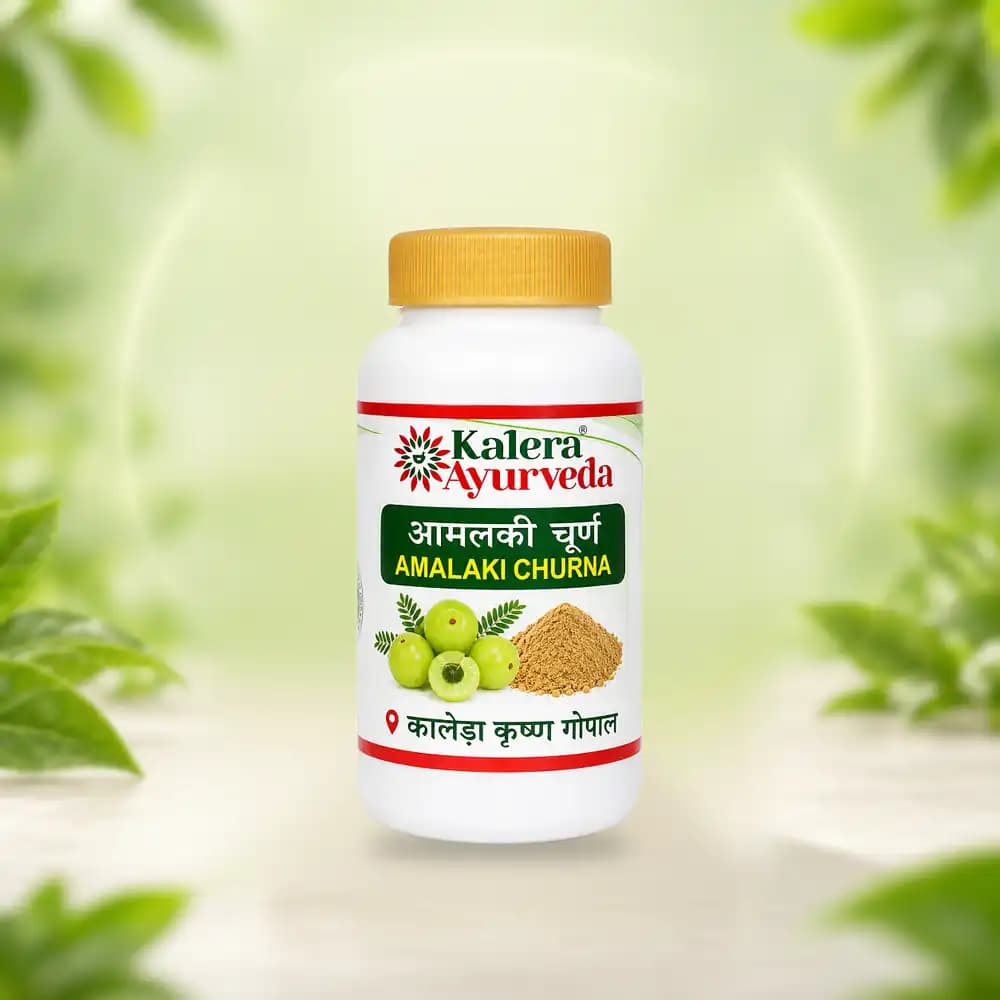
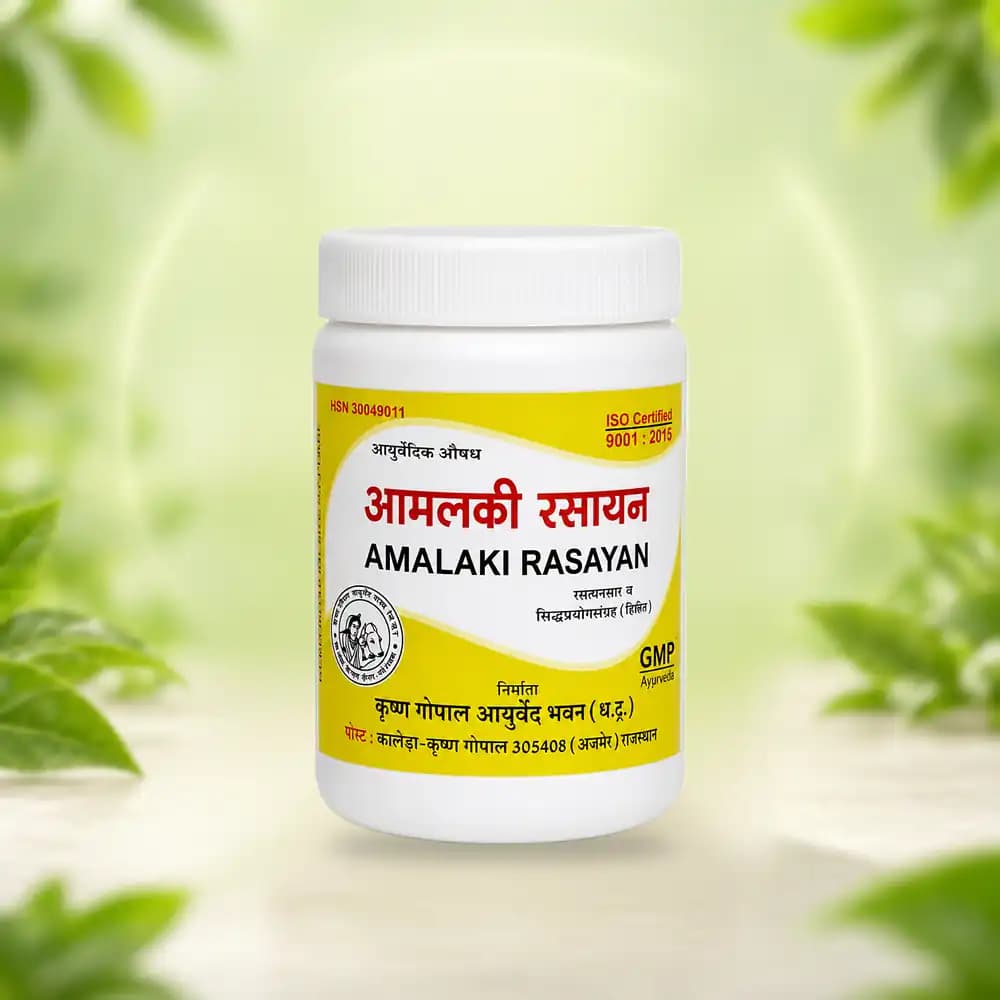
Amalaki Rasayan (Kalera) Kalera
Physician-guided amla rasayana
Container of 100 g
4.5
₹109Get ₹10 Cashback