
AIDS
Reviewed by medical experts · For informational purposes only
Introductory summary
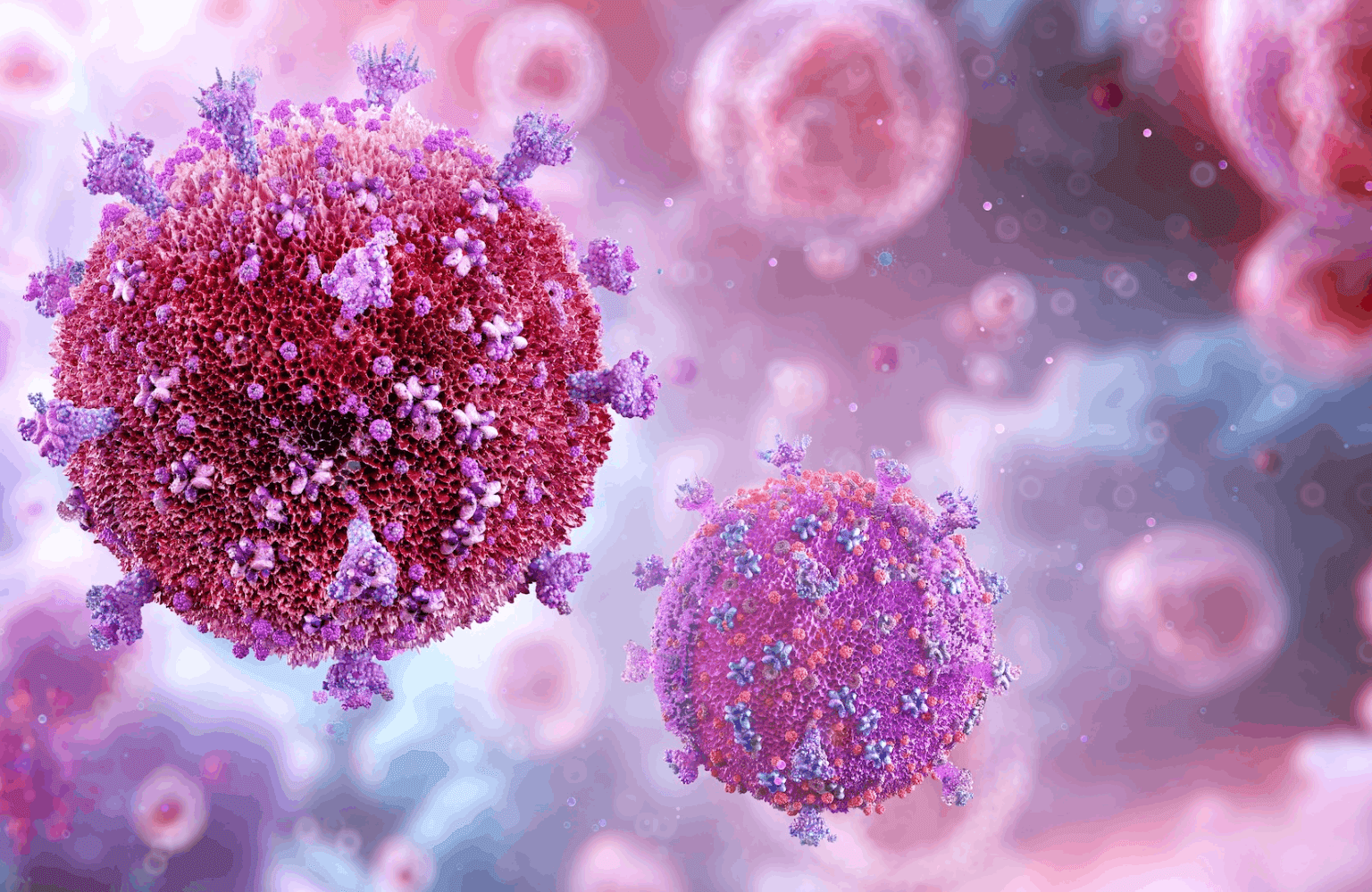
Acquired Immunodeficiency Syndrome (AIDS) is a chronic condition caused by the human immunodeficiency virus (HIV) which damages the immune system. Global health statistics indicate that 39.9 million people were living with HIV by the end of 2023 with 1.3 million new infections recorded that year. While antiretroviral therapy has improved survival rates the disease remains a major global health challenge. In Ayurveda the symptoms of AIDS correlate with Ojo-Kshaya meaning the depletion of Ojas or vital immunity and Rajayakshma characterized by severe wasting. Ayurvedic understanding attributes this to the loss of tissue essence leading to low resistance against diseases. Management focuses on restoring strength and immunity through Rasayana therapies and nutrient-rich diets to prevent further tissue deterioration.
AIDS
AIDS (Acquired Immunodeficiency Syndrome) is a chronic, potentially life-threatening condition caused by the human immunodeficiency virus (HIV). While the specific term "AIDS" is modern, Ayurveda describes clinical conditions that closely mirror its pathology and symptoms, primarily under the concepts of Ojo-Kshaya (depletion of vital immunity), Dhatu Kshaya (tissue wasting), and Rajayakshma (Consumption/Tuberculosis). It is viewed as a state where the body’s Vyadhikshamatva (immunity/resistance) is compromised, leaving it vulnerable to opportunistic infections.
1. Definition
In Modern Medicine, AIDS is defined by a severely damaged immune system due to HIV infection.
In Ayurveda, this condition correlates with Ojo-Kshaya, the deterioration of Ojas. Ojas is considered the essence of all seven bodily tissues (Dhatus) and is responsible for biological strength (Bala) and immunity. When Ojas is depleted, the body loses its ability to resist disease (Vyadhikshamatva) and maintain life. It is also closely related to Rajayakshma (King of Diseases), a syndrome characterized by severe wasting and multisystem failure.
2. Etymology & Conceptual Meaning
-
Literal Meaning:
-
Ojas: "Vigor," "vitality," or the "essence" of the body's tissues.
-
Kshaya: "Diminution," "wasting," or "decay".
-
Rajayakshma: "King of Diseases."
-
-
Conceptual Interpretation: Health is the equilibrium of Doshas, Dhatus, and Agni. AIDS represents a state of Anuloma Kshaya (progressive tissue loss) or Pratiloma Kshaya (retrograde loss starting from reproductive fluids), leading to collapse of the immune system.
3. Causes (Nidana)
Ayurveda categorizes causes of immunity depletion and wasting diseases into dietary, lifestyle, and external factors.
Dietary Causes
-
Viruddha Ahara: Eating incompatible foods or eating before digestion of previous meal → formation of Ama, blocking nutritional channels.
-
Malnutrition: Prolonged intake of dry, light, or insufficient food → tissue depletion.
Lifestyle Causes
-
Excessive Sexual Activity (Ativyavaya): Depletes Shukra Dhatu. Since Ojas is the essence of all tissues ending with Shukra, loss of semen → loss of Ojas → Rajayakshma.
-
Sahas (Overexertion): Physical overexertion → wasting diseases.
-
Suppression of Urges: Disturbs Vata → low immunity.
Psychological Factors
- Negative Emotions: Grief (Shoka), worry (Chinta), fear (Bhaya) → dry up Rasa, aggravate Vata → emaciation, low immunity.
4. Journey of the Disease (Pathogenesis/Samprapti)
-
Dosha: Primarily Tridosha (Vata, Pitta, Kapha), Vata dominant.
-
Srotas (Channels): Blocked (Sroto-rodha) by Ama or narrowed by Vata.
-
Agni (Metabolism): Weak (Mandagni) → prevents healthy tissue formation.
-
Mechanism: Depletion of Shukra and Ojas → systemic immune failure → vulnerability to infections.
5. Symptoms (Lakshana)
Early Symptoms
-
Fatigue & weakness (Daurbalya).
-
Loss of appetite, indigestion (Agnimandya).
-
Mental instability, fear, worry → Ojas disturbance.
Advanced Symptoms (Rajayakshma)
-
Fever (Jwara)
-
Chronic Diarrhea (Atisara)
-
Skin Disorders
-
Mental Symptoms (memory loss, anxiety, sensory dysfunction)
6. Different Types or Classification (Bheda)
-
Sahasaja: Overexertion/trauma.
-
Vegavarodhaja: Suppression of urges.
-
Kshayaja: Tissue depletion (e.g., excessive sex).
-
Vishamashanaja: Irregular diet.
7. Diagnosis
-
Ayurvedic Diagnosis (Roga–Rogi Pariksha)
-
Nadi: Deep Dhatu & Ojas state.
-
Darshana: Emaciation, pallor, skin luster loss.
-
Prashna: Sexual history, weight loss, chronic infections.
-
-
Differential Diagnosis: Distinguish from malnutrition (Karshya).
8. Disease Management
Diet (Ahara)
-
Nourishing foods: milk, ghee (Ghrita), meat soups (Mamsa Rasa).
-
Meat of carnivorous animals (classical texts).
-
Mung bean soup for weak digestion.
Lifestyle (Vihara)
-
Preserve vital fluids: Brahmacharya.
Medicines (Rasayana)
-
Chyawanprash (Amalaki-based)
-
Shilajit
-
Guduchi
-
Suvarna Bhasma
-
Draksharishta
Panchakarma
-
Strong purifications (Vamana/Virechana) contraindicated.
-
Mild therapies: Abhyanga, Brimhana Basti.
9. Prognosis
-
Difficult to cure if Ojas & all Doshas (Sannipata) involved → Kashtasadhya / Asadhya.
-
Better prognosis: good Agni & muscle mass. Poor if severely emaciated.
10. Modern Correlations
-
Similarities:
-
Rajayakshma ≈ wasting syndrome/TB in AIDS.
-
Ojas ≈ immune system.
-
HIV/AIDS recognized as epidemic (Janapadodhvamsa).
-
-
Differences: Modern: viral load, CD4 counts. Ayurveda: digestion (Agni), tissue quality (Dhatu Sara).
-
Limitations: Ayurveda supports immunity (Rasayana), but ART is standard for viral suppression.
11. References
- “AIDS – an Ayurvedic view” (Ancient Science of Life) – A conceptual paper detailing how Ayurveda interprets AIDS, focusing on Bala, Ojas, and Rasayana therapy to enhance resilience against infections. (Wisdom Library)
- Role of Ayurveda in Management of Ojas Kshaya w.s.r. to AIDS – An open‑access review describing how Ojas/Bala/Vyadhikshamatva loss — central in HIV/AIDS — is addressed in Ayurveda. (Int J Curr Res)
- Ayurveda and HIV/AIDS — Ayusoft (Government AYUSH) – Government/AYUSH resource outlining clinical similarities between HIV/AIDS symptoms and Ayurvedic pathological categories like Dhaatu Kshaya and Dhaatugata Jwara. (Ayusoft)
- Integrated Yogic & Ayurvedic Perspective on Ojas Kshaya – Explains Ayurvedic theory of Ojas and its depletion (ojas‑vyapat/ojas‑kshaya) producing conditions similar to HIV/AIDS weakening the immune system. (Lippincott Journals)
12. FAQ Section
Q: Can Ayurveda cure AIDS?
A: Ayurveda describes conditions like Kshaya (wasting) as difficult to treat (Kashtasadhya). However, therapies focused on Rasayana (rejuvenation) can significantly improve quality of life, boost immunity (Ojas), and manage opportunistic infections like cough and diarrhea.
Q: What is the best Ayurvedic diet for immunity?
A: A diet rich in Ojas-building foods is recommended. This includes milk, ghee, almonds, dates, and fresh fruits. For those with severe weight loss, meat soups are highly praised in classical texts for rebuilding strength,.
Q: Is sexual activity restricted in Ayurveda for these conditions?
A: Yes. Ayurveda views the loss of reproductive fluid (Shukra) as a direct cause of Ojas depletion. Preserving vital fluids is considered essential for recovering strength and immunity,.
Q: What herbs are used for HIV/AIDS management in Ayurveda?
A: Common herbs include Amalaki (in Chyawanprash) for immunity, Guduchi for fever and resistance, Ashwagandha for strength, and Shatavari for general nourishment
Consult a Doctor
- SJ3.9SUMEDH JOSHI
Ayurveda7 yrs exp
- VH3.9Vaidya Harsh
Ayurveda9 yrs exp
- S4.5Dr. Shan
Ayurveda4 yrs exp
- GG3.0Dr GN Govinda
Ayurveda1 yrs exp