
Tuberculosis
Reviewed by medical experts · For informational purposes only
Introductory summary
Tuberculosis correlates with the Ayurvedic condition Rajayakshma also known as the King of Diseases. It arises from four specific causes including overexertion suppression of natural urges tissue depletion and irregular diet. The pathology involves the simultaneous vitiation of Tridosha and blockage of body channels leading to severe Dhatukshaya or wasting of tissues. Common symptoms include low grade fever cough with blood and pain in the flanks. Treatment prioritizes preserving the digestive fire and the patients strength found in feces. Management focuses on nourishing therapy using meat soups along with ghee and milk. Key formulations include Chyavanaprasha and Sitopaladi Churna while strong purification therapies are contraindicated.
Tuberculosis
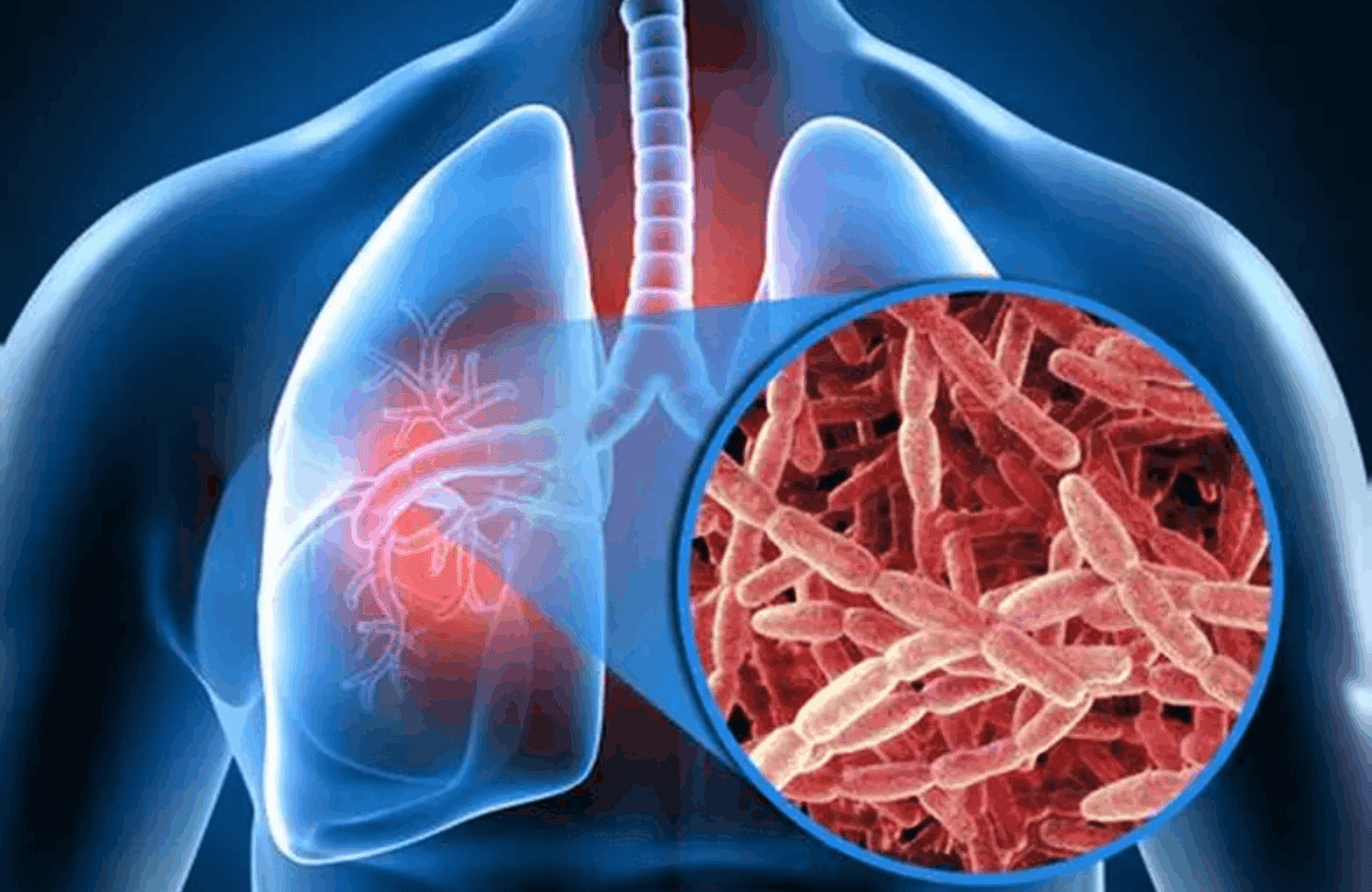
Tuberculosis (TB), known in Ayurveda as Rajayakshma or Kshaya, is a chronic wasting disease affecting multiple tissues of the body. Ancient Ayurvedic texts describe it as a syndrome characterized by the depletion of body tissues (Dhatus), obstruction of body channels (Srotas), and the simultaneous vitiation of all three Doshas (bio-energies). Due to its severity and multisystem involvement, it is often referred to as Roga-rat or the "King of Diseases".
1. Definition
Modern Definition: An infectious bacterial disease caused by Mycobacterium tuberculosis, which most commonly affects the lungs but can damage other parts of the body.
Ayurvedic Definition: A condition where the body undergoes severe depletion (Kshaya) and drying up (Shosha) due to the obstruction of nutrient channels and loss of digestive fire, leading to a cluster of symptoms including fever, cough, and emaciation.
2. Etymology & Conceptual Meaning
- Rajayakshma: Literally translates to the "King" (Raja) of "Diseases/Decay" (Yakshma).
- Kshaya: Means "Wasting" or "Diminution" of body tissues.
- Shosha: Means "Drying up" or "Emaciation."
- Mythological Concept: According to Madhava Nidana and Charaka Samhita, this disease first originated in the Moon God (Raja), the king of stars, due to his excessive attachment and sexual indulgence, leading to his waning (decay). Because it first afflicted a king, it is called Rajayakshma.
3. Causes (Nidana)
Classical texts like Madhava Nidana identify four specific categories of causes that lead to this disease:
- Sahasa (Overexertion): Engaging in physical activities beyond one's capacity, such as fighting with a stronger person, carrying heavy loads, or excessive swimming. This causes injury (Urah-kshata) to the chest and lungs.
- Vegarodha (Suppression of Urges): Habitually suppressing natural urges like gas, urine, and feces. This aggravates Vata dosha, which pushes impurities upwards.
- Kshaya (Depletion): Excessive sexual intercourse (Vyavaya) leads to the depletion of Shukra (reproductive fluid) and Ojas (vitality), which triggers a chain reaction of tissue loss (reverse pathogenesis). Grief (Shoka) and anxiety are also contributing factors.
- Vishamashana (Irregular Diet): Eating improperly, such as eating before the previous meal is digested, or eating quantities that violate dietary rules. This destroys the digestive fire (Agni) and creates toxins (Ama) that block channels.
Modern Causes: TB is caused by Mycobacterium tuberculosis, which spreads through airborne droplets. Risk factors include HIV/AIDS, malnutrition, diabetes, and overcrowded living conditions. In 2024, an estimated 10.7 million people fell ill with TB worldwide.
4. Journey of the Disease (Pathogenesis/Samprapti)
- Samprapti Ghataka (Components):
- Dosha: Tridosha (All three doshas—Vata, Pitta, Kapha—are involved), with Vata and Kapha usually dominant.
- Dushya (Tissues): All seven Dhatus (Rasa, Rakta, Mamsa, Meda, Asthi, Majja, Shukra) undergo wasting.
- Srotas (Channels): Rasavaha (nutrient carrying) and Raktavaha (blood carrying) channels.
- Agni: Mandagni (Weak digestive fire) is a root cause.
- Ama: Obstruction of channels by Ama (metabolic toxins) prevents nutrition from reaching the tissues.
- Pathogenesis:
- Due to the four etiological factors, the Vata dosha gets aggravated.
- Simultaneously, the digestive fire (Agni) is compromised, leading to the formation of Ama (mucus/toxins).
- This Kapha/Ama blocks the openings of the channels (Srotas) that carry nutrients to the tissues.
- Because the channels are blocked, the nutrition cannot reach the muscles and other tissues. Instead, it accumulates as feces (Mala).
- The tissues begin to waste away (Dhatukshaya), leading to severe emaciation and the manifestation of symptoms like fever and cough.
Modern Pathogenesis: TB begins with inhalation of Mycobacterium tuberculosis contained in aerosol droplets. The bacteria reach the alveoli, where they are engulfed by macrophages but may survive and multiply. The immune response leads to granuloma formation and tissue destruction.
5. Symptoms (Lakshana)
The symptoms are often grouped into sets of 6 or 11 cardinal signs.
- Early Symptoms (Purvarupa):
- Shortness of breath and body pain.
- Excessive salivation and mucus.
- White and glittering eyes (Shukla aksha).
- Distaste for food and excessive sleep.
- A tendency to dream of drying up or losing things.
- Cardinal Symptoms (Advanced):
- Jvara: Fever, often low-grade or burning in the shoulders and flanks.
- Kasa: Cough.
- Raktapitta: Spitting of blood (Haemoptysis).
- Svarabheda: Hoarseness or loss of voice.
- Parshva Shula: Pain in the flanks/sides of the chest.
- Atisara: Diarrhea (due to weak digestion).
- Aruchi: Anorexia or loss of taste.
- Shwasa: Dyspnea or difficulty breathing.
- Angamarda: General body ache and heaviness.
Modern Symptoms: Common symptoms include persistent cough, fever, night sweats, and unintentional weight loss. Hemoptysis (coughing blood) occurs in advanced cases. Extrapulmonary TB can affect bones, central nervous system, and other organs.
6. Different Types or Classification (Bheda)
While Rajayakshma is generally singular, it is classified based on the grouping of symptoms:
- Tri-rupa: Manifesting with 3 main symptoms.
- Shad-rupa: Manifesting with 6 main symptoms (Cough, Fever, Side pain, Hoarseness, Diarrhea, Anorexia).
- Ekadasha-rupa: Manifesting with 11 symptoms (The severe form).
It can also be classified by the root cause:
- Anuloma Kshaya: Wasting due to lack of nutrition/diet (Forward progression).
- Pratiloma Kshaya: Wasting due to excessive sex/loss of semen (Reverse progression).
Modern Classification: Active TB vs. latent TB infection. Pulmonary TB vs. extrapulmonary TB. Drug-susceptible vs. drug-resistant TB (MDR-TB).
7. Diagnosis
- Ayurvedic Diagnosis:
- Darshana (Observation): The patient appears emaciated but their eyes may appear surprisingly white or bright (Shukla).
- Prashna (Questioning): Inquiry reveals history of irregular eating, overexertion, or emotional grief.
- Stool Examination: Since the strength of a Rajayakshma patient resides in the feces (due to poor tissue formation), the patient often passes slimy, excessive stool or suffers from diarrhea.
- Differential Diagnosis:
- Distinguished from Urah-kshata (Chest injury/Wound), though Urah-kshata can lead to Yakshma.
- Distinguished from Shosha (General emaciation) caused by fasting or dehydration.
Modern Diagnosis: Diagnosis includes chest X-ray, sputum microscopy, and molecular tests. Rapid molecular tests and culture methods are used for drug resistance testing. Interferon-gamma release assays help diagnose latent TB.
8. Disease Management
The treatment principle emphasizes protecting the patient's Agni (digestion) and Mala (feces), as the feces retain the strength of the body when tissues are failing.
Diet (Ahara)
- Nourishing Diet (Brimhana): The diet must be heavy and nutritive but easily digestible.
- Mamsa (Meat): Meat soup (Mamsa rasa) is considered the best medicine. Specifically, the meat of goats (Aja) and carnivorous animals is recommended to rebuild muscle tissue.
- Other Foods: Ghee, milk, wheat, barley, old rice, sugar, and honey.
- Alcohol: Specific medicated wines (Madya) like Varuni or Sidhu are prescribed to open the channels (Srotoshodhana).
Medicines
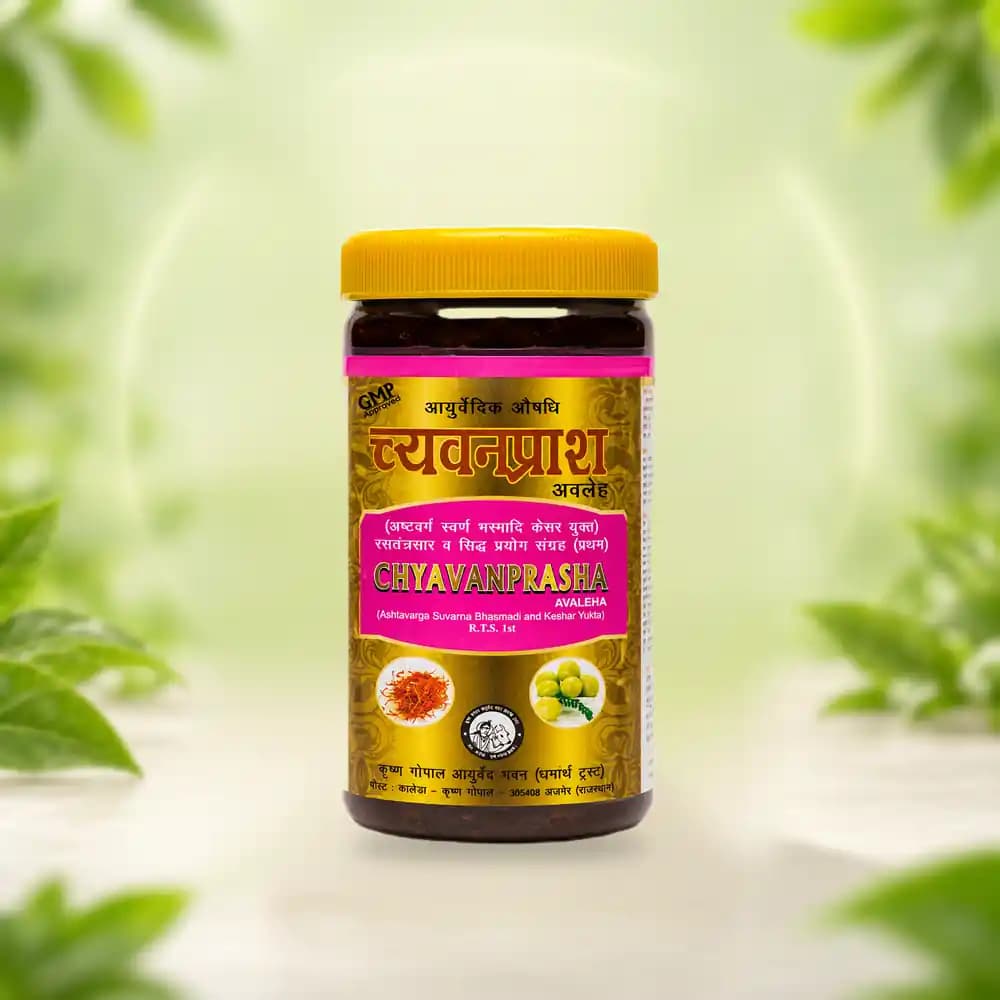
- Chyavanaprasha: A famous rasayana (rejuvenative) specifically indicated for Kshaya (wasting), Kasa (cough), and Svara kshaya (loss of voice).
- Sitopaladi Churna: A powder of sugar candy, bamboo manna, long pepper, cardamom, and cinnamon. Used for cough, fever, and burning sensation in hands/feet associated with TB.
- Talisadi Churna: Used for respiratory disorders, cough, and anorexia in TB.
- Draksharishta / Drakshasava: Fermented grape preparation for cough, weakness, and chest injury.
- Eladi Ghrita & Jatyadi Ghrita: Medicated ghees used for chest wounds and tuberculosis.
- Shiva Gutika: Indicated for Rajayakshma and complicated fevers.
- Vasavaleha: A linctus for cough and bleeding disorders.
- Karpurasava: Useful in Rajayakshma.
Ayurvedic Clinical Research
Clinical studies show that adjunct therapy with Ashwagandha and Chyawanprash significantly improved treatment response in TB patients. The study found improved body weight, normalized ESR values, and increased bioavailability of anti-TB drugs.
Panchakarma
- Restrictions: Strong purification (Vamana/Virechana) is generally contraindicated or used with extreme caution because the patient is already weak.
- Snehana & Swedana: Mild oleation and fomentation are permitted.
- Basti (Enema): Unctuous enemas (Anuvasana Basti) are highly beneficial to pacify Vata and nourish the body without stressing the digestion.
Modern Treatment
TB is treated with special antibiotics taken daily for 4-6 months. First-line drugs include isoniazid, rifampin, pyrazinamide, and ethambutol. MDR-TB requires second-line drugs with more side effects. New shorter 6-month regimens (BPaLM/BPaL) show high efficacy.
9. Prognosis
- Sadhya (Curable): If the patient is strong (Balavan), has good digestive fire, is mentally strong (Atmavan), and the disease is new.
- Asadhya (Incurable): If the patient is emaciated, has excessive diarrhea, severe pain, swelling (edema) in the testicles or abdomen, and exhibits all 11 symptoms. A cough resulting from Kshaya (wasting) in a weak person is generally considered fatal.
Modern Prognosis: TB is preventable and curable with proper treatment. Global efforts have saved an estimated 83 million lives since 2000. In 2024, 1.23 million people died from TB, including 150,000 with HIV.
10. Modern Correlations
- Pulmonary Tuberculosis: The symptoms of cough, blood in sputum (Raktapitta), fever, and wasting directly correlate with active pulmonary TB.
- Pott's Spine: References to Kubja (hunchback) or pain in the sides/back in the context of wasting diseases may correlate with spinal TB.
- Wasting Syndromes: The concept of Kshaya applies to cachexia seen in cancer or HIV/AIDS.
- Extrapulmonary TB: Multiple organ involvement described in Ayurveda correlates with modern extrapulmonary tuberculosis.
11. References
-
WHO – Tuberculosis (Fact Sheet)
🔗 https://www.who.int/news-room/fact-sheets/detail/tuberculosis
Global burden, symptoms, diagnosis, and prevention.
-
WHO – Global Tuberculosis Programme
🔗 https://www.who.int/teams/global-tuberculosis-programme
Policies, End TB Strategy, and guidelines.
-
CDC – Latent TB Infection
🔗 https://www.cdc.gov/tb/topic/basics/tbinfectiondisease.htm
Difference between latent and active TB.
-
The Lancet – Tuberculosis Series
🔗 https://www.thelancet.com/series/tuberculosis
High-impact global TB research. -
National Health Portal (India) – क्षय रोग (TB)
🔗 https://www.nhp.gov.in/disease/communicable-disease/tuberculosis
Hindi & English – Government of India. -
MedlinePlus – Tuberculosis
🔗 https://medlineplus.gov/tuberculosis.html
-
Mayo Clinic – Tuberculosis
🔗 https://www.mayoclinic.org/diseases-conditions/tuberculosis/symptoms-causes/syc-20351250
12. FAQ Section
Q: Why is Tuberculosis called "Rajayakshma" in Ayurveda?
A: It is called "King of Diseases" (Rajayakshma) because, according to mythology, it first afflicted the Moon God (Raja/King of Stars) due to a curse resulting from his excessive attachment and partiality. It also refers to the severity and "king-like" power of the disease to destroy the body.
Q: Can Ayurveda cure Tuberculosis?
A: Ayurvedic texts classify Rajayakshma as curable if treated early in a strong patient. However, advanced stages with severe emaciation and complications are considered difficult or incurable. Modern integrative approaches use Ayurveda to support digestion and immunity alongside conventional anti-tubercular drugs.
Q: What is the best diet for a TB patient according to Ayurveda?
A: A diet that is Brimhana (tissue-building) is essential. This includes meat soups (especially goat meat), ghee, milk, sugar, and wheat. The diet must be heavy in nutrition but prepared in a way that is easy to digest.
Q: Is "Chyavanaprasha" good for TB?
A: Yes. Chyavanaprasha is one of the most famous Ayurvedic formulations specifically mentioned for treating Kshaya (wasting), cough, and chest injuries associated with tuberculosis.
Q: Why does Ayurveda advise against strong detox (Panchakarma) for TB patients?
A: Patients with Rajayakshma suffer from severe tissue depletion (Dhatukshaya). Strong purification therapies like purgation (Virechana) reduce body fluid and strength further, which can be fatal. Therefore, preservation of strength and feces (Mala) is prioritized over detoxification.
Q: What is the current global status of tuberculosis?
A: In 2024, an estimated 10.7 million people fell ill with TB worldwide, and 1.23 million people died from TB. TB remains one of the top infectious killers globally, with only about 2 in 5 people with drug-resistant TB accessing treatment.
Q: How effective is modern TB treatment?
A: TB is preventable and curable with proper antibiotic treatment taken daily for 4-6 months. Global TB control efforts have saved an estimated 83 million lives since 2000. However, drug resistance remains a major challenge, particularly MDR-TB.
Consult a Doctor
- DS4.2Deeksha sharma
Ayurveda4 yrs exp
- MS4.2Midun s kumar
Ayurveda4 yrs exp
- DR4.3Dr.Prajwal Raj Biradar
Ayurveda1 yrs exp
- BY4.3Bapodara yash kanabhai
Ayurveda3 yrs exp
Buy Medicine
 Prescribed to you4.3₹18 cashback
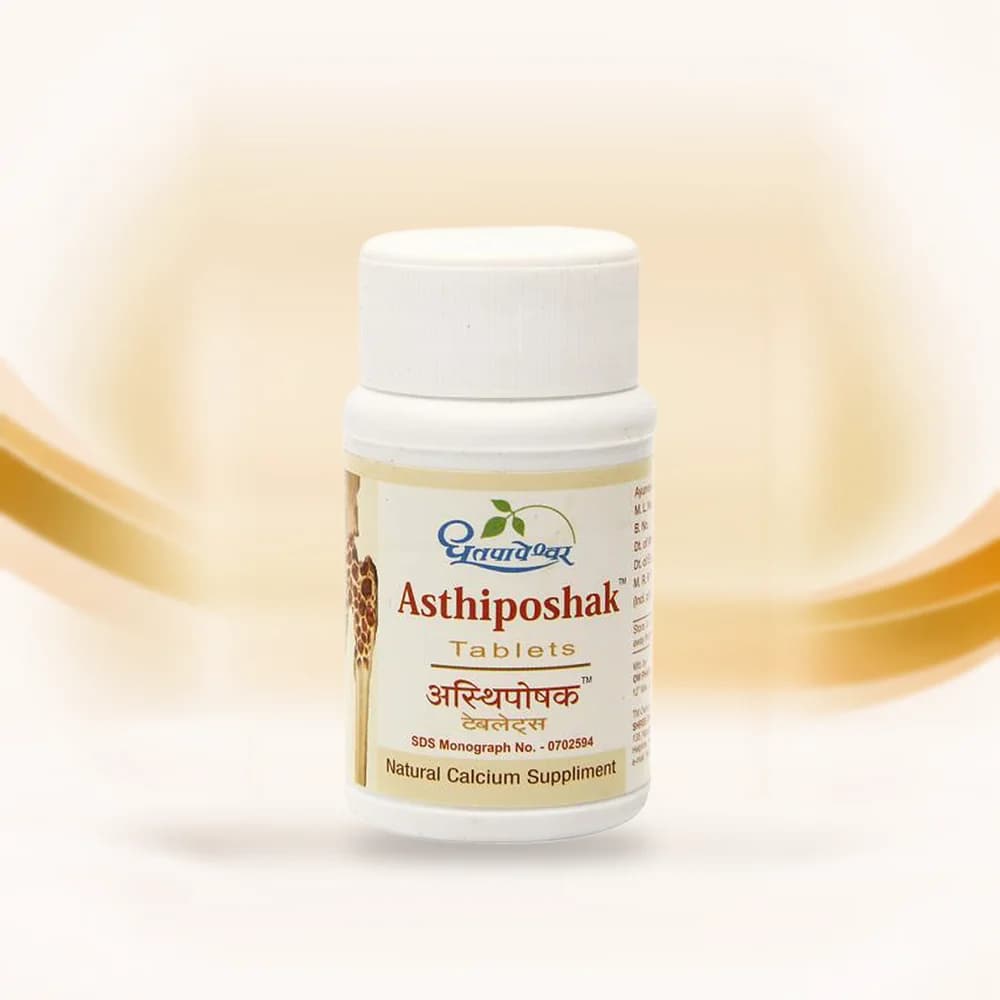
Asthiposhak (Dhootapapeshwar) SDL
SDLPhysician-guided Ayurvedic care
Strip of 30 Tablets
4.3
₹182Get ₹18 Cashback
 Prescribed to you4.4₹140 cashback
Chyavanprash Avaleha (Swarna Bhasmadi Yukta) (Kalera) Kalera
Gold immunity, anti-aging
Container of 250 g
4.4
₹1,400.01Get ₹140 Cashback
 Prescribed to you4.5₹89 cashback
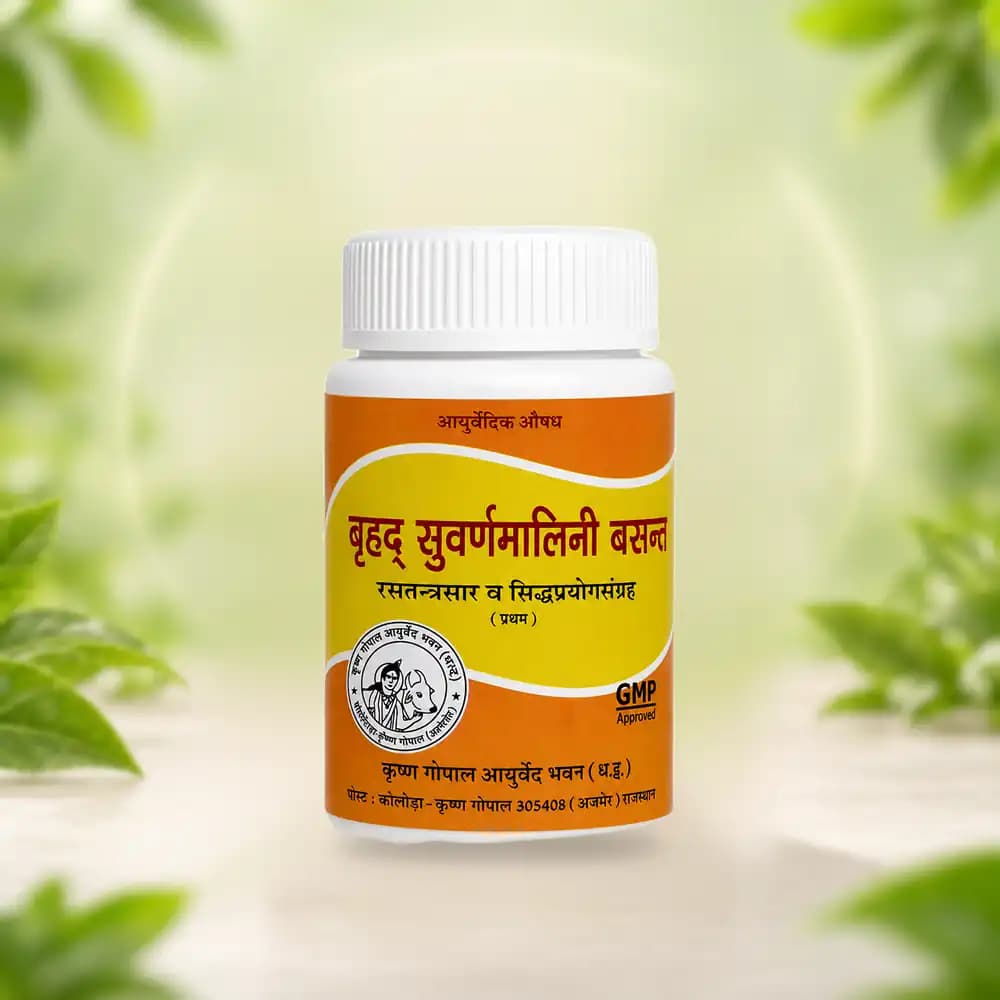
Brihat Suvarnamalini Basant (Kalera)KaleraRejuvenator, chronic disease
Strip of 4 Tablets
4.5
₹890.01Get ₹89 Cashback
 Prescribed to you4.5₹76 cashback
Chaturmukh Rasa (Dhootapapeshwar)SDLSupports Vata balance
Strip of 10 Tablets
4.5
₹763.01Get ₹76 Cashback
