
Body Ache
Reviewed by medical experts · For informational purposes only
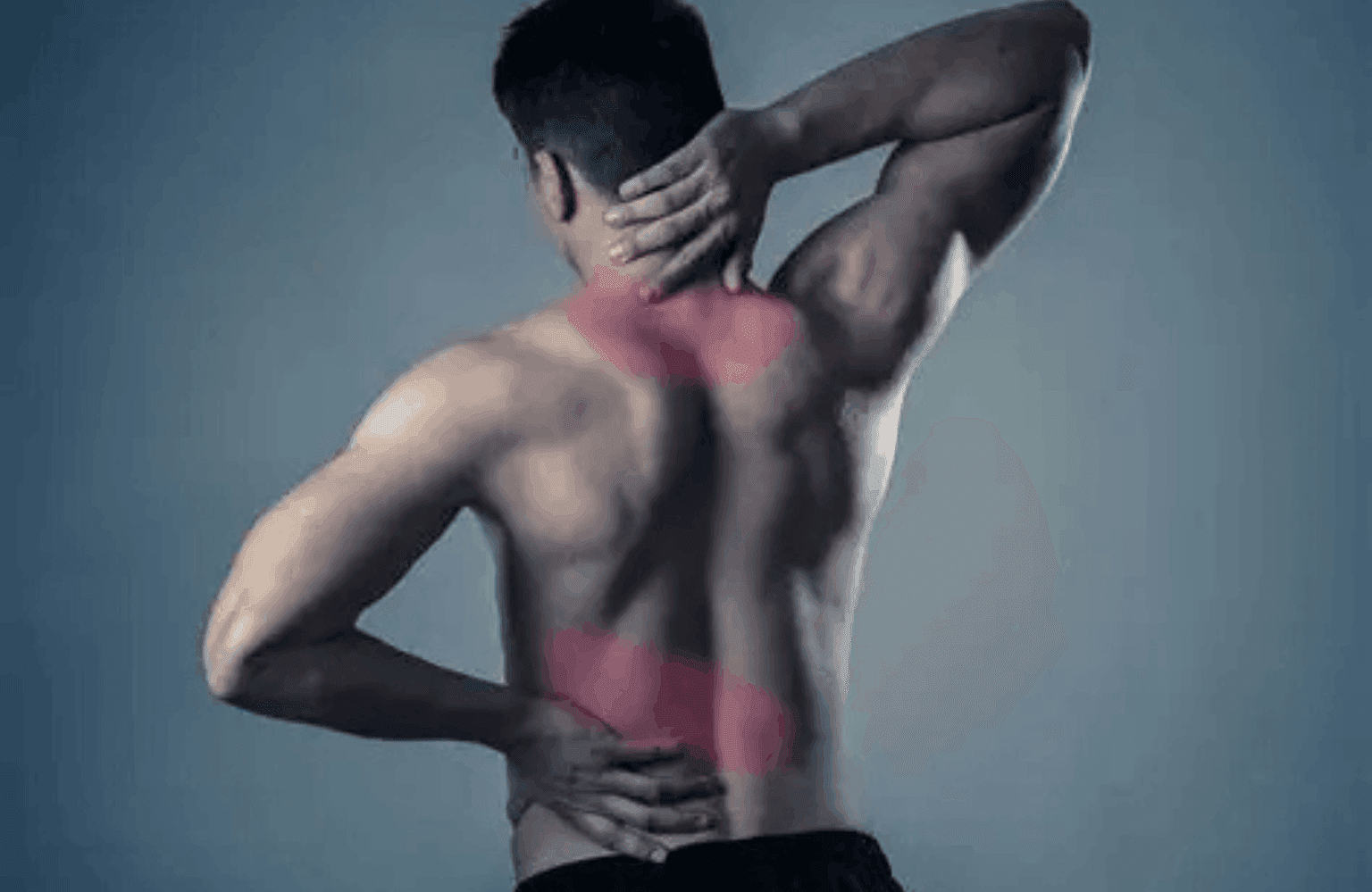
Introductory summary
Body ache correlates with the Ayurvedic condition Angamarda characterized by a sensation of being crushed or beaten. It primarily results from the vitiation of Vata dosha often associated with Ama or metabolic toxins and is a common prodromal symptom of Jvara or fever. Causes include excessive physical exertion indigestion and suppression of natural urges. Management focuses on pacifying Vata and eliminating toxins through light diet and rest. Potent formulations like Yogaraja Guggulu and Maharasnadi Kwatha are frequently prescribed to relieve pain. External therapies such as Abhyanga using medicated oils like Mahanarayana Taila or Ksheerabala Taila followed by Swedana or fomentation are highly effective for alleviating muscle fatigue and restoring mobility though massage is contraindicated in acute fever.
Body Ache
Body Ache, or generalized physical pain, is a common symptom experienced in various conditions ranging from fatigue to chronic diseases. In Ayurveda, this is primarily referred to as Angamarda (crushing pain in body parts) or Angagraha (stiffness and pain in limbs). It is fundamentally a manifestation of the Vata Dosha (Wind element), often complicated by the presence of Ama (metabolic toxins).
1. Definition
Modern Definition: Generalized myalgia or pain affecting muscles, tendons, and soft tissues, often accompanied by fatigue or stiffness.
Ayurvedic Definition:
- Angamarda: A condition where the patient feels as if their body parts are being crushed or beaten. It is often a prodromal symptom (early sign) of Jvara (Fever) or a symptom of Amavata (Rheumatism).
- Gatraruk: General pain in the body limbs.
- Angam-bhagna: A sensation as if the body parts are broken.
2. Etymology & Conceptual Meaning
- Angamarda: Derived from Anga (Body parts/Limbs) and Marda (Thrashing/Crushing/Squeezing). Ideally, it describes a pain so severe it feels like the body is being squeezed or beaten by a stick (Dandahatavat).
- Conceptual Interpretation: Pain (Ruja) is the specific characteristic of Vata Dosha. When Vata is aggravated and circulates through the body's channels (Srotas), it causes pain. If Vata is blocked by Ama (toxins) or Kapha (mucus), the pain is accompanied by heaviness and stiffness.
3. Causes (Nidana)
The causes of body ache are linked to factors that aggravate Vata and create Ama.
Dietary Causes:
- Consumption of dry, cold, and light foods that increase Vata.
- Incompatible foods (Viruddha Ahara): Eating foods that do not go well together (e.g., fish and milk) leads to Ama, which blocks channels and causes pain.
- Eating before the previous meal is digested (Adhyashana).
Lifestyle Causes:
- Ativyayama: Excessive physical exercise or exertion beyond one's capacity.
- Vegadharana: Suppression of natural urges (like sleep, urine, or feces) aggravates Vata causing body ache.
- Divaswapna: Sleeping during the day, which increases Kapha and stiffness.
- Excessive walking or riding on jerky vehicles.
- Sexual Indulgence: Excessive sexual intercourse is cited as a cause for loss of strength and generalized pain (Angamarda).
Psychological Factors:
4. Journey of the Disease (Pathogenesis/Samprapti)
Samprapti Ghataka (Components):
- Dosha: Primarily Vata (specifically Vyana Vayu which circulates in the body), often involving Ama (toxins) or Kapha.
- Dushya (Tissues): Rasa (Plasma), Rakta (Blood), Mamsa (Muscle), and Asthi (Bone).
- Srotas (Channels): Rasavaha and Mamsavaha Srotas.
- Agni: Mandagni (Weak digestive fire) is usually the root cause.
Pathogenesis:
- Due to etiological factors, digestive fire (Agni) weakens, forming Ama (toxins).
- Simultaneously, Vata becomes aggravated due to exertion or stress.
- The circulating Vata carries the Ama through the body channels (Srotas).
- This Sama Vata (Vata mixed with toxins) gets lodged in the joints and muscles, causing obstruction.
- This obstruction leads to Angamarda (body ache), stiffness, and heaviness.
5. Symptoms (Lakshana)
Early Symptoms (Purvarupa):
- Lassitude (Alasya) and heaviness (Gaurava) often precede the actual pain.
- It is a common prodromal symptom of Fever (Jvara).
General Symptoms:
- Ruja/Shula: Pain in joints, back, and limbs.
- Stambha: Stiffness, making movement difficult.
- Gaurava: A feeling of heaviness in the body (indicates presence of Ama).
- Arati: Uneasiness or restlessness.
- Angam-bhagna: Feeling as if the bones or limbs are breaking.
6. Different Types or Classification (Bheda)
Body ache is generally classified based on the association of toxins:
- Sama Angamarda: Body ache associated with Ama (toxins). Characterized by heaviness, drowsiness, loss of appetite, and stiffness. Massage (Abhyanga) may aggravate this type.
- Nirama Angamarda: Body ache due to pure Vata aggravation (without toxins). Characterized by intense, tearing pain and dryness. Relieved by oil massage and warmth.
- Jvara-janya: Body ache occurring as a symptom of fever (specifically Vataja and Vata-Kapha Jvara).
7. Diagnosis
Ayurvedic Diagnosis (Roga Pariksha):
- Sparshana (Touch): To detect coldness (Vata) or stiffness.
- Prashna (Questioning): Inquiry about digestion, bowel habits (constipation often accompanies Vata pain), and recent physical exertion.
Differential Diagnosis:
- Distinguished from Amavata (Rheumatoid Arthritis), where pain moves (migratory) and is accompanied by swelling in joints.
- Distinguished from Vatarakta (Gout), where pain is often burning and starts in the feet.
8. Disease Management
Management depends on whether the pain is caused by Ama (toxins) or pure Vata.
Diet (Ahara)
Pathya (Beneficial): Light, warm, and easily digestible food.
- Rice Gruel (Peya/Manda): Highly recommended for body ache associated with fever or low digestion.
- Spices: Ginger (Shunthi), Garlic (Lashuna), and Castor oil (Eranda) are beneficial for Vata and pain.
Apathya (Avoid): Heavy, cold foods, curd, fermented foods, and pulses like black gram (if digestion is weak).
Lifestyle (Vihara)
- Rest: Essential to allow Vata to settle.
- Warm Water: Drinking hot water helps digest Ama and clear channels.
- Avoid: Day sleep (Divaswapna) and exposure to cold wind.
Medicines
- Yogaraja Guggulu: A famous formulation for Vata disorders, stiffness, and body ache.
- Maharasnadi Kwatha: A decoction specifically indicated for generalized body pain, tremors, and stiffness.
- Dashamula Kwatha: A decoction of ten roots, highly effective for pain and fever.
- Vatavidhvamsana Rasa: For severe neurological or Vata pain.
- Lashunadi Vati: Garlic-based tablet for Vata and digestion.
Panchakarma (Therapies)
- Abhyanga (Massage): Application of warm medicated oils like Mahanarayana Taila, Dhanvantara Taila, or Ksheerabala Taila.
- Note: Massage is contraindicated if the patient has acute fever (Navajvara) or indigestion (Ama).
- Swedana (Fomentation): Steam therapy or hot fomentation is the specific treatment to relieve stiffness (Stambha) and heaviness.
- Patra Pinda Sweda: Massage with a heated bolus of medicinal leaves is very effective for body ache.
- Avagaha Sweda: Sitz bath in warm decoction.
- Basti (Enema): Medicated enemas (like Anuvasana with oil) are considered the best treatment for Vata disorders.
9. Prognosis
- Sadhya (Curable): Acute body ache caused by overexertion or mild digestive upset is easily curable with rest and simple herbs.
- Yapya (Manageable): Chronic body ache associated with autoimmune conditions (like Amavata) or old age requires long-term management and rejuvenation (Rasayana).
10. Modern Correlations
- Myalgia: General muscle pain correlates with Mamsa-gata Vata.
- Fibromyalgia: The symptoms of widespread pain, fatigue, and stiffness closely resemble Vata Vyadhi or Amavata.
- Viral Prodrome: The body ache experienced before a flu manifests correlates with the Purvarupa (prodromal symptoms) of Jvara (Fever).
- Chronic Fatigue Syndrome: Correlates with Klama and Angamarda caused by weak digestive fire (Agnimandya).
- Delayed Onset Muscle Soreness (DOMS): Post-exercise muscle pain correlates with Ativyayama-janya Angamarda.
11. References
-
Myalgia! Where does it come from? - PubMed
-
Myalgia and Fatigue - Translational Pain Research - NCBI Bookshelf
-
Fibromyalgia - StatPearls - NCBI Bookshelf
-
Neurobiology of fibromyalgia and chronic widespread pain - PMC
-
Pilot study investigating the effects of Ayurvedic Abhyanga massage - PubMed
12. FAQ Section
Q: Should I get a massage if I have a body ache?
A: It depends. If the ache is due to simple fatigue or exertion, yes, a warm oil massage (Abhyanga) is beneficial. However, if the body ache is accompanied by fever, indigestion, or a feeling of heaviness (Ama), massage is contraindicated as it can spread the toxins deeper.
Q: What is the best Ayurvedic oil for body pain?
A: Mahanarayana Taila and Dhanvantara Taila are widely used for relieving pain and stiffness. Kottamchukkadi Taila is excellent for pain with stiffness.
Q: Can digestion issues cause body ache?
A: Yes. In Ayurveda, poor digestion leads to the formation of Ama (toxins). This circulates in the body and blocks the channels, causing heaviness and aching pain, often seen in conditions like Rheumatoid Arthritis (Amavata).
Q: What home remedy works for body ache?
A: Drinking warm water boiled with dry ginger (Shunthi) and coriander (Dhanyaka) helps digest toxins and relieve pain. Applying a hot pack or steam (Swedana) is also effective.
Q: How does body ache relate to fibromyalgia in modern medicine?
A: Fibromyalgia, characterized by chronic widespread pain, fatigue, and stiffness, closely mirrors the Ayurvedic understanding of Vata Vyadhi or Amavata. Both conditions involve central sensitization to pain and share similar treatment approaches including stress reduction, gentle exercise, and massage therapy.
Q: What is the difference between acute muscle soreness and chronic body ache?
A: Acute muscle soreness (like DOMS after exercise) is Nirama Angamarda - pure Vata aggravation without toxins, easily relieved by rest and massage. Chronic body ache with heaviness and fatigue suggests Sama Angamarda (with toxins), requiring deeper treatment to address digestive fire (Agni) and eliminate Ama.
Consult a Doctor
- MS4.2Midun s kumar
Ayurveda4 yrs exp
- SP4.5Dr Sreelekha P Nair
Ayurveda6 yrs exp
- VR4.2Vaidya Rohit Kumar
Ayurveda3 yrs exp
- V4.1Vairamuthu
Ayurveda8 yrs exp
Buy Medicine
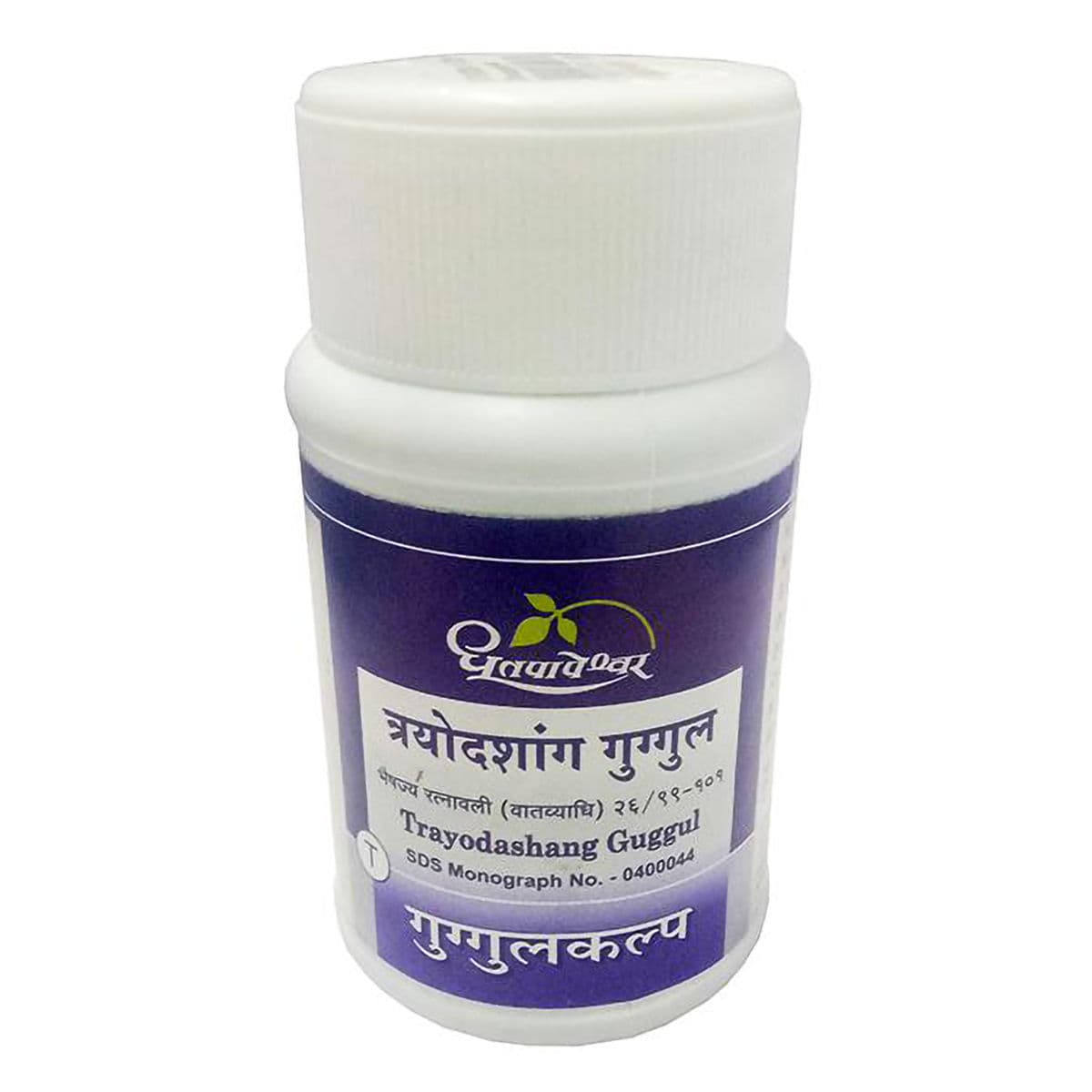 Prescribed to you4.7₹17 cashback
Trayodashang Guggul (Dhootapapeshwar) SDL
SDLVata disorder support
Strip of 60 Tablets
4.7
₹175Get ₹17 Cashback
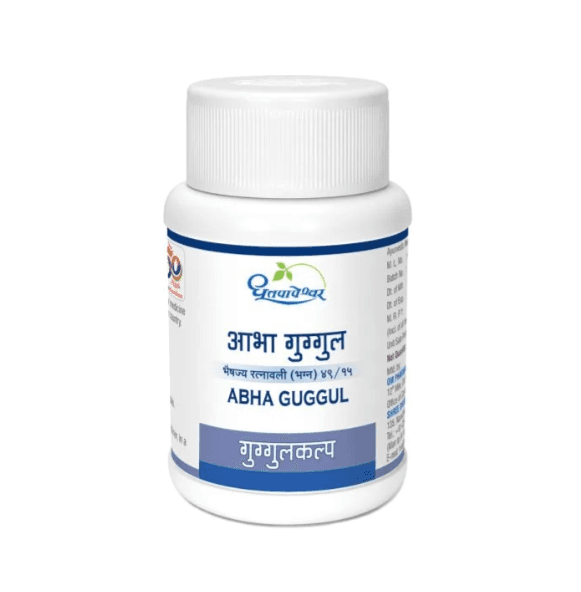 Prescribed to you4.5₹18 cashback
Abha Guggul (Dhootapapeshwar)SDLPhysician-guided bone injury care
Strip of 60 Tablets
4.5
₹181Get ₹18 Cashback
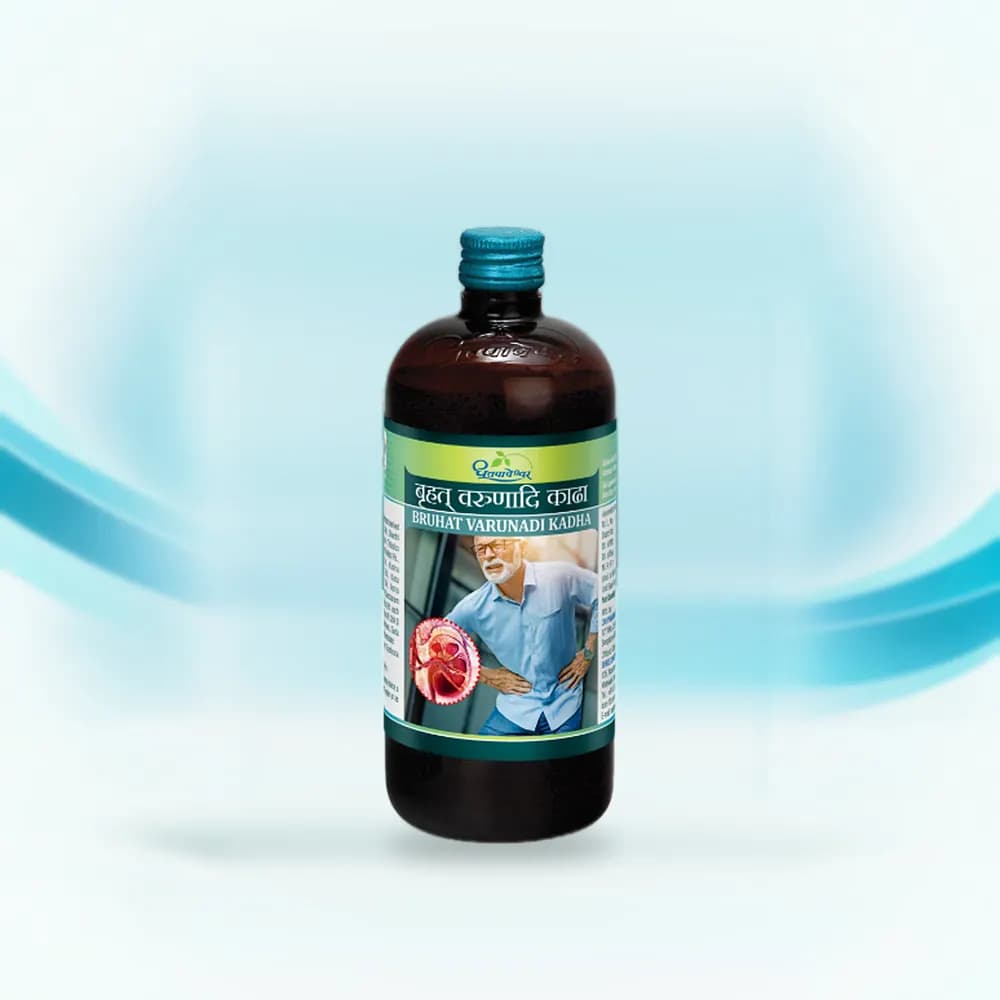 Prescribed to you4.4₹11 cashback
Bruhat Varunadi Kadha (Dhootapapeshwar)SDLSupports urinary comfort
Bottle of 200 ml
4.4
₹110Get ₹11 Cashback
