Gout
Reviewed by medical experts · For informational purposes only
Introductory summary
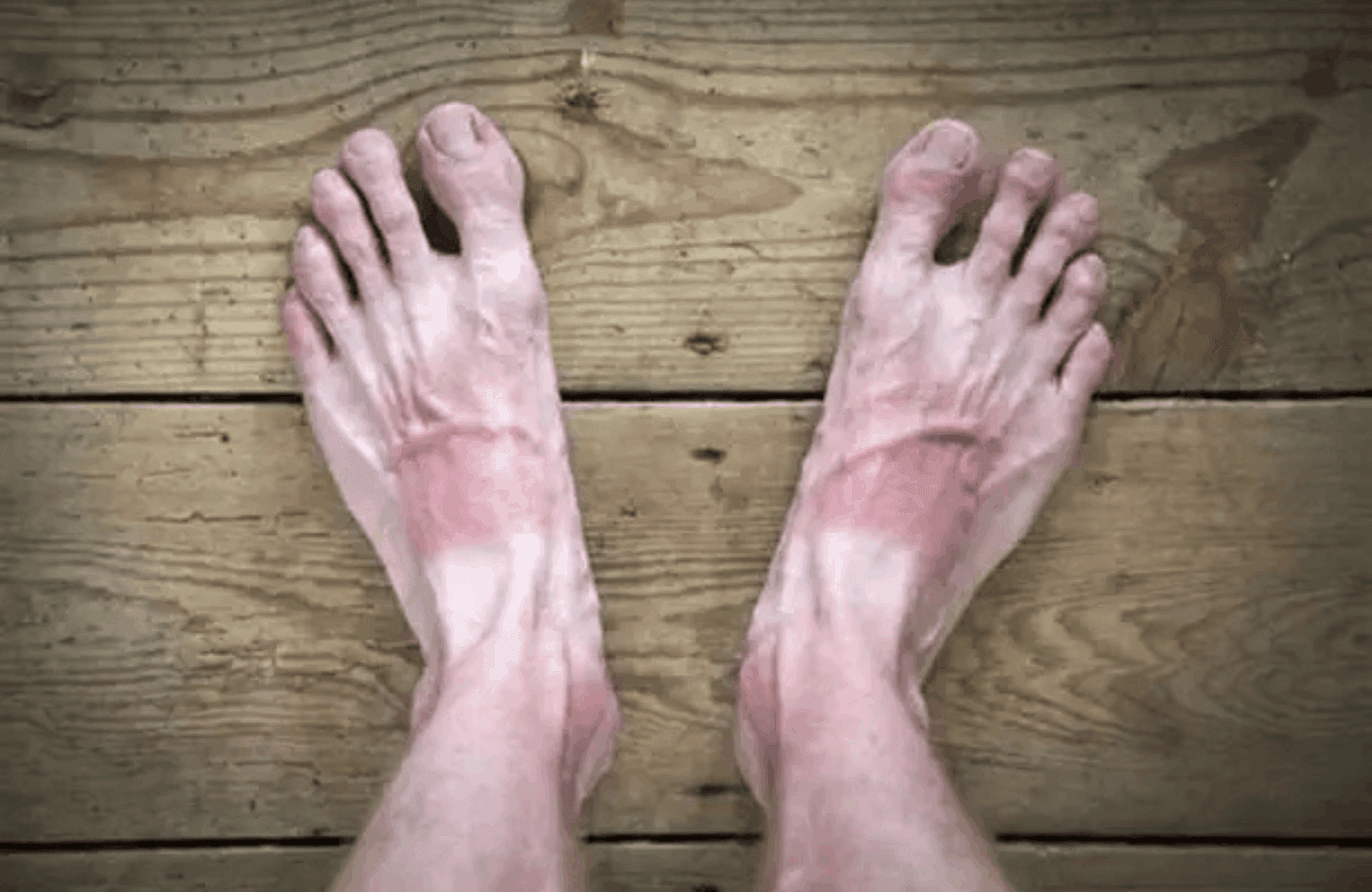
Gout corresponds to the Ayurvedic condition Vatarakta characterized by the obstruction of aggravated Vata dosha by vitiated Rakta or blood. It typically affects wealthy or sedentary individuals consuming excessive salty sour and pungent foods. The disease manifests in the joints particularly the feet and hands causing severe pricking pain redness burning sensation and swelling. Pathology involves the blockage of Vata movement by impure blood leading to inflammation. Management focuses on blood purification and Vata pacification through therapies like Raktamokshana or bloodletting and Basti. Key medicinal treatments include Guduchi which is considered the specific remedy along with formulations like Kaishora Guggulu Amritadi Guggulu and external application of Pinda Taila to alleviate pain and burning.
Gout
Gout is a form of inflammatory arthritis characterized by recurrent attacks of a red, tender, hot, and swollen joint. In Ayurveda, this condition is known as Vatarakta. It is a unique pathology where the Vata Dosha (wind humor) is obstructed by vitiated Rakta (blood), leading to severe pain and burning sensations in the joints. It is also historically referred to as Adhyavata (disease of the wealthy) or Khudavata.
1. Definition
Modern Definition: A metabolic disorder caused by the accumulation of uric acid crystals in the joints, causing inflammation and intense pain, often starting in the big toe.
Ayurvedic Definition: Vatarakta is a disease caused by the vitiation of Rakta (blood) and Vata dosha. Due to the subtle and pervasive nature of Vata and the liquid, flowing nature of blood, they spread through the body and get lodged in the joints—particularly the hands and feet—causing pain, stiffness, and copper-colored swelling.
2. Etymology & Conceptual Meaning
- Vatarakta: A compound word formed by Vata (one of the three bio-energies responsible for movement) and Rakta (blood). It signifies a condition where Vata is obstructed by Blood.
- Adhyavata: Adhya means wealthy or prosperous. This name implies that the disease typically affects those who live a sedentary, luxurious lifestyle and consume rich foods.
- Khudavata: Sometimes referred to as a disease affecting the extremities (ankles/wrists).
- Conceptual Interpretation: Ayurveda views this not merely as a joint disease but as a systemic disorder of blood metabolism affecting the joints. The pathologically increased blood (Rakta) acts as a barrier to the movement of Vata, causing the wind energy to become aggravated and cause intense pain.
3. Causes (Nidana)
Ayurvedic texts like Madhava Nidana and Chakradatta attribute Vatarakta to specific dietary and lifestyle errors that simultaneously aggravate Vata and blood.
- Dietary Causes:
- Excessive consumption of foods that are Lavana (salty), Amla (sour), Katu (pungent), Kshara (alkaline), and Snigdha (too oily).
- Intake of Viruddha Ahara (incompatible food combinations) and eating before the previous meal is digested (Adhyashana).
- Excessive intake of Mamsa (meat), Madya (alcohol/wine), Dadhi (curd/yogurt), Pinyaka (oil cakes), Mulaka (radish), and Masha (black gram).
- Lifestyle Causes:
- Divaswapna: Sleeping during the day.
- Jagarana: Staying awake late at night.
- Avyayama: Lack of physical exercise (sedentary habits of the wealthy - Sukumarinam).
- Abhighata: Trauma or injury to the joints.
- Psychological Factors:
- Krodha: Excessive anger is explicitly listed as a causative factor that vitiates blood.
4. Journey of the Disease (Pathogenesis/Samprapti)
- Samprapti Ghataka (Components):
- Dosha: Vata and Rakta (Blood) are the primary pathogenic factors.
- Dushya (Tissues): Rakta (Blood) initially, followed by Mamsa (flesh) and joints.
- Srotas (Channels): Raktavaha Srotas (Blood-carrying channels) and joints.
- Adhisthana (Site): Joints of the hands (Hasta) and feet (Pada), specifically the base (Pada-Mula).
- Pathogenesis:
- Due to the consumption of improper diet (like sour/salty foods) and sedentary lifestyle, the Rakta (blood) becomes vitiated.
- Simultaneously, Vata is aggravated due to factors like astringent foods or trauma.
- The vitiated blood obstructs the path of Vata.
- Because the joints are tortuous (curved), the circulating Vata and Blood get lodged there.
- This obstruction leads to the classic symptoms of pain and burning, spreading through the joints like rat poison (Akhu-visha).
5. Symptoms (Lakshana)
- Early Symptoms (Purvarupa):
- Advanced Symptoms:
6. Different Types or Classification (Bheda)
Madhava Nidana classifies Vatarakta based on the depth of the disease and the dominant Dosha.
A. Based on Location:
- Uttana (Superficial): Located in the skin (Twak) and muscle (Mamsa). Characterized by itching, burning, and prickling pain.
- Gambhira (Deep): Located in the deeper tissues like joints and bones. Characterized by hard swelling, severe pain, throbbing, and potential lameness (Khanja/Pangu).
B. Based on Dosha Dominance:
- Vataja: Dominated by severe pain, throbbing, dryness, and blackish swelling.
- Raktaja: Characterized by excessive swelling, copper-colored skin, itching, and oozing.
- Pittaja: Dominated by burning sensation (Daha), redness, sweating, and fainting.
- Kaphaja: Dominated by numbness, heaviness, coldness to touch, and itching.
7. Diagnosis
- Ayurvedic Diagnosis (Roga Pariksha):
- Darshana (Observation): Visual inspection of the joints for specific colors (copper/red for Rakta/Pitta, black for Vata) and swelling.
- Sparshana (Touch): Checking for local temperature (hot in Pitta/Rakta, cold in Kapha) and hardness.
- Prashna (Questioning): Inquiry about lifestyle (sedentary/wealthy habits) and diet (excessive sour/salty foods).
- Differential Diagnosis:
- Amavata (Rheumatism): Vatarakta must be distinguished from Amavata. In Amavata, the swelling often migrates and is associated with indigestion (Ama), whereas Vatarakta typically starts at the extremities (hands/feet) and presents with intense burning and redness characteristic of blood vitiation.
8. Disease Management
Management focuses on Raktaprasadana (soothing the blood) and Vatashamana (pacifying Vata) without aggravating the other.
Diet (Ahara)
- Beneficial: Old barley (Yava), wheat (Godhuma), Shali rice, and milk of goat, buffalo, or cow. Vegetable soups of Patola (pointed gourd) and Karvellaka (bitter gourd) are recommended.
- Avoid: Sour, salty, pungent, and heavy foods. Avoid incompatible foods and alcohol.
Medicines
- Guduchi (Tinospora cordifolia): This is considered the premier herb for Vatarakta. It is used as a decoction, paste, or with ghee.
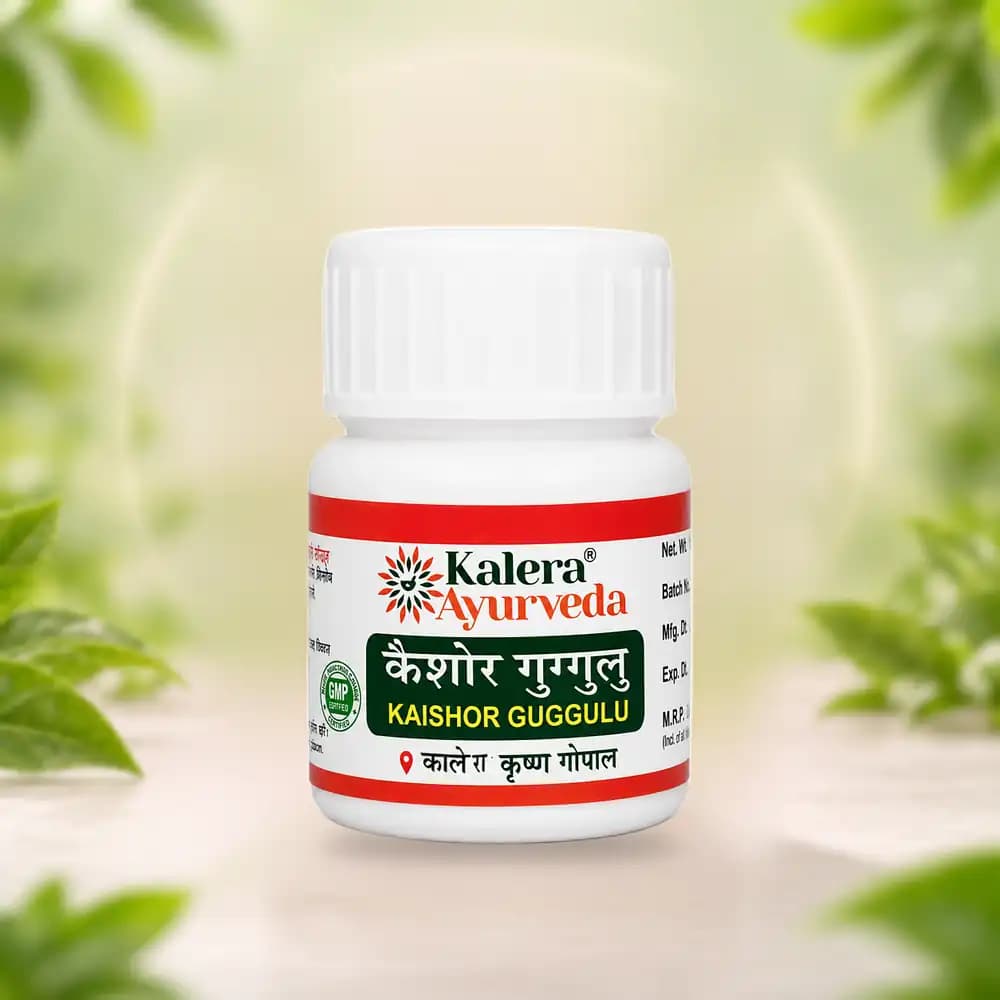
- Kaishora Guggulu: A famous formulation indicated for Vatarakta, skin diseases, and ulcers.
- Amritadi Guggulu: Specifically indicated for Vatarakta and skin disorders.
- Kokilaksha: A decoction of Kokilaksha (Asteracantha longifolia) is specifically mentioned to treat Vatarakta.
- Pinda Taila: A medicated oil applied externally to relieve pain and burning in gout.
- Guduchi Taila: Oil prepared with Guduchi and milk, used for massage and internal consumption.
Panchakarma (Procedures)
- Raktamokshana (Bloodletting): This is a primary treatment. Depending on the severity, blood is let using leeches (Jalauka), horns (Shringa), or venesection (Siravyadha) to relieve the obstruction and pain.
- Basti (Enema): Medicated enemas are highly praised. Kshira Basti (milk enema) or enemas with Guduchi are effective for soothing pain and balancing Vata-Rakta.
- Virechana (Purgation): Use of mild purgatives like Trivrit or Castor Oil (Eranda) to expel vitiated Pitta and Rakta.
- Lepa (External Pastes): Application of cooling pastes made of Sandalwood, Lentils (Masura), or Prapunnada with sour gruel.
9. Prognosis
- Sadhya (Curable): If the disease is new (Nava) and involves only one Dosha, it is easily curable.
- Yapya (Manageable): If it involves two Doshas or has become chronic, it can be managed but requires lifelong care.
- Asadhya (Incurable): If the condition involves all three Doshas (Tridosha), involves open wounds that ooze, or if the patient is very weak with complications like severe deformity (Vakri-kurvanti), it is considered incurable.
10. Modern Correlations
- Similarities: The Ayurvedic description of Vatarakta affecting the Pada-mula (base of the foot/big toe) with redness and severe pain parallels the clinical presentation of Podagra (Gout in the big toe).
- Differences: Modern medicine identifies uric acid as the chemical cause. Ayurveda describes the pathology as a functional obstruction of Vata by Blood. Ayurveda also groups some vascular conditions under the umbrella of Vatarakta if they present with similar pain and discoloration.
- Limitations: While the clinical picture is identical, the treatment targets the Doshas rather than solely reducing uric acid levels biochemically.
11. References
-
World Health Organization (WHO) – Musculoskeletal conditions
https://www.who.int/teams/noncommunicable-diseases/musculoskeletal-health
-
Centers for Disease Control and Prevention (CDC) – Gout
https://www.cdc.gov/arthritis/basics/gout.html
-
National Institute of Arthritis and Musculoskeletal and Skin Diseases (NIAMS – NIH) – Gout
https://www.niams.nih.gov/health-topics/gout
-
Mayo Clinic – Gout
https://www.mayoclinic.org/diseases-conditions/gout
-
StatPearls (NCBI Bookshelf) – Gout
https://www.ncbi.nlm.nih.gov/books/NBK546606/
-
National Health Portal of India – गाउट / वातरक्त (Gout)
https://www.nhp.gov.in/disease/musculoskeletal/gout
-
Ministry of Health & Family Welfare, Government of India – गठिया एवं जोड़ों के रोग
https://www.mohfw.gov.in/
12. FAQ Section
Q: Can Ayurveda cure Gout?
A: According to Ayurvedic texts, Vatarakta (Gout) is curable (Sadhya) if treated in the early stages and involves only one Dosha. Chronic cases are generally considered manageable (Yapya).
Q: What is the best Ayurvedic herb for high uric acid/Gout?
A: Guduchi (Giloy/Tinospora cordifolia) is widely cited in texts like Chakradatta as the specific remedy for Vatarakta, capable of treating even severe cases.
Q: What foods should be avoided in Gout according to Ayurveda?
A: One should avoid sour (Amla), salty (Lavana), and pungent foods. Specifically, yogurt (Dadhi), alcohol (Madya), radish (Mulaka), and black gram (Masha) are contraindicated.
Q: Is massage good for Gout?
A: Yes, but it depends on the stage. Application of specific medicated oils like Pinda Taila or Guduchi Taila is recommended to relieve pain and burning. However, deep massage on an acutely inflamed joint is generally avoided; gentle application is preferred.
Q: What is the difference between Rheumatism and Gout in Ayurveda?
A: Rheumatism is correlated with Amavata, caused by Ama (toxins) and Vata, often starting with indigestion and body aches. Gout is Vatarakta, caused by Rakta (blood) and Vata, characterized by intense burning, redness, and starting in the extremities.
Consult a Doctor
- DS4.2Deeksha sharma
Ayurveda4 yrs exp
- MS4.2Midun s kumar
Ayurveda4 yrs exp
- DR4.3Dr.Prajwal Raj Biradar
Ayurveda1 yrs exp
- BY4.3Bapodara yash kanabhai
Ayurveda3 yrs exp
Buy Medicine
 Prescribed to you4.6₹18 cashback
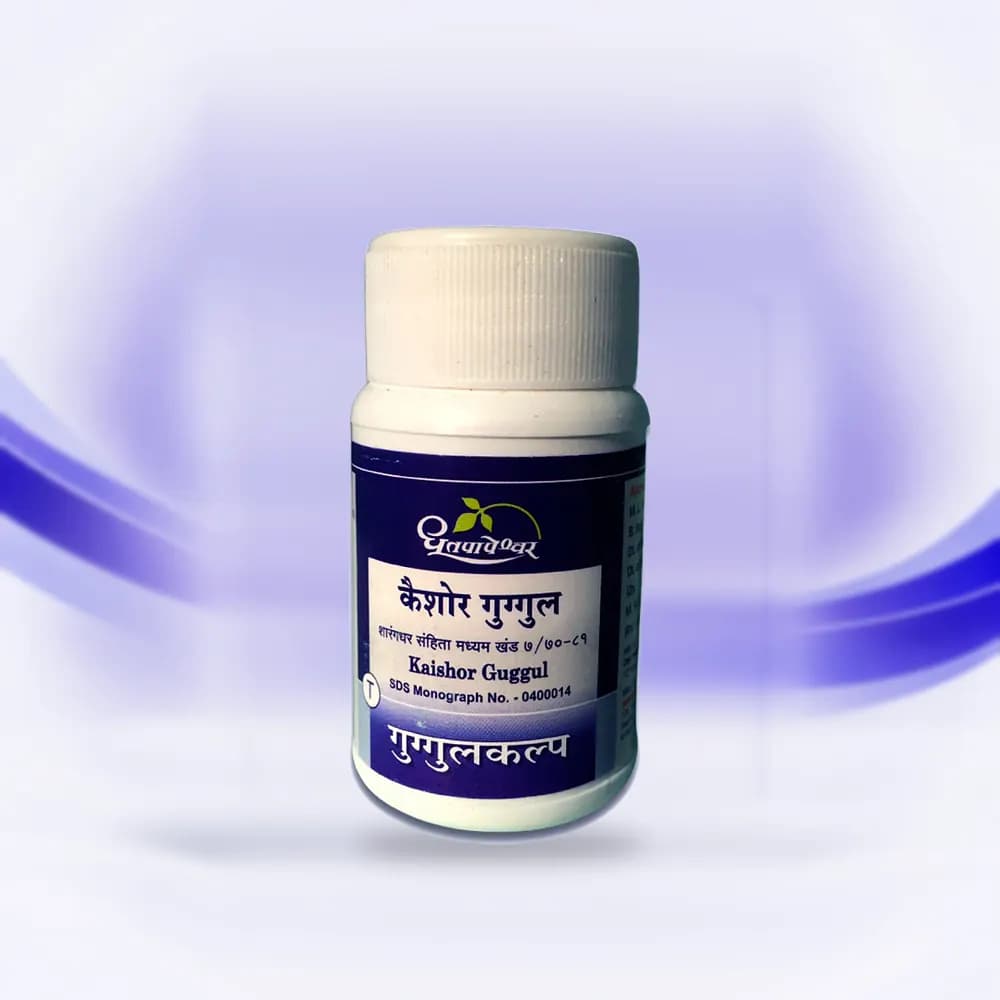
Kaishor Guggul (Dhootapapeshwar) SDL
SDLSupports Vatarakta care
Strip of 60 Tablets
4.6
₹180Get ₹18 Cashback
 Prescribed to you4.5₹33 cashback
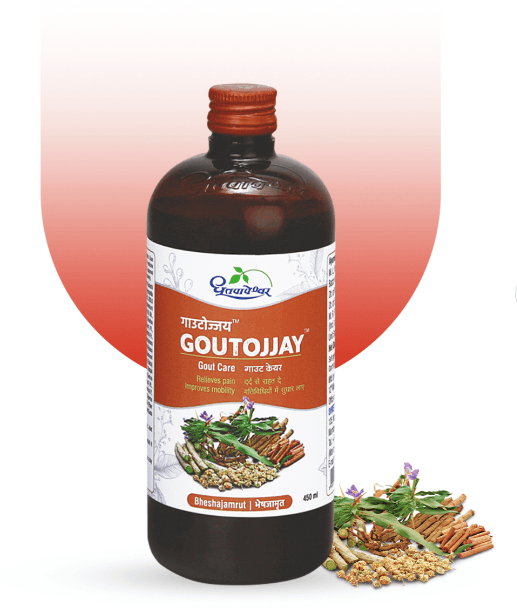
Goutojjay (Dhootapapeshwar)SDLJoint pain and stiffness support
Bottle of 450 ml
4.5
₹330Get ₹33 Cashback