Sandalwood
Reviewed by medical experts · For informational purposes only
Introductory summary
Sandalwood known as Chandana in Ayurveda refers to the heartwood of Santalum album or Pterocarpus santalinus. It possesses Bitter and Sweet tastes with Light and Dry qualities but is most valued for its potent Cold potency or Sheeta Virya. This makes it a premier herb for pacifying Pitta dosha and purifying the blood. It acts as a powerful refrigerant relieving burning sensations known as Daha along with fever and excessive thirst. Therapeutically it is indicated for bleeding disorders like Raktapitta skin diseases including Erysipelas and urinary conditions. It is also classified as Varnya for improving complexion and Hridya for heart health. Sandalwood is extensively used in cooling formulations and external pastes to treat inflammation and toxicity.,,,
Sandalwood
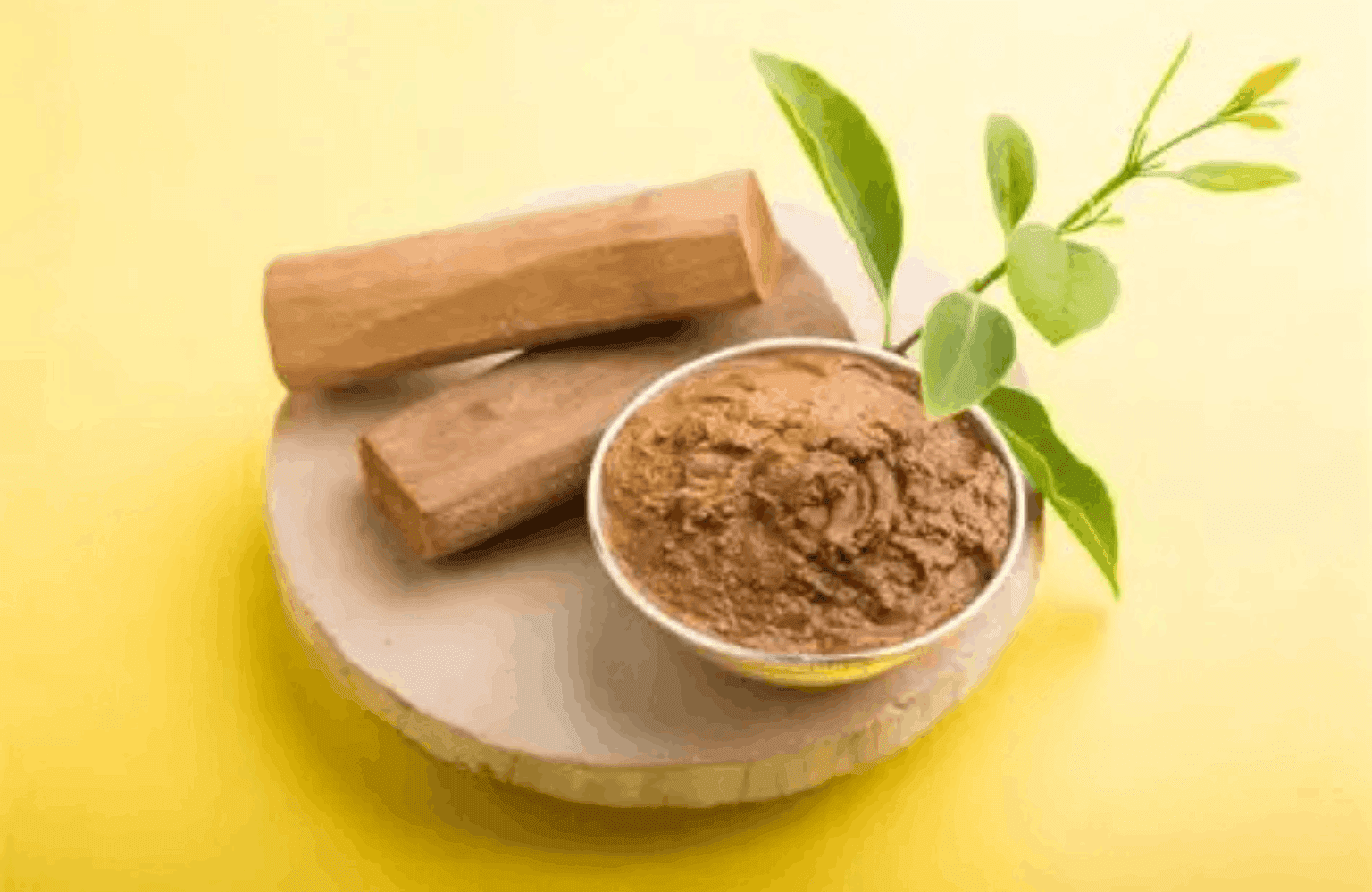
Sandalwood, known in Ayurveda primarily as Chandana (referring to White Sandalwood, Santalum album) and Raktachandana (Red Sandalwood, Pterocarpus santalinus), is one of the most revered substances in Indian medicine. It is globally famous for its fragrance, but in Ayurveda, it is a clinical powerhouse used to treat conditions of high heat, blood impurities, and burning sensations. It is classified as a refrigerant (Sheeta) and a complexion enhancer (Varnya).
1. Name of the Herb
- Common Name: Sandalwood, White Sandalwood.
- Scientific Name: Santalum album Linn. (White) / Pterocarpus santalinus Linn. (Red).
- Sanskrit Names: Śvetacandana, Candana, Śrīkhaṇḍa, Gandhasāra, Malayaja.
- Regional Names: Safed Chandan (Hindi), Sandal (English), Chandanam (Tamil/Telugu/Malayalam).
2. Brief Description
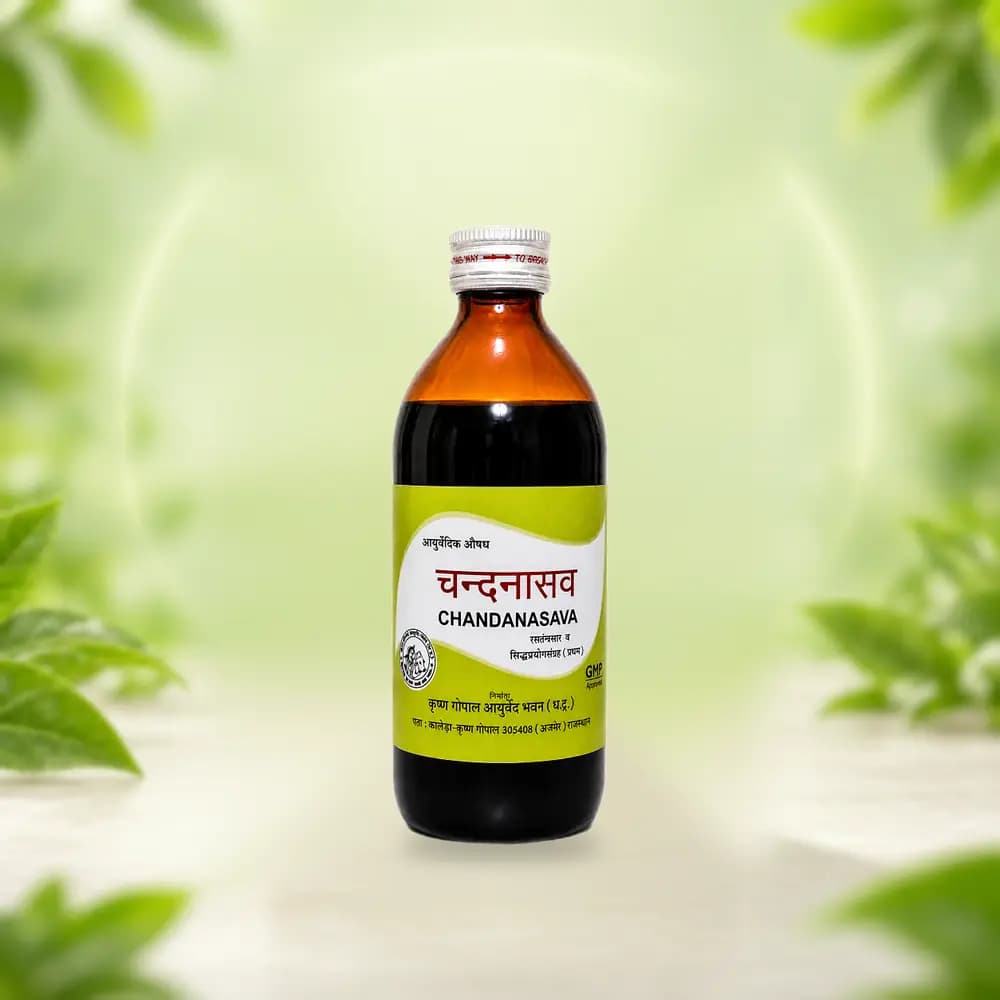
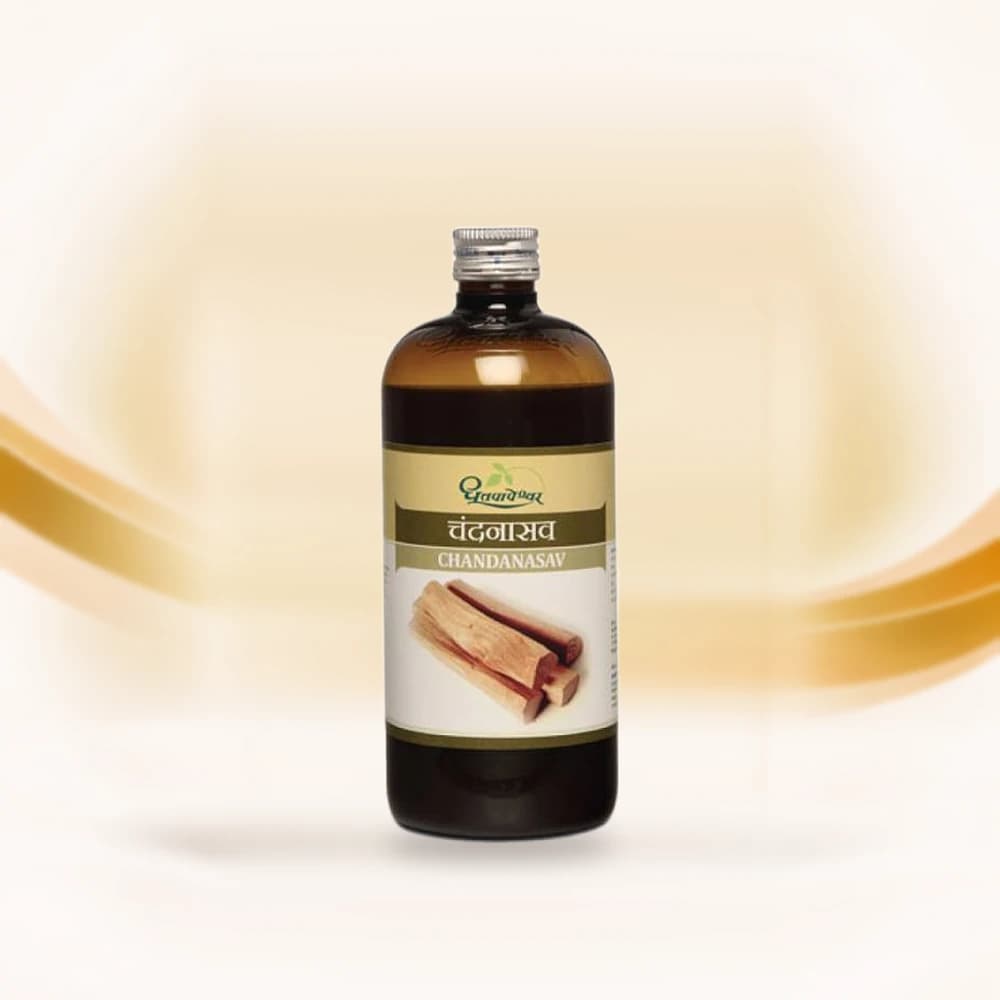
Sandalwood is a medium-sized, evergreen, hemiparasitic tree. The medicinal part is the Heartwood, which is scented and hard. In Ayurveda, it is the gold standard for pacifying the Pitta dosha (fire element). It is described as Varnya (improves skin complexion), Hridya (beneficial for the heart), and Dahaprasamana (relieves burning sensation). It is a key ingredient in cooling formulations like Chandanasava and Chandanadi Taila.
3. Source / Part Used
- Plant Source: Herbal / Plant-based (Tree heartwood).
- Part Used: Heart Wood (Kāṣṭha / Sāra).
4. Ayurvedic Properties
According to the Ayurvedic Pharmacopoeia of India and Dravyaguna Vijnana:
- Rasa (Taste): Tikta (Bitter) and Madhura (Sweet).
- Guna (Qualities): Laghu (Light) and Rūkṣa (Dry).
- Virya (Potency): Śīta (Cold).
- Vipaka (Post-digestive effect): Kaṭu (Pungent).
- Dosha Effect: Pitta-Kapha hara (Pacifies Pitta and Kapha, but primarily Pitta due to its cold potency).
5. Key Benefits
- Relieves Burning Sensation: Acts as a powerful refrigerant to stop Daha (burning sensation in the body, palms, or soles).
- Purifies Blood: Effective in Raktapitta (bleeding disorders) and acts as a hemostatic agent.
- Enhances Complexion: Classified as Varnya, it improves skin tone and treats discoloration.
- Supports Heart Health: It is Hridya, acting as a tonic for the heart.
- Combats Poison: Possesses Vishaghna (anti-poison/anti-toxic) properties.
6. Uses / Indications
Sandalwood is indicated in Ayurveda for the following conditions:
- Fever: Jvara, particularly Pitta-type fever with high heat and burning.
- Excessive Thirst: Trishna, often occurring in fevers or summer heat.
- Skin Diseases: Kushtha, Visarpa (Erysipelas/Herpes), and inflammation due to its cooling and blood-purifying nature.
- Burning Sensation: Daha, including burning in micturition (urine) or general body heat.
- Mental Disorders: Used in Unmada (Mania) and Apasmara (Epilepsy) to cool the mind.
- Bleeding Disorders: Raktapitta (nasal bleeding, heavy periods).
7. How It Works
- Refrigerant Action: Its Sheeta (Cold) potency directly neutralizes the hot quality of Pitta dosha and the blood (Rakta). This reduces inflammation, fever, and burning sensations immediately.
- Blood Purification: The Tikta (Bitter) taste helps clear toxins (Ama) from the blood, making it effective for skin disorders and infections.
- Diuretic: It has a diuretic action (Mutrala), helping to flush out heat through urine, useful in dysuria and cystitis.
8. Dosage
(General guidance for the Heartwood Powder):
- Powder (Churna): 3 to 6 grams.
- Decoction: 50-100 ml (often used in combination with other cooling herbs).
- External Paste (Lepa): Applied externally as needed for skin conditions or headaches.
9. Safety Information
Sandalwood is generally considered very safe when used in recommended dosages. It is a cooling substance used even for children and pregnant women (under supervision) for stabilizing the fetus (Garbhasthapana) in cases of bleeding.
10. Side Effects
- Digestion: Due to its Cold potency, excessive internal use in people with weak digestion (Mandagni) may dampen the digestive fire further.
- Constipation: It has a slight Grahi (binding/absorbent) nature, which may cause constipation if taken in excess.
11. Precautions
- Cold Constitution: Individuals with Vata or Kapha aggravation (suffering from cold, cough, or asthma) should use it with caution or combined with warmer herbs, as its extreme coldness can increase congestion or stiffness.
- Purity: Pure Santalum album is rare; adulteration is common. Ensure the source is authentic heartwood.
12. Storage Instructions
- Store the powder or wood in a cool, dry place.
- Keep in an air-tight container to retain the volatile oil and fragrance, which are crucial for its medicinal activity.
13. References
-
Ayurvedic Pharmacopoeia of India (API) – Santalum album
https://pcimh.gov.in
-
WHO Monographs on Selected Medicinal Plants
https://apps.who.int/iris/handle/10665/42052
-
WHO Global Report on Traditional and Complementary Medicine
https://www.who.int/publications/i/item/9789241515436
-
European Medicines Agency (EMA) – Santalum album
https://www.ema.europa.eu
-
ESCOP Monographs – Sandalwood Oil
https://escop.com
-
FAO Ecocrop Database – Santalum album
https://ecocrop.fao.org
-
PubMed – Santalum album Research Articles
https://pubmed.ncbi.nlm.nih.gov/?term=Santalum+album
-
NCBI Taxonomy Database – Santalum album
https://www.ncbi.nlm.nih.gov
-
ScienceDirect – Sandalwood Phytochemistry & Pharmacology
https://www.sciencedirect.com/topics/pharmacology-toxicology-and-pharmaceutical-science/santalum-album
-
Wiley Online Library – Sandalwood Research
https://onlinelibrary.wiley.com
-
Kew Science – Plants of the World Online (Santalum album)
https://powo.science.kew.org
14. FAQs
** **Q. Can it be taken daily?
Internally, it is usually taken for specific conditions (like summer heat or urinary burning) for a limited time. Externally (paste), it can be used daily for skin care.
Q. When should it be taken?
It is often effective when taken with water or rice water (Tandulodaka) to stop bleeding or burning sensations.
Q. Can it be taken with milk/water?
Yes, it can be taken with water or milk. A common remedy for burning sensation (Daha) is drinking water infused with Sandalwood.
Consult a Doctor
- AK4.8Dr. Amalnath K Viswanathan
Ayurveda4 yrs exp
- AI4.9Dr. Aayush Ishwar
Ayurveda2 yrs exp
- KJ4.6Dr Kruti Jaxesh Bhavsar
Ayurveda1 yrs exp
- MS4.2Midun s kumar
Ayurveda4 yrs exp
Buy Medicine
 Prescribed to you4.5₹14 cashback
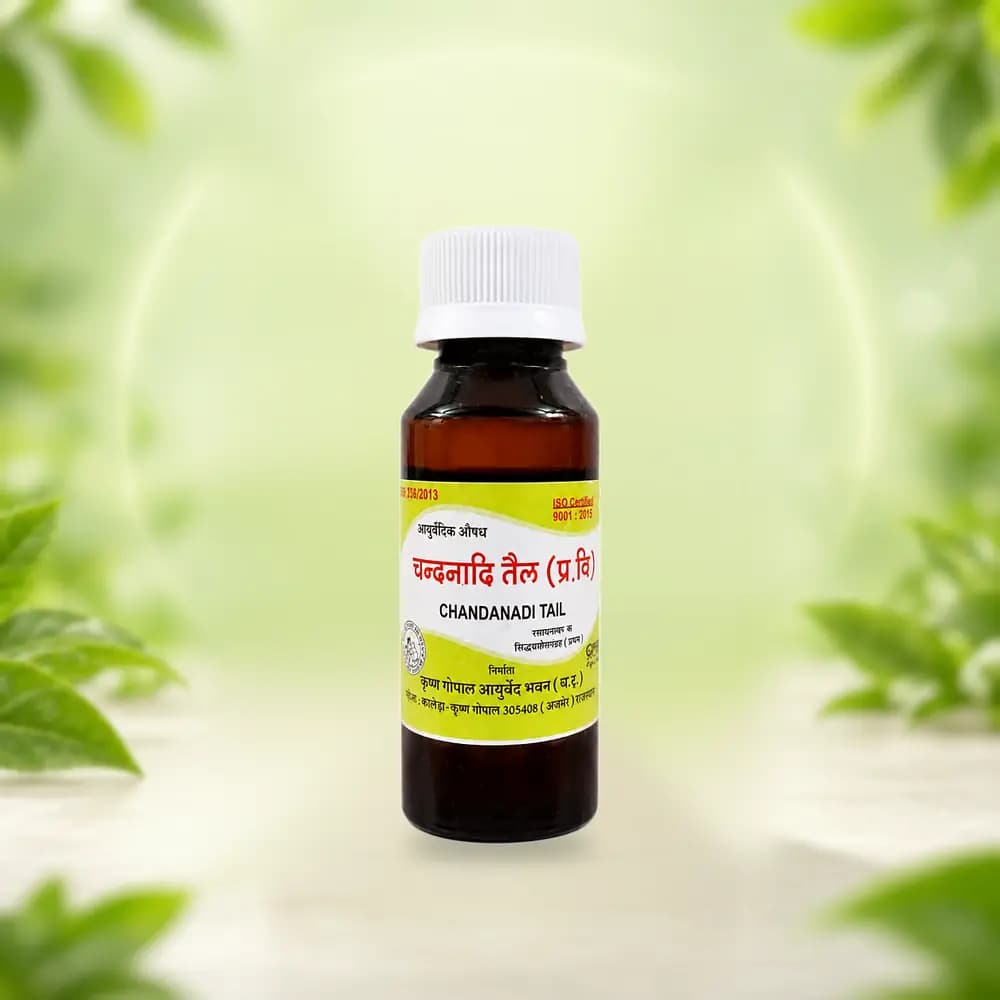
Chandanadi Taila (Pra.Vi.) (Kalera) Kalera
Cooling, urinary infections oil
Bottle of 50 ml
4.5
₹145Get ₹14 Cashback
 Prescribed to you4.4₹33 cashback
Chandan Bala-Lakshadi Taila (Kalera)KaleraBody nourisher, massage oil
Bottle of 50 ml
4.4
₹334Get ₹33 Cashback