
Herpes
Reviewed by medical experts · For informational purposes only
Introductory summary
In Ayurveda, Herpes is closely identified with **Visarpa** (spreading skin disease) and **Visphota** (blisters), which are primarily caused by the vitiation of **Pitta dosha** and **Rakta** (blood tissue),. As described in *Madhava Nidana*, the condition is characterized by rapidly spreading red inflammation, intense burning sensations, fever, and the eruption of vesicles. The etiology typically involves the consumption of excessive hot, sour, and saline foods that aggravate Pitta. Therapeutic management strictly contraindicates heating procedures like **Swedana** (fomentation); instead, it emphasizes cooling therapies, including the application of herbal pastes and internal purification through **Virechana** (purgation) and bloodletting to eliminate toxins and heat,.
Herpes
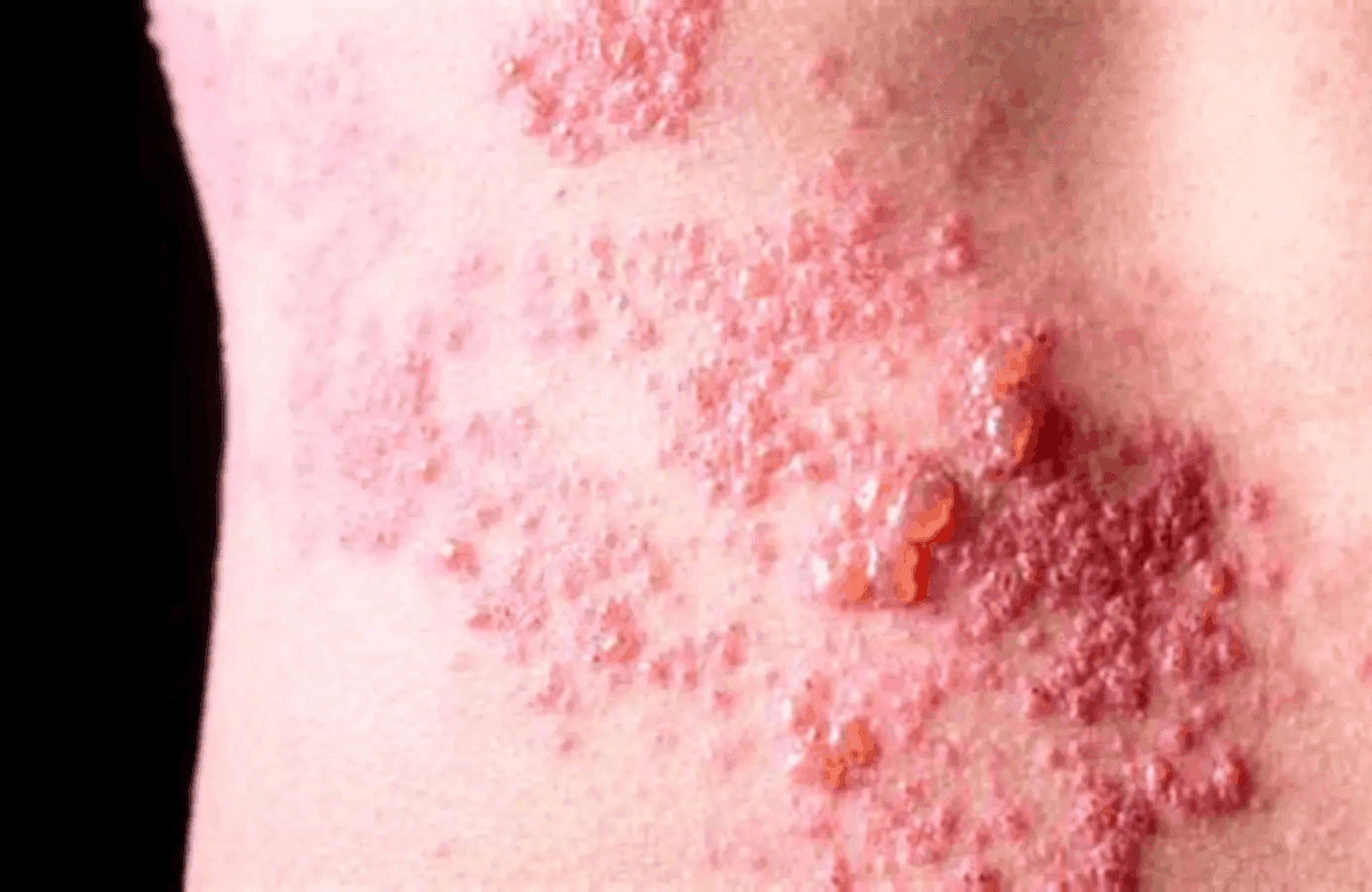
Herpes is a viral infection characterized by painful blisters and sores. In Ayurveda, its clinical features are described under Visarpa (spreading skin disease) and Kaksha (Herpes Zoster). The term Visarpa literally means “to spread,” likening the disease to a snake (Sarpavat) spreading over the body .
1. Definition
In Ayurveda, the condition resembling Herpes Zoster is primarily defined as Kaksha or Visarpa.
-
Visarpa is a serious skin disease involving the spread of inflammation, characterized by the appearance of various types of vesicles or blisters (Sphota) on the skin, accompanied by fever and intense burning,.
-
Kaksha is a specific condition classified under minor diseases (Kshudraroga) where painful blisters appear, typically under the armpit or on the side of the trunk,.
2. Etymology & Conceptual Meaning
-
Literal Meaning: The term Visarpa comes from the root Sarp, meaning "to move" or "to crawl." It signifies a disease that spreads over the body like a snake (Sarpavat),. The term Kaksha refers to the armpit or flank, denoting the primary location of the lesions.
-
Conceptual Interpretation: Ayurveda views this not just as a skin infection but as a systemic vitiation of blood (Rakta) and the fire element (Pitta). It represents an explosive release of heat and toxins that burn the skin from within, leading to blisters that resemble burns from fire or alkali,.
3. Causes (Nidana)
The causes are factors that aggravate Pitta and vitiate the blood.
Dietary Causes
-
Taste: Excessive consumption of foods that are salt (Lavana), sour (Amla), and pungent (Katu),.
-
Foods: Intake of curd (yogurt), vinegar, alcohol (Madya), sesame, garlic, and incompatible food combinations (Viruddha Ahara),.
-
Qualities: Eating hot (Ushna) and sharp/penetrating (Teekshna) substances.
Lifestyle Causes
-
Exposure: Excessive exposure to sun, fire, or strong winds.
-
Habits: Sleeping during the day (Divaswapna) and lack of physical discipline,.
-
Trauma: Physical injury (Abhighata) can also trigger Visarpa.
Psychological Factors
- Emotional disturbances such as excessive anger, frustration, and stress are significant contributors to the aggravation of Pitta, which manifests as skin inflammation,.
4. Journey of the Disease (Samprapti)
The disease process involves the contamination of seven bodily elements (Sapta Dhatu /Dushya).
-
Dosha: Primarily Pitta, often combined with Vata (causing pain) and Kapha (causing itching),.
-
Dushya (Tissues): The disease affects the Skin (Twak), Blood (Rakta), Muscle (Mamsa), and Lymph (Lasika). These are the substratum of the disease,.
-
Srotas (Channels): Raktavaha Srotas (blood-carrying channels).
-
Agni (Metabolism): Impaired digestion leads to the formation of heat and toxins.
-
Process: The vitiated Pitta, fueled by the consumption of heating foods, mixes with Vata and swiftly spreads through the blood and skin vessels. It burns the tissues, creating red, painful blisters,.
5. Symptoms (Lakshana)
Early Symptoms
-
Excessive thirst and burning sensation.
-
Fever (Jwara) and body aches.
-
Redness or discoloration of the skin where the outbreak will occur.
Advanced Symptoms
-
Blisters: Appearance of a chain of vesicles (Sphota) resembling pearls or sparks of fire,.
-
Pain: Intense, piercing pain often described as being burned by fire or cut by weapons,.
-
Location (Kaksha)): Specifically in Kaksha, blisters appear in the armpit, side, or shoulder region and are often black or red and very painful,.
-
Systemic: Fever, fainting, burning eyes, and exhaustion,.
6. Different Types or Classification (Bheda)
Madhava Nidana and Charaka Samhita classify Visarpa into seven types,:
- Vataja: Dry, rough, painful blisters; blackish in color.
- Pittaja: Rapidly spreading, red blisters with intense burning and suppuration.
- Kaphaja: Itchy, pale, slow-spreading, and deep-seated blisters.
- Agni Visarpa (Fire Herpes): A severe Vata-Pitta condition resembling burns, with coal-colored skin and extreme burning sensation. This correlates closely with severe Herpes Zoster,.
- Granthi Visarpa: Characterized by glandular swellings and knots.
- Kardamaka: A damp, muddy appearance (Kapha-Pitta).
- Sannipatika: Caused by all three Doshas; very difficult to treat.
7. Diagnosis
Ayurvedic Diagnosis
-
Visual Examination (Darshana): Observing the color of the blisters (red/black/pale) to determine the dominant Dosha,.
-
Tactile Examination (Sparshana): Checking for heat and tenderness.
-
Symptoms (Lakshana): The presence of a "garland" of blisters accompanied by fever and burning is a hallmark sign,.
Differential Diagnosis
It is distinguished from Masurika (Chickenpox/Smallpox) by the localized nature of the spread (often lateral or band-like in Kaksha) versus the generalized breakout in Masurika,.
8. Disease Management
The treatment principle is similar to that of burns (Visphota) and Pitta-dominant fevers.
Diet (Ahara)
-
Recommended: Light, bitter, and cooling foods. Green gram (Mung) beans, barley, and pointed gourd (Patola).
-
Avoid: Sour foods, yogurt, alcohol (Madya), red meat, and spicy substances,.
Lifestyle (Vihara)
-
Avoid sun exposure and physical exertion.
-
Maintain hygiene to prevent secondary infection.
Medicines (Aushadhi)
-
Bitter Herbs: Decoctions containing Patola, Nimba, Triphala, and Musta are essential to purify blood and reduce Pitta, in formulations like Patoladikawa.
-
External Applications (Lepa):
-
Shatadhouta Ghrita: Ghee washed 100 times is applied to cool the burning sensation.
-
Dashanga Lepa: A paste of 10 herbs applied to the lesions to reduce inflammation,.
-
Suryakanti Root: Paste of the root of Suryakanti mixed with rice water is specific for Kaksha,.
-
Leech Therapy (Jalauka): In cases of severe burning and localized blood vitiation, applying leeches is recommended to remove toxic blood,.
-
Panchakarma
-
Virechana (Purgation): Since the disease is rooted in Pitta and Rakta, therapeutic purgation using herbs like Trivrit or Triphala is the most effective purification therapy,.
-
Raktamokshana (Bloodletting): Bloodletting is indicated to immediately relieve the pressure of vitiated blood in the affected area,.
9. Prognosis
-
Curable: Visarpa located in the skin and flesh (external) is generally curable. Kaksha is usually curable but painful.
-
Difficult/Incurable: Types that affect the vital organs (Marmas), or the Sannipatika (tridosha) type where the skin sloughs off, are considered critical and difficult to cure,. Agni Visarpa can be fatal if not treated promptly.
10. Modern Correlations
-
Similarities: The Ayurvedic description of Kaksha (painful blisters in the armpit/trunk) correlates directly with Herpes Zoster (Shingles). The description of Agni Visarpa, with its burning pain and vesicular eruption, also mirrors severe Herpes presentations,.
-
Differences: Modern medicine identifies the Varicella-Zoster virus as the cause. Ayurveda attributes it to dietary and lifestyle errors vitiating the body's humors (Doshas).
-
Limitations: While Ayurvedic management effectively reduces pain (post-herpetic neuralgia) and recurrence through detoxification, acute antiviral intervention is not described in traditional texts in the modern sense.
11. References
- A Practical Handbook of Panchakarma Procedures
- Chakradatta – Treatments for skin diseases including Visarpa/Kaksha
- Charaka Samhita (Handbook Vol 1) – Skin diseases and Pitta disorders
- Madhava Nidana – Causes, classification, and symptoms of Visarpa
12. FAQ Section
Q: Is Herpes (Visarpa) contagious according to Ayurveda?
A: Yes. Ayurveda classifies skin diseases like Visarpa and Kushtha as potentially spreading through contact (Aupasargika). Hygiene and isolation of the affected area are recommended,.
Q: Can Ayurvedic diet help reduce burning pain?
A: Absolutely. A "Pitta-pacifying" diet—avoiding chili, sour foods, and alcohol while eating cooling foods like grapes, melons, and ghee—is crucial for reducing the internal heat that fuels the disease,.
Q: What is the best home remedy for the burning sensation?
A: Applying a paste of sandalwood (Chandana) or using Shatadhouta Ghrita (washed ghee) can provide immediate cooling relief. Washing the area with a decoction of Neem leaves or Triphala is also beneficial,.
Q: Why does Ayurveda recommend purgation (Virechana) for a skin disease?
A: Ayurveda considers skin diseases to be rooted in the blood and Pitta dosha. Purgation is the specific therapy to expel excess Pitta and purify the blood from the liver and digestive tract, attacking the root cause of the inflammation,.
Consult a Doctor
- MS4.2Midun s kumar
Ayurveda4 yrs exp
- SP4.5Dr Sreelekha P Nair
Ayurveda6 yrs exp
- VR4.2Vaidya Rohit Kumar
Ayurveda3 yrs exp
- V4.1Vairamuthu
Ayurveda8 yrs exp