
Chickenpox
Reviewed by medical experts · For informational purposes only
Introductory summary
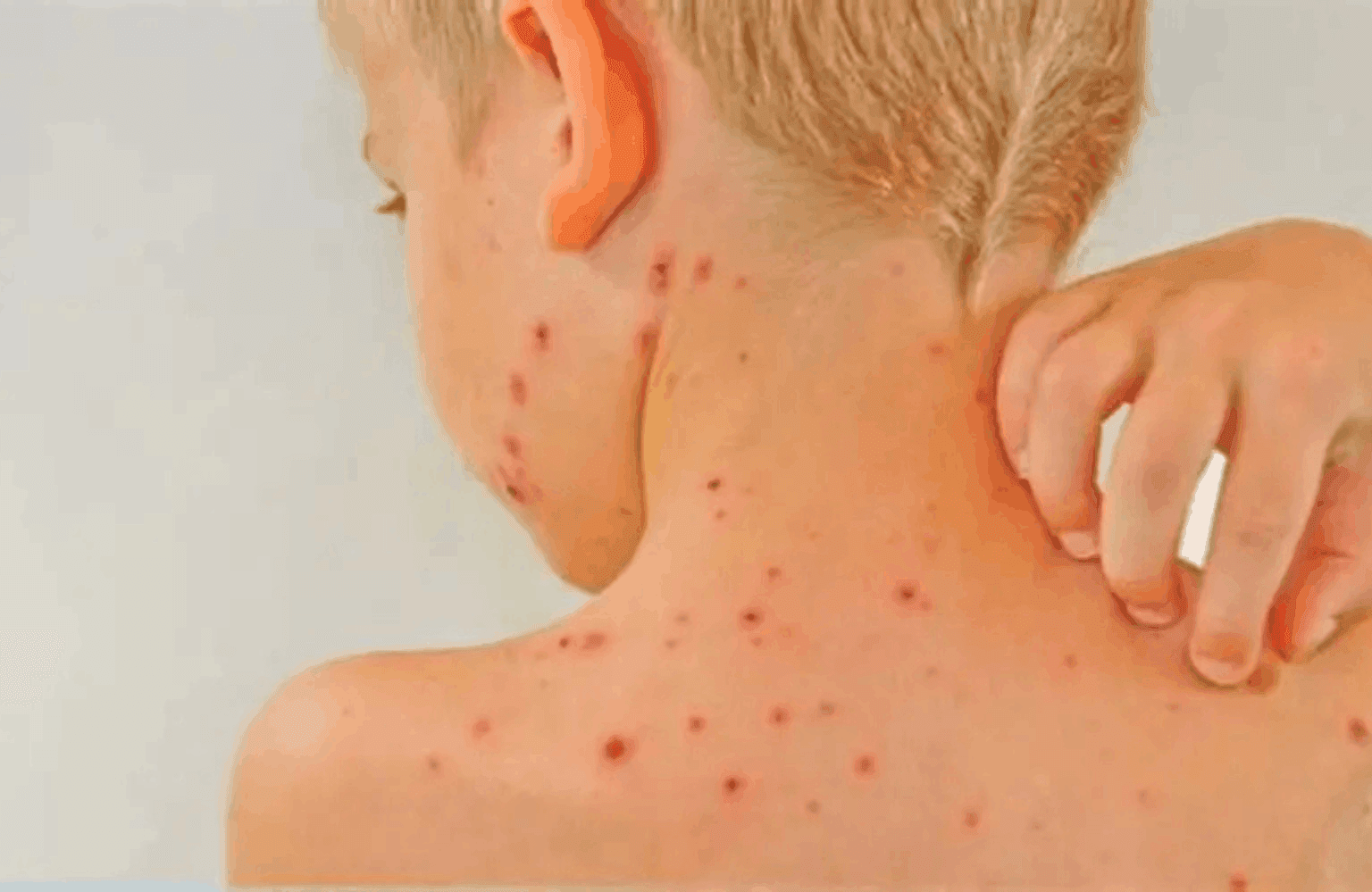
Chickenpox known as Laghu Masurika in Ayurveda is a contagious disease characterized by lentil-sized watery blisters and fever. It results from the vitiation of Tridosha specifically Pitta and Kapha triggered by external factors called Grahadosha or dietary errors like consuming incompatible foods. The pathology involves the corruption of blood and muscle tissues leading to symptoms such as intense itching burning sensation and restlessness. Management focuses on blood purification and cooling therapies to pacify Pitta. Key treatments include internal administration of herbs like Neem Haridra and Manjishtha alongside external applications of Dashanga Lepa. Bathing with water processed with Neem leaves is highly recommended for antisepsis while isolation is advised to prevent the spread of infection.
Chickenpox
Chickenpox, known in Ayurveda as Laghu Masurika, is a highly contagious viral infectious disease caused by the Varicella zoster virus. It is characterized by the appearance of itchy blisters all over the body. In Ayurveda, it is classified as a Kshudra Roga (minor disease) or under Masurika Nidana, resulting from the vitiation of the Tridosha (three bio-energies) and external factors known as Grahadosha.
1. Definition
Modern Definition: Chickenpox is an aerosol-transmitted disease caused by the Varicella zoster virus, characterized by itchy blisters, fever, and fatigue.
Ayurvedic Definition: Ayurveda defines the condition as Masurika, a disease where pustules resembling lentils appear on the body. Chickenpox specifically is often referred to as Laghu Masurika ("Light" or "Small" Masurika) to distinguish it from the more severe Smallpox. It involves the contamination of body tissues by vitiated Doshas, leading to pustules, fever, and burning sensations.
2. Etymology & Conceptual Meaning
-
Literal Meaning: The term Masurika is derived from the word Masura, which means lentils (specifically red lentils or Masoor Dal). The disease is named so because the reddish-colored boils or pustules that appear on the skin physically resemble lentils.
-
Conceptual Interpretation: In Ayurvedic pathology, the appearance of these lentil-sized eruptions indicates a specific corruption of the blood (Rakta ) and muscle (Mamsa ) tissues by the heat of Pitta dosha, combined with Kapha (which provides the fluid content of the blister).
3. Causes (Nidana)
Dietary Causes
-
Taste Imbalance: Excessive consumption of foods that are Katu (Pungent), Amla (Sour), and Lavan (Salty).
-
Incompatible Foods: Consuming Viruddha Ahara, such as combining milk with fish.
-
Contaminated Food: Eating corrupted or unwholesome vegetables (Dustha nishpav shak).
Lifestyle Causes
-
Environmental Factors: Exposure to polluted air (Dustha Vayu) and water (Jala).
-
Adharma: Unrighteous living or improper conduct is traditionally cited as a root cause for epidemic-style diseases.
External/Psychological Factors
- Grahadosha: Ayurveda attributes the cause to Grahadosha (invisible external agents), which correlates with the modern understanding of viral or microbial infection.
4. Journey of the Disease (Pathogenesis/Samprapti)
-
Samprapti Ghataka (Components):
-
Dosha: Vata, Pitta, Kapha (Tridosha involvement).
-
Dushya (Tissues): Rasa, Rakta, Mamsa, and Meda.
-
Srotas (Channels): Rasavaha Srotas and Raktavaha Srotas.
-
Agni (Digestion): Mandagni.
-
Adhisthana (Site): Sarva Sharira manifesting on Twak (Skin).
-
-
Pathogenesis Process: The etiological factors vitiate the Doshas, which then circulate through the body and lodge in the skin and underlying tissues. The heat of Pitta causes inflammation and redness, while Kapha and Rakta vitiation leads to the formation of fluid-filled vesicles.
5. Symptoms (Lakshana)
Early Symptoms (Purvarupa)
-
Jwara: Fever.
-
Kandu: Itching.
-
Gatra-bhanga: Body pain.
-
Arati: Restlessness.
-
Twak-vaivarnya: Skin discoloration.
-
Netra-rag: Redness of eyes.
Advanced Symptoms (Rupa)
-
Blisters: Appearance of watery blisters (Sphotas).
-
Daha: Burning sensation.
-
Puyotpatti: Blisters burst and form scabs.
-
General: Headache, sore throat, and lymphadenopathy.
6. Different Types or Classification (Bheda)
Madhava Nidana classifies Masurika into:
- Vataja
- Pittaja
- Kaphaja
- Raktaja
- Sannipataja
7. Diagnosis
• Ayurvedic Diagnosis (Roga Pariksha):
◦ Darshana (Observation): Observing the copper (Tamra) or yellow (Pitta) color of the blisters and skin.
◦ Sparshana (Touch): Feeling the increased body temperature (Ushnata) and heat (Daha).
◦ Prashna (Questioning): History of sudden fever, itching, and contact with infected persons.
◦ Nadi (Pulse): Pulse often indicates Pitta-Kapha dominance.
• Differential Diagnosis: Distinguished from Visarpa (Erysipelas) and Kushtha (other skin diseases) by the specific presentation of lentil-shaped pustules and the course of the fever.
8. Disease Management
Treatment follows principles of Kushtha and Visarpa management.
Lifestyle (Vihara)
-
Bathing with Neem (Azadirachta indica) leaves.
-
Avoid Divaswapna and Ratrijagaran.
Medicines
-
Neem (Azadirachta indica)
-
Haridra (Turmeric)
-
Manjishtha (Rubia cordifolia)
-
Guduchi (Tinospora cordifolia)
-
Paripathadi Kwatha
-
Khadirarishtha
Panchakarma
- Virechana after acute stage subsides.
9. Prognosis
• Curable: Laghu Masurika (Chickenpox) is generally self-limiting and manageable. With proper Ayurvedic care, symptoms like fever and blisters reduce within 14 days.
• Difficult (Krichrasadhya): Cases involving Sannipata (all three doshas) or those where the blisters turn deep black or blue (Raktaja/Sannipataja) are considered difficult to treat.
• Complications: If untreated, it can lead to scarring or secondary infections.
10. Modern Correlations
-
Grahadosha parallels Varicella zoster virus.
-
Fever followed by rash matches WHO clinical description.
-
Modern treatment includes antivirals like acyclovir and vaccination.
11. References
CDC — Chickenpox (Varicella) Overview
Provides a thorough public health overview of chickenpox: what it is, how it spreads, signs and symptoms, and vaccination basics. (CDC)
MedlinePlus — Chickenpox (Patient Info)
Summarizes symptoms, home treatment (e.g., baths, antihistamines), risks of aspirin use (Reye syndrome), and the role of vaccination in prevention. (MedlinePlus)
Mayo Clinic — Chickenpox Symptoms & Causes
A clinical overview of what chickenpox looks like, how the rash develops, and when to see a health care provider. (Mayo Clinic)
Bayesian SIRD Modeling of Chickenpox in India
A recent scientific modeling study analyzing the long-term epidemiology of chickenpox in Indian populations using an age-structured SIRD model to estimate transmission dynamics and age-specific burden. (arXivDiagnosis & Treatment:
Diagnosis is often clinical based on the distinctive rash; lab tests may be used in uncertain cases. Treatment for most healthy children is supportive (e.g., calamine lotion, cool baths, antihistamines) and antiviral drugs are recommended for high-risk individuals. (CDC)
Complications:
Although usually mild in healthy children, chickenpox can lead to secondary bacterial infections, pneumonia, encephalitis, and dehydration, especially in adults, pregnant women, or immunocompromised people. (CDC)
12. FAQ Section
Q: What is the Ayurvedic name for Chickenpox?
A: It is called Laghu Masurika. "Laghu" means light/small, and "Masurika" refers to the lentil-shaped blisters.
Q: Can I take a bath during Chickenpox?
A: Ayurveda suggests bathing with water that has been boiled with Neem leaves and cooled down to a lukewarm temperature. Neem aids in healing blisters and preventing secondary infections.
Q: What foods should be avoided?
A: You should avoid spicy, sour, and salty foods (like pickles, yogurt/curd, and chilies) as they aggravate Pitta and increase burning sensations. Heavy, oily foods and junk foods should also be avoided.
Q: Is Chickenpox mentioned in ancient Ayurvedic texts?
A: Yes. Texts like Madhava Nidana (Chapter 54) and Charaka Samhita describe Masurika, detailing its causes, symptoms, and types which correlate with pox-viral diseases.
Q: What herbs are best for Chickenpox recovery?
A: Neem, Turmeric (Haridra), Manjishtha, and Guduchi are highly beneficial for their cooling, antiviral, and blood-purifying properties.
Consult a Doctor
- DS4.2Deeksha sharma
Ayurveda4 yrs exp
- MS4.2Midun s kumar
Ayurveda4 yrs exp
- DR4.3Dr.Prajwal Raj Biradar
Ayurveda1 yrs exp
- BY4.3Bapodara yash kanabhai
Ayurveda3 yrs exp