Itching
Reviewed by medical experts · For informational purposes only
Introductory summary
Itching known as Kandu in Ayurveda is primarily attributed to the vitiation of Kapha dosha and Rakta or blood. It often arises from Santarpana or over saturation consumption of incompatible foods daytime sleeping and suppression of natural urges. Kandu is a cardinal symptom in various conditions including Kustha or skin diseases Sitapitta or urticaria and Krimi or worm infestations. Management focuses on pacifying Kapha and purifying the blood through therapies like Virechana and Raktamokshana. Effective medicinal treatments include formulations like Haridrakhanda and single herbs such as Nimba and Khadira. External applications of medicated oils like Marichyadi Taila and Sinduradya Taila are highly recommended. Dietary adjustments emphasizing bitter tastes while avoiding sweet sour and heavy foods are essential for relief.
Itching
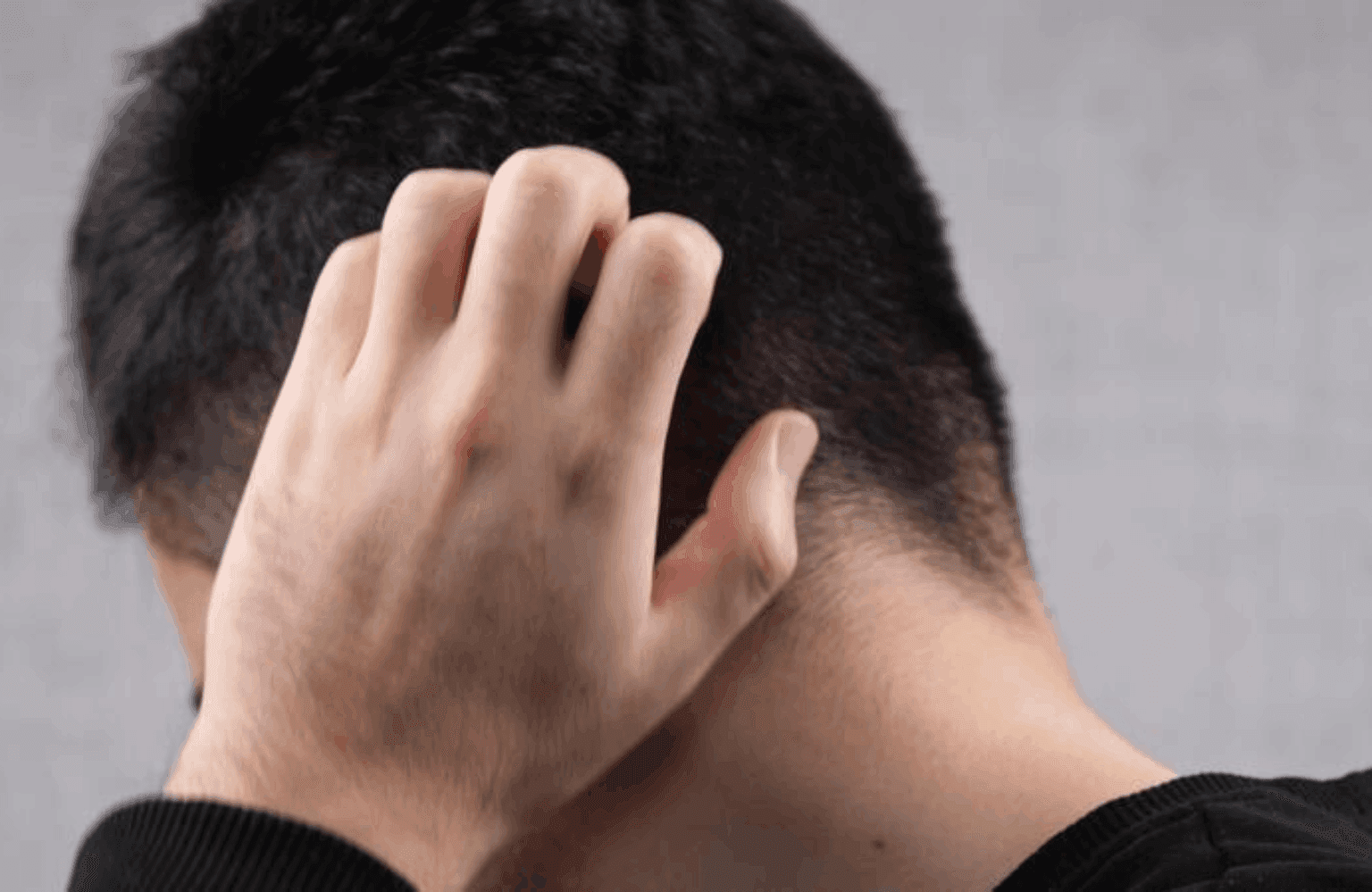
Itching, known in Ayurveda as Kandu, is a common sensation that provokes the desire to scratch. While often a symptom of various skin diseases (Kustha), it is primarily attributed to the vitiation of Kapha Dosha (the bio-energy of earth and water) and Rakta (blood). It is a cardinal symptom in conditions ranging from urticaria (Sitapitta) to eczema (Pama) and parasitic infections (Krimi).
1. Definition
- Modern Definition: Pruritus or itching is an irritating sensation that creates an urge to scratch the skin.
- Ayurvedic Definition: Kandu is defined as a sensation of itching. It is considered a specific characteristic of aggravated Kapha Dosha. It is frequently listed as a symptom of Raktapradoshaja Vikara (diseases caused by the vitiation of blood) and disorders arising from Santarpana (over-saturation of the body).
2. Etymology & Conceptual Meaning
- Kandu: The Sanskrit term literally translates to "itching" or "scratching."
- Conceptual Interpretation: In Ayurvedic pathology, itching is rarely seen as an isolated event. It signifies that the cold, heavy, and sticky qualities of Kapha have obstructed the channels (Srotas) of the skin or that the blood (Rakta) has been vitiated by heat and toxins (Ama). Even when associated with Pitta (heat), the itch sensation itself is rooted in Kapha.
3. Causes (Nidana)
Itching is caused by dietary and lifestyle factors that aggravate Kapha and Pitta, or corrupt the blood.
- Dietary Causes:
- Santarpana (Over-saturation): Excessive intake of unctuous, sweet, heavy, and slimy foods, new cereals, and milk products can lead to itching.
- Lavana (Salt): Excessive consumption of salty foods is specifically noted to cause itching and skin laxity.
- Viruddha Ahara: Incompatible food combinations (e.g., fish and milk) are a primary cause of blood vitiation and skin diseases.
- Dravya (Substances): Intake of Vidahi (burning/acrid) foods.
- Lifestyle Causes:
- Divaswapna: Sleeping during the day, which increases Kapha.
- Avyayama: Lack of physical exercise.
- Vega Dharana: Suppression of natural urges, particularly vomiting.
- External Causes:
- Contact with environmental allergens (cold wind, insect bites) leading to Sitapitta.
- Krimi: Parasitic infestation (worms) is a major cause of itching.
4. Journey of the Disease (Pathogenesis/Samprapti)
- Samprapti Ghataka (Components):
- Dosha: Kapha (primary cause of itch), Pitta (if burning is present), Vata (if pain is present).
- Dushya (Tissues): Tvak (Skin), Rakta (Blood), Mamsa (Flesh), and Lasika (Lymph).
- Srotas (Channels): Raktavaha (Blood-carrying) and Swedavaha (Sweat-carrying).
- Adhisthana (Site): The skin (Tvak) and subcutaneous tissues.
- Pathogenesis:
- Due to improper diet (like excess salt or sweets), Kapha and Pitta become aggravated.
- These Doshas enter the blood (Rakta) and circulate to the exterior channels.
- They lodge in the skin (Tvak) and flesh (Mamsa).
- The sticky nature of Kapha causes obstruction and irritation, manifesting as Kandu (itching). If Pitta is involved, there is redness (Raga) and burning (Daha).
5. Symptoms (Lakshana)
- General Symptoms:
- Specific Conditions:
6. Different Types or Classification (Bheda)
Itching is often classified by the disease it accompanies, as described in Madhava Nidana:
- Kaphaja Kustha: Skin diseases dominated by Kapha, characterized by coldness, heaviness, and intense itching.
- Sitapitta/Udarda (Urticaria): Udarda is Kapha-dominant (excessive itching), while Sitapitta has Vata involvement (pricking pain).
- Kacchu: Severe itching in the hands and buttocks.
- Vicarcika: Dark, weeping, intensely itchy lesions (often correlated with eczema).
7. Diagnosis
- Ayurvedic Diagnosis (Roga Pariksha):
- Prashna (History): Inquiry about intake of new grains, curds, salt, and suppression of urges.
- Darshana (Observation): Checking for Mandala (patches), Pidaka (boils), and signs of scratching.
- Sparshana (Touch): Cold skin suggests Kapha (itch dominant); hot skin suggests Pitta (burning dominant).
- Differential Diagnosis: Differentiating between Sitapitta (allergic hives), Dadru (fungal), and Krimi (parasitic) causes based on the appearance of the lesion.
8. Disease Management
Treatment aims to pacify Kapha and purify the blood (Rakta Shodhana).
Diet (Ahara)
- Beneficial: Foods with Tikta (Bitter) taste are specific for curing itching, skin diseases, and removing toxins.
- Avoid: Lavana (Salt) should be strictly avoided or minimized as it aggravates itching and skin inflammation. Avoid heavy, sour, and fermented foods.
Lifestyle (Vihara)
- Udvartana: Massage with dry herbal powders to reduce Kapha.
- Avoid: Day sleep and exposure to cold wind.
Medicines
- Haridrakhanda: A famous formulation used specifically for Kandu (itching), Sitapitta (hives), and Kotha.
- Hridyavirecana Leha: A confection used for purgation in cases of itching and blisters.
- Somaraji Taila: A medicated oil applied externally for Kandu, Kacchu, and Pama.
- Hingutriguna Taila: Used for itching and skin lesions.
- Nimba (Neem): The premier herb for Kandughna (anti-pruritic) action.
- Khadira: The best herb for skin diseases (Kusthaghna).
- Arka Lavana: Used for itching and spleen disorders.
Panchakarma
- Virechana (Purgation): The therapy of choice for Pitta and Rakta disorders to expel toxins causing skin diseases.
- Vamana (Emesis): Indicated for Kapha-dominant skin diseases with excessive itching and oozing.
- Raktamokshana (Bloodletting): For localized, obstinate itching and skin lesions.
9. Prognosis
- Sadhya (Curable): Itching caused by acute dietary errors or Sitapitta (hives) is generally curable with bio-cleansing and avoidance of the allergen.
- Krichrasadhya (Difficult): Chronic conditions like Vicharchika (Eczema) or Kustha involving multiple Doshas require long-term management.
10. Modern Correlations
- Pruritus: The general medical term for itching, correlating with Kandu.
- Urticaria: Correlates with Sitapitta/Udarda.
- Eczema/Dermatitis: Correlates with Vicarcika or Pama.
- Fungal Infections (Tinea): Correlates with Dadru.
11. References
-
World Health Organization (WHO) – Skin and allergic conditions
https://www.who.int/teams/health-product-policy-and-standards/standards-and-specifications
-
Centers for Disease Control and Prevention (CDC) – Skin conditions and itching
https://www.cdc.gov/skinconditions/index.html
-
National Institute of Arthritis and Musculoskeletal and Skin Diseases (NIAMS – NIH) – Pruritus
https://www.niams.nih.gov/health-topics/pruritus
-
Mayo Clinic – Itchy skin
https://www.mayoclinic.org/symptoms/itchy-skin/basics/definition/sym-20050838
-
StatPearls (NCBI Bookshelf) – Pruritus
https://www.ncbi.nlm.nih.gov/books/NBK538247/
-
National Health Portal of India – खुजली (Pruritus)
https://www.nhp.gov.in/disease/skin/pruritus
-
Ministry of Health & Family Welfare, Government of India – त्वचा रोग
https://www.mohfw.gov.in/12. FAQ Section
Q: Which taste should be avoided if I have itching?
A: According to Ayurveda, Lavana (Salt) should be avoided or minimized, as it increases water retention and aggravates skin irritation and itching. Sour (Amla) foods should also be restricted.
Q: What is the best herb for itching?
A: Nimba (Neem) is widely cited as the best Kandughna (anti-itching) herb. Haridra (Turmeric) is also excellent and is found in formulations like Haridrakhanda.
Q: Can sleeping during the day cause itching?
A: Yes. Day sleep (Divaswapna) increases Kapha Dosha and is listed as a cause for "over-saturation" diseases, which include itching and skin disorders.
Q: Is there an Ayurvedic oil for itching?
A: Yes. Somaraji Taila, Hingutriguna Taila, and Maricadi Taila are frequently recommended in classical texts for treating Kandu (itching) and Kacchu (scabies/itch).
Q: What is "Sitapitta"?
A: Sitapitta is an Ayurvedic condition closely resembling Urticaria (hives). It is characterized by red, swollen patches (Varati) with intense itching, often triggered by exposure to cold wind or allergens.
Consult a Doctor
- MS4.2Midun s kumar
Ayurveda4 yrs exp
- SP4.5Dr Sreelekha P Nair
Ayurveda6 yrs exp
- VR4.2Vaidya Rohit Kumar
Ayurveda3 yrs exp
- V4.1Vairamuthu
Ayurveda8 yrs exp
Buy Medicine
 Prescribed to you4.7₹11 cashback
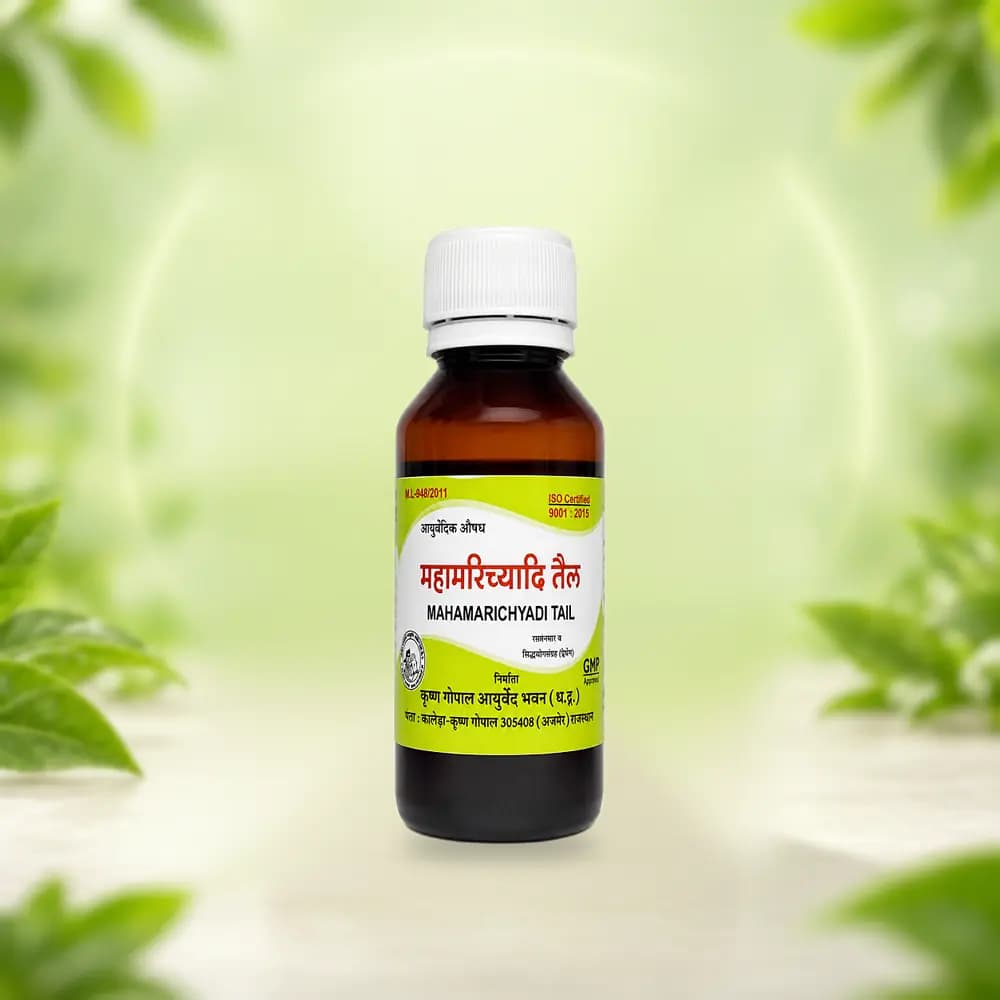
Mahamarichyadi Taila (Kalera) Kalera
Skin disease, anti-fungal oil
Bottle of 50 ml
4.7
₹110Get ₹11 Cashback