Urticaria
Reviewed by medical experts · For informational purposes only
Introductory summary
Urticaria correlates with the Ayurvedic conditions Sheetapitta Udarda and Kotha characterized by raised itchy red wheals resembling wasp stings. It arises from the vitiation of Vata and Kapha doshas mixed with Pitta often triggered by exposure to cold wind known as Sheeta Maruta or incompatible foods. Management focuses on purification therapies like Vamana and Virechana to expel toxins followed by palliative care. Key formulations include Haridra Khanda and Hridyavirecana Leha which are specifically indicated for these conditions. Herbs such as Gokshura Bibhitaka and Kitamari are also beneficial for relieving symptoms. Treatment also involves avoiding cold drafts and heavy foods while using external applications like mustard oil to subside itching and inflammation.
Urticaria
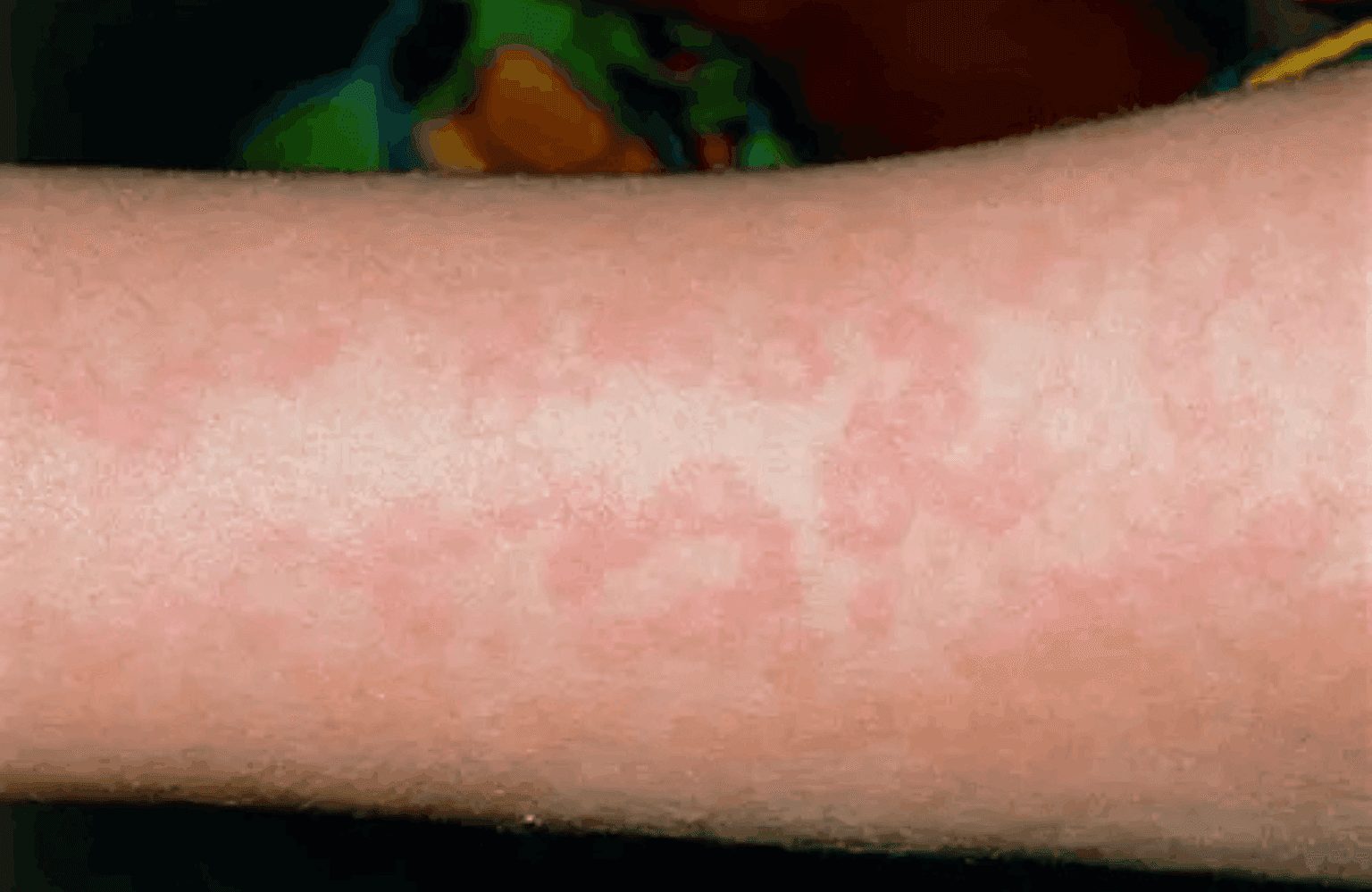
Urticaria, commonly known as hives, is a skin reaction that causes red, itchy welts. In Ayurveda, this condition is described under three closely related terms: Sheetapitta (Cold-Pitta), Udarda, and Kotha. These conditions are characterized by the appearance of raised, reddish or white patches on the skin accompanied by severe itching and a sensation similar to a wasp sting.
1. Definition
Modern Definition: A vascular reaction of the skin marked by the transient appearance of smooth, slightly elevated patches (wheals) which are redder or paler than the surrounding skin and often attended by severe itching.
Ayurvedic Definition:
- Sheetapitta: A condition where aggravated Vata and Kapha doshas, triggered by cold wind, mix with Pitta to spread internally and externally, producing thirst, burning sensation, and painful rashes resembling wasp stings.
- Udarda: A Kapha-dominant variation characterized by heavy, red, and itching patches.
- Kotha: The appearance of circular, red, and itching rashes, often resulting from the suppression of vomiting or improper emesis therapy.
2. Etymology & Conceptual Meaning
- Sheetapitta: Derived from Sheeta (Cold) and Pitta (Heat/Fire). It implies a pathology where the "cold" factor (Vata/Kapha) disturbs and suppresses the "heat" (Pitta), or where Pitta is aggravated by cold factors.
- Udarda: Refers to the "rising" or "elevation" of patches on the skin.
- Kotha: Often translates to putrefaction or eruption, referring to the red rashes that appear on the skin surface.
- Conceptual Interpretation: Ayurveda views this as a Tridoshaja condition (involving all three bio-energies) with a dominance of Vata and Kapha affecting the Rakta (blood) and Twak (skin).
3. Causes (Nidana)
The primary causes involve factors that simultaneously aggravate Kapha and Vata while vitiating the blood.
- Lifestyle Causes:
- Exposure to Sheeta Maruta (Cold wind) is the primary trigger for Sheetapitta.
- Divaswapna: Sleeping during the day.
- Asamyak Vamana: Improper administration of therapeutic vomiting or suppression of the natural urge to vomit (Chardi-vega-rodha) is a specific cause for Kotha.
- Dietary Causes:
4. Journey of the Disease (Pathogenesis/Samprapti)
- Samprapti Ghataka (Components):
- Dosha: Vata and Kapha are the primary vitiators, with Pitta involved in the burning sensation.
- Dushya (Tissues): Rakta (Blood) and Twak (Skin/Lymph).
- Srotas (Channels): Raktavaha Srotas.
- Agni: Mandagni (weak digestive fire) leading to Ama (toxins).
- Adhisthana (Site): Skin (internal and external spread).
- Pathogenesis:
- Due to exposure to cold wind or improper diet, Vata and Kapha get aggravated.
- They mix with Pitta and circulate throughout the body (internal and external).
- This interaction obstructs the channels and manifests on the skin as raised, red, itchy wheals known as Sheetapitta or Udarda.
5. Symptoms (Lakshana)
- Sheetapitta:
- Udarda:
- Marked by swelling (Shotha) and redness (Raga).
- The patches are heavy and itching is intense (Kapha dominance).
- Kotha:
- Red, circular, itching patches that may appear and disappear repeatedly.
6. Different Types or Classification (Bheda)
While often used interchangeably, classical texts differentiate them based on Dosha dominance:
- Sheetapitta: Vata dominant. Characterized by more pain (Toda) and burning.
- Udarda: Kapha dominant. Characterized by thickness, heaviness, and severe itching.
- Kotha/Utkotha: A recurrent variety often linked to chronic indigestion or suppression of vomiting.
7. Diagnosis
- Ayurvedic Diagnosis:
- Darshana (Observation): Identifying the characteristic "wasp-sting" appearance (Varati dashta) and redness.
- Prashna (History): Asking about exposure to cold winds, recent diet (dairy/fish), or suppression of vomiting.
- Differential Diagnosis:
- Distinguished from Kustha (Skin diseases like leprosy/psoriasis) by the transient nature of the wheals in Urticaria.
- Distinguished from Visarpa (Erysipelas), which spreads rapidly and involves deeper tissues.
8. Disease Management
Treatment focuses on Shodhana (Purification) to expel the Doshas and Shamana (Pacification) using warming and anti-allergic herbs.
Medicines
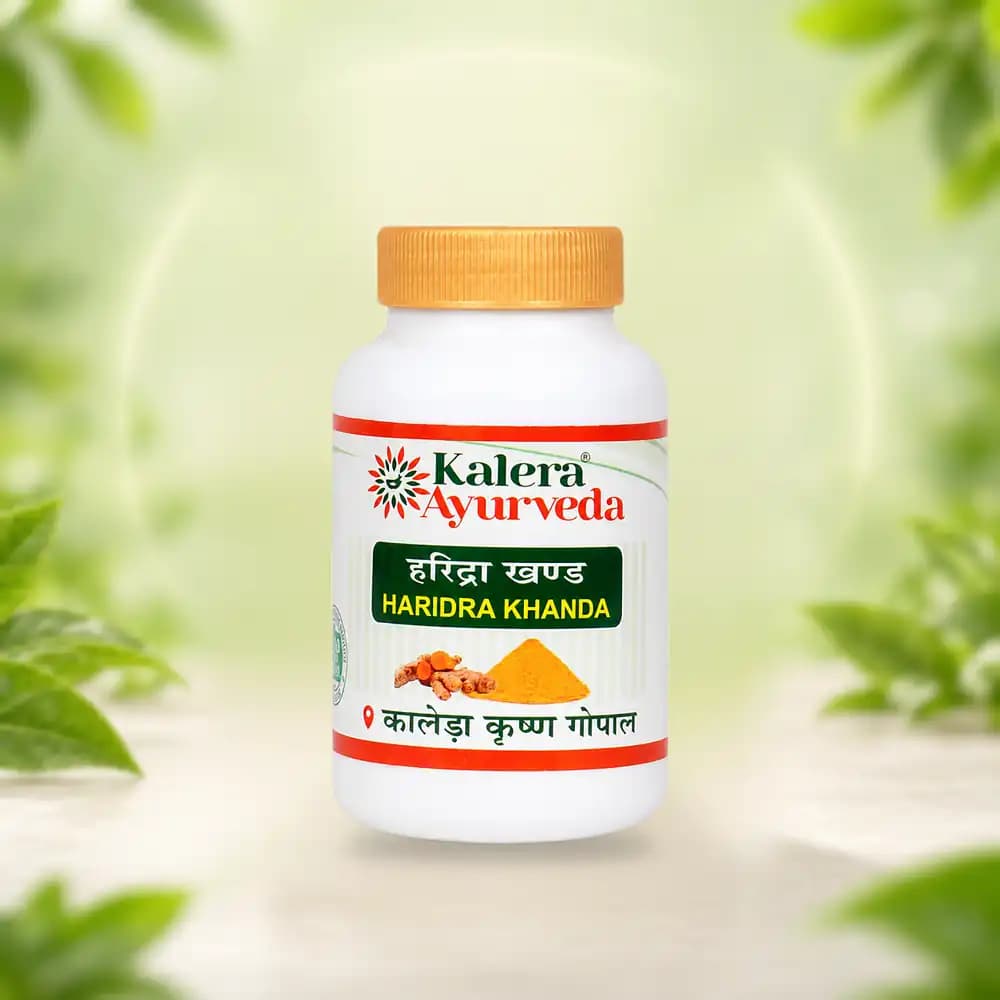
- Haridra Khanda: A famous granular preparation containing Turmeric (Haridra), Ghee, Milk, and Sugar. It is the specific remedy indicated for Sheetapitta, Udarda, and Kotha.
- Ardraka Khanda: A formulation based on Ginger (Ardraka) used for Sheetapitta and Kotha.
- Hridyavirecana Leha: A mild purgative confection indicated for Sheetapitta, Udarda, and Kotha.
- Panaviradadi Bhasma: Indicated for Udarda.
- Yavani (Ajwain): Taken with jaggery (Guda) to cure Udarda.
- Trikatu: (Ginger, Pepper, Long Pepper) is used to correct digestion and reduce Kapha.
Panchakarma (Therapies)
- Vamana (Emesis): Since the condition often involves Ama and Kapha in the stomach, therapeutic vomiting using Patola (Pointed gourd) and Nimba (Neem) is highly recommended.
- Virechana (Purgation): To eliminate Pitta and purify the blood. Hridyavirecana Leha is useful here.
- Abhyanga (Massage): Massage with Sarsapa Taila (Mustard oil) is prescribed to pacify Vata and Kapha.
- Swedana (Fomentation): Warmth is essential to counteract the "Sheeta" (cold) quality.
Diet (Ahara)
- Pathya (Beneficial): Bitter vegetables like Patola (Pointed gourd), Nimba (Neem), Shigru (Drumstick), and Karavellaka (Bitter gourd). Use of old rice and warm water.
- Apathya (Avoid): Milk and milk products (Ksheera), meat of aquatic animals (Matsya), sugar/jaggery (if digestion is weak), and exposure to cold wind.
9. Prognosis
- Sadhya (Curable): Acute cases treated promptly with elimination therapies (Vamana) and proper diet are generally curable.
- Krichrasadhya (Difficult): If the condition becomes chronic (Anubandhi) or if the patient continues to consume incompatible foods, it becomes difficult to treat.
10. Modern Correlations
- Urticaria (Hives): The symptoms of Sheetapitta map directly to Urticaria.
- Cold Urticaria: The specific etiology of Sheetamaruta (cold wind) in Ayurveda parallels the modern diagnosis of Cold Urticaria.
- Allergic Dermatitis: The description of Udarda and Kotha shares features with allergic skin reactions.
11. References
-
WHO – Allergic Diseases (Skin & Immune Disorders)
🔗 https://www.who.int/teams/immunization-vaccines-and-biologicals/diseases/allergic-diseases
Framework for allergic and immune-mediated conditions. -
WHO – Skin Diseases
🔗 https://www.who.int/health-topics/skin-diseases
Includes urticaria under allergic skin disorders.
-
World Allergy Organization – Urticaria
-
The Lancet – Chronic Urticaria
🔗 https://www.thelancet.com/journals/lancet/article/PIIS0140-6736(15)00026-1/fulltext
Pathophysiology and treatment advances.
-
MedlinePlus – Hives
🔗 https://medlineplus.gov/hives.html
-
Mayo Clinic – Hives (Urticaria)
🔗 https://www.mayoclinic.org/diseases-conditions/hives/symptoms-causes/syc-20354960
-
National Health Portal (India) – पित्ती
🔗 https://www.nhp.gov.in/disease/skin/urticaria
(Hindi & English – Government of India)
12. FAQ Section
Q: Is Turmeric good for Hives (Urticaria)?
A: Yes. Turmeric (Haridra) is considered the best herb for skin allergies. The formulation Haridra Khanda is specifically designed to treat Sheetapitta, Udarda, and Kotha.
Q: Can I drink milk if I have Urticaria?
A: No. Ayurvedic texts like Chakradatta advise avoiding milk and milk products during an attack of Sheetapitta or Udarda, as they can aggravate Kapha and obstruct channels.
Q: What is the best oil for massage in this condition?
A: Mustard Oil (Sarsapa Taila) is highly recommended. Massaging the body with mustard oil helps pacify the Kapha and Vata doshas responsible for the condition.
Q: Does cold weather cause this disease?
A: Yes. The name Sheetapitta itself implies a connection to cold. Exposure to cold wind (Sheeta maruta) is a primary cause described in the texts. Warmth and fomentation are part of the treatment.
Consult a Doctor
- MS4.2Midun s kumar
Ayurveda4 yrs exp
- SP4.5Dr Sreelekha P Nair
Ayurveda6 yrs exp
- VR4.2Vaidya Rohit Kumar
Ayurveda3 yrs exp
- V4.1Vairamuthu
Ayurveda8 yrs exp
Buy Medicine
 Prescribed to you4.5₹11 cashback
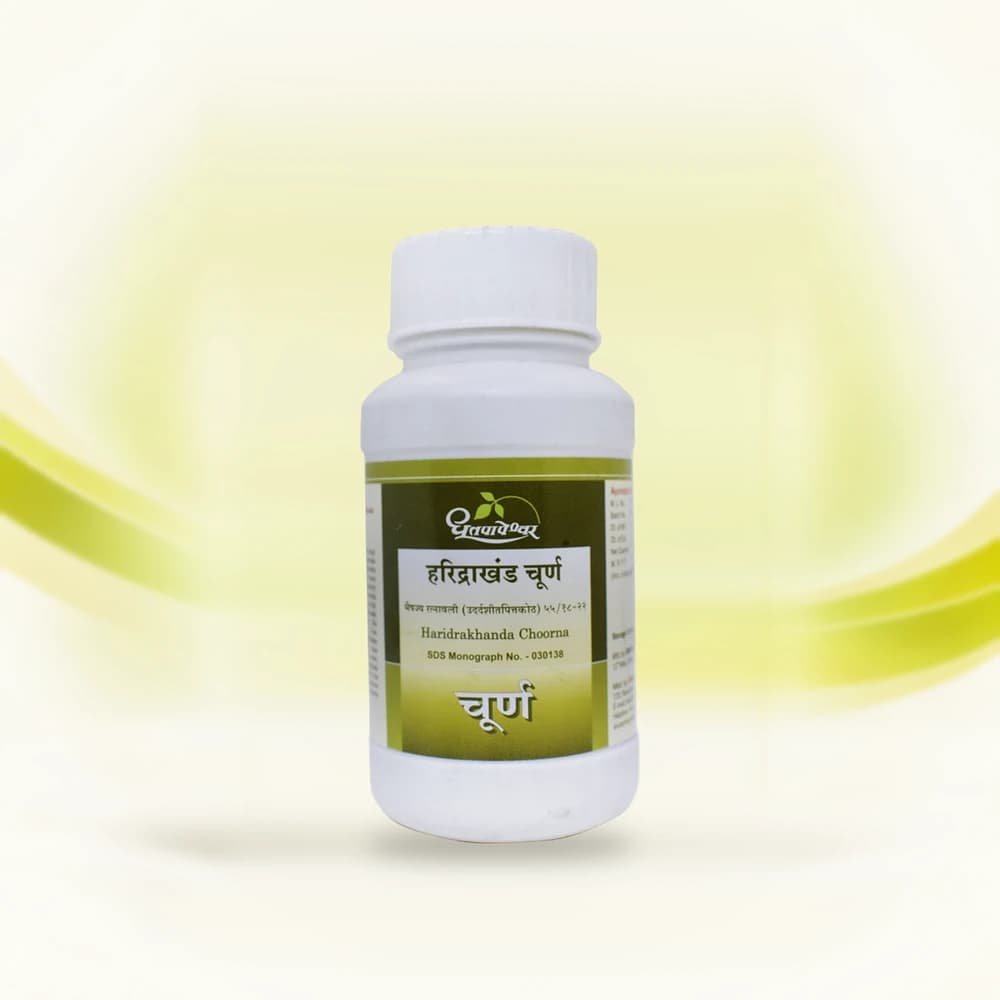
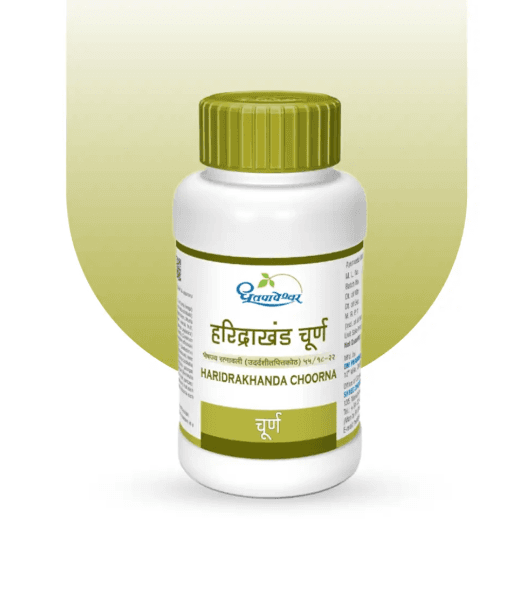
Haridrakhanda Choorna (Dhootapapeshwar) SDL
SDLSupports skin comfort
Container of 60 g
4.5
₹119Get ₹11 Cashback
 Prescribed to you4.3₹6 cashback
Haridrakhanda Choorna Vati (Dhootapapeshwar)SDLSupports skin comfort
Strip of 60 Tablets
4.3
₹69Get ₹6 Cashback
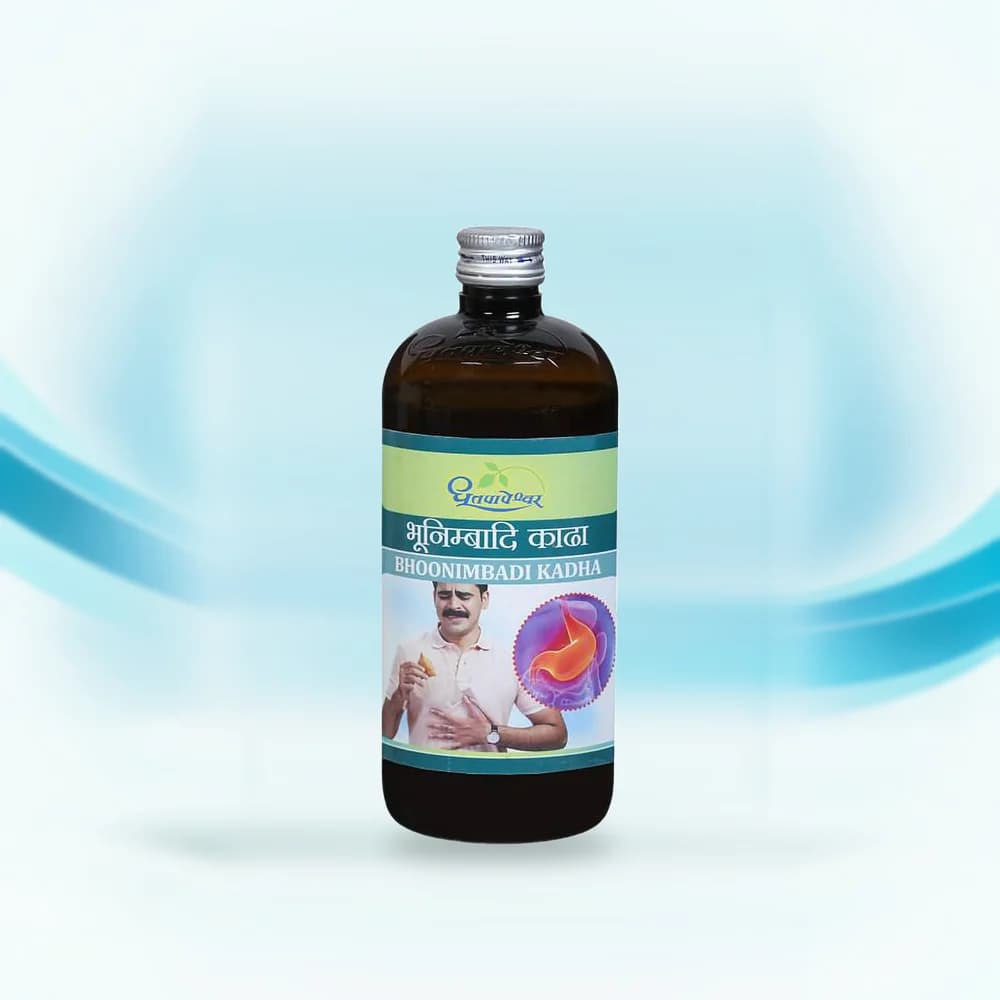 Prescribed to you4.5₹13 cashback
Bhoonimbadi Kadha (Dhootapapeshwar)SDLSupports digestive comfort
Bottle of 200 ml
4.5
₹130Get ₹13 Cashback