Allergy
Reviewed by medical experts · For informational purposes only
Introductory summary
Allergies in Ayurveda are primarily described under the conditions of Sheetapitta Udarda and Kotha manifesting as skin reactions like urticaria. These conditions arise from the aggravation of Vata and Kapha doshas which subsequently vitiate Pitta and the blood tissue. The root causes are often attributed to Asatmya or intolerance and the consumption of Viruddha Ahara such as incompatible food combinations like fish and milk or exposure to cold wind. Symptoms include raised red patches resembling wasp stings accompanied by severe itching and prickling pain. Management focuses on eliminating toxins through Panchakarma therapies like Virechana and Vamana alongside internal medications to purify the blood and pacify the aggravated bio energies.
Allergy (अतिसंवेदनशीलता / शीटपित्त)
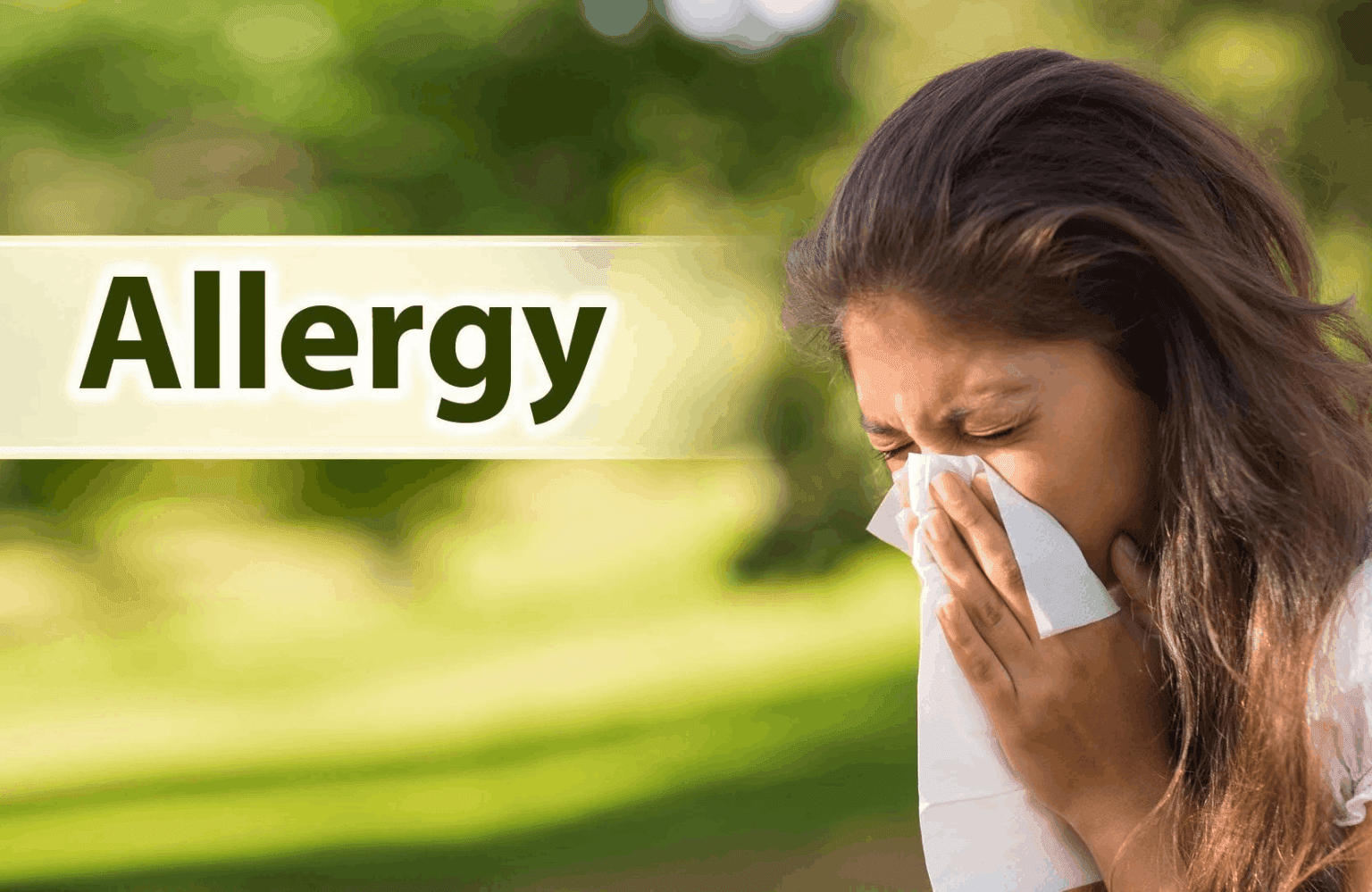
Allergy is a condition where the body’s immune system responds abnormally to an external substance. In Ayurveda, allergic reactions—particularly those manifesting on the skin like Urticaria (Hives)—are described under the disease entities Sheetapitta, Udarda, and Kotha. These conditions are characterized by the sudden appearance of red, elevated patches on the skin accompanied by severe itching and prickling pain, caused by the vitiation of Vata and Kapha doshas reacting to factors like cold wind or incompatible foods.
1. Definition
Modern medicine defines allergies as abnormal immune responses. In Ayurveda, allergic skin manifestations are defined as Sheetapitta or Udarda. These occur when the aggravated Vata and Kapha doshas mix with Pitta, spreading internally and externally to lodge in the skin, resulting in rashes that resemble the sting of a wasp (Varati).
2. Etymology & Conceptual Meaning
-
Sheetapitta: Derived from Sheeta (Cold) and Pitta (Fire/Heat).
-
Udarda: Refers to elevated or rising patches on the skin.
-
Kotha: Refers to eruptive rashes.
-
Conceptual Interpretation: Ayurveda links allergy closely to Asatmya (intolerance/unsuitability) and Viruddha Ahara (incompatible diet). Consuming foods that are antagonistic to the body's tissues acts as a toxin, triggering inflammatory responses.
3. Causes (Nidana)
Dietary Causes
-
Viruddha Ahara (Incompatible Foods)
-
Excessive intake of pungent (Katu), sour (Amla), and salty (Lavana) foods
-
Formation of Ama (metabolic toxins)
Lifestyle Causes
-
Exposure to cold wind (Sheetamaruta)
-
Divaswapna (Day Sleep)
-
Suppression of vomiting
4. Journey of the Disease (Pathogenesis/Samprapti)
-
Dosha: Vata, Kapha, and Pitta
-
Dushya: Twak (Skin) and Rakta
-
Srotas: Rasavaha and Raktavaha Srotas
-
Agni: Impaired digestive fire leading to Ama formation
5. Symptoms (Lakshana)
-
Severe itching (Kandu)
-
Prickling pain (Toda)
-
Fever (Jwara)
-
Vomiting (Chardi)
-
Burning sensation (Vidaha)
6. Classification (Bheda)
- Sheetapitta
- Udarda
- Kotha
- Utkotha
7. Diagnosis
• Ayurvedic Diagnosis:
◦ Darshana (Observation): Inspecting the skin for the characteristic "wasp-sting" appearance and redness.
◦ Prashna (Questioning): Assessing history of exposure to cold wind, intake of incompatible foods (like fish and milk), or insect bites.
• Differential Diagnosis: Differentiating between Sheetapitta (Vata-predominant, painful) and Udarda (Kapha-predominant, itchy).
8. Disease Management
Medicines
-
Udarda-prashamana herbs
Panchakarma
-
Vamana (Emesis)
-
Abhyanga
9. Prognosis
• Curable: Most cases of Sheetapitta and Udarda are curable with proper avoidance of triggers and treatment.
• Chronic: Utkotha (chronic hives) can be more difficult to manage and requires long-term purification therapy.
• Complications: If untreated, it can lead to severe burning, fever, and digestive disturbances.
10. Modern Correlations
-
Angioedema
-
Cold Urticaria
-
Food Allergies
11. References
1. Allergies and the Immune System Response
A clinical immunology research article explaining how allergies occur when the immune system abnormally reacts to harmless substances — central to understanding allergic mechanisms. (Allied Academies)
2. Chronic Urticaria: Systematic Review
A systematic review on the management of chronic spontaneous urticaria (hives), including allergic mechanisms and therapies such as antihistamines and biologics. (internationalmedicaljournal.org)
3. Diagnosis & Management of Urticaria (Indian Guideline)
Updated evidence-based guideline for diagnosis and treatment of urticaria, integrating clinical signs and triggers relevant to allergic reactions. (PMC)
4. Urticaria (Open Access Clinical Review)
An open-access article summarizing acute and chronic urticaria, with clinical features, epidemiology, and management relevant to allergic conditions. (SpringerLink)
5. Food Allergy: Diagnosis, Management & Emerging Therapies
A comprehensive review on IgE-mediated food allergy, covering clinical manifestations like urticaria/angioedema, diagnosis, emergency treatment, and evolving therapies. (Indian Journal of Medical Research)
6. Statistical and Research Considerations in Allergy
Although focused on methodology, this paper provides context for research standards in allergy and immunology studies, useful for academic rigor. (PubMed)
12. FAQ Section
Q: What is the Ayurvedic name for hives or skin allergy?
A: Hives are referred to as Sheetapitta or Udarda in Ayurveda. They are characterized by red, itchy, elevated patches on the skin.
Q: Can specific foods cause allergies according to Ayurveda?
A: Yes. Ayurveda identifies Viruddha Ahara (incompatible foods), such as eating fish with milk, as a potent cause of blood impurities and allergic reactions.
Q: Are there specific Ayurvedic herbs for allergies?
A: Yes. Charaka Samhita lists a specific group of herbs called Udarda-prashamana (pacifiers of hives), which includes herbs like Khadira, Saptaparna, and Arjuna. Turmeric (Haridra) is also widely used.
Q: Is Panchakarma useful for allergies?
A: Yes. Virechana (therapeutic purgation) is specifically indicated for allergic dermatitis and skin conditions to expel toxins from the body. Vamana (emesis) is used for Kapha-dominant allergies.
Consult a Doctor
- SP4.5Dr Sreelekha P Nair
Ayurveda6 yrs exp
- SJ3.9SUMEDH JOSHI
Ayurveda7 yrs exp
- VH3.9Vaidya Harsh
Ayurveda9 yrs exp
- GG3.0Dr GN Govinda
Ayurveda1 yrs exp
Buy Medicine
 Prescribed to you4.5₹16 cashback
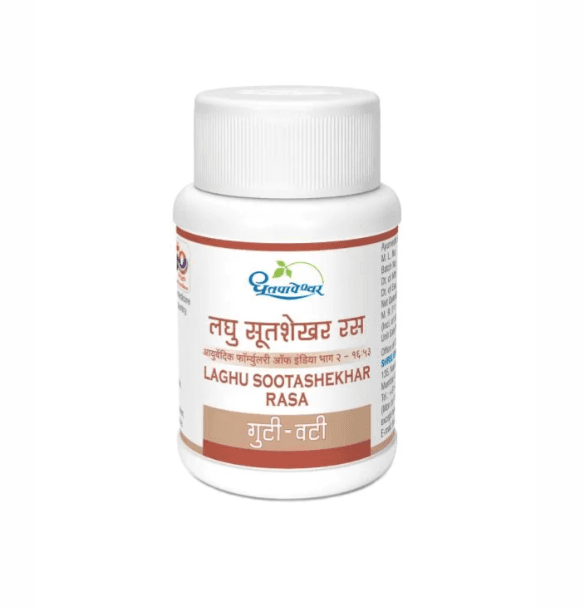
Laghu Sootashekhar Rasa (Dhootapapeshwar) SDL
SDLSupports Pitta-related comfort
Strip of 60 Tablets
4.5
₹163Get ₹16 Cashback