Skin allergy
Reviewed by medical experts · For informational purposes only
Introductory summary
Skin allergy correlates with the Ayurvedic conditions Shitapitta Udarda and Kotha characterized by raised red rashes resembling wasp stings. These arise when Vata and Kapha doshas aggravated by cold exposure or incompatible foods known as Viruddha Ahara vitiate Pitta and obstruct the skin and blood channels. Symptoms include intense itching redness and pricking pain. Shitapitta is Vata dominant while Udarda is Kapha dominant with more swelling. Management focuses on bio purification through Vamana and Virechana to expel toxins called Ama. Internal remedies include blood purifiers like Neem and Haridrakhanda while external application of mustard oil is prescribed in Chakradatta to soothe the skin and reduce inflammation caused by the doshic imbalance.
Skin Allergy
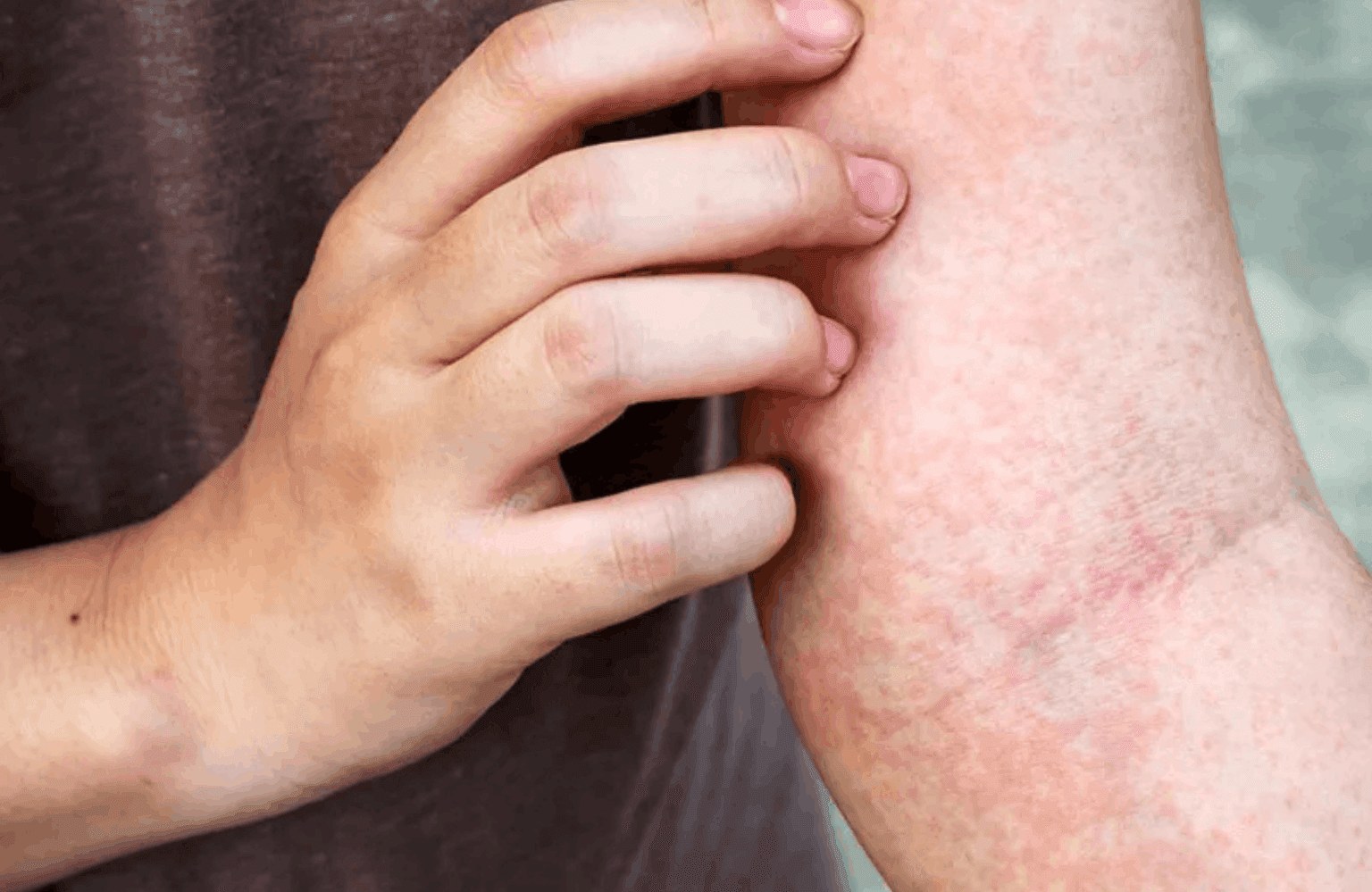
Skin Allergy in Ayurveda is primarily understood through the conditions known as Shitapitta (Urticaria/Hives), Udarda, and Kotha. These conditions are characterized by the sudden appearance of raised, red, and itchy rashes on the skin, often compared to the swelling caused by a wasp sting. The pathology involves the vitiation of the Vata and Kapha doshas (bio-energies) due to exposure to cold or improper diet, which then aggravates Pitta and affects the skin and blood.
1. Definition
Modern Definition: A skin allergy is a reaction by the immune system to a substance that is typically harmless, resulting in symptoms like itching, redness, and inflammation (e.g., Urticaria, Eczema, Allergic Dermatitis).
Ayurvedic Definition:
- Shitapitta: A condition characterized by rashes resembling the sting of a wasp (Varati dashtra), accompanied by itching, burning sensation, and fever.
- Udarda: A variation of the above dominated by the Kapha dosha, featuring thick, heavy, and reddish swelling.
- Kotha: A condition marked by the appearance of numerous red, circular patches (Mandala) with itching, often occurring due to suppressed vomiting or improper purification.
2. Etymology & Conceptual Meaning
- Shitapitta: The term is a compound of Shita (Cold) and Pitta (Heat/Bile). It implies a condition where the "cold" qualities of Vata and Kapha obstruct the heat of Pitta, or where the disease is triggered by cold contact but manifests with heating symptoms (burning/redness).
- Udarda: Derived from roots suggesting "rising up" or "elevation," referring to the raised welts or wheals on the skin.
- Kotha: Literally refers to putrefaction or eruption, indicating the outbreak of rashes.
- Conceptual Interpretation: Ayurveda views these allergies not just as surface reactions but as systemic imbalances where the internal fire (Agni) is disturbed, leading to the formation of toxins (Ama) which then lodge in the skin (Twak) and blood (Rakta).
3. Causes (Nidana)
The causes are multifactorial, involving environmental triggers, diet, and suppression of natural urges.
- Dietary Causes:
- Viruddha Ahara: Consumption of incompatible food combinations (e.g., fish with milk).
- Excessive intake of sour (Amla), salty (Lavana), and pungent (Katu) tastes.
- Heavy, unctuous, or improper food that leads to indigestion and Ama.
- Environmental Causes:
- Shita Maruta: Exposure to cold wind is a primary trigger for Shitapitta.
- Contact with cold water or sudden temperature changes.
- Lifestyle Causes:
- Vegadharana: Suppression of natural urges, particularly the urge to vomit (Chardi) is explicitly mentioned as a cause for Kotha.
- Day sleep (Divaswapna) which aggravates Kapha.
- Insect bites (Kita-damsha).
4. Journey of the Disease (Pathogenesis/Samprapti)
- Samprapti Ghataka (Components):
- Pathogenesis:
- Due to exposure to cold wind or improper diet, Vata and Kapha become aggravated.
- These doshas mix with Pitta and spread internally and externally.
- They lodge in the skin (Twak) and superficial tissues.
- The obstruction causes the heat of Pitta to be trapped, resulting in raised, red rashes (Shotha), while Vata causes pricking pain (Toda) and Kapha causes itching (Kandu).
5. Symptoms (Lakshana)
- Shitapitta (General Allergy/Hives):
- Varati-dashtra-samsthana: Rash resembling the swelling from a wasp sting.
- Kandu: Severe itching.
- Toda: Pricking pain.
- Vidaha: Burning sensation.
- Jwara: Fever may accompany severe reactions.
- Chardi: Vomiting.
- Udarda (Kapha-dominant):
- Marked by swelling (Shotha) that is reddish and heavy.
- Kotha:
6. Different Types or Classification (Bheda)
While often used interchangeably, Madhava Nidana distinguishes them by Dosha dominance and onset:
- Shitapitta: Vata-predominant (excessive pain/pricking).
- Udarda: Kapha-predominant (excessive swelling/itching).
- Kotha: Often associated with the suppression of vomiting or improper emesis; characterized by chronic, recurring red patches.
7. Diagnosis
- Ayurvedic Diagnosis (Roga Pariksha):
- Darshana (Observation): Identifying the characteristic "wasp-sting" wheals and redness (Raga).
- Prashna (Questioning): History of exposure to cold wind, intake of incompatible foods, or suppression of vomiting.
- Sparshana (Touch): Checking for localized heat and swelling.
- Differential Diagnosis:
- Distinguished from Visarpa (Erysipelas), which spreads rapidly and has deeper suppuration.
- Distinguished from Kustha (chronic skin diseases like eczema/psoriasis) which involves long-term tissue destruction and scaling.
8. Disease Management
Management focuses on Shodhana (Purification) to remove the toxins and Shamana (Pacification) using herbs and diet.
Medicines
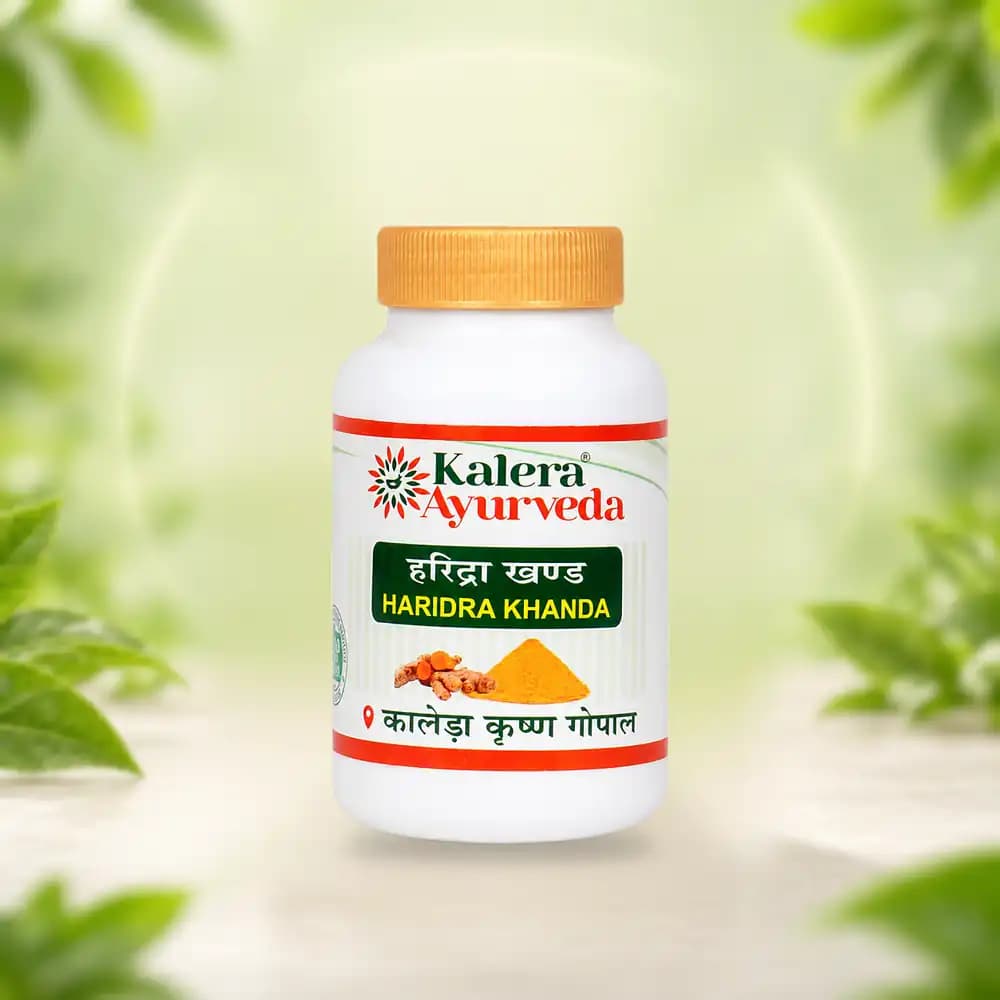
- Haridra (Turmeric): Highly praised for skin allergies. Haridrakhanda (a granular preparation of turmeric) is a specific remedy mentioned in texts like Chakradatta for Shitapitta, Udarda, and Kotha.
- Triphala: Used as a mild laxative and detoxifier.
- Nimba (Neem): Used for its antimicrobial and blood-purifying properties.
- Guduchi: An immunomodulator used to pacify all three doshas.
- Vardhamana Pippali: Use of long pepper in increasing doses is indicated for chronic allergies.
Panchakarma (Therapies)
- Abhyanga (Massage): Massage with Mustard Oil (Sarsapa Taila) is specifically prescribed in Chakradatta for curing Shitapitta and Udarda.
- Virechana (Purgation): The primary treatment to expel heat (Pitta) and toxins from the blood. It is indicated for allergic dermatitis and eczema.
- Vamana (Emesis): Indicated if there is heavy Kapha congestion or if the allergy is due to suppressed vomiting.
- Raktamokshana: Bloodletting is used in severe cases where the blood is heavily vitiated.
Diet (Ahara)
- Pathya (Beneficial): Light foods, bitter vegetables like pointed gourd (Patola) and Neem, pomegranate, and old rice.
- Apathya (Avoid): Sour and salty foods, milk with fish, heavy sweets, cold water, and alcohol.
9. Prognosis
- Sadhya (Curable): Acute cases (Navina) appearing in strong individuals are easily treated.
- Krichra (Difficult): Chronic cases (Kotha with Sanubandha) or those involving complications like high fever and vomiting are difficult to treat.
- Yapya (Manageable): If the patient continues exposure to allergens (cold wind/improper food), the condition may persist and require lifelong management.
10. Modern Correlations
- Urticaria (Hives): Shitapitta correlates directly with Urticaria, sharing symptoms of wheals, itching, and sudden onset.
- Allergic Dermatitis: The symptoms of Udarda and Kotha overlap with allergic dermatitis and contact dermatitis.
- Mechanism: The Ayurvedic concept of Ama (toxins) acting as antigens aligns with the modern understanding of allergen-antibody reactions causing inflammation.
11. References
-
WHO – Allergic Diseases
🔗 https://www.who.int/news-room/fact-sheets/detail/allergic-diseases
WHO overview of allergic conditions and immune mechanisms.
-
WHO – Skin Diseases (Public Health Importance)
🔗 https://www.who.int/teams/control-of-neglected-tropical-diseases/skin-diseases
WHO program highlighting skin disorders and allergy-related conditions.
-
CDC – Allergic Contact Dermatitis
🔗 https://www.cdc.gov/niosh/topics/skin/allergicdermatitis.html
Causes, occupational exposure, and prevention.
-
Mayo Clinic – Skin Allergy
🔗 https://www.mayoclinic.org/diseases-conditions/contact-dermatitis/symptoms-causes/syc-20352725
Trusted patient-oriented explanation. -
NHP India – त्वचा एलर्जी
🔗 https://www.nhp.gov.in/disease/skin/skin-allergy
Government of India health portal (Hindi & English).
-
AIIMS Health Education – एलर्जी
🔗 https://www.aiims.edu/aiims/healthinfo/allergy.htm
Simple Hindi explanation for patients.
12. FAQ Section
Q: Can Ayurvedic oil massage help with skin allergies?
A: Yes. Specifically, massage (Abhyanga) with Mustard Oil (Sarsapa Taila) is recommended in classical texts like Chakradatta to relieve the symptoms of Shitapitta (hives) and Udarda.
Q: What foods should be avoided during a skin allergy?
A: One should avoid "incompatible foods" (Viruddha Ahara) such as milk combined with fish or fruit. Also, avoid excessive sour, salty, and heavy foods, as well as cold water, which can aggravate the condition.
Q: Is Turmeric good for skin allergies?
A: Yes. Turmeric (Haridra) is a primary herb for skin conditions. Formulations like Haridrakhanda are specifically prescribed for allergic rashes and itching.
Q: What is the difference between Shitapitta and Udarda?
A: Shitapitta is generally Vata-dominant with more pricking pain, while Udarda is Kapha-dominant with more redness, heavy swelling, and itching. Both are types of allergic skin reactions.
Consult a Doctor
- SP4.5Dr Sreelekha P Nair
Ayurveda6 yrs exp
- SJ3.9SUMEDH JOSHI
Ayurveda7 yrs exp
- VH3.9Vaidya Harsh
Ayurveda9 yrs exp
- GG3.0Dr GN Govinda
Ayurveda1 yrs exp
Buy Medicine
 Prescribed to you4.5₹11 cashback
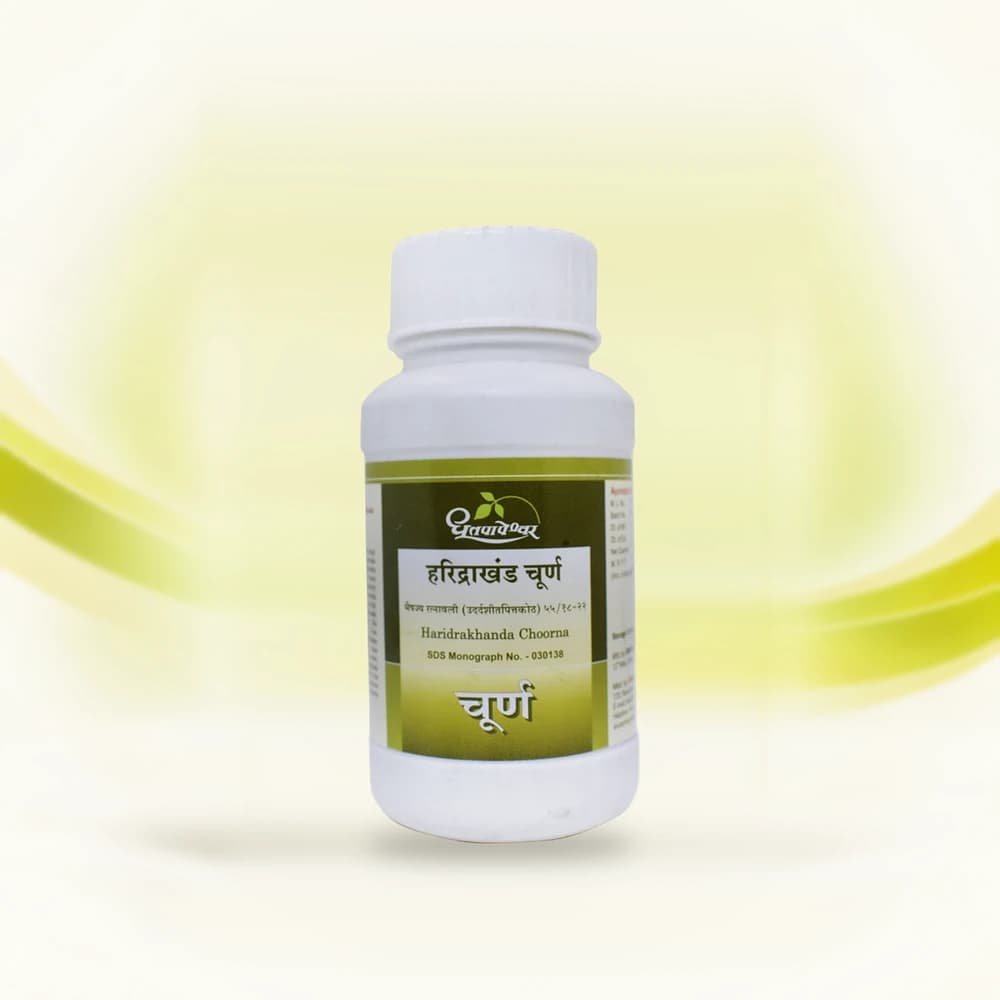
Haridrakhanda Choorna (Dhootapapeshwar) SDL
SDLSupports skin comfort
Container of 60 g
4.5
₹119Get ₹11 Cashback
 Prescribed to you4.3₹6 cashback
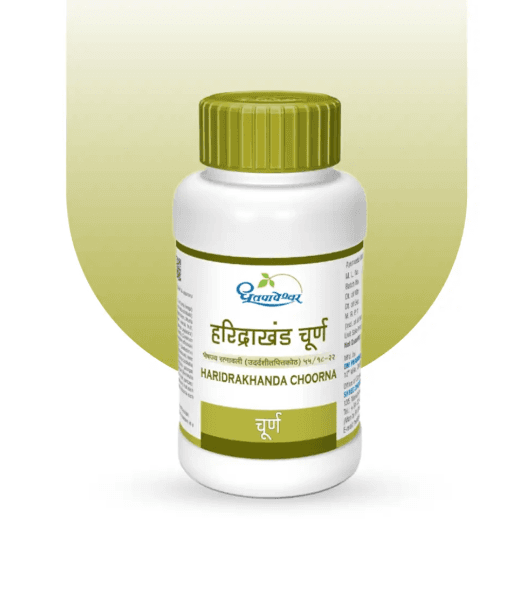
Haridrakhanda Choorna Vati (Dhootapapeshwar)SDLSupports skin comfort
Strip of 60 Tablets
4.3
₹69Get ₹6 Cashback
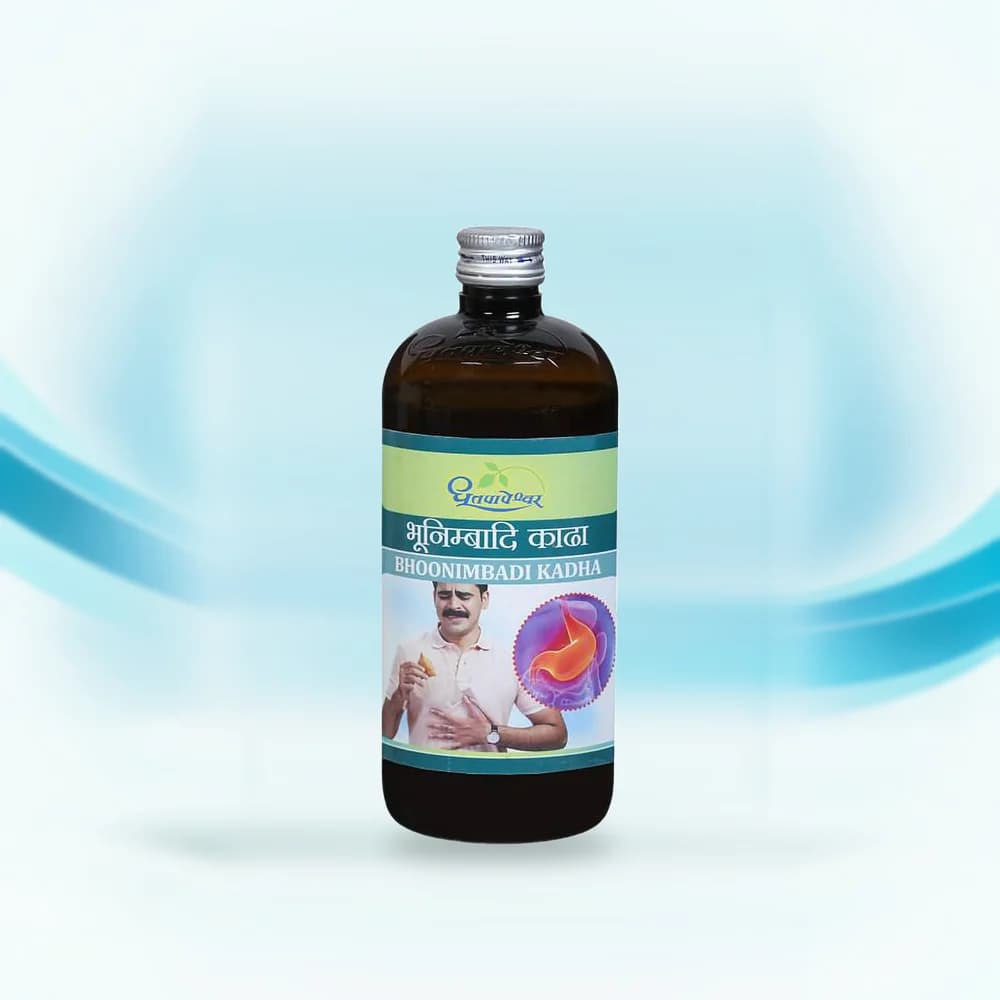 Prescribed to you4.5₹13 cashback
Bhoonimbadi Kadha (Dhootapapeshwar)SDLSupports digestive comfort
Bottle of 200 ml
4.5
₹130Get ₹13 Cashback