Eczema
Reviewed by medical experts · For informational purposes only
Introductory summary
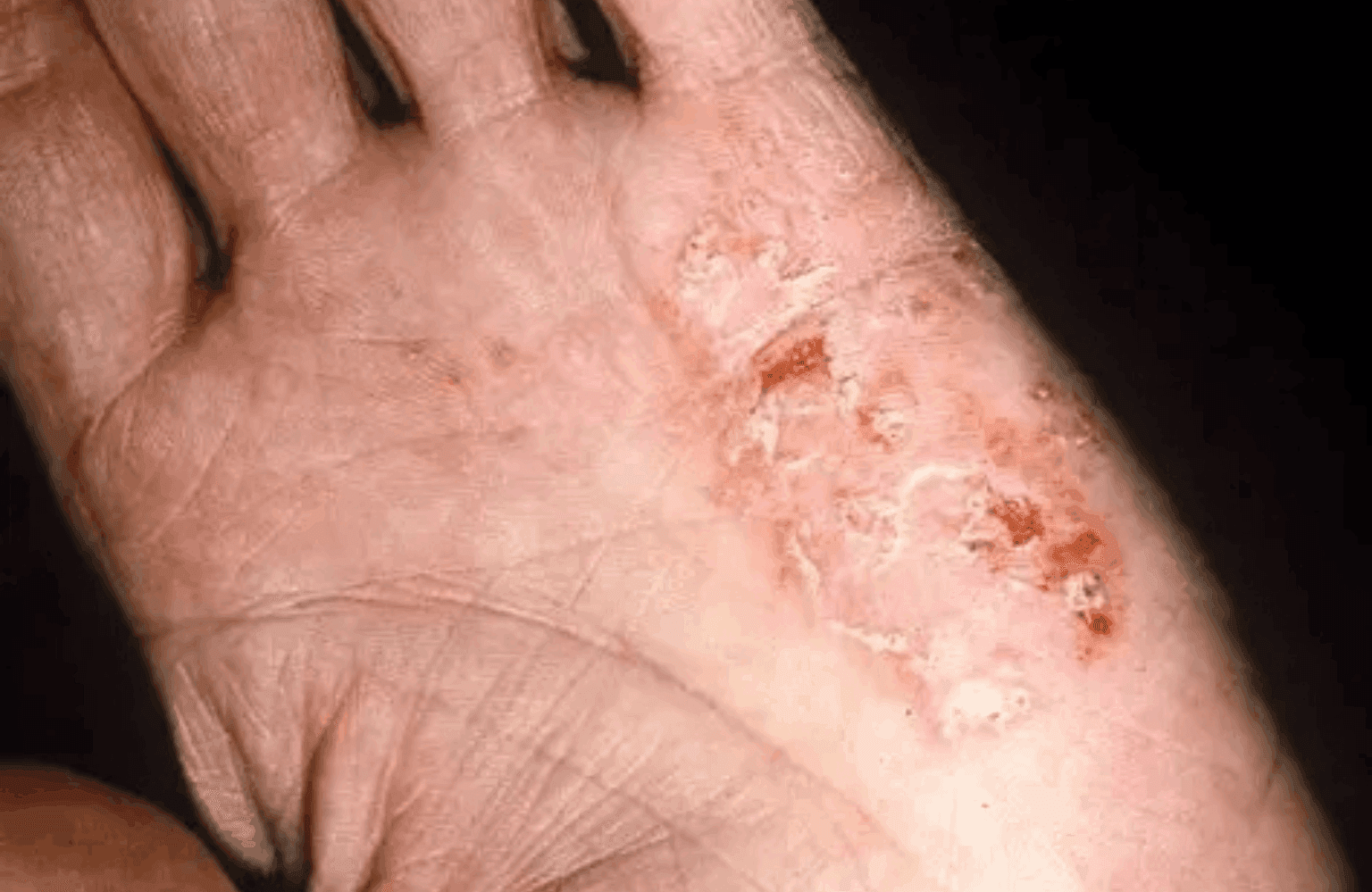
Eczema correlates with the Ayurvedic condition Vicharchika which is classified under Kushtha or skin diseases. It arises from the vitiation of the Tridosha primarily Kapha and Pitta along with the corruption of blood and skin tissues. Key symptoms include intense itching known as Kandu dark discoloration and the formation of pustules with profuse discharge or weeping. The root causes often involve dietary errors such as consuming incompatible foods like fish with milk or excessive salt and sour items. Management emphasizes systemic purification through Panchakarma specifically Virechana or purgation to expel toxins. External treatments using pastes of herbs like Neem Khadira and Triphala are essential for reducing inflammation and cleansing the skin while bloodletting may be used for severe cases.
Eczema
Eczema is a general term for a group of conditions that cause the skin to become inflamed or irritated. In Ayurveda, skin diseases are collectively classified under the broad category of Kushtha. Among the various types of Kushtha, the condition known as Vicharchika correlates most closely with Eczema, particularly the wet type. It is characterized by intense itching, eruption of pustules, dark discoloration, and profuse discharge. Ayurveda views this condition not merely as a surface irritation but as a systemic disorder resulting from the vitiation of the body's humors (Doshas) and tissues (Dhatus).
1. Definition
Modern Definition: Eczema (Atopic Dermatitis) is a condition that makes the skin red and itchy. It is common in children but can occur at any age. It is a long-lasting (chronic) disease that tends to flare periodically.
Ayurvedic Definition: Vicharchika is defined as a skin affection characterized by Kandu (itching), Pidaka (eruptions/pustules), Shyava (dark or blackish discoloration), and Bahusrava (profuse discharge or weeping). It is classified as one of the Kshudra Kushtha (Minor Skin Diseases).
2. Etymology & Conceptual Meaning
-
Literal Meaning:
-
Kushtha: Derived from the root word meaning "that which destroys or disfigures the skin".
-
Vicharchika: Refers to a condition that covers or spreads over the skin with eruptions.
-
-
Conceptual Interpretation: Ayurveda explains that skin diseases arise from the corruption of seven essential components (Sapta Dravya): the three Doshas (Vata, Pitta, Kapha) and four Dushyas — Twak (Skin), Rakta (Blood), Mamsa (Flesh), and Lasika (Lymph/Plasma). When these seven interact pathologically, skin diseases like eczema manifest.
3. Causes (Nidana)
Dietary Causes
-
Viruddha Ahara (Incompatible Foods)
-
Excessive consumption of Navanna, Dadhi, Matsya, Lavana, and Amla
-
Excessive intake of Drava and Snigdha foods
-
Excessive use of Guda and Tila
Lifestyle Causes
-
Vega Dharana, particularly Chhardi
-
Sudden exposure to cold after heat
-
Divaswapna
-
Improper Panchakarma procedures like faulty Snehana
Psychological & Karmic Factors
- Sinful acts, antisocial behavior, disrespect to teachers or Brahmins (as described in classical texts)
4. Journey of the Disease (Pathogenesis / Samprapti)
-
Samprapti Ghataka:
-
Ama: Ama blocks channels causing inflammation.
5. Symptoms (Lakshana)
-
Kandu
-
Pidaka
-
Shyava Varna
-
Bahusrava
Other Conditions:
-
Pama
-
Charmadala
-
Kitibha
6. Different Types or Classification (Bheda)
Ayurveda classifies Kushtha (Skin diseases) into two main categories:
-
Maha Kushtha (Major Skin Diseases): There are 7 types, which are deep-seated and difficult to cure (e.g., Kapala, Udumbara, Mandala).
-
Kshudra Kushtha (Minor Skin Diseases): There are 11 types, which include Vicharchika (Eczema), Pama (Scabies), Dadru (Ringworm), Kitibha (Psoriasis/Lichen Planus), and Vipadika (Fissures).
7. Diagnosis
• Ayurvedic Diagnosis:
◦ Darshana (Observation): Checking for the color (Shyava - dark), nature of discharge (Bahusrava - weeping), and texture (Parusha - rough).
◦ Prashna (Interrogation): Asking about itching (Kandu) and dietary habits (e.g., sour/salty foods, milk with fish).
◦ Sparshana (Touch): Assessing roughness, heat (if Pitta is involved), or wetness.
• Differential Diagnosis:
◦ Distinguished from Dadru (Ringworm), which presents as elevated circular patches with pustules.
◦ Distinguished from Visarpa (Erysipelas), which spreads rapidly like a snake with inflammation.
8. Disease Management
Diet (Ahara)
-
Avoid Viruddha Ahara
-
Use Tikta Shak like Patola and Karvellaka
Medicines (Shamana)
-
Kushthavaleha
-
Bakuchi
-
Chakramarda, Kapittha, Karanja, Haridra, Aragvadha
-
Guggulutikthaka Ghrita
Panchakarma
-
Virechana
-
Vamana
-
Raktamokshana
-
Snehana
9. Prognosis
• Curable (Sadhya): Vicharchika and other Kshudra Kushtha are generally curable or manageable, especially if they involve only one Dosha and are of recent origin.
• Incurable (Asadhya): If the disease involves all three Doshas (Tridoshaja), affects deep tissues like bone or marrow, or if the patient is very weak with poor digestion (Mandagni), it becomes difficult to treat or incurable.
10. Modern Correlations
• Similarities:
◦ Vicharchika correlates directly with Wet Eczema due to the shared symptoms of itching, vesicles, and oozing.
◦ Pama correlates with Scabies or papular eczema.
◦ Kitibha correlates with Lichen Planus or Dry Eczema.
• Differences: Modern medicine often treats dermatitis with corticosteroids to suppress inflammation. Ayurveda aims to treat the root metabolic cause (Agni) and purify the blood (Rakta Shodhana) to prevent recurrence.
11. References
- StatPearls (NCBI Bookshelf): हाल-ही में अपडेट की गई समीक्षा जिसमें Eczema का pathogenesis, epidemiology, लक्षण और management विस्तृत रूप से समझाया गया है। यह बताती है कि यह स्थिति आनुवंशिक और पर्यावरणीय जोखिम-कारकों के संयोजन से विकसित होती है, और त्वचा की सुरक्षा बाधा (skin barrier) में दोष इसके प्रमुख कारणों में से एक है। (NCBI)
- Atopic Eczema: Pathophysiological Findings as… (PubMed): यह पेपर बीज आधारभूत immunological और skin barrier dysfunction पर केंद्रित है और आधुनिक targeted therapies (जैसे IL–4Rα antibody) के विकास को समझाता है। (PubMed)
- Eczema (atopic) — BMJ Clinical Evidence (PMC): पुराने लेकिन क्लासिक systematic review में atopic eczema के प्राथमिक और द्वितीयक रोकथाम उपायों, topical treatments और dietary interventions के वैज्ञानिक डेटा शामिल हैं। (PMC)
- Systematic Review of Treatments (NIHR): NIHR की Scoping समीक्षा में 287 रैंडमाइज़्ड परीक्षणों का सारांश है, जिसमें corticosteroids, tacrolimus, UVB, ciclosporin, educational interventions जैसे इलाजों की प्रभावशीलता का तुलनात्मक डेटा है। (NCBI)
- Views & Experiences of Managing Eczema (PubMed): यह systematic review qualitative studies का thematic synthesis प्रदान करता है—जिसमें रोगियों और उनके देखभाल करने वालों के अनुभव, आशंकाएँ और उपचार-सम्बंधित धारणाएँ शामिल हैं। (PubMed)
- Patient Education in Atopic Dermatitis: इस शोध में स्पष्ट रूप से बताया गया है कि रोगी शिक्षा (patient education) अत्यंत महत्वपूर्ण है—जो self-management, quality of life, और therapeutic adherence को बढ़ाता है। (SpringerLink)
12. FAQ Section
Q: What is the main cause of Eczema in Ayurveda?
A: The primary causes are incompatible foods (Viruddha Ahara), such as eating milk with fish, excessive intake of sour and salty foods, suppressing natural urges like vomiting, and sudden temperature changes (like cold water after heat).
Q: Is Eczema contagious according to Ayurveda?
A: Yes, Ayurveda considers skin diseases (Kushtha) to be contagious (Aupasargika). They can spread through physical contact (Gatrasamsparsha), sharing clothes, or towels.
Q: Which Panchakarma treatment is best for Eczema?
A: Virechana (therapeutic purgation) is highly recommended for skin disorders like Eczema and Allergic Dermatitis because it expels Pitta and purifies the blood.
Q: What foods should be avoided?
A: One should avoid incompatible foods (milk + fish), new grains, curd (yogurt), sour foods, salt, jaggery, and sesame products.
Q: What herbs are applied externally?
A: Pastes made from Chakramarda, Karanja, Turmeric (Haridra), and Aragvadha mixed with cow's urine or mustard oil are commonly used.
Consult a Doctor
- MS4.2Midun s kumar
Ayurveda4 yrs exp
- SP4.5Dr Sreelekha P Nair
Ayurveda6 yrs exp
- VR4.2Vaidya Rohit Kumar
Ayurveda3 yrs exp
- V4.1Vairamuthu
Ayurveda8 yrs exp
Buy Medicine
 Prescribed to you4.5₹17 cashback
Amrutadi Guggul (Dhootapapeshwar) SDL
SDLPhysician-guided Ayurvedic care
Strip of 60 Tablets
4.5
₹178Get ₹17 Cashback
 Prescribed to you4.5₹24 cashback
Mahamanjishthadi Kadha (Dhootapapeshwar)SDLSupports skin and wound care
Bottle of 450 ml
4.5
₹240Get ₹24 Cashback