
Ringworm
Reviewed by medical experts · For informational purposes only
Introductory summary
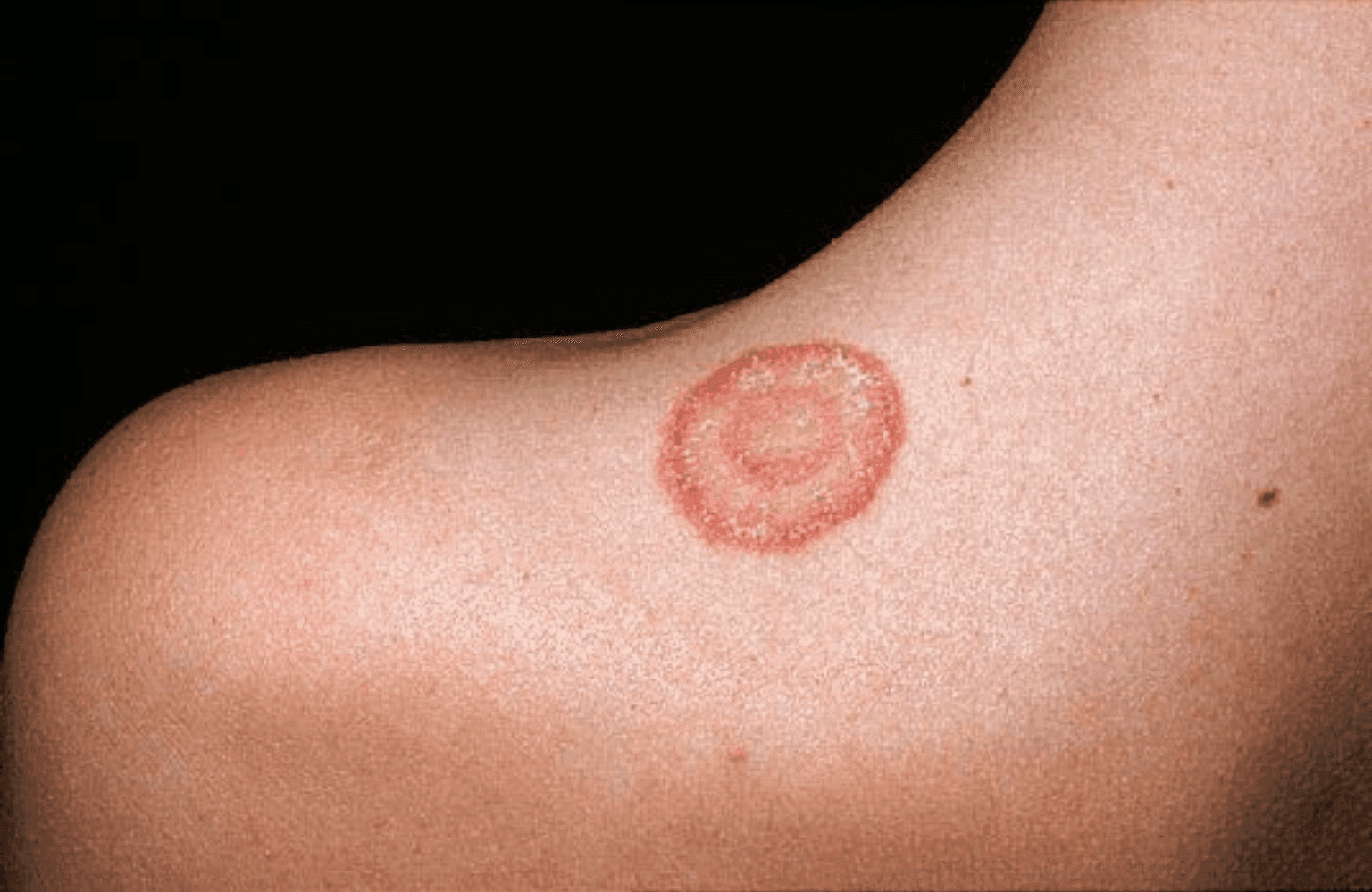
Ringworm correlates with the Ayurvedic condition Dadru classified as a type of Kustha or skin disease. It arises from the vitiation of Kapha and Pitta doshas leading to circular raised and intensely itchy lesions often resembling the Atasi flower. Ayurveda identifies this as an Aupasargika Roga meaning it is contagious and spreads through physical contact or sharing personal items. The pathology involves deep contamination of the skin blood and lymph caused by incompatible dietary habits like consuming fish with milk. Management focuses on bio-purification through Vamana and Virechana to expel toxins. Topical treatments are essential specifically using pastes of Chakramarda seeds mixed with sour gruel or lemon juice to destroy the infection and relieve itching.
Ringworm
Ringworm, known in Ayurveda as Dadru, is a common fungal skin infection characterized by circular, itchy rashes. In Ayurvedic pathology, it is classified under the umbrella of Kustha (skin diseases). Specifically, it is often categorized as a Kshudra Kustha (minor skin disease) or sometimes grouped with Maha Kustha depending on the severity and classification system used. It is caused by the vitiation of the Kapha and Pitta doshas, affecting the skin and underlying tissues.
1. Definition
Modern Definition: A contagious fungal infection of the skin or scalp, characterized by ring-shaped, red, scaly, and itchy patches (Tinea corporis).
Ayurvedic Definition: Dadru is a skin disease characterized by Mandala (circular patches), Udgata (elevated/raised lesions), Kandu (itching), Raga (redness), and Pidaka (papules/pustules). The lesions often resemble the color of the Atasi flower or copper.
2. Etymology & Conceptual Meaning
- Dadru: The term refers to the specific presentation of the skin lesion, typically described as spreading and circular.
- Kustha: Derived from roots implying "that which destroys" or "disfigures" the skin.
- Conceptual Interpretation: Ayurveda views Dadru not just as a surface infection but as a systemic imbalance. It involves the Sapta Dhatu (seven tissues) where the three Doshas (Vata, Pitta, Kapha) contaminate the Twak (skin), Rakta (blood), Mamsa (flesh), and Lasika (lymph/plasma). It is explicitly listed as an Aupasargika Roga (contagious disease), capable of spreading from person to person.
3. Causes (Nidana)
The causes of Dadru are consistent with the general etiology of Kustha (skin diseases), involving dietary, lifestyle, and contact factors.
- Dietary Causes:
- Viruddha Ahara: Consumption of incompatible foods (e.g., fish with milk).
- Excessive intake of liquid (Drava), unctuous (Snigdha), and heavy (Guru) foods.
- Consumption of new grains (Navanna), curd (Dadhi), and fish (Matsya).
- Excessive use of sour (Amla) and salty (Lavana) tastes.
- Lifestyle Causes:
- Vegadharana: Suppression of natural urges, particularly vomiting.
- Mithya Vihara: Improper activities such as exercising immediately after a heavy meal or sudden changes from heat to cold.
- Divaswapna: Sleeping during the day.
- Contagion (Aupasargika):
- Spreads through Gatrasamsparsha (bodily contact), sharing clothes (Vastra), ornaments, or towels with infected persons.
4. Journey of the Disease (Pathogenesis/Samprapti)
- Samprapti Ghataka (Components):
- Pathogenesis:
- Due to etiological factors (like incompatible diet), the Tridoshas (mainly Kapha and Pitta) are vitiated.
- These vitiated Doshas travel through the vessels and lodge in the skin (Twak) and superficial tissues.
- They contaminate the local blood and lymph.
- This obstruction and contamination manifest as circular, raised, itchy patches known as Dadru.
5. Symptoms (Lakshana)
The cardinal symptoms of Dadru described in Madhava Nidana are:
- Kandu: Intense itching (due to Kapha dominance).
- Mandala: Circular or ring-shaped patches.
- Udgata: The lesions are raised or elevated above the skin surface.
- Raga: Redness (due to Pitta dominance).
- Pidaka: Presence of small papules or pustules around the ring.
- Color: Described as resembling the Atasi flower or having a copper hue (Tamra).
6. Different Types or Classification (Bheda)
- Kshudra Kustha: Dadru is most commonly classified under the 11 types of minor skin diseases (Kshudra Kustha).
- Dosha Dominance:
- Sita (White/Pale): If Kapha is more dominant (itching, thickness).
- Asita (Dark/Red): If Pitta is more dominant (burning, redness).
7. Diagnosis
- Ayurvedic Diagnosis (Roga Pariksha):
- Darshana (Observation): Identifying the characteristic elevated ring shape (Mandala) and color.
- Prashna (Questioning): History of contact with infected persons, diet (sour/salty foods), and symptoms like itching.
- Differential Diagnosis:
- Sidhma: Another skin disease, but characterized by white/coppery patches that release dust/powder when rubbed, mostly on the chest (resembling Tinea versicolor).
- Kitibha: Characterized by blackish, rough, and hard skin (resembling Psoriasis or Lichen).
8. Disease Management
Management focuses on Shodhana (Purification) to expel toxins and Shamana (Pacification) using topical herbs.
Medicines (Topical & Internal)
- Chakramarda (Cassia tora): This is the premier herb for Dadru. The seeds are ground with sour gruel (Kanji) or lemon juice and applied to the ringworm patches.
- Dadrughna Lepa: A paste specifically formulated to destroy ringworm.
- Gandhaka (Sulphur): Gandhaka is highly praised for curing all itching (Kandu) and skin diseases. It is used internally (after purification) and externally in ointments.
- Aragvadha (Cassia fistula): Leaves are ground and applied to cure Dadru and Sidhma.
- Parad (Mercury) Formulations: Treatments involving purified mercury and sulphur (Kajjali) are used for stubborn skin diseases.
- Edagajadi Lepa: A paste containing Chakramarda, Kustha, etc., used for fungal infections.
Panchakarma (Therapies)
- Vamana (Emesis): Indicated for Kustha to eliminate vitiated Kapha dosha.
- Virechana (Purgation): Essential for eliminating Pitta and purifying the blood (Rakta). It is a primary treatment for skin diseases.
- Raktamokshana (Bloodletting): In severe or stubborn cases, letting out impure blood is prescribed to reduce redness and itching.
Diet (Ahara)
- Pathya (Beneficial): Light foods, bitter vegetables (like Patola/pointed gourd), and old grains.
- Apathya (Avoid): Sour foods, curd, milk with fish, jaggery, sesame, heavy meats, and alcohol.
9. Prognosis
- Sadhya (Curable): Dadru is generally considered curable, especially when it is new and involves limited Doshas.
- Krichra (Difficult): If the condition becomes chronic, involves all three Doshas (Tridoshaja), or if the patient is debilitated.
10. Modern Correlations
- Tinea Corporis: The Ayurvedic description of Dadru (circular, elevated, itchy, red patches) correlates almost perfectly with Tinea Corporis (Ringworm of the body).
- Contagion: Both Ayurveda and modern medicine recognize the contagious nature (Aupasargika) of this condition, spreading through direct contact or fomites.
11. References
-
MedlinePlus – Ringworm
🔗 https://medlineplus.gov/ringworm.html
Comprehensive overview of causes, symptoms, diagnosis, and treatment.
-
CDC – Ringworm (Dermatophytosis)
🔗 https://www.cdc.gov/fungal/diseases/ringworm/index.html
Authoritative public health resource with prevention and transmission details.
-
NHS – Ringworm and Other Fungal Infections
🔗 https://www.nhs.uk/conditions/ringworm/
Clear explanation with images and treatment guidance.
-
DermNet NZ – Tinea Corporis
🔗 https://dermnetnz.org/topics/tinea-corporis
Highly trusted dermatology reference with clinical images.
-
Cleveland Clinic – Ringworm
🔗 https://my.clevelandclinic.org/health/diseases/4560-ringworm
Patient-friendly explanation of symptoms, diagnosis, and antifungal therapy.
-
Mayo Clinic – Ringworm (Body)
🔗 https://www.mayoclinic.org/diseases-conditions/ringworm-body/symptoms-causes/syc-20353780
Detailed medical insights and treatment approaches.
-
NCBI – Dermatophytosis Review Article
🔗 https://www.ncbi.nlm.nih.gov/books/NBK470421/
Scientific and academic reference useful for research articles.
-
WHO – Fungal Skin Infections (General)
🔗 https://www.who.int/news-room/fact-sheets/detail/fungal-diseases
Global health perspective on fungal diseases including dermatophytosis.
12. FAQ Section
Q: Is Ringworm contagious according to Ayurveda?
A: Yes. Dadru (Ringworm) is listed as an Aupasargika Roga (contagious disease). It spreads through Gatrasamsparsha (body contact) and sharing items like clothes and towels.
Q: What is the best Ayurvedic herb for Ringworm?
A: Chakramarda (seeds of Cassia tora) is traditionally considered the most effective herb. It is often applied as a paste mixed with sour liquids like lime juice or fermented gruel.
Q: Does diet affect Ringworm?
A: Yes. Ayurveda states that "incompatible foods" (like fish and milk), sour foods, and curd can aggravate the Doshas (Kapha and Pitta) that cause skin diseases. Avoiding these is part of the treatment.
Q: Can Panchakarma help with chronic skin fungal infections?
A: Yes. Virechana (therapeutic purgation) and Vamana (therapeutic vomiting) are recommended to expel the deep-seated toxins and vitiated Doshas causing the skin disease.
Consult a Doctor
- DS4.2Deeksha sharma
Ayurveda4 yrs exp
- MS4.2Midun s kumar
Ayurveda4 yrs exp
- DR4.3Dr.Prajwal Raj Biradar
Ayurveda1 yrs exp
- BY4.3Bapodara yash kanabhai
Ayurveda3 yrs exp
More on Ringworm
Buy Medicine
 Prescribed to you4.5₹17 cashback
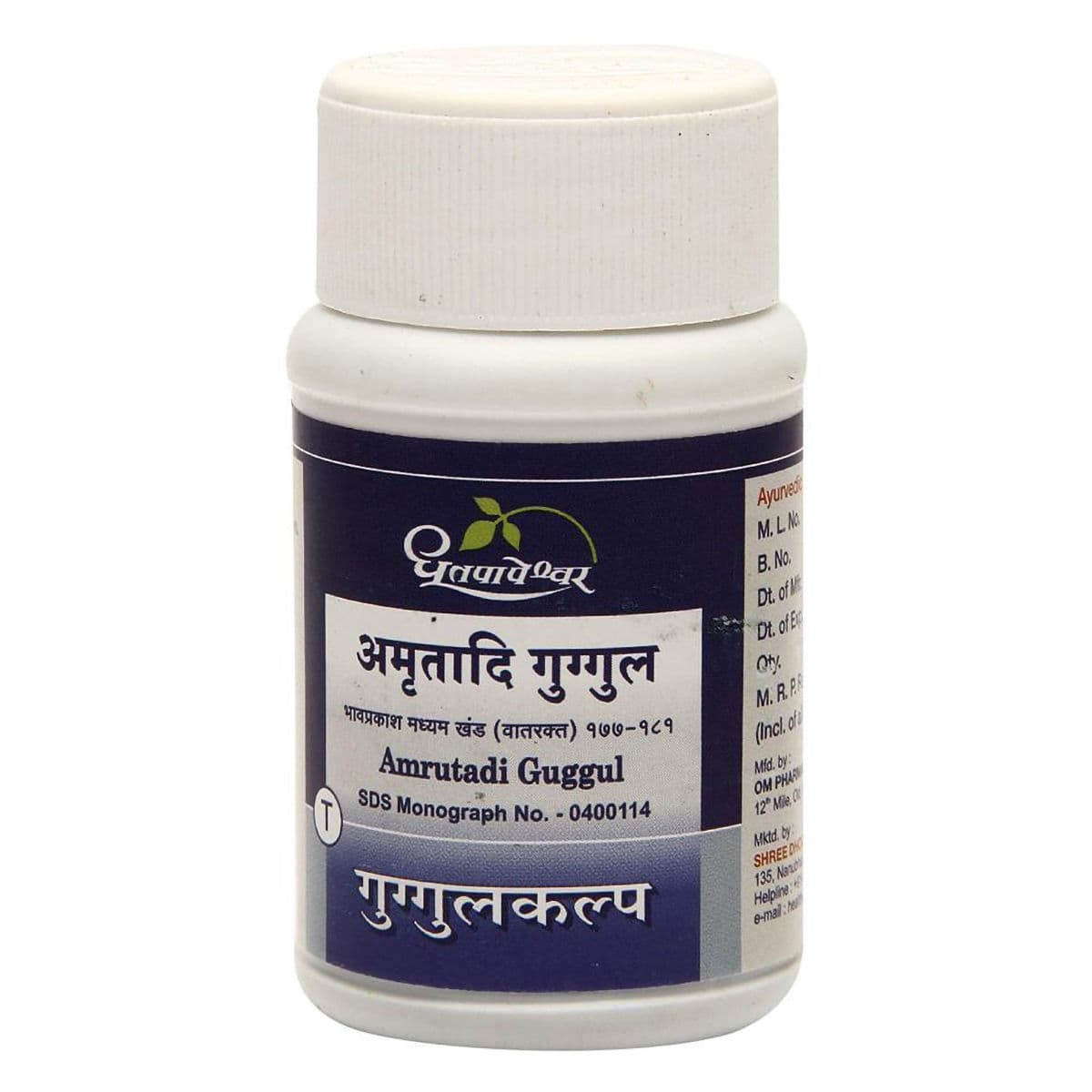
Amrutadi Guggul (Dhootapapeshwar) SDL
SDLPhysician-guided Ayurvedic care
Strip of 60 Tablets
4.5
₹178Get ₹17 Cashback
 Prescribed to you4.5₹10 cashback
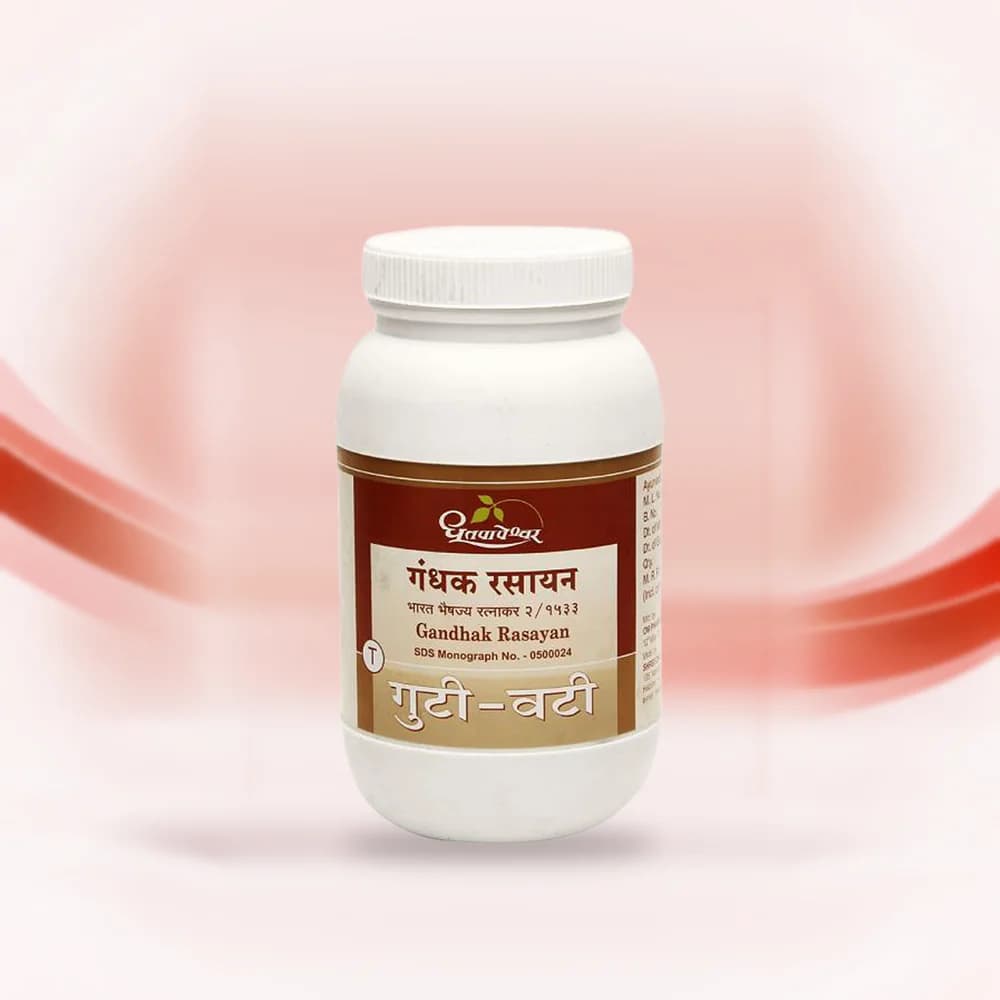
Gandhak Rasayan (Dhootapapeshwar)SDLSkin and burning comfort
Strip of 30 Tablets
4.5
₹101Get ₹10 Cashback
 Prescribed to you4.2₹11 cashback
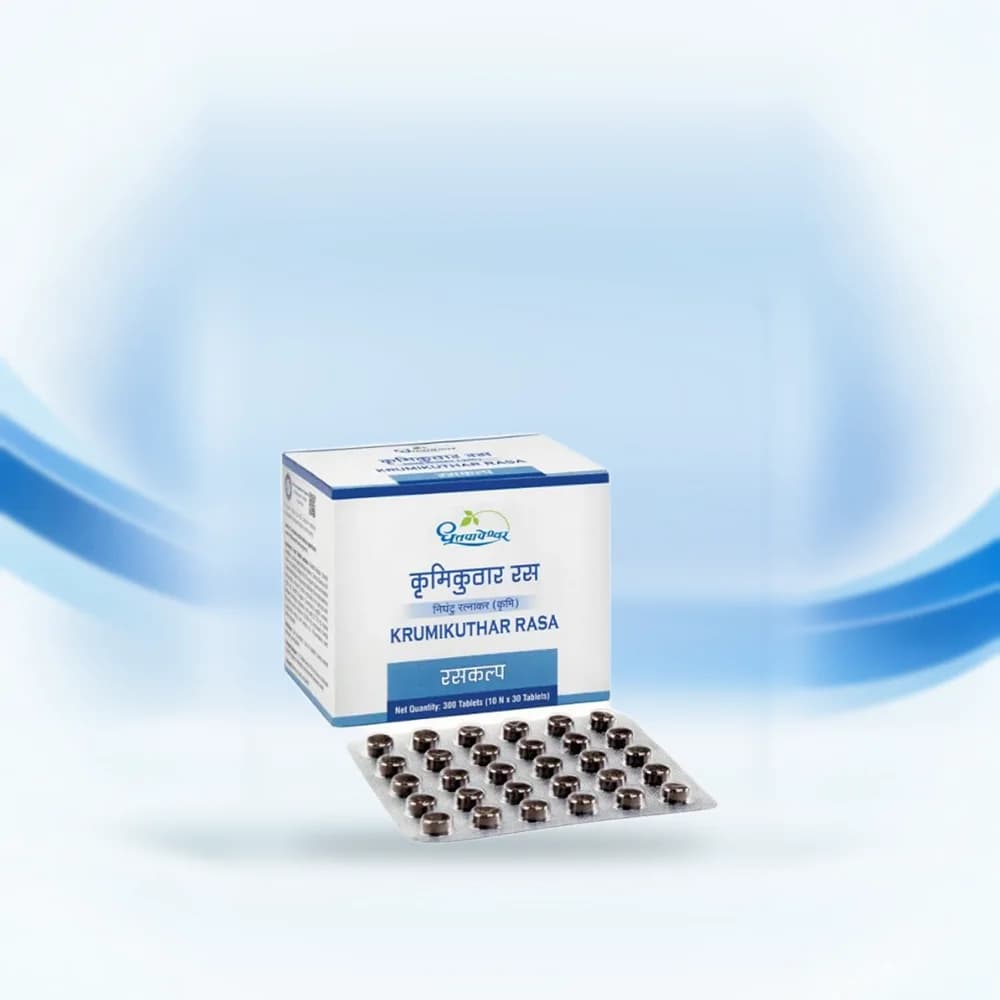
Krumikuthar Rasa (Dhootapapeshwar)SDLSupports intestinal worm care
Strip of 30 Tablets
4.2
₹115Get ₹11 Cashback
