Arjuna
Reviewed by medical experts · For informational purposes only
Introductory summary
Arjuna known as Partha or Kakubha in Ayurveda consists of the stem bark of Terminalia arjuna. It is highly revered for its ability to treat Hridroga or heart diseases and Phupphusa Roga or lung disorders particularly in the formulation Parthadyarishta which also enhances strength. The herb is a vital component of the Nyagrodhadi group acting as a cooling astringent to treat burning sensations obesity or Medoroga and vaginal diseases while balancing Pitta and Kapha. Additionally it is a key ingredient in Laksa Guggulu specifically indicated for healing bone fractures known as Asthi Bhagna. Other formulations like Devadarvarishta and Aravindasava utilize Arjuna to combat debility and support general health.
Arjuna
Arjuna, scientifically known as Terminalia arjuna, is a large tree extensively used in Ayurveda, primarily for promoting heart health and healing fractures. In classical texts, it is often referred to by the synonym Partha. It is a key ingredient in various Ayurvedic formulations designed to strengthen the heart and respiratory system.
1. Name of the Herb
- Common Name: Arjuna.
- Scientific Name: Terminalia arjuna W. & A.
- Other Names / Synonyms: Partha, Dhananjaya, Kukubha (often used in classical verses).
2. Brief Description
Arjuna is a large evergreen tree found throughout India. In Ayurveda, it holds a prestigious position as a Hridya (cordial/heart tonic), meaning it is beneficial for the heart. It is also renowned for its ability to help in the union of fractured bones (Asthi Bhagna) and is included in specific groups of herbs (Ganas) like Nyagrodhadi which are used to treat bleeding disorders and burning sensations.
3. Source / Part Used
- Plant Source: Herbal / Tree-based.
- Part Used:
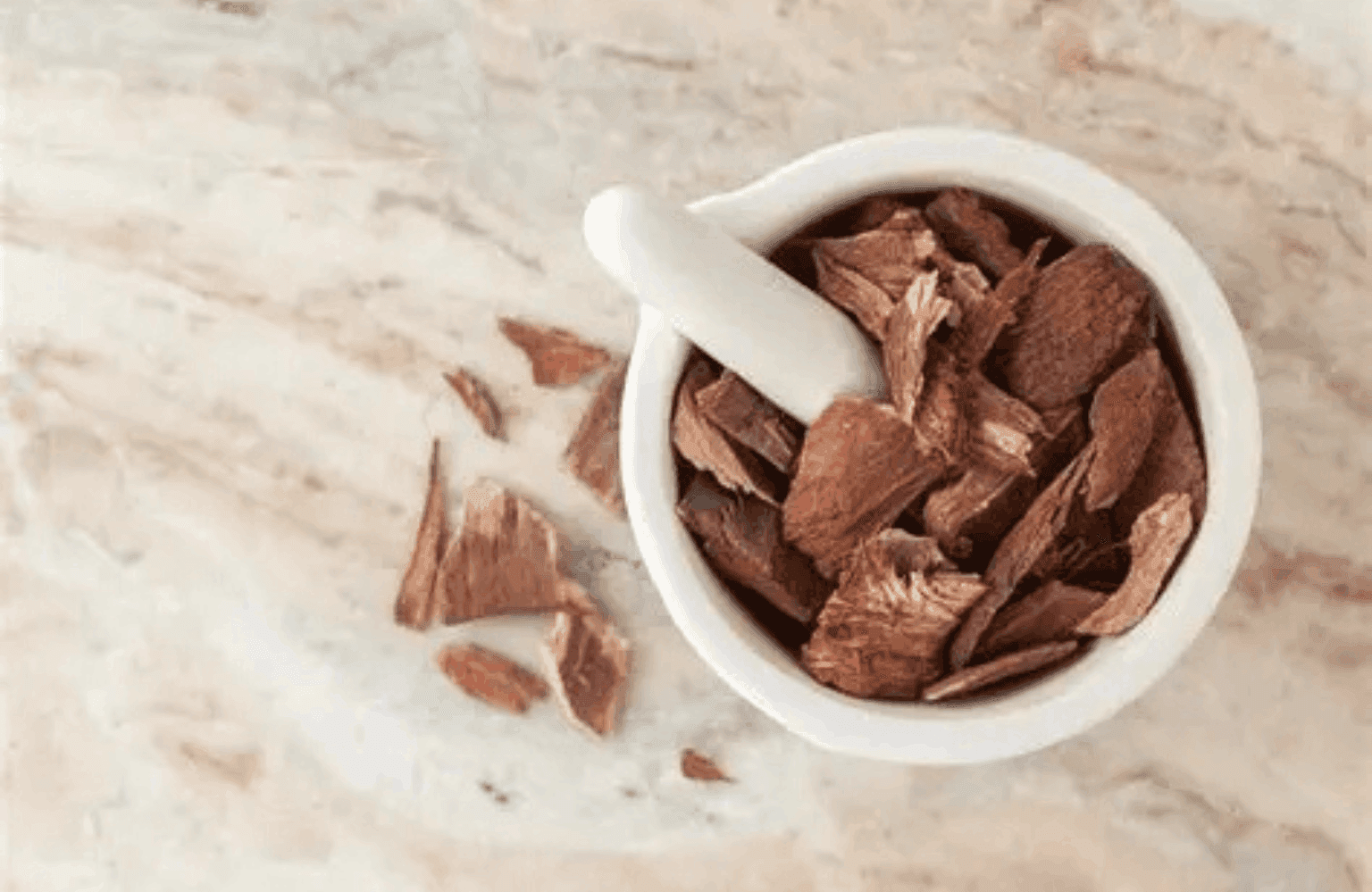
- Stem Bark (St. Bk.): The most common part used for medicinal purposes.
- Flowers: Used in specific oils like Nilikadya Taila and Arimedadi Taila.
4. Ayurvedic Properties
- Rasa (Taste): Kashaya (Astringent) (Implied by its inclusion in Nyagrodhadi group used for Raktapitta and Stambhana).
- Guna (Qualities): Ruksha (Dry), Laghu (Light) (General properties of the Kashaya group).
- Virya (Potency): Shita (Cold).
- Dosha Effect: It balances Pitta and Kapha doshas. Due to its cooling (Shita) and astringent nature, it is specifically effective in pacifying vitiated Blood and Pitta (Raktapitta).
5. Key Benefits
- Supports Heart Health: It is classified as Hridya (beneficial for the heart) and is a primary remedy for heart diseases.
- Heals Fractures: It aids in joining broken bones (Asthi Bhagna).
- Stops Bleeding: Effective in managing bleeding disorders (Raktapitta) due to its astringent nature.
- Supports Respiratory Health: Used in conditions involving lung disorders (Phupphusa Roga).
- Combats Weakness: Helps in cases of loss of strength (Balakshaya) and vitality.
6. Uses / Indications
Arjuna is indicated in Ayurveda for the following conditions:
- Hridroga: Heart disease.
- Phupphusa Roga: Lung disorders.
- Asthi Bhagna: Bone fractures.
- Raktapitta: Bleeding disorders (haemorrhage).
- Prameha: Urinary disorders/Diabetes.
- Vrana: Ulcers and wounds.
- Medoroga: Obesity.
- Vyanga: Pigmentation disorders (used in oils).
7. How It Works
Arjuna works primarily through its Astringent (Kashaya) and Cooling (Shita) properties.
- Circulatory System: It acts as a Hridya drug, providing strength to the cardiac muscles and regulating heart function.
- Skeletal System: It has a specific action described as Bhagna-sandhanakara, meaning it helps in the union of fractures, likely by promoting the healing of bone tissue.
- Hamostatic: It constricts blood vessels (due to astringency) and cools the blood (due to cold potency), effectively stopping bleeding in conditions like Raktapitta.
8. Dosage
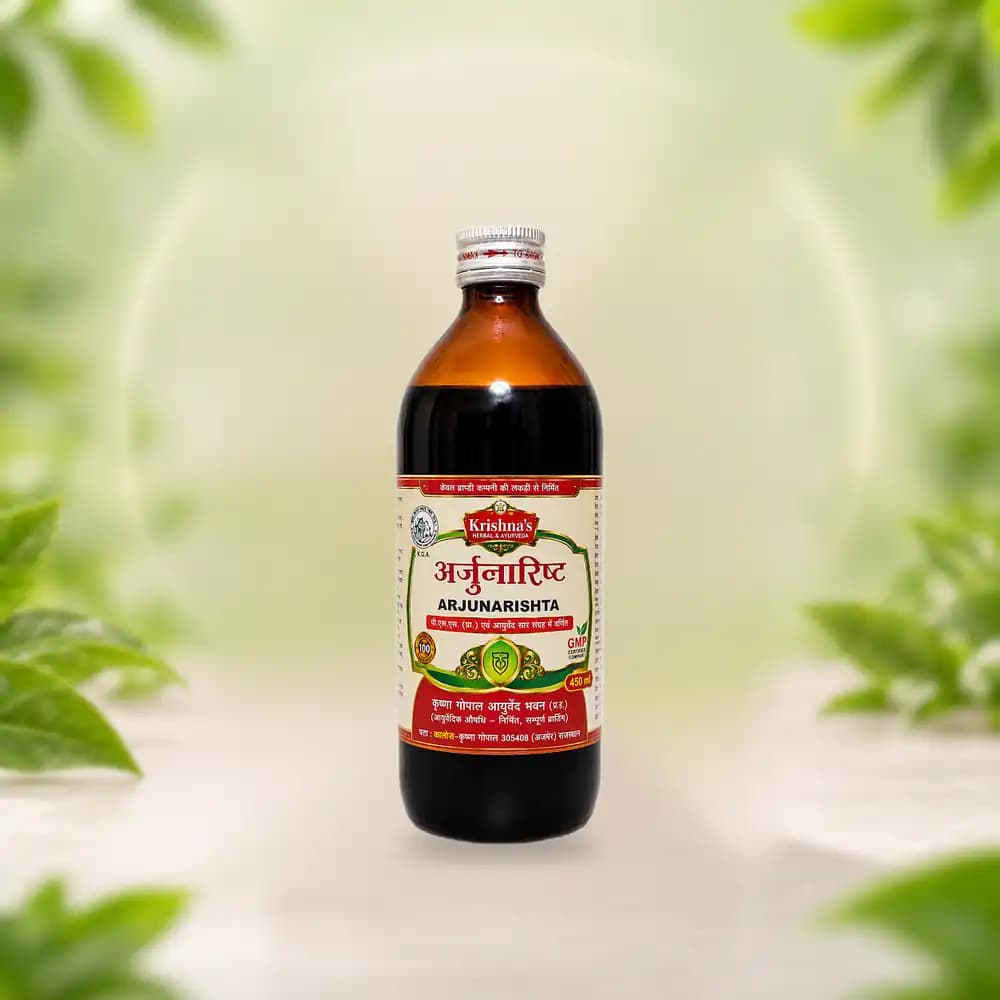
- Liquid (Arishta): For formulations like Parthadyarishta (Arjunarishta), the dose is 12 to 24 ml.
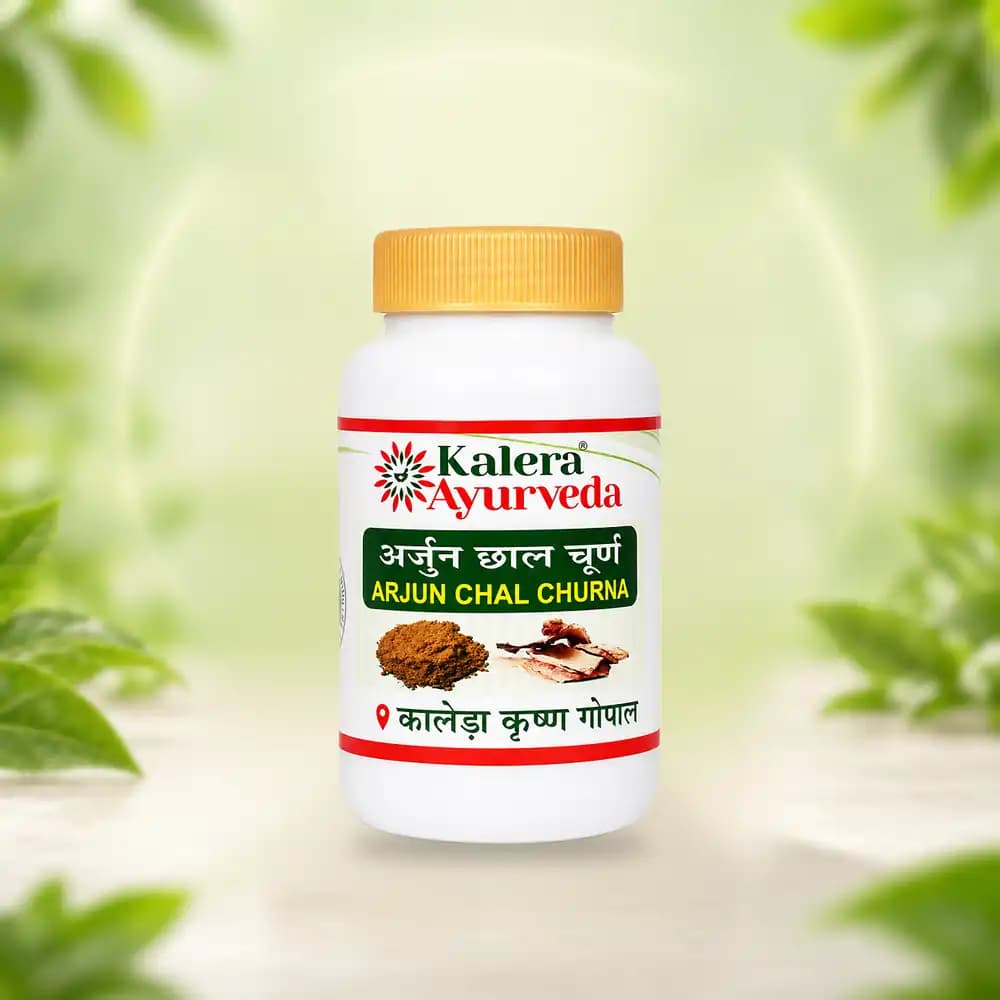
- Powder (Churna): Generally 3 to 6 grams (Standard dose for powders in the Formulary).
- Decoction (Kvatha): 40 to 80 ml (Standard dose for decoctions).
- Note: Dosage varies based on the formulation and health condition.
9. Safety Information
Arjuna is generally considered safe when used in traditional formulations. It is a key ingredient in Arjunarishta, which is used for heart disease and lung disorders.
10. Side Effects
- Ayurvedic texts do not explicitly list severe side effects for Arjuna when taken in proper dosage.
- However, due to its Astringent and Dry nature, excessive usage might potentially cause constipation or dryness in the body.
11. Precautions
- Medical Supervision: Self-medication for heart conditions (Hridroga) is not advised. It should be taken under the guidance of an Ayurvedic physician.
- Pregnancy: Specific safety data for pregnancy is not detailed in the provided excerpts, but general caution is advised.
12. Storage Instructions
- Store formulations like Arishta (fermented tonics) in well-stoppered bottles. They can be kept indefinitely.
- Store powders (Churna) in air-tight containers to prevent moisture absorption.
13. References
- Encyclopaedia Britannica – Arjuna Tree (Terminalia arjuna)
Botanical description and traditional medicinal uses.
https://www.britannica.com/plant/Terminalia-arjuna - Kew Science – Plants of the World Online (POWO)
Taxonomic details and global distribution.
https://powo.science.kew.org/taxon/urn:lsid:ipni.org:names:171071-1 - The Ayurvedic Pharmacopoeia of India (API) – Ministry of AYUSH
Official monograph on Terminalia arjuna.
https://www.ayush.gov.in - Indian Medicinal Plants – A Compendium of 500 Species
Warrier, P.K., Nambiar, V.P.K., & Ramankutty, C. - Indian Materia Medica – Nadkarni, K.M.
https://archive.org/details/IndianMateriaMedica - Database on Medicinal Plants Used in Ayurveda (CCRAS)
https://www.ccras.nic.in - WHO Guidelines on Good Agricultural and Collection Practices (GACP) for Medicinal Plants
https://www.who.int - Review Article: Cardioprotective Activity of Terminalia arjuna
Journal of Ethnopharmacology.
https://www.sciencedirect.com - Phytochemical and Pharmacological Review of Terminalia arjuna
Pharmacognosy Reviews.
https://www.ncbi.nlm.nih.gov/pmc/ - PubMed – Clinical and Experimental Studies on Arjuna
https://pubmed.ncbi.nlm.nih.gov/?term=Terminalia+arjuna - National Medicinal Plants Board (NMPB), Government of India – Arjuna Profile
https://nmpb.nic.
14. FAQs
** **Q. Can it be taken daily?
Yes, in the form of tonics like Arjunarishta, it is often prescribed for long-term support of heart and lung health.
Q. When should it be taken?
Formulations like Arishta are typically taken after meals.
Q. Can it be taken with milk/water?
Yes. Ayurvedic texts describe boiling Arjuna bark in milk (Kshirapaka) as a specific remedy for heart disease. Powders are often taken with water or honey.
Consult a Doctor
- SP4.5Dr Sreelekha P Nair
Ayurveda6 yrs exp
- SJ3.9SUMEDH JOSHI
Ayurveda7 yrs exp
- VH3.9Vaidya Harsh
Ayurveda9 yrs exp
- GG3.0Dr GN Govinda
Ayurveda1 yrs exp
Buy Medicine
 Prescribed to you4.4₹12 cashback
Arjuna (Dhootapapeshwar) SDL
SDLPhysician-guided Ayurvedic care
Strip of 60 Tablets
4.4
₹120Get ₹12 Cashback
 Prescribed to you4.5₹12 cashback
Arjuna Tablets (Dhootapapeshwar)SDLPhysician-guided Ayurvedic care
Strip of 60 Tablets
4.5
₹120Get ₹12 Cashback