Arjunarishta
Reviewed by medical experts · For informational purposes only
Introductory summary
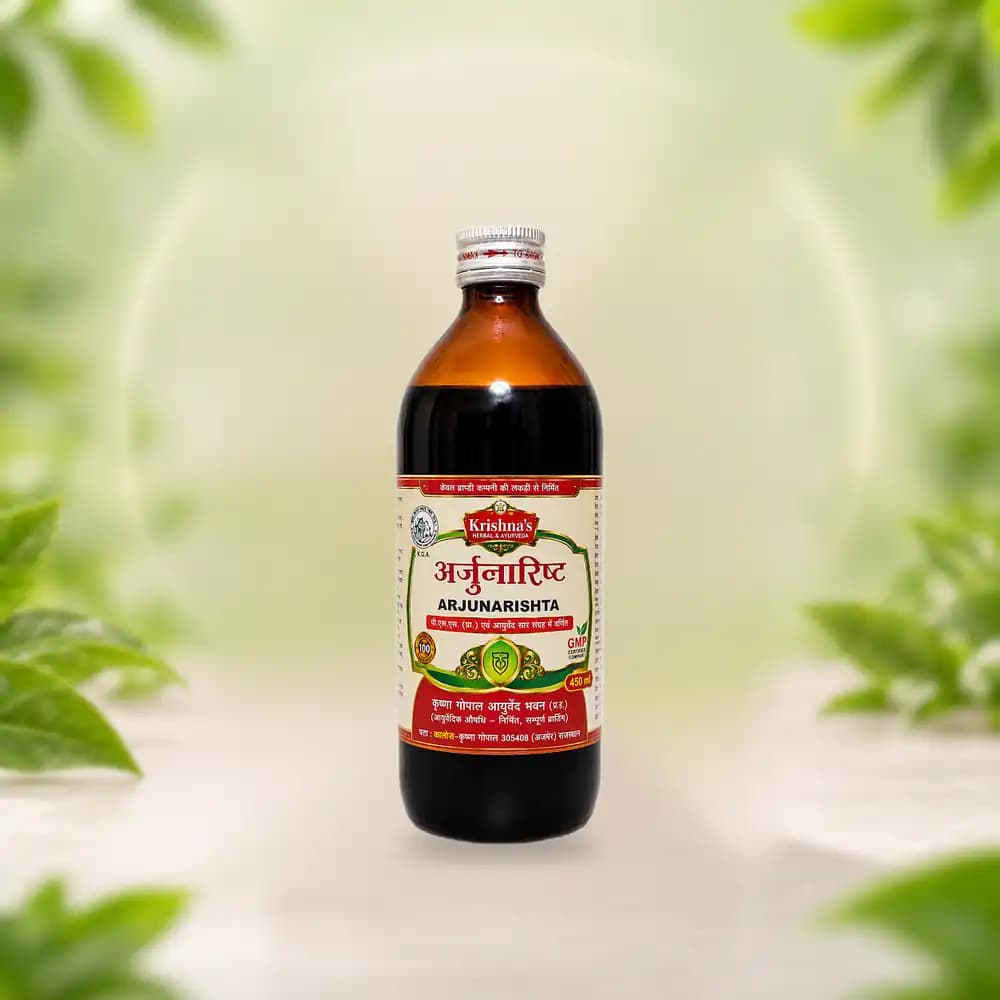
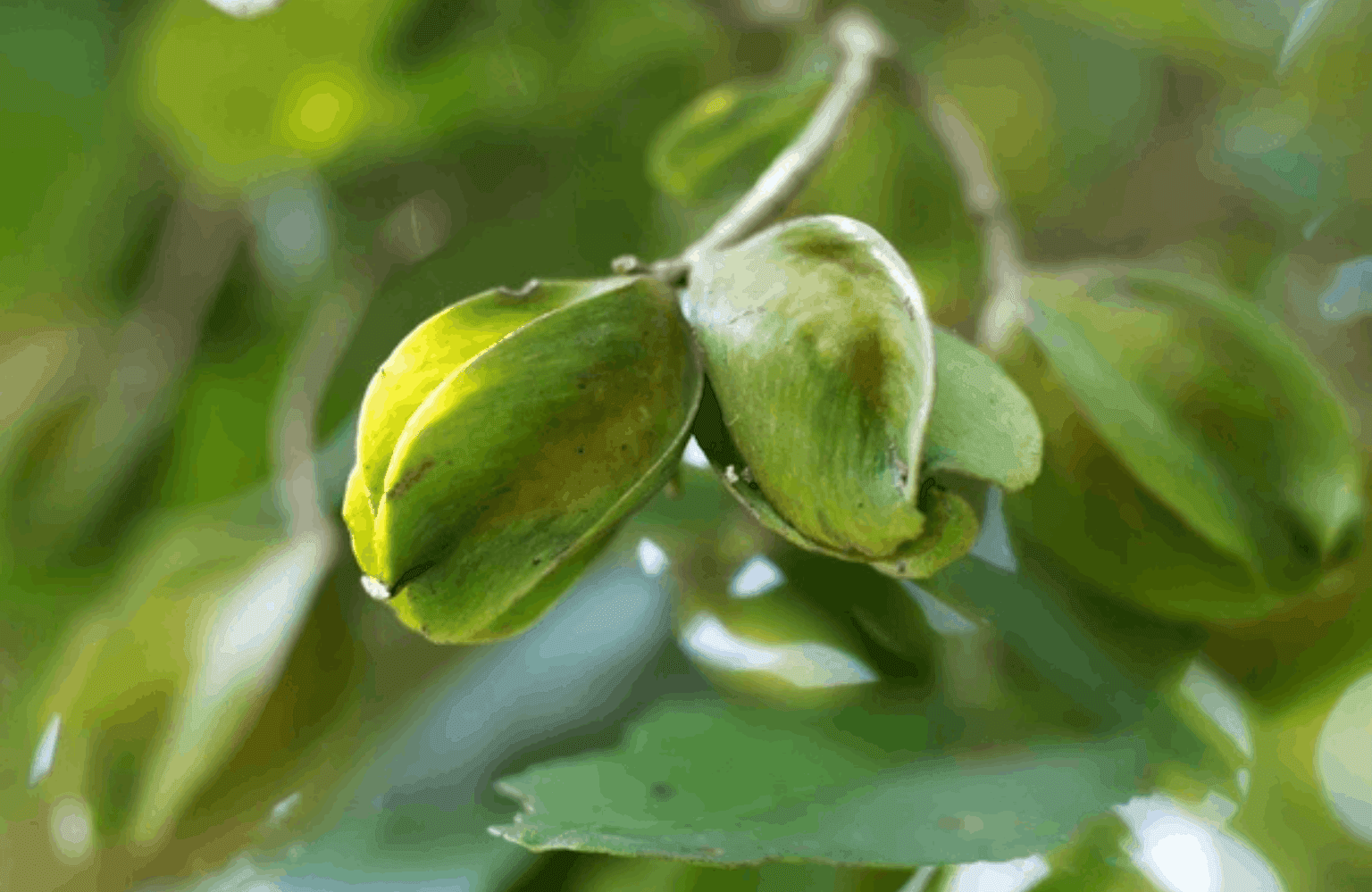
Arjunarishta technically known as Parthadyarishta is a famous Ayurvedic fermented liquid formulation derived chiefly from the stem bark of the Arjuna tree. Prepared with grapes Madhuka flowers and jaggery it utilizes Dhataki flowers to initiate fermentation making it a potent cardiac tonic. It is extensively prescribed for strengthening the heart muscle and treating various cardiac disorders known as Hridroga. Additionally it is highly beneficial for lung conditions and is classified as a restorative tonic that improves physical strength and immunity. It also combats chronic fatigue and restores vitality in cases of seminal deficiency. The typical dosage is 12 to 24 ml taken twice daily after meals usually mixed with an equal amount of water to support general health and vigor.
Arjunarishta
Arjunarishta, technically known in Ayurvedic texts as Pārthādyariṣṭa, is a famous liquid Ayurvedic formulation. It is a fermented herbal tonic primarily used to support heart health and improve lung function. Named after its principal ingredient, the Arjuna tree (Terminalia arjuna), this formulation is highly regarded for its ability to strengthen the heart muscle, improve physical strength (Bala), and enhance vigor (Virya).
1. Name of the Medicine
- Common Name: Arjunarishta.
- Classical Name: Pārthādyariṣṭa (Note: Partha is a synonym for Arjuna).
- Other Names: Parthadyarishta, Arjunarishta.
2. Brief Description
Arjunarishta is a self-generated herbal alcohol (Arishta) prepared by fermenting the decoction of Arjuna bark and grapes (Draksha) with jaggery and Dhataki flowers. In Ayurveda, it is classified as a potent cardiac tonic. It acts as a Bala Virya Krt agent, meaning it promotes physical strength and vital potency. It is the primary remedy for various heart diseases and is also prescribed for lung conditions and general fatigue.
3. Source / Part Used
- Type: Polyherbal Fermented Liquid (Arishta).
- Main Ingredients & Parts Used:
4. Ayurvedic Properties
- Class: Arishta (Fermented Tonic).
- Therapeutic Action: Hridya (Beneficial for the heart) and Balya (Strength promoting).
- Effect: It pacifies the Doshas associated with heart and lung diseases. It specifically targets Vata and Pitta related weakness in the cardiovascular system.
5. Key Benefits
- Strengthens the Heart: It is a premier tonic for Hridroga (Heart disease).
- Lung Support: Effective in treating Phupphusa Roga (Lung disorders).
- Boosts Immunity & Strength: Useful in Balakshaya (Loss of strength/immunity).
- Restores Vigor: Treats Viryakshaya (Loss of semen/Azoospermia/Vitality).
- General Tonic: Acts as a restorative tonic for fatigue and weakness.
6. Uses / Indications
Arjunarishta is classically indicated in the Ayurvedic Formulary of India for the following conditions:
- Hridroga: All types of Heart diseases.
- Phupphusa Roga: Lung disorders.
- Balakshaya: General debility and loss of immunity/strength.
- Viryakshaya: Deficiency of semen or loss of potency (Azoospermia).
7. How It Works
- Fermentation: The formulation is prepared by making a decoction of Arjuna bark and grapes. Jaggery is added as a sweetening agent, and Dhataki flowers start the fermentation process. This allows the water-soluble and alcohol-soluble active principles of Arjuna to be extracted effectively.
- Cardiac Action: The bark of Arjuna strengthens the cardiac muscles and improves blood circulation.
- Nutritive Action: Ingredients like Draksha (grapes) and Madhuka provide nourishment to the tissues (Dhatus), combating emaciation and weakness.
8. Dosage
(General guidance based on Ayurvedic Formulary of India):
- Liquid: 12 to 24 ml.
- Instruction: Usually taken twice daily after meals, mixed with an equal amount of water.
9. Safety Information
Arjunarishta is generally considered safe when taken in recommended dosages under medical supervision. It is a time-tested formulation in the Bhaishajyaratnavali.
10. Side Effects
- Gastric Irritation: As a fermented liquid containing self-generated alcohol and jaggery, taking it on an empty stomach may cause acidity or burning sensation in some individuals.
- Sugar Levels: Due to the jaggery content, diabetic patients should monitor blood sugar levels.
11. Precautions
- Diabetes: Since the formulation contains Guda (Jaggery), individuals with diabetes should consult a physician before use.
- Pregnancy & Lactation: Consult an Ayurvedic physician.
12. Storage Instructions
- Store in a cool, dry place away from direct sunlight.
- Keep the bottle tightly closed to prevent evaporation of the volatile components.
13. References
-
Ayurvedic Formulary of India – Official Government formulation of Arjunarishta
https://www.ayush.gov.in/site/ayurveda-formulary
-
Ayurvedic Pharmacopoeia of India – Quality standards for ingredients
https://www.ayush.gov.in/site/ayurveda-pharmacopoeia
-
Terminalia arjuna in cardiovascular disease: A review – Journal of Ethnopharmacology
https://pubmed.ncbi.nlm.nih.gov/11849844/
-
Dwivedi, S. Terminalia arjuna: Its role in cardiovascular diseases. Journal of Ethnopharmacology
https://pubmed.ncbi.nlm.nih.gov/16780939/
-
Clinical evaluation of Terminalia arjuna in chronic stable angina – Indian Heart Journal
https://pubmed.ncbi.nlm.nih.gov/11849843/
-
Standardization and quality control of Arjunarishta – Journal of Ayurveda and Integrative Medicine
https://www.sciencedirect.com/science/article/pii/S0975947616300527
-
Pharmacognostical and physicochemical evaluation of Arjunarishta – AYU Journal
https://www.ncbi.nlm.nih.gov/pmc/articles/PMC3611652/
14. FAQs
** **Q. Can it be taken daily?
Yes, it is often prescribed as a daily tonic for a specific period to strengthen the heart and lungs, usually 12–24 ml per dose.
Q. When should it be taken?
It is typically taken after meals to prevent gastric irritation.
Q. Can it be taken with milk/water?
It is standard practice to mix Arishtas with an equal amount of water. Mixing with milk is generally not the standard vehicle for this specific fermented preparation unless advised by a physician.
Consult a Doctor
- AK4.8Dr. Amalnath K Viswanathan
Ayurveda4 yrs exp
- AI4.9Dr. Aayush Ishwar
Ayurveda2 yrs exp
- KJ4.6Dr Kruti Jaxesh Bhavsar
Ayurveda1 yrs exp
- MS4.2Midun s kumar
Ayurveda4 yrs exp
Buy Medicine
 Prescribed to you4.3₹11 cashback
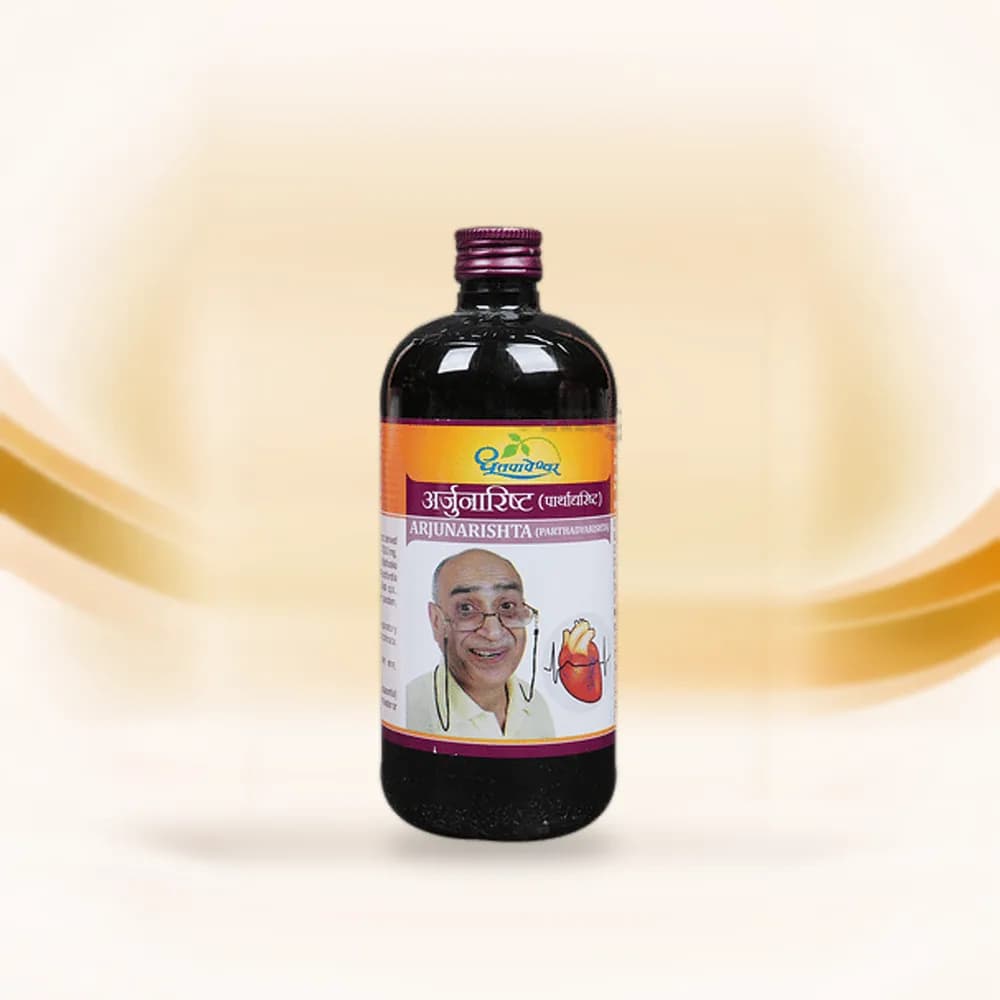
Arjunarishta (Dhootapapeshwar) SDL
SDLPhysician-guided Ayurvedic care
Bottle of 200 ml
4.3
₹115Get ₹11 Cashback