Acidity
Reviewed by medical experts · For informational purposes only
Introductory summary
Acidity known in Ayurveda as Amlapitta is a gastrointestinal disorder caused by the vitiation of Pitta dosha becoming excessively sour and liquid. It arises from incompatible foods excessive salt and eating before previous meals are digested leading to fermentation in the stomach. Symptoms include sour belching indigestion fatigue and a burning sensation in the throat and chest. Ayurveda classifies it into upward moving types characterized by vomiting and downward moving types involving diarrhea. Management focuses on correcting digestion through light diets like barley and green gram while avoiding heavy or spicy foods. Treatment often involves purification therapies like therapeutic vomiting or purgation to expel morbid Pitta along with cooling remedies like coconut preparations to neutralize the heat.
Acidity
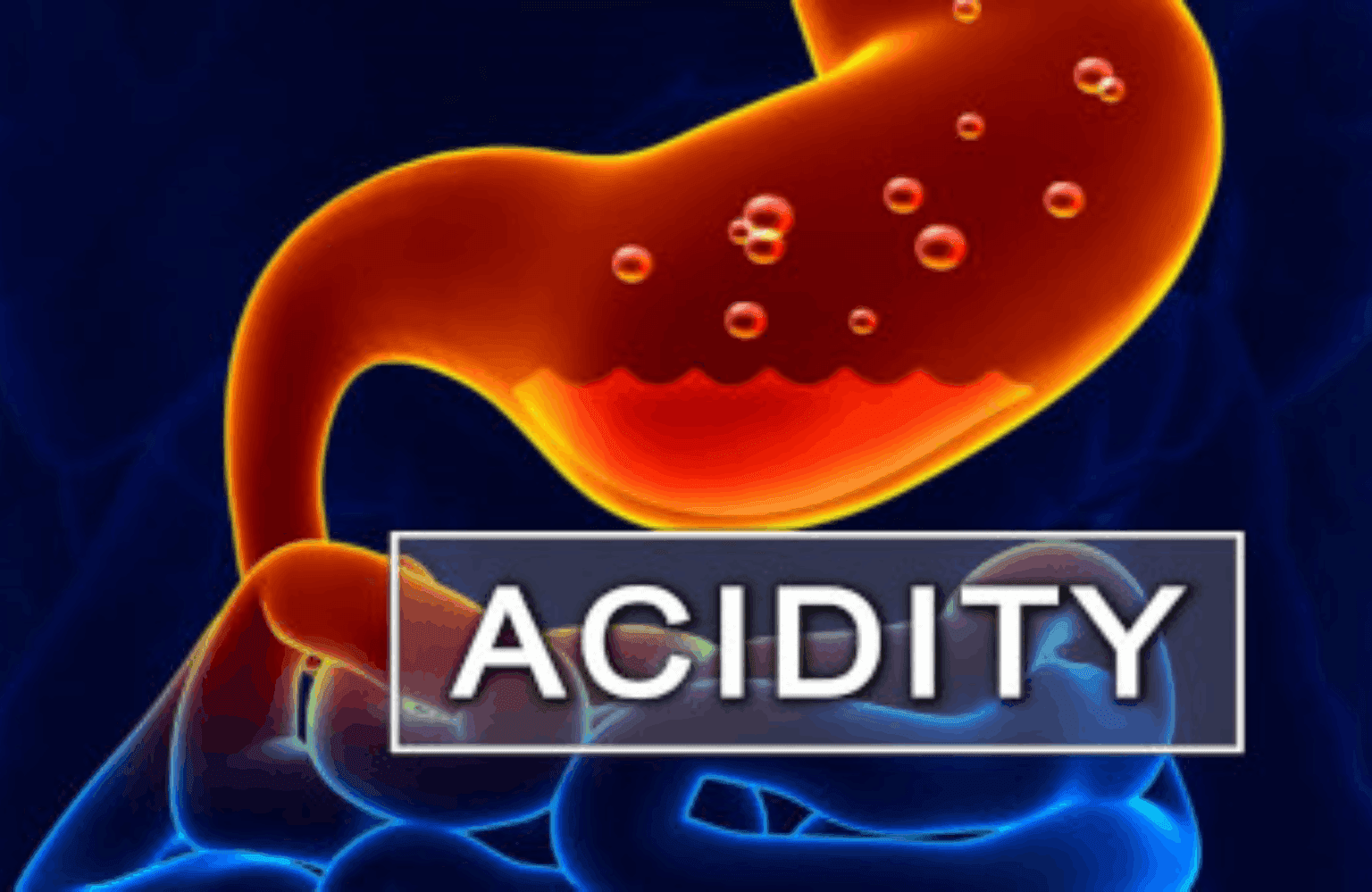
Acidity, known in Ayurveda as Amlapitta (Sanskrit: अम्लपित्त), is a common gastrointestinal disorder characterized by the acidification of Pitta (bile/digestive fire), leading to burning sensations, sour belching, and indigestion. It is considered a disease of the Annavaha Srotas (digestive channels) where the digestive fire (Agni) is disturbed, causing food to ferment rather than digest properly. Classical texts like Madhava Nidana and Chakradatta dedicate specific chapters to its diagnosis and management.
1. Definition
In modern terms, acidity is one of the most common ailments characterized by excessive acid production in the stomach. In Ayurveda, Amlapitta is defined as a condition where the Pitta Dosha becomes vitiated with an increased sour quality (Amla guna) and liquid property (Drava guna). This sour, liquid Pitta causes burning sensations and indigestion. It is fundamentally a state of Vidagdha Pitta (burnt or fermented bile).
2. Etymology & Conceptual Meaning
-
Literal Meaning: The term is a compound of two Sanskrit words: Amla meaning "sour" and Pitta, referring to the bio-energy of heat and metabolism. Thus, it literally translates to "Sour Pitta".
-
Conceptual Interpretation: Under normal conditions, Pitta (specifically Pachaka Pitta) aids digestion. However, when it is aggravated by incompatible foods or lifestyle, it loses its natural pungent (Katu) taste and becomes intensely sour (Amla). This sourness indicates a state of fermentation or incomplete digestion (Avipaka), turning the digestive juices into a corrosive substance that burns the digestive tract.
3. Causes (Nidana)
The primary causes of Amlapitta are dietary indiscretions and lifestyle errors that aggravate Pitta and Kapha.
Dietary Causes
-
Incompatible Foods (Viruddha Ahara): Consuming food combinations that are antagonistic, such as fish with milk, is a major cause.
-
Specific Foods: Excessive intake of Horse gram (Kulattha) and Black gram is explicitly cited as a cause of Amlapitta.
-
Qualities of Food: Food that is very hot, sour, spicy (Vidahi), or heavy (Guru) contributes to the condition.
-
Salt: Excessive use of salt is known to vitiate Pitta and cause acid gastritis.
Lifestyle Causes
-
Akalabhojana: Eating at improper times or skipping meals.
-
Adhyashana: Eating before the previous meal has been fully digested.
-
Suppression of Urges (Vegadharana) disturbs the Doshas.
-
Divaswapna (Day Sleep) increases swelling and heaviness, contributing to digestive stagnation.
4. Journey of the Disease (Pathogenesis/Samprapti)
The pathogenesis involves the corruption of the digestive fire and the accumulation of toxins.
-
Dosha: Primarily Pitta (increased liquid and sour qualities) and Kapha (which may block the path).
-
Agni (Digestion): Mandagni (diminished digestive fire) prevents proper digestion, leading to fermentation.
-
Ama: The undigested food turns into Ama (metabolic toxin) which mixes with Pitta.
-
Adhisthana (Site): The disease primarily locates in the Amashaya (Stomach).
-
Process: Due to the causative factors, the food does not digest but undergoes fermentation (Vidaha). This creates a sour, burning liquid that stays in the stomach or moves upward/downward, creating the symptoms of Amlapitta.
5. Symptoms (Lakshana)
Symptoms are classified into general and specific directional symptoms.
General Symptoms
-
Avipaka: Indigestion.
-
Klama: Fatigue or exhaustion without exertion.
-
Tikta-Amla Udgara: Belching that tastes bitter or sour.
-
Hrit-Kantha Daha: Burning sensation in the heart (chest) and throat.
-
Gaurava: Heaviness in the body.
-
Aruchi: Loss of appetite or taste.
Advanced Symptoms (Dosha Specific)
-
Vata involvement: Tremors, delirium, body pain, and darkness before the eyes.
-
Kapha involvement: Vomiting of thick mucus, heaviness, lethargy, and coldness.
-
Pitta involvement: Severe burning, redness, and sweating.
6. Different Type or Classification (Bheda)
Madhava Nidana classifies Amlapitta based on the direction of the vitiated Dosha movement:
- Urdhvaga Amlapitta (Upward Moving): Characterized by vomiting of green, yellow, blue, or reddish liquids that are sour or bitter. It involves burning in the throat, chest, and headache.
- Adhoga Amlapitta (Downward Moving): Characterized by diarrhea, thirst, burning sensation, fainting, giddiness, and sometimes rashes (Kotha).
7. Diagnosis
-
Ayurvedic Diagnosis: Diagnosis is based on Darshana (observation of vomit color/consistency in Urdhvaga type) and Prashna (questioning about sour belching, burning sensation, and dietary habits).
-
Differential Diagnosis: Distinguished from Hridroga (Heart Disease) and Visuchika (Cholera-like symptoms).
8. Disease Management
The principle of treatment involves correcting the Agni and expelling the morbid Pitta.
Diet (Ahara)
-
Recommended: Light foods like Barley (Yava) and Wheat (Godhuma). Green gram soup (Mudga Yusha) is highly recommended.
-
Avoid: Heavy, sour, salty, and spicy foods.
Lifestyle (Vihara)
-
Avoid sleeping during the day (Divaswapna) and eating late at night.
-
Avoid suppression of natural urges (Vegadharana).
Medicines
-
Narikelakhanda: Coconut-based preparation.
-
Khandamalaki: Amalaki-based confection.
-
Shatavari processed with ghee.
-
Patoladi Kvatha: Decoction of Patola, Nimba, and other herbs.
-
Lilavilas Rasa: Classical preparation for acidity.
Panchakarma
-
Vamana (Emesis) for Urdhvaga type.
-
Virechana (Purgation) for Adhoga type.
-
Anuvasana Basti (Enema) in chronic cases.
9. Prognosis
-
New Cases: Curable (Sadhya).
-
Chronic Cases: Difficult (Krichrasadhya) or manageable (Yapya).
10. Modern Correlations
-
Similarities: Symptoms of Amlapitta resemble GERD and Hyperacidity.
-
Differences: Modern medicine cites LES relaxation and H. Pylori infection as causes; Ayurveda focuses on Agni disturbance.
11. References
1) World Gastroenterology Organisation (WGO) Guidelines on Gastroesophageal Reflux Disease (GERD)
Provides a global evidence‑based perspective on acid‑related reflux conditions, diagnosis and clinical recommendations. (worldgastroenterology.org)
2) Variability and measurement of gastric acidity
Historical and physiological insights into gastric acid levels and their variation in health and disease. (JAMA Network)
3) Gastric juice acidity in upper gastrointestinal diseases
Comparative study on acidity levels in duodenal ulcer, gastric ulcer, cancer, and healthy individuals; factors such as bile reflux and mucosal inflammation influence acidity. (PMC)
4) Association between increased gastric acidity and hiatal hernia
Clinical evidence showing that higher gastric acid secretion is independently associated with sliding hiatal hernia development. (PubMed)
12. FAQ Section
Q: What is the main cause of acidity in Ayurveda?
A: The main cause is the aggravation of Pitta Dosha, specifically when it becomes "sour" (Amla) due to improper digestion. This is often caused by eating incompatible foods (like fish with milk), excessive salt, horse gram (Kulattha), and eating before the previous meal is digested.
Q: Can coconut help with acidity?
A: Yes. Chakradatta describes a specific preparation called Narikelakhanda (coconut confection) made with coconut water and pulp, which is highly effective in destroying Amlapitta (acid gastritis).
Q: Is vomiting recommended for acidity?
A: For specific types of acidity, yes. If the acidity is "Upward Moving" (Urdhvaga)—characterized by vomiting green/yellow bile—Ayurveda recommends therapeutic emesis (Vamana) to expel the toxins, rather than just suppressing them. This should be done under the guidance of a physician.
Q: What is the difference between simple indigestion and Amlapitta?
A: Simple indigestion (Ajirna) is the state where food is not digested. Amlapitta is a specific pathological state where the Pitta itself has become vitiated and sour, causing burning sensations (Daha) and sour belching, which are not always present in simple indigestion.
Consult a Doctor
- SJ3.9SUMEDH JOSHI
Ayurveda7 yrs exp
- VH3.9Vaidya Harsh
Ayurveda9 yrs exp
- GG3.0Dr GN Govinda
Ayurveda1 yrs exp
- PS3.1PREETAM SINGH SANKHALA
Ayurveda1 yrs exp
Buy Medicine
 Prescribed to you4.5₹16 cashback
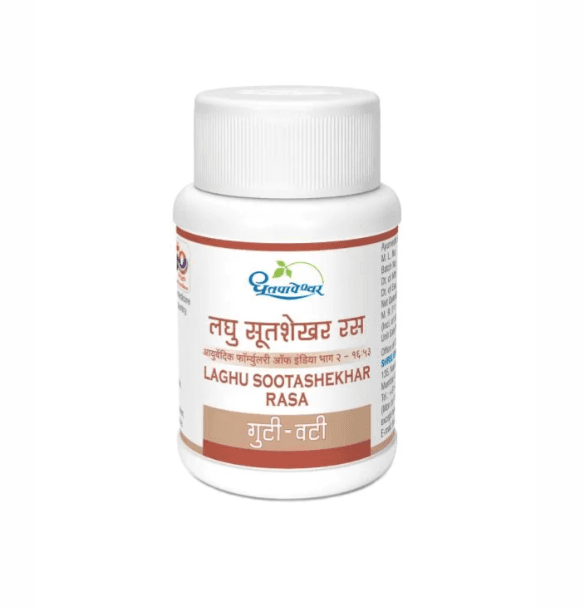
Laghu Sootashekhar Rasa (Dhootapapeshwar) SDL
SDLSupports Pitta-related comfort
Strip of 60 Tablets
4.5
₹163Get ₹16 Cashback