
Hernia
Reviewed by medical experts · For informational purposes only
Introductory summary
In Ayurveda, hernia is identified as **Antravriddhi**, a condition where aggravated *Vata* dosha forces the intestine downward into the scrotum, creating a swelling that resembles an inflated air bladder. As described in **Madhava Nidana**, this swelling typically ascends when pressed and descends upon release, accompanied by pain and a dragging sensation. Treatment protocols detailed in texts like **Chakradatta** focus on pacifying *Vata* through the use of medicated enemas (*Basti*) and specific oil formulations, such as those based on Castor root (*Eranda*), which are renowned for curing inguinal hernias. Importantly, classical texts like **Ashtanga Samgraha** explicitly contraindicate straining procedures such as therapeutic vomiting (*Vamana*) for patients suffering from hernia to avoid exacerbating the condition.
Hernia
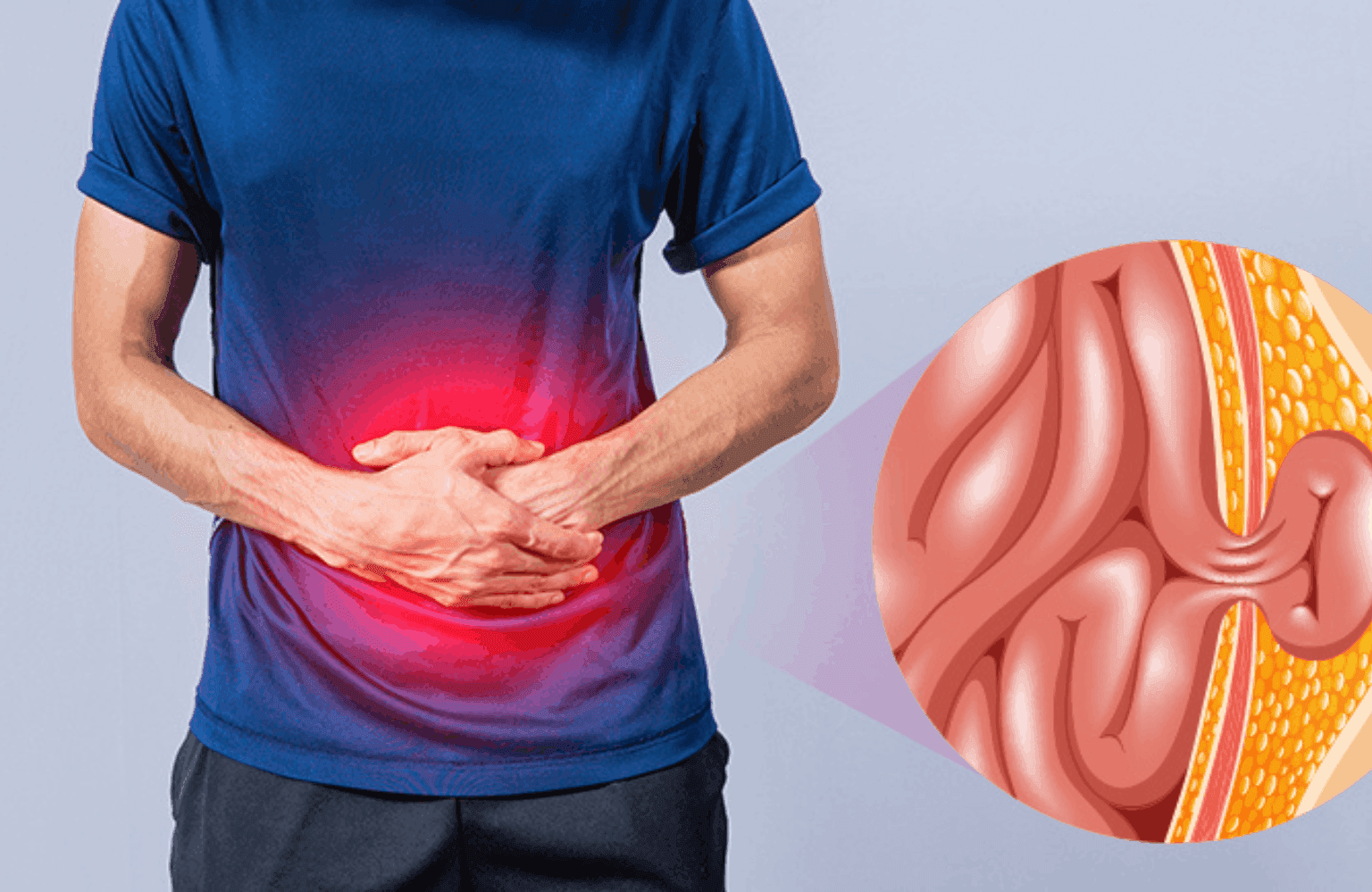
Hernia, particularly inguinal hernia, is a condition where an internal part of the body pushes through a weakness in the muscle or surrounding tissue wall. In Ayurveda, this is primarily described under Vriddhi-Roga (Scrotal Enlargement) and specifically as Antra-Vriddhi (Intestinal Hernia/Enlargement).
The ancient Indian surgeon Sushruta documented surgical procedures for hernia in the Sushruta Samhita, the oldest known surgical text.
1. Definition
In Ayurveda, Antravriddhi is defined as a specific type of swelling where the small intestine (Antra)) descends into the inguinal canal or scrotum due to the aggravation of Vayu (air/gas). It is characterized by a swelling that rises and falls (reducible) and makes a gurgling sound when pressed. It falls under Vriddhi Roga, which encompasses seven types of scrotal or groin enlargements.
2. Etymology & Conceptual Meaning
-
Literal Meaning: Antra (intestine) + Vriddhi (enlargement). Signifies "enlargement due to the intestine."
-
Conceptual Interpretation: Ayurveda conceptualizes hernia as a functional disturbance of Vata. The downward movement of vitiated Vata drags the intestine out of the abdomen (Kukshi) into the groin (Vankshana), causing protrusion.
3. Causes (Nidana)
Dietary Causes
-
Vata-Aggravating Foods: Excessive dry, cold, or astringent foods.
-
Cold Water: Drinking very cold water (Sheeta Toya).
Lifestyle Causes
-
Physical Strain: Carrying heavy loads (Bhara).
-
Exertion: Excessive walking (Adhva).
-
Suppression of Urges: Suppressing natural urges (Vegavarodha).
-
Sexual Indulgence: Excessive sexual activity.
4. Journey of the Disease (Pathogenesis/Samprapti)
-
Dosha: Primary pathogen is Vata (specifically Apana Vayu), sometimes combined with Pitta or Kapha.
-
Srotas (Channels): Mamsa and Medovaha Srotas.
-
Mechanism: Aggravated Vayu moves downward, creating swelling in the testicles (Vrishana), groin (Vankshana), and intestine (Antra).
5. Symptoms (Lakshana)
-
Pain in waist (Kati), bladder (Basti), groin.
-
Fullness or wind in lower abdomen.
-
Protrusion: Swelling in scrotum like an ant-hill.
-
Reducibility: Swelling rises when pressed.
-
Sound: Gurgling on palpation.
-
Pain: Dragging sensation and stiffness (Stambha).
6. Types or Classification (Bheda)
Seven types per Madhava Nidana:
- Vataja – Gas-filled, painful, rough.
- Pittaja – Burning, red, warm.
- Kaphaja – Cold, heavy, hard, itchy.
- Raktaja – Vitiated blood.
- Medoja – Fatty swelling.
- Mutraja – Hydrocele.
- Antravriddhi – True intestinal hernia (Hernia).
7. Diagnosis
Clinical: Darshana + Sparshana.
Differentiates Antravriddhi (reducible, sound-producing) vs. Mutraja Vriddhi (fluid-filled).
8. Disease Management
Diet
-
Pacify Vata, avoid gas-forming foods and cold water.
-
Milk with castor oil (Eranda Taila).
Lifestyle
- Avoid heavy lifting, straining, excessive walking.
Medicines
-
Castor Oil (Eranda Taila) – Purgative for Vata.
-
Sukumaraka Ghrita – Mild laxative and Vata pacifier.
-
Triphala and Guggulu – Reduce swelling and inflammation.
Panchakarma & Procedures
-
Basti (Enema) – Medicated oil enemas (Anuvasana Basti).
-
Virechana – Controlled purgation.
-
Agnikarma – Cauterization.
-
Shastra Karma (Surgery) – Repair hernia mechanically.
9. Prognosis
-
Curable: Swelling due to Vata/Pitta/Kapha.
-
Incurable/Difficult: Antravriddhi requires surgery (Madhava Nidana).
-
Factors: Neglect → strangulation (emergency) (Hernia Complications – WHO).
10. Modern Correlations
-
Antravriddhi ≈ Inguinal Hernia.
-
Differentiates from Hydrocele.
-
Ayurveda treats symptoms; structural repair requires surgery.
11. References
- Chakradatta – Vriddhi and Antra-Vriddhi treatments
- Charaka Samhita – Therapeutic enemas and Vata disorders
- Sushruta Samhita – Surgical management of Hernia
- Madhava Nidana – Classification, causes, and symptoms of Vriddhi
- WHO / Global Burden of Disease hernia prevalence
- PubMed research – Inguinal hernia epidemiology
12. FAQ Section
Q: Can Ayurveda cure a hernia without surgery?
A: Classical texts like Madhava Nidana classify Intestinal Hernia (Antravriddhi) as incurable by medicine alone, often requiring surgical intervention. However, medicines and Panchakarma (like enemas) can manage symptoms, pain, and prevent further aggravation of Vata,,.
Q: What is the difference between Hydrocele and Hernia in Ayurveda?
A: Ayurveda distinguishes them clearly. Hernia (Antravriddhi) involves the intestine, is reducible (moves up and down), and makes sound. Hydrocele (Mutraja Vriddhi) is a fluid accumulation that feels like a water bag and does not have the same reducibility,.
Q: Is exercise good for hernia?
A: No. Ayurveda lists excessive physical exercise (Ati-vyayama) and lifting heavy loads (Bhara) as primary causes. Patients are advised to rest and avoid straining,,.
Q: What is the best Ayurvedic remedy for hernia pain?
A: Sukumaraka Ghrita is a famous formulation used to treat hernia pain, constipation, and pelvic disorders by pacifying Vata and regulating bowel movements. Castor oil is also frequently used.
Consult a Doctor
- MS4.2Midun s kumar
Ayurveda4 yrs exp
- SP4.5Dr Sreelekha P Nair
Ayurveda6 yrs exp
- VR4.2Vaidya Rohit Kumar
Ayurveda3 yrs exp
- V4.1Vairamuthu
Ayurveda8 yrs exp