Angina
Reviewed by medical experts · For informational purposes only
Introductory summary
Angina correlates with Hridshula or Vataja Hridroga in Ayurveda characterized by severe chest pain constriction and distress caused by Vata aggravation,. Primary causes include suppressing natural urges physical exertion and emotional stress like fear or grief alongside indigestion leading to Ama formation,. The pain is uniquely described as cutting churning or bursting sensations in the cardiac region. Management focuses on pacifying Vata clearing obstructions and strengthening the heart muscle. Key remedies include the bark of the Arjuna tree taken with milk and herbs like Pushkaramula and Dashamula,. External therapies such as Uro Vasti where medicated oil is retained on the chest and internal medicated enemas are employed to regulate air movement and relieve cardiac constriction,.
Angina Pectoris
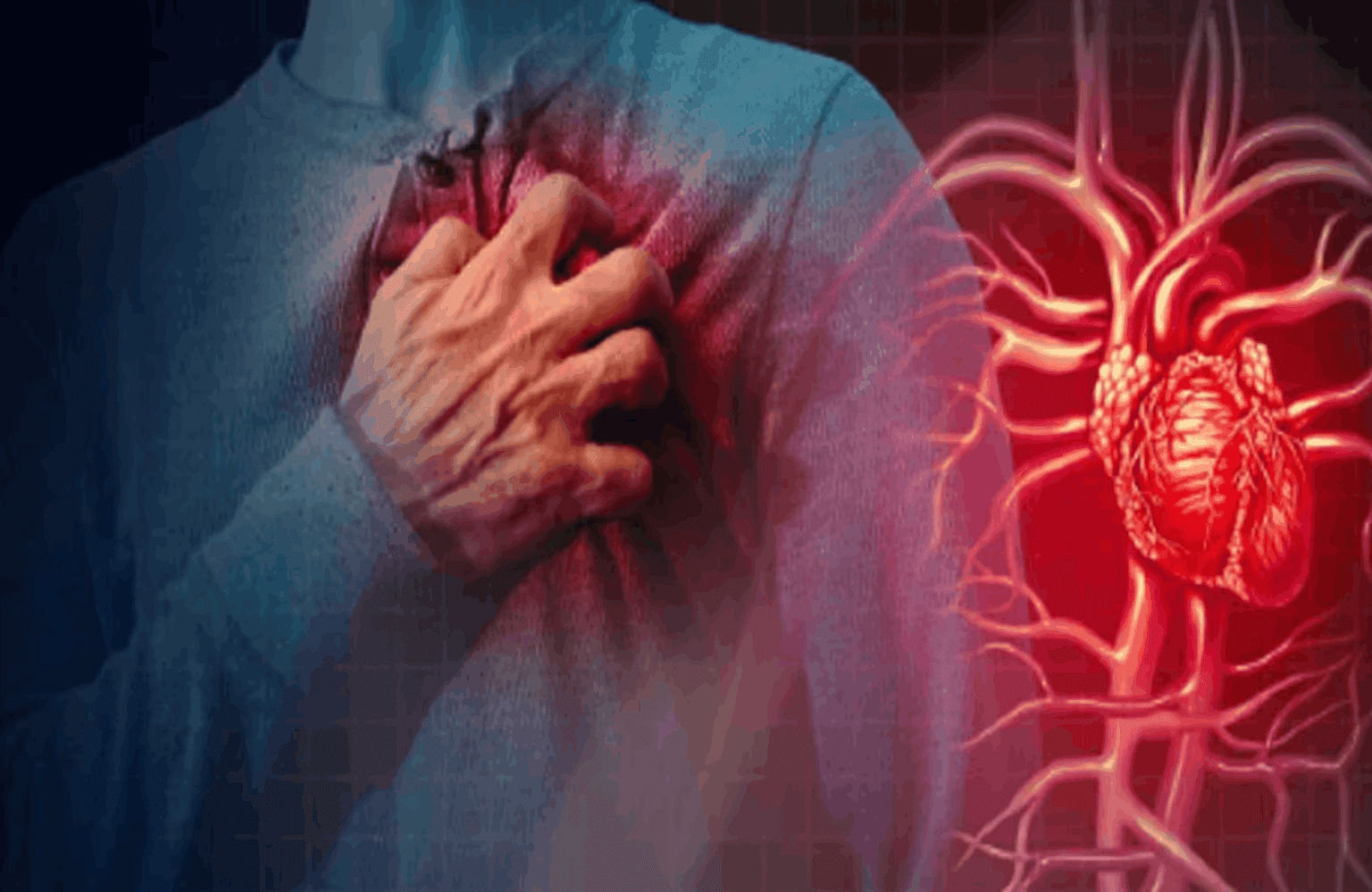
Angina, medically known as Angina Pectoris, is a condition characterized by chest pain or discomfort due to reduced blood flow to the heart. In Ayurveda, this condition correlates with Hridshula (Heart Colic) or Hridroga (Heart Disease), specifically Vataja Hridroga, which presents with severe pain, constriction, and distress in the cardiac region. Classical texts like Charaka Samhita, Madhava Nidana, and Chakradatta describe this condition as an affliction of the Hridaya (heart) caused by the vitiation of Doshas, primarily Vata (Vayu). (JAIMS)
1. Definition
Ayurveda defines the condition corresponding to Angina as a state in which the Vata Dosha, either alone or combined with other doshas, afflicts the heart, causing various types of pain such as cutting, churning, or bursting sensations. It is classified under Hridroga (Disease of the Heart). Charaka Samhita describes symptoms like cardiac dysfunction, tachycardia, and chest constriction as specific disorders of Vata. (Easy Ayurveda Hospital)
2. Etymology & Conceptual Meaning
-
Literal Meaning:
-
Hrid / Hridaya: Refers to the Heart, the seat of consciousness and Ojas (vital essence).
-
Shula: Refers to piercing pain or colic.
-
Roga: Disease or disorder.
-
-
Conceptual Interpretation:
-
Vataja Hridroga: A heart disease dominated by the Air element (Vata), characterized by severe pain described as if the heart is being churned, burst, or cut open.
-
Hrit‑shula: Specific cardiac pain often arising from indigestion (Ama) or Vata obstruction. (IJaar)
-
3. Causes (Nidana)
Dietary Causes
-
Hot and Heavy Foods: Consumption of foods that are excessively hot, heavy (Guru), astringent, or bitter can vitiate doshas.
-
Indigestion (Ajirna): Eating before the previous meal is fully digested or consuming incompatible foods leads to the formation of Ama (toxins), which block channels to the heart.
Lifestyle Causes
-
Suppression of Urges: Suppressing natural urges (like vomiting or flatulence) aggravates Vata, leading to heart pain.
-
Physical Exertion: Excessive exercise or trauma to the chest (Abhighata).
Psychological Factors
- Mental Distress: Factors like Chinta (worry), Bhaya (fear), and Trasa (terror) are classical causes of heart disease in Ayurveda. (Ayushdhara)
4. Journey of the Disease (Pathogenesis/Samprapti)
-
Dosha: Primarily Vata, often associated with Pitta or Kapha.
-
Dushya (Tissues): Rasa (nutrient plasma) and Rakta (blood).
-
Srotas (Channels): Pranavaha (respiratory) and Rasavaha (nutrient) channels are obstructed.
-
Agni (Digestion): Impaired digestion leads to Ama production.
-
Adhisthana (Site): Hridaya (Heart).
-
Mechanism: Vitiated doshas corrupt Rasa Dhatu and lodge in the heart, obstructing function and causing pain (Shula). (IJaar)
5. Symptoms (Lakshana)
General Symptoms
-
Hrit‑shula: Chest pain or colic.
-
Shwasa: Difficulty breathing or dyspnea.
-
Vaiklavya: Distress or anxiety.
Dosha‑Specific Symptoms
-
Vataja (Angina‑like): Pain described as “being stretched,” “churned,” or “bursting,” often with trembling in the chest.
-
Pittaja: Burning (Daha), thirst, fainting, and sweating.
-
Kaphaja: Heaviness (Gaurava), stiffness, numbness, and excess salivation.
-
Krimija: Severe itching, chest pain, and visual disturbances.
In modern terms, angina pectoris presents with pressing, squeezing, or crushing chest pain often triggered by activity or stress due to reduced blood flow to the heart muscle. Shortness of breath, weakness, and fatigue are common symptoms. (Hopkins Medicine)
6. Different Types or Classification (Bheda)
Ayurvedic texts describe Hridroga types:
- Vataja: Dominated by pain and constriction (closest to angina).
- Pittaja: Dominated by burning heat.
- Kaphaja: Dominated by heaviness.
- Sannipataja: All three doshas involved.
- Krimija: Caused by parasites or infection.
7. Diagnosis
-
Ayurvedic Diagnosis: Based on Prashna (questioning about pain) and Darshana (observation of sweating, fainting, etc.), distinguishing whether pain is cutting (Vata), burning (Pitta), or heavy (Kapha).
-
Differential Diagnosis: Differentiating heart pain from Amlapitta (acid gastritis) — Madhava Nidana notes fainting (Murcha) and severe thirst help distinguish heart disease from simple indigestion. (Ayushdhara)
8. Disease Management
Diet (Ahara)
-
Avoid: Heavy, hot, and astringent foods that aggravate Vata and Pitta.
-
Recommended: Milk, ghee, and Hridya foods nourishing to the heart.
Medicines
-
Arjuna (Terminalia arjuna): Primary Ayurvedic remedy for heart health.
-
Hinguvadi Churna: Contains Asafetida (Hingu) and Ginger (Sunthi) for colic (Shula) and heart pain.
-
Dashamula: Decoction of ten roots to pacify Vata and relieve pain.
-
Pushkaramula: Indicated for heart pain with breathlessness.
-
Hiranyagarbha Pottali: Gold‑containing preparation used to strengthen heart muscle. (IJaar)
Panchakarma
-
Vamana (Emesis): In Kaphaja Hridroga to clear heaviness.
-
Virechana (Purgation): In Pittaja Hridroga to expel heat and bile.
-
Basti (Enema): Medicated oil enemas for Vataja heart disease to regulate airflow.
Modern treatment of angina includes lifestyle changes, medications, and cardiac procedures like angioplasty or bypass surgery to improve blood flow to the heart. Medications such as nitrates (e.g., nitroglycerin), beta‑blockers, statins, and calcium channel blockers are commonly used. (Mayo Clinic)
9. Prognosis
-
Curable: Conditions caused by a single dosha are generally manageable.
-
Critical Signs: Severe upper chest pain, vomiting after eating, and excessive thirst are signs of serious risk.
-
Complications: Untreated heart disease may lead to wasting (Kshaya) and fluid retention (Udara). (IJaar)
10. Modern Correlations
-
Similarities:
-
Vataja Hridroga parallels angina pectoris due to its description of constricting, cutting pain.
-
The Ayurvedic link between Ama (toxins from indigestion) and heart pain relates to how heavy meals or stress can trigger angina. (Hopkins Medicine)
-
-
Differences: Modern medicine attributes angina to insufficient coronary blood flow and ischemia, whereas Ayurveda emphasizes dosha imbalance and Rasa Dhatu obstruction. (Encyclopedia Britannica)
11. References
- Sujata Gupta, Atul Kumar Gupta, Avanish Kumar, Anish Kumar — A Conceptual Study of Hrudroga and its Nidana (Causative Factors): detailed review correlating Hrudroga (Ayurvedic heart disease) to ischemic heart disease in modern terms. (internationaljournal.org.in)
- Deepti Sharma et al. — Ayurvedic Review on Diagnosis and Management of Hridroga with Special Reference to Cardiovascular Disease: Ayurvedic perspective on Hridroga causes, symptoms, and treatment correlating with modern CVD symptoms like chest pain and dyspnea. (Ayushdhara)
- Shilpa Sukumaran, Udai Raj Saroj, Deepti Bisht — Critical Review on Prevention of the Hridroga on the Basis of Shat Kriyakala Theory: integrates classical Ayurvedic prevention concepts with modern cardiovascular risk approaches. (Ayushdhara)
- Shraddha Joge & Madhava Diggavi — Rasayana Chikitsa in Reduced Ejection Fraction and Hridaroga (IHD): Ayurvedic clinical research on heart disease (IHD) and supportive rasayana therapies. (Ayushdhara)
- Manvitha Pagadala & Bikash Maharjan — Management of Hridroga (Cardiovascular Diseases): comprehensive Ayurvedic perspective on cardiac disease including heart pain, its systemic interpretation, and therapies. (IJAPR)
- Deeksha Rana, Sushree Susmita, A.C. Kar — Critical Review on Hrudaya (Heart) and Hrudroga (Cardiovascular Disorders) and its Nidana: correlates Ayurvedic notions of heart function and Hridroga with cardiovascular diseases. (JAIMS)
- Dr. Shreekala PV et al. — Ayurveda Dietetics in the Management of Hridroga: dietary strategies from Ayurveda for heart/disease prevention and management. (Granthaalayah Publication)
12. FAQ Section
Q: What is the best Ayurvedic herb for heart pain?
A: Arjuna (Terminalia arjuna) is considered the foremost herb for heart health. Classical texts recommend taking its bark powder with milk, ghee, or sugar water to cure heart disease and strengthen the heart muscle.
Q: Can digestion problems cause chest pain?
A: Yes. In Ayurveda, Ajirna (indigestion) leads to the formation of Ama (toxins), which can block channels and aggravate Vata, leading to Hridshula (heart pain). Chakradatta mentions remedies that treat both indigestion and heart pain.
Q: Is Ghee good for heart patients in Ayurveda?
A: Generally, yes, when used medicinally. Medicated ghees like Arjuna Ghrita or Baladya Ghrita are prescribed to nourish the heart and pacify Vata and Pitta,. However, it should be taken under the guidance of a physician.
Q: What are the symptoms of Vata type heart disease?
A: Vataja Hridroga is characterized by severe pain that feels like the heart is being cut, churned, or burst open. It is often accompanied by a sense of emptiness or trembling in the chest
Consult a Doctor
- MS4.2Midun s kumar
Ayurveda4 yrs exp
- SP4.5Dr Sreelekha P Nair
Ayurveda6 yrs exp
- VR4.2Vaidya Rohit Kumar
Ayurveda3 yrs exp
- V4.1Vairamuthu
Ayurveda8 yrs exp
Buy Medicine
 Prescribed to you4.6₹252 cashback
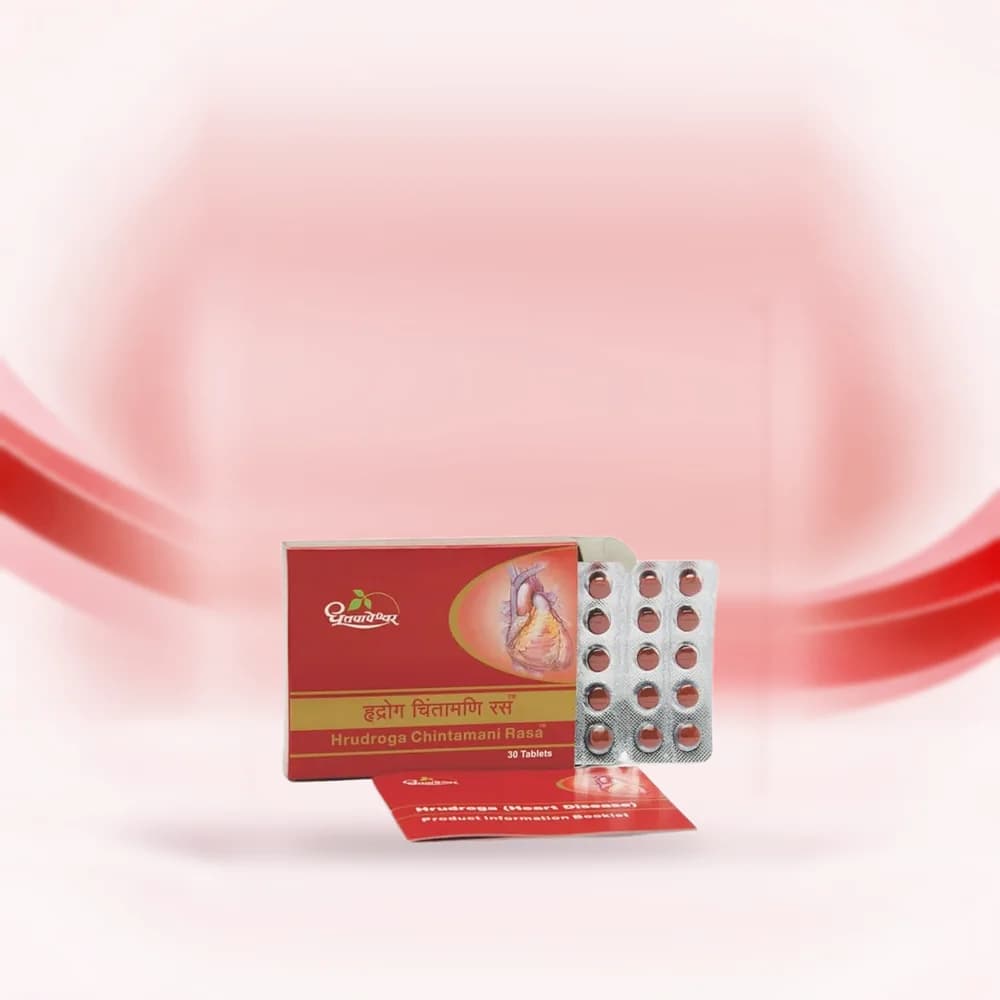
Hrudroga Chintamani Rasa (Dhootapapeshwar) SDL
SDLSupports heart health
Strip of 30 Tablets
4.6
₹2,525.03Get ₹252 Cashback