Arthritis
Reviewed by medical experts · For informational purposes only
Introductory summary
Arthritis in Ayurveda is primarily understood through conditions like Amavata, Sandhigata Vata, and Vatarakta, representing Rheumatoid Arthritis, Osteoarthritis, and Gout respectively. These disorders stem from the aggravation of Vata dosha and the accumulation of Ama or metabolic toxins in the joints due to impaired digestion and improper diet. Symptoms include severe pain, swelling, and stiffness. Ayurvedic management focuses on balancing Vata and eliminating toxins through bio-cleansing Panchakarma therapies, specifically Basti (medicated enema) and Swedana (fomentation) methods like Patra Pinda Sweda. Internal treatments utilize potent herbs such as Guggulu, Dashamula, and castor oil to reduce inflammation and restore mobility, supported by a diet that enhances digestive fire.
Arthritis
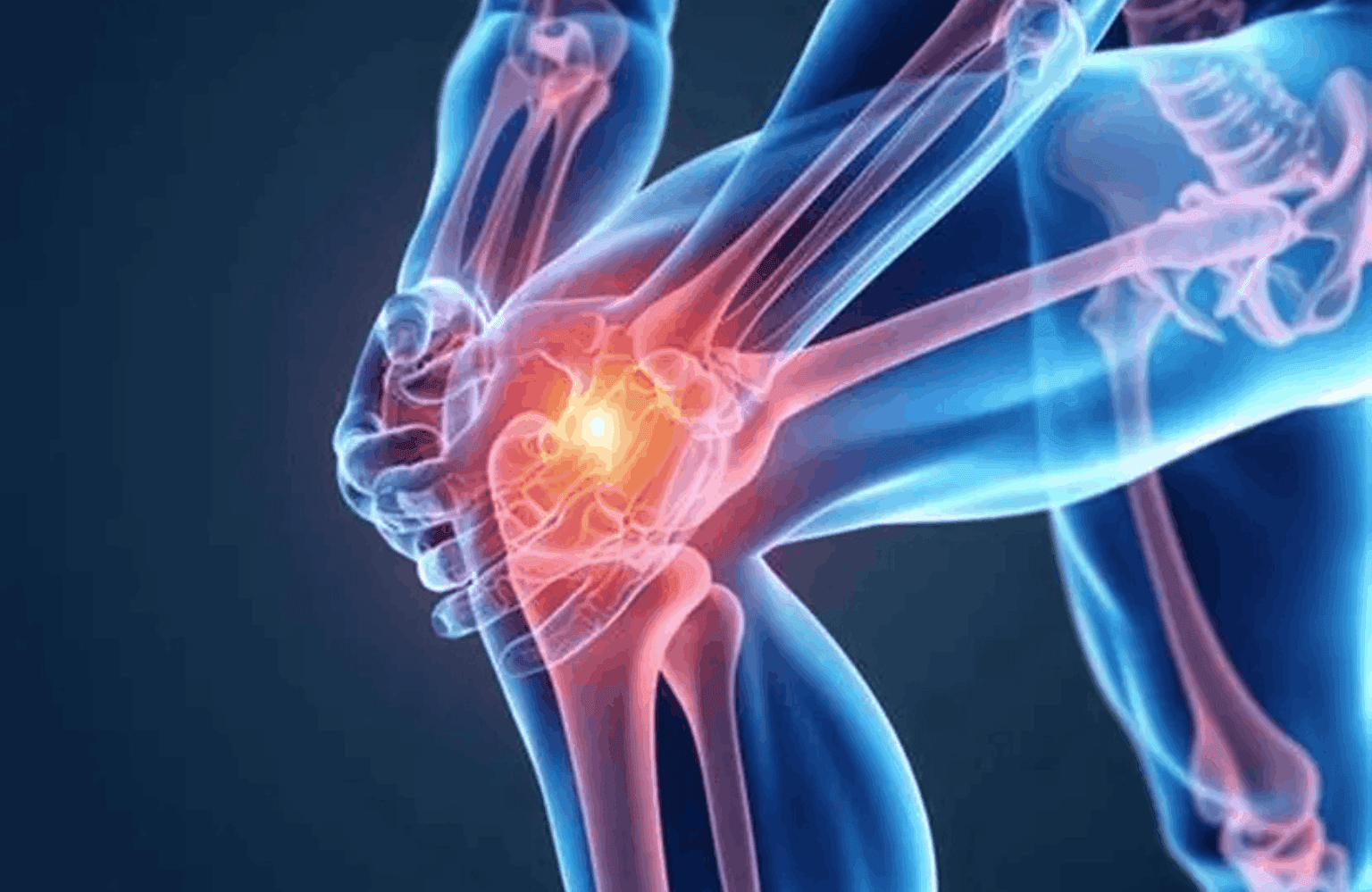
Arthritis is a general term covering joint pain and inflammation. In Ayurveda, arthritis is not a single disease but is classified into specific conditions based on the underlying cause and the Doshas involved. The three most prominent Ayurvedic correlations are Amavata (Rheumatoid Arthritis), Sandhigata Vata (Osteoarthritis), and Vatarakta (Gout). These conditions involve the aggravation of the Vata dosha (air energy) and the accumulation of Ama (metabolic toxins) in the joints, leading to pain, swelling, and stiffness.
1. Definition
In Ayurveda, joint disorders are defined by the localization of vitiated Doshas in the joints (Sandhi).
-
Amavata: A systemic disease where Ama (toxins from indigestion) is carried by aggravated Vata dosha and lodges in the joints, causing inflammation and severe pain described as similar to a scorpion sting.
-
Sandhigata Vata: A degenerative condition where Vata dries up the lubricating fluids (Kapha/Synovial fluid) in the joints, leading to destruction of the bone tissue and pain during movement.
-
Vatarakta: A condition caused by the obstruction of Vata by vitiated Rakta, primarily affecting the small joints of the feet and hands.
2. Etymology & Conceptual Meaning
-
Literal Meaning:
-
Amavata: Derived from Ama (undigested toxic waste) and Vata (wind/movement principle). It implies a disease caused by the dual variation of toxins and wind.
-
Sandhigata Vata: Sandhi (Joint) + Gata (Located in) + Vata. Meaning "Vata located in the joints."
-
-
Conceptual Interpretation: Ayurveda views digestion (Agni) as central to health. When digestion is weak (Mandagni), Ama forms. This Ama circulates and blocks the channels. When it accumulates in the joints (Kapha locations), it causes the stiffness and swelling characteristic of inflammatory arthritis.
3. Causes (Nidana)
Dietary Causes
-
Viruddha Ahara: Incompatible foods, e.g., fish with milk.
-
Poor Eating Habits: Heavy, oily foods or Adhyashana.
-
Specific Triggers: For Vatarakta, excess salty, sour, pungent foods, meats, alcohol.
Lifestyle Causes
-
Sedentary Habits: Lack of activity after fatty meals.
-
Overexertion: Causes Sandhigata Vata.
-
Suppression of Urges: Aggravates Vata.
4. Journey of the Disease (Samprapti)
-
Dosha: Vata, Kapha, Ama.
-
Dushya: Rasa, Asthi, Majja, Snayu.
-
Srotas: Rasavaha, Asthivaha.
-
Agni: Jatharagni, impaired.
-
Adhisthana: Sandhi.
5. Symptoms (Lakshana)
-
Sandhigata Vata: Pain on movement, crepitus, dry joints.
-
Vatarakta: Small joint pain, redness, burning.
6. Management
-
Diet: Light, warm foods, bitter vegetables, Sunthi.
-
Lifestyle: Warm water, avoid day sleep.
-
Medicines: Guggulu, Eranda Taila, Dashamula.
-
Panchakarma: Swedana, Virechana, Basti.
7. Diagnosis
• Ayurvedic Diagnosis:
◦ Darshana (Observation): Checking for swelling (Shotha) and deformity.
◦ Sparshana (Touch): Checking for temperature (heat indicates Pitta/Amavata, coldness indicates Vata/Osteoarthritis).
◦ Prashna (Questioning): Assessing digestive health (Agni) is crucial. If the patient has heaviness, coating on the tongue, and constipation, it indicates Amavata (inflammatory). If there is dry crepitus and no systemic toxicity, it is Sandhigata Vata (degenerative).
• Differential Diagnosis: Distinguishing between Amavata (migratory swelling, fever, indigestion) and Vatarakta (intense pain often starting in the big toe, burning sensation).
8. Disease Management
Management depends on whether the condition is inflammatory (Amavata) or degenerative (Sandhigata Vata).
Diet (Ahara)
-
For Amavata (Inflammatory): Light, warm, and easily digestible foods. Bitter vegetables like Patola (pointed gourd), Karvellaka (bitter melon), and spices like ginger (Sunthi) are recommended to digest toxins. Heavy, oily foods and curd are prohibited.
-
For Sandhigata Vata (Degenerative): Nutritious, Vata-pacifying diet including ghee, milk, and meat soups to rebuild tissue.
Lifestyle (Vihara)
-
Avoidance of day sleep and exposure to cold wind.
-
Usage of warm water for drinking and bathing.
Medicines
-
Guggulu: Various Guggulu formulations (like Yogaraja Guggulu, Simhanada Guggulu) are the mainstay for joint pain.
-
Castor Oil (Eranda Taila): Described as highly effective for Amavata. It breaks down Ama and expels Vata through purgation.
-
Dashamula: A decoction of ten roots used to pacify Vata and pain.
-
Shunthi (Dry Ginger): Used to increase digestive fire and process Ama.
Panchakarma
-
Langhana (Fasting): The first line of treatment for Amavata to digest the toxins.
-
Swedana (Fomentation):
-
Valuka Sweda: Fomentation with heated sand bags. This dry heat is specific for Amavata to reduce swelling and Ama.
-
Patra Pinda Sweda: Bolus fomentation with medicinal leaves for degenerative pain.
-
Upanaha: Application of warm herbal poultices.
-
-
Virechana (Purgation): Therapeutic purgation, often using castor oil or herbal powders, to eliminate toxins.
-
Basti (Enema): Considered the best treatment for Vata disorders. Kshara Basti and Vaitarana Basti are specifically indicated for Amavata. Janu Vasti (pooling oil on the knee) is used for Osteoarthritis.
9. Prognosis
-
Curable: Amavata is curable if treated early and involves a single Dosha.
-
Difficult to Cure (Yapya): If the disease involves two Doshas or has become chronic.
-
Incurable (Asadhya): If the patient has severe complications like generalized swelling, rigidity throughout the body, and severe indigestion, or if the disease involves all three Doshas (Sannipataja).
10. Modern Correlations
-
Similarities:
-
Amavata closely resembles Rheumatoid Arthritis (RA) in its symptoms of migratory pain, swelling, morning stiffness, and systemic fever.
-
Sandhigata Vata correlates with Osteoarthritis (OA), sharing symptoms of crepitus, degeneration, and pain on movement.
-
Vatarakta correlates with Gouty Arthritis due to its link with blood metabolism and rich diet.
-
-
Differences: Modern medicine focuses on autoimmune pathways or mechanical wear. Ayurveda focuses on the functional aspect of Agni (digestion) and Vata (movement) as the root cause.
-
Limitations: Ayurvedic texts describe severe, advanced stages involving deformities as difficult to cure, aligning with the chronic nature of these diseases in modern medicine.
11. References
- Smolen JS, et al. “Rheumatoid arthritis.” Lancet. 2016;388(10055):2023–2038. https://doi.org/10.1016/S0140-6736(16)30173-8
- Hunter DJ, et al. “Osteoarthritis.” Lancet. 2019;393:1745–1759. https://doi.org/10.1016/S0140-6736(19)30417-9
- Richette P, Bardin T. “Gout.” Lancet. 2010;375:318–328. https://doi.org/10.1016/S0140-6736(09)60883-7
- National Center for Complementary and Integrative Health (NCCIH) – “Ayurveda and Arthritis.” https://www.nccih.nih.gov/
12. FAQ Section
Q: Is oil massage good for all types of arthritis?
A: No. In Amavata (Rheumatoid Arthritis), which is associated with toxins (Ama) and swelling, oil massage can sometimes aggravate the condition initially. Instead, Valuka Sweda (dry fomentation with sand bags) is recommended to dry up the inflammation. Oil massage (Abhyanga) is highly beneficial for Sandhigata Vata (Osteoarthritis) to lubricate dry joints.
Q: Can diet really affect arthritis?
A: Yes. Ayurveda considers Viruddha Ahara (incompatible foods) and Mandagni (weak digestion) as the root causes of Amavata. Eating heavy, oily foods or exercising immediately after eating fatty food can trigger joint problems.
Q: What is the best Ayurvedic remedy for severe joint stiffness?
A: Castor oil (Eranda taila) is highly praised in texts like Chakradatta for relieving stiffness and pain in Amavata. It helps by eliminating toxins and balancing Vata.
Q: Is Curd (Yogurt) good for arthritis patients?
A: Generally, no. Texts specifically prohibit the consumption of curd (Dadhi) in Amavata as it causes channel obstruction (Abhishyandi).
Q: What is Panchakarma's role in treating Arthritis?
A: Panchakarma therapies like Basti (enema) and Virechana (purgation) are used to expel deep-seated toxins and pacify Vata. Vaitarana Basti is a specific enema mentioned for treating Amavata.
Consult a Doctor
- MS4.2Midun s kumar
Ayurveda4 yrs exp
- SP4.5Dr Sreelekha P Nair
Ayurveda6 yrs exp
- VR4.2Vaidya Rohit Kumar
Ayurveda3 yrs exp
- V4.1Vairamuthu
Ayurveda8 yrs exp
Buy Medicine
 Prescribed to you4.6₹17 cashback
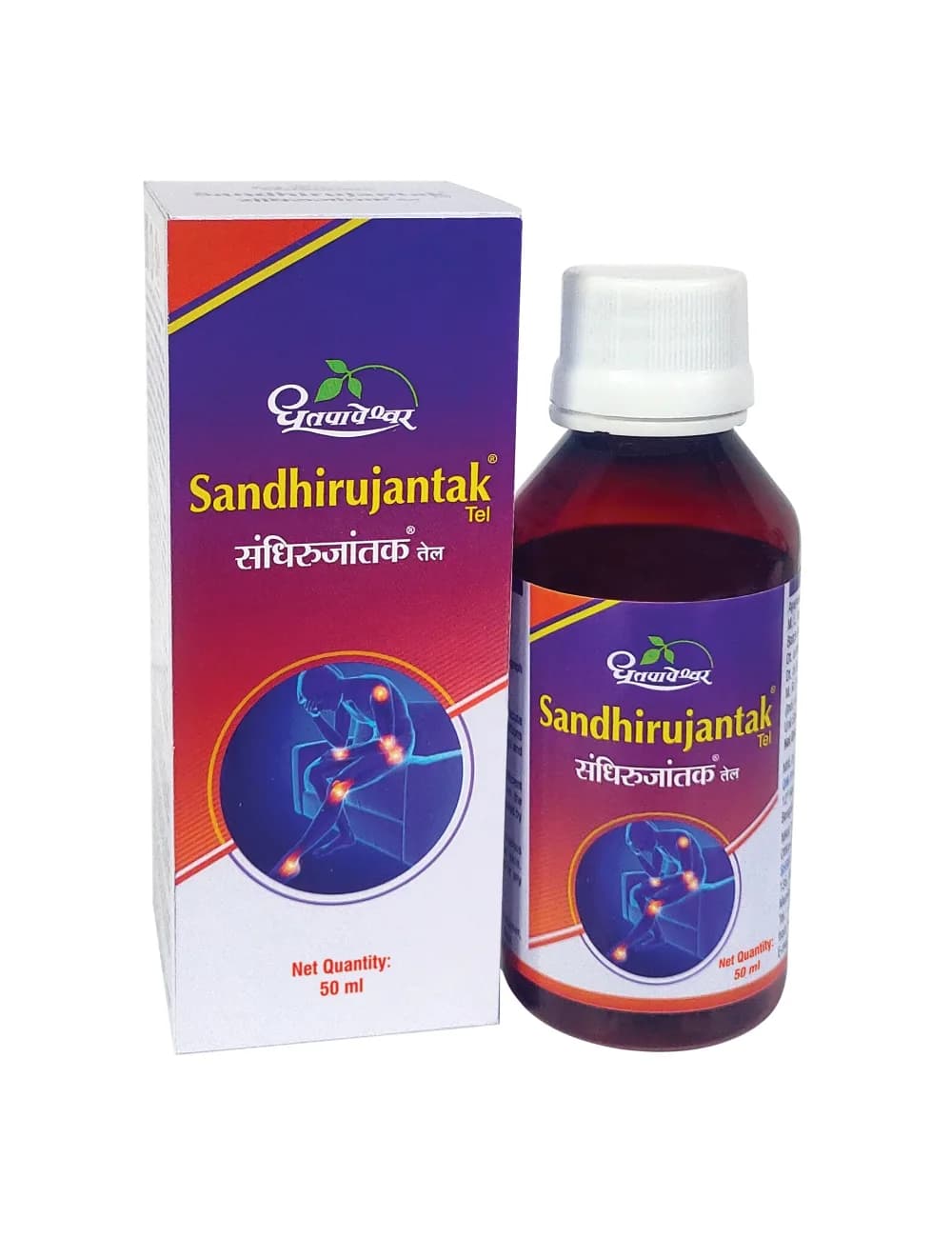
Sandhirujantak Tel (Dhootapapeshwar) SDL
SDLस्थानीय मांसपेशी-दर्द में राहत
Bottle of 50 ml
4.6
₹175Get ₹17 Cashback
 Prescribed to you4.3₹3 cashback
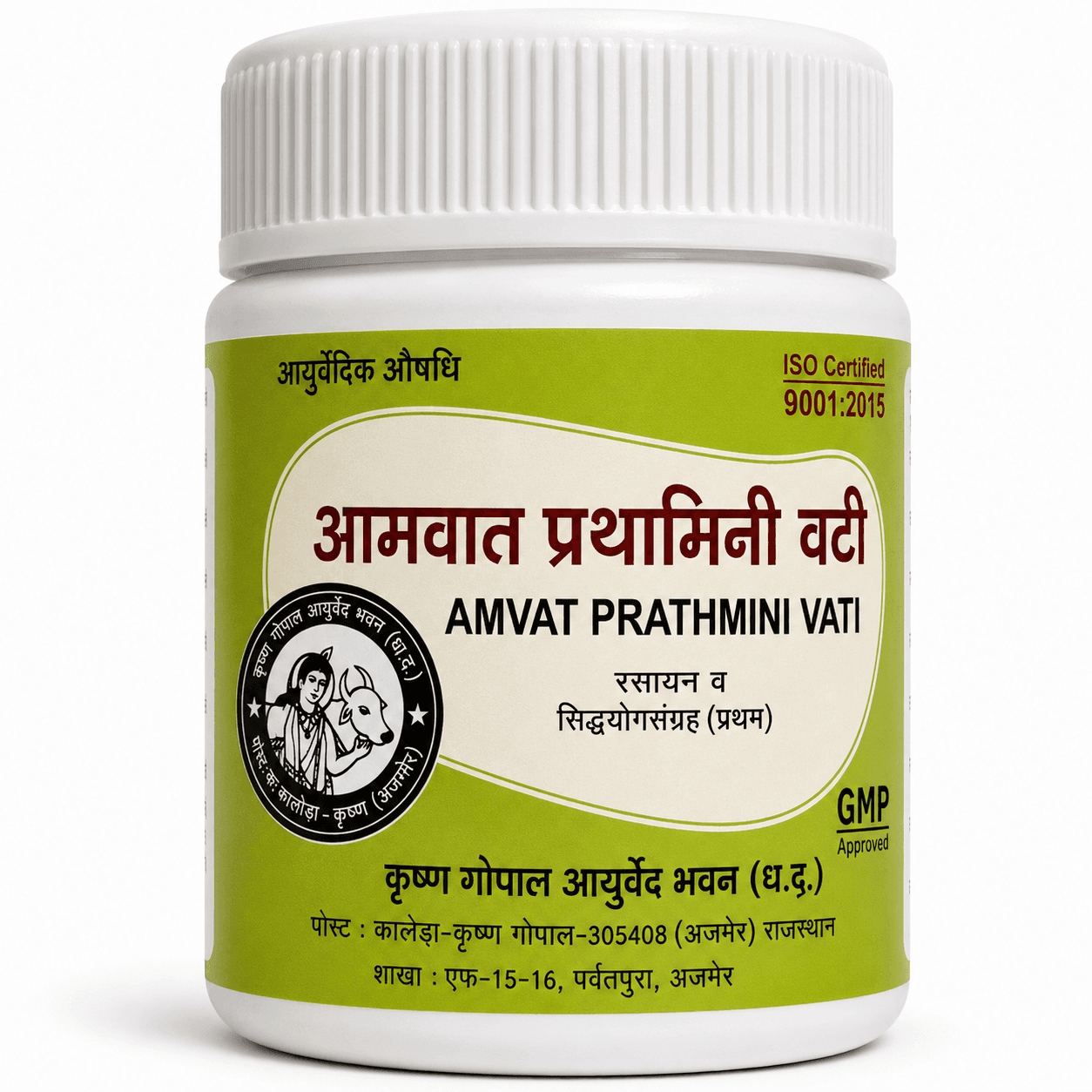
Amavata-pramathini Vati (Kalera) Kalera
Rheumatoid arthritis relief
Strip of 30 Tablets
4.3
₹35Get ₹3 Cashback
 Prescribed to you4.5₹17 cashback
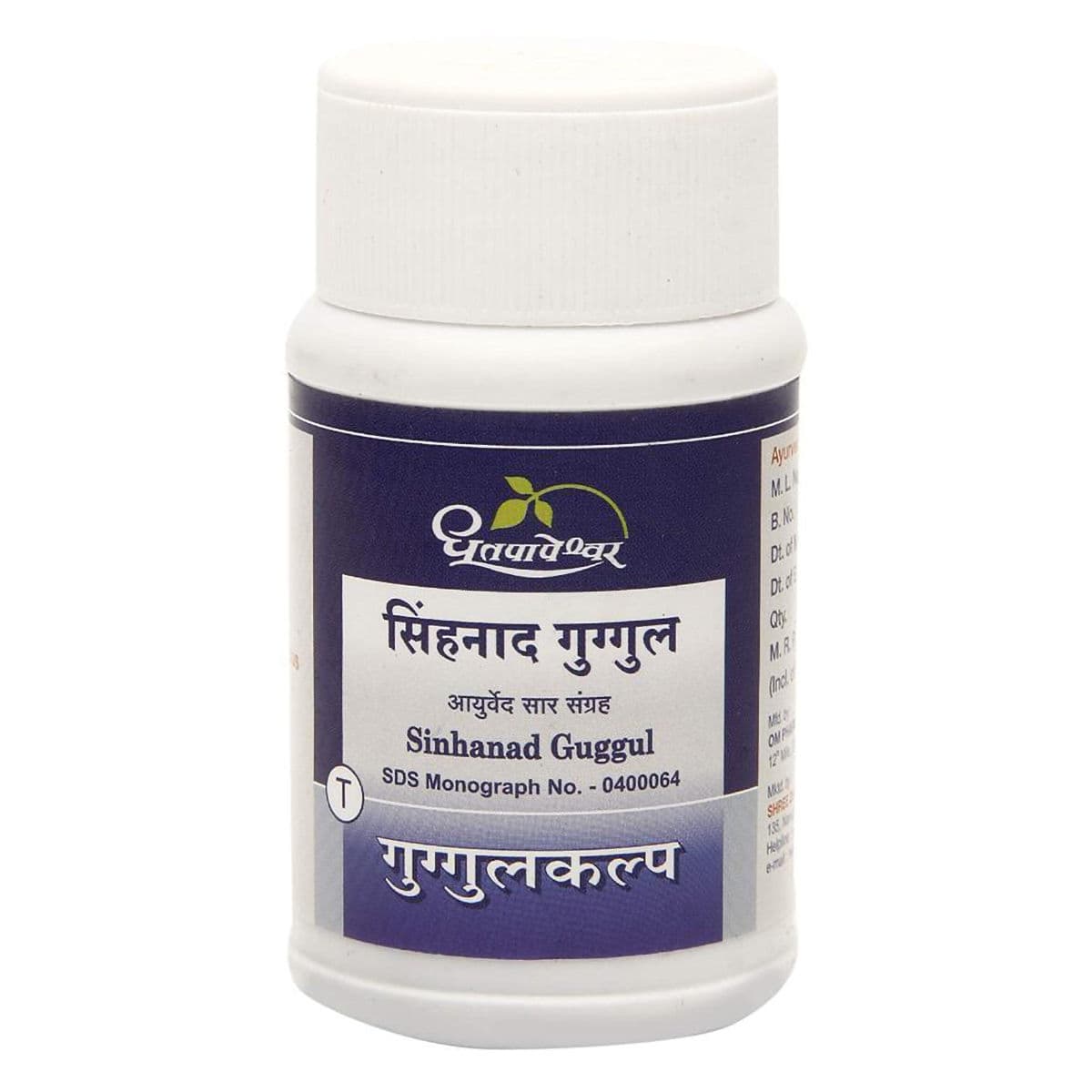
Sinhanad Guggul (Dhootapapeshwar)SDLHelps early-stage rheumatoid arthritis
Strip of 60 Tablets
4.5
₹170Get ₹17 Cashback