Osteoarthritis( घुटनों का गठिया)
Reviewed by medical experts · For informational purposes only
Introductory summary
Osteoarthritis correlates with the Ayurvedic condition Sandhigata Vata where aggravated Vata dosha lodges in the joints causing degeneration. This process dries up the lubricating Kapha resulting in pain swelling and crepitus known as Atopa. Clinical features include restricted movement and a sensation of the joint being filled with air. Common causes are aging excessive physical exertion and consumption of dry or cold foods. Management focuses on pacifying Vata through Snehana or oleation and Swedana or fomentation. Key therapies include Janu Basti where warm medicated oil is retained on the knee and Patra Pinda Sweda using heated herbal boluses. Massage with oils like Mahanarayana Taila and internal use of Guggulu supplements are essential to restore joint health and mobility.
Osteoarthritis
Osteoarthritis (OA) is a degenerative joint disease representing the wear and tear of the joints. In Ayurveda, this condition is correlated with Sandhigata Vata (or Sandhivata), a disorder where the bio-energy Vata (air/ether) invades the joints, causing pain, dryness, and restricted movement. It is one of the most common manifestations of Vatavyadhi (diseases caused by Vata) and is prevalent in the elderly.
1. Definition
Modern Definition: Osteoarthritis is a degenerative condition affecting the cartilage and underlying bone of the joints, leading to pain and stiffness. Ayurvedic Definition: Sandhigata Vata occurs when the aggravated Vata dosha lodges in the Sandhi (joints). This localization leads to the destruction or degeneration of the joint structure, characterized by Shula (pain) and Shotha (swelling).
2. Etymology & Conceptual Meaning
- Sandhi: Joint (the meeting place of two bones).
- Gata: Gone to, reached, or located in.
- Vata: The biological humor responsible for movement, dryness, and degeneration.
- Conceptual Interpretation: Ayurveda views the joint as a space lubricated by Shleshaka Kapha (synovial fluid). In Osteoarthritis, the dry and rough qualities of Vata increase, drying up this lubricating Kapha. The joint space becomes "filled with air" (Vata Purna), leading to friction, crepitus (cracking sounds), and degeneration of the bony tissues.
3. Causes (Nidana)
The causes of Osteoarthritis overlap with the general causes of Vata aggravation (Vatavyadhi).
- Dietary Causes: Consumption of dry (Ruksha), light (Laghu), and cold (Sheeta) foods that increase Vata.
- Lifestyle Causes:
- Ativyayama: Excessive physical exertion or exercise beyond one's capacity.
- Abhighata: Trauma or injury to the joints.
- Vegadharana: Suppression of natural urges.
- Physiological Factors:
- Vardhakya (Old Age): Vata naturally predominates in old age, making the elderly more susceptible to degenerative conditions like OA.
- Dhatukshaya: Depletion of body tissues (particularly fat and marrow), which leads to Vata filling the empty spaces.
4. Journey of the Disease (Pathogenesis/Samprapti)
- Samprapti Ghataka (Components):
- Dosha: Vata (specifically Vyana Vayu which governs circulation and movement).
- Dushya (Tissues): Asthi (Bone), Majja (Marrow), and Sandhi (Joints).
- Srotas (Channels): Asthivaha (bone channels) and Majjavaha (marrow channels).
- Adhisthana (Site): Joints (especially weight-bearing joints like the knee or Janu).
- Pathogenesis:
- Etiological factors aggravate Vata dosha.
- The aggravated Vata travels through the empty channels (Rikta Srotas) of the body.
- It lodges in the joints (Sandhi).
- Vata dries up the lubricating Kapha and damages the joint structure (Hanti Sandhi), causing pain and swelling.
5. Symptoms (Lakshana)
The classical symptoms of Sandhigata Vata described in Madhava Nidana include:
- Sandhi Shula: Pain in the joints.
- Shotha: Swelling of the joint (often described as puffiness or air-filled).
- Prasarana Akunchana Pravritti Vedana: Pain during extension (Prasarana) and flexion (Akunchana) of the limb.
- Atopa: Crepitus or cracking noise in the joints during movement.
- Hanti Sandhin: Destruction or impairment of joint function.
6. Different Types or Classification (Bheda)
While Sandhigata Vata is a broad term, it is often classified by the specific joint affected:
- Janu Sandhigata Vata: Osteoarthritis of the Knee.
- Kati Vata/Shula: Osteoarthritis of the lumbar spine/Spondylosis.
- Greeva Vata: Cervical Spondylosis.
7. Diagnosis
- Ayurvedic Diagnosis (Roga Pariksha):
- Darshana (Observation): Checking for swelling (Shotha) and deformity.
- Sparshana (Palpation): Palpating for crepitus (Atopa) and the sensation of an air-filled bag (Vata Purna Driti Sparsha).
- Prashna (Questioning): Assessing pain triggers (cold weather, movement) and history of trauma or heavy exertion.
- Differential Diagnosis:
- Amavata (Rheumatoid Arthritis): Distinguished by the presence of Ama (toxins), heaviness, fever, and shifting pain, whereas Sandhigata Vata is purely degenerative and dry.
- Vatarakta (Gout): Involves burning sensation and affects blood.
8. Disease Management
The management of Sandhigata Vata focuses on Vata Shamana (pacifying Vata) through Snehana (Oleation) and Swedana (Sudation/Heat).
Diet (Ahara)
- Recommended: Warm, unctuous (oily), and sweet foods that pacify Vata.
- Avoid: Dry, cold, and fermented foods; beans and peas that aggravate Vata.
Medicines
- Guggulu Preparations: Yogaraja Guggulu is a primary formulation for Vata in the joints. Guggulutiktaka Ghrita is used for its anti-inflammatory and lipid-lowering effects in degenerative conditions.
- Oils (Taila): Mahanarayana Taila is explicitly mentioned for massaging patients with Vata disorders to restore strength and flexibility. Vishagarbha Taila is used for stiffness.
- Dashamula: The "ten roots" formulation is used in decoctions and enemas to pacify Vata.
Panchakarma (Therapies)
- Janu Basti / Kati Basti: Pooling warm medicated oil over the knee or lower back. This provides deep nourishment to the degenerated joint.
- Patra Pinda Sweda: Fomentation using a bolus of heated medicinal leaves. This is highly effective for pain and stiffness in Osteoarthritis.
- Abhyanga (Massage): Regular oil massage reduces Vata and nourishes tissues.
- Basti (Enema): Medicated enemas (like Anuvasana with oil or Niruha with decoctions) are considered the most effective treatment for Vata disorders.
- Upanaha (Poultice): Applying warm herbal pastes to the joint.
9. Prognosis
- Yapya (Manageable): Osteoarthritis is generally considered a manageable condition (Yapya), especially in the elderly, as aging cannot be reversed.
- Krichrasadhya (Difficult to Cure): If the disease is deep-seated in the Asthi (bone) and Majja (marrow), it becomes difficult to treat.
- Prognosis Factors: Early intervention promotes better outcomes. Neglect can lead to complete loss of movement (Hanti Sandhin).
10. Modern Correlations
- Similarity: The symptoms of Sandhigata Vata (pain on movement, crepitus, swelling) mirror the clinical presentation of Osteoarthritis.
- Knee Osteoarthritis: Specifically correlates with Janu Sandhigata Vata.
- Treatment Parallels: Modern use of lubricants (hyaluronic acid) parallels the Ayurvedic use of Snehana (oils/ghee) to replenish lost lubrication.
11. References
-
World Health Organization (WHO)
Osteoarthritis – Global burden, prevention, and management
https://www.who.int/news-room/fact-sheets/detail/osteoarthritis
-
National Institute of Arthritis and Musculoskeletal and Skin Diseases (NIAMS – NIH)
Comprehensive overview of osteoarthritis
https://www.niams.nih.gov/health-topics/osteoarthritis
-
Centers for Disease Control and Prevention (CDC)
Osteoarthritis basics, risk factors, and lifestyle management
https://www.cdc.gov/arthritis/basics/osteoarthritis.htm
-
Mayo Clinic
Symptoms, causes, diagnosis, and treatment of osteoarthritis
https://www.mayoclinic.org/diseases-conditions/osteoarthritis/symptoms-causes/syc-20351925
-
Arthritis Foundation
Living with osteoarthritis and joint care strategies
https://www.arthritis.org/diseases/osteoarthritis
-
StatPearls – NCBI Bookshelf
Osteoarthritis (peer-reviewed clinical summary)
https://www.ncbi.nlm.nih.gov/books/NBK482326/12. FAQ Section
Q: Is massage good for Osteoarthritis?
A: Yes. Ayurveda highly recommends Abhyanga (oil massage) with medicated oils like Mahanarayana Taila. It helps pacify the dry Vata dosha, reduces pain, and improves joint lubrication.
Q: What is Janu Basti?
A: Janu Basti is a specialized Ayurvedic therapy where warm medicated oil is retained on the knee joint for a specific duration using a dough ring. It is indicated for degenerative conditions like Osteoarthritis to nourish the joint.
Q: Can diet help with joint pain?
A: Yes. A Vata-pacifying diet is essential. This includes eating warm, cooked foods with healthy fats (ghee/oil) and avoiding dry, cold, and raw foods that increase dryness in the joints.
Q: Is Osteoarthritis curable in Ayurveda?
A: It is generally considered Yapya (manageable). While total cure (reversal of aging) may not be possible, symptoms can be significantly controlled, and progression slowed through Panchakarma and Rasayana (rejuvenation) therapies.
Consult a Doctor
- DS4.2Deeksha sharma
Ayurveda4 yrs exp
- MS4.2Midun s kumar
Ayurveda4 yrs exp
- DR4.3Dr.Prajwal Raj Biradar
Ayurveda1 yrs exp
- BY4.3Bapodara yash kanabhai
Ayurveda3 yrs exp
Buy Medicine
 Prescribed to you4.6₹17 cashback
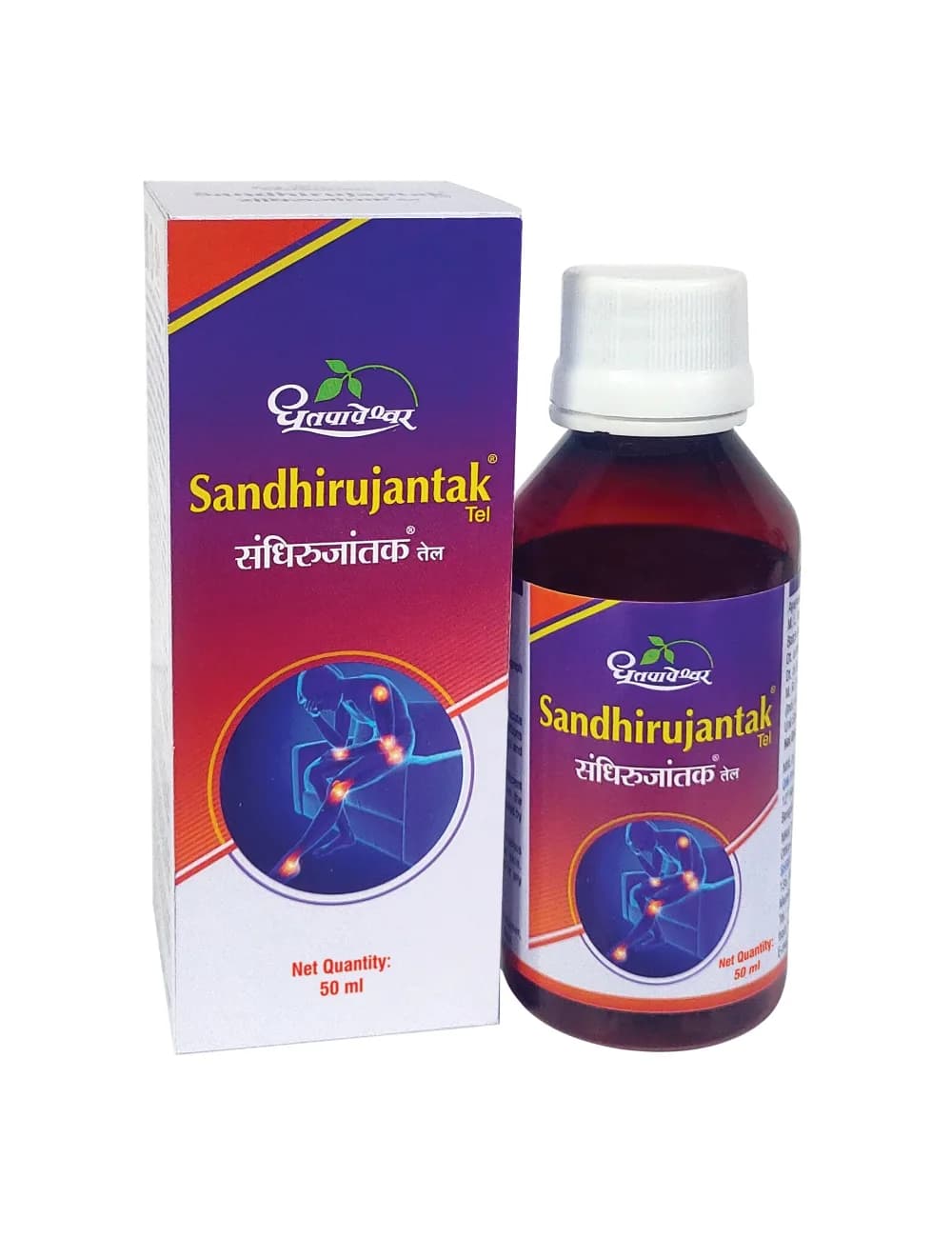
Sandhirujantak Tel (Dhootapapeshwar) SDL
SDLस्थानीय मांसपेशी-दर्द में राहत
Bottle of 50 ml
4.6
₹175Get ₹17 Cashback
 Prescribed to you4.7₹14 cashback
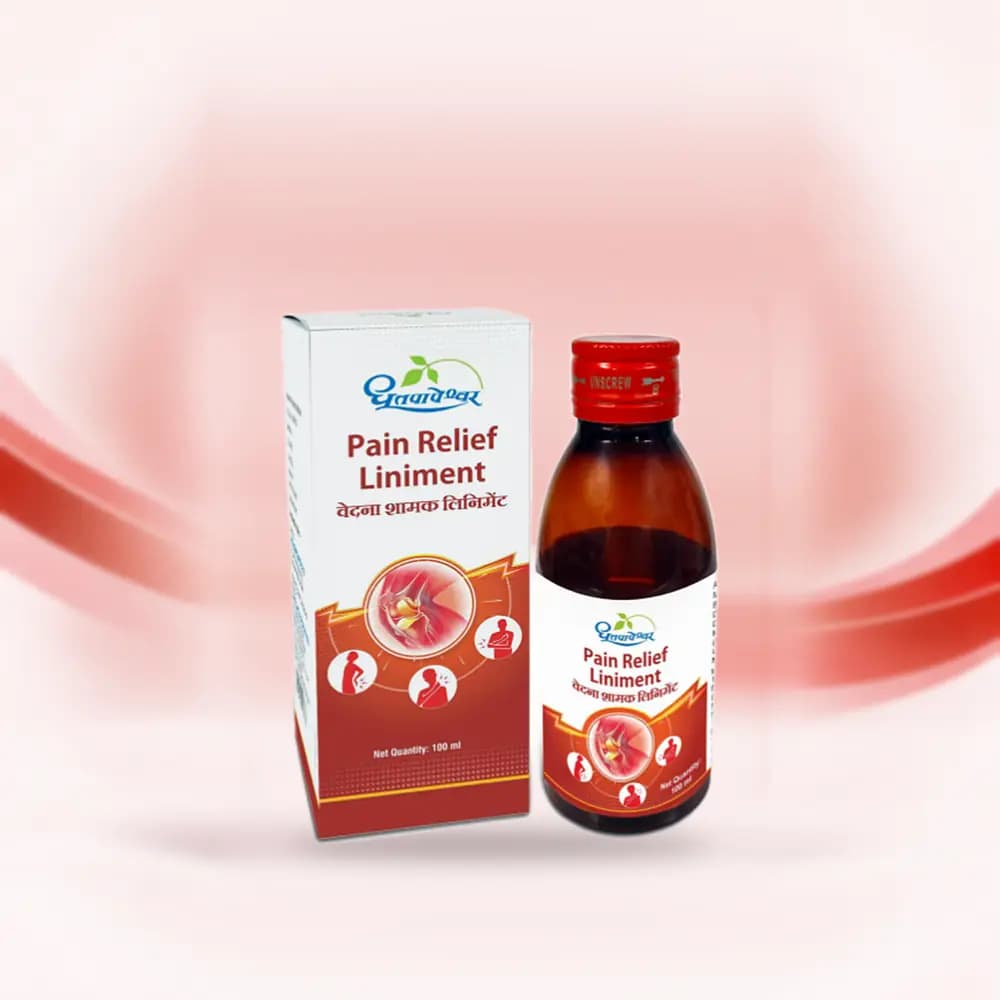
Dhootapapeshwar Pain Relief Liniment (Dhootapapeshwar)SDLTopical relief for pain
Bottle of 50 ml
4.7
₹140Get ₹14 Cashback