Rheumatoid arthritis
Reviewed by medical experts · For informational purposes only
Introductory summary
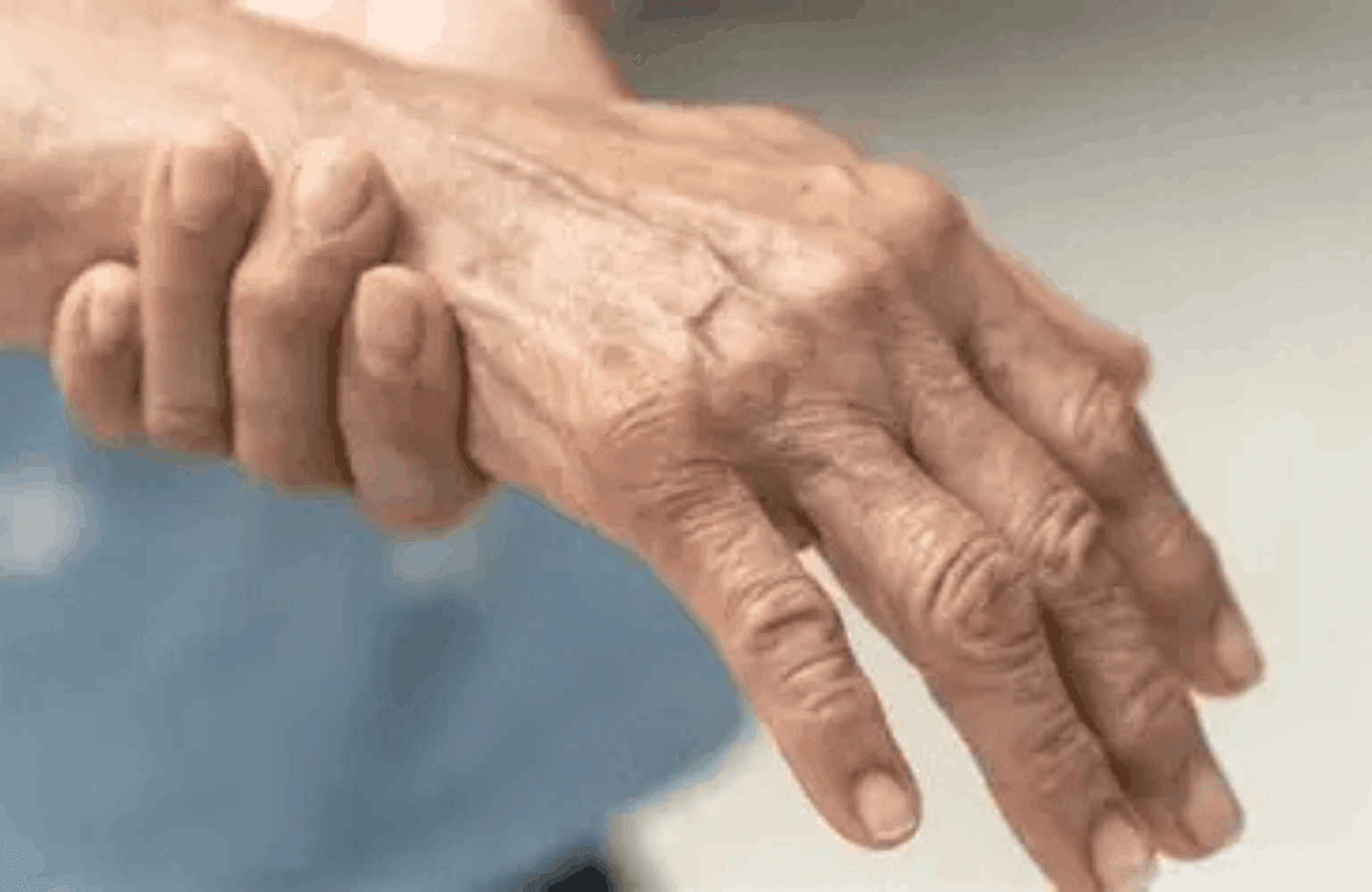
Rheumatoid Arthritis correlates with the Ayurvedic condition Amavata which arises from the accumulation of Ama or metabolic toxins and the vitiation of Vata dosha. This combination obstructs body channels and lodges in the joints causing severe inflammation stiffness and pain often compared to a scorpion sting. The pathology is rooted in Mandagni or weak digestive fire and the consumption of incompatible foods. Management strictly avoids initial oil massage favoring dry heat therapy known as Valuka Sweda to liquefy toxins. The primary treatment protocol involves Langhana or fasting to digest Ama followed by Shodhana therapies like Virechana using castor oil and medicated enemas. Potent formulations like Simhanada Guggulu are prescribed to restore digestive power and eliminate deep seated toxins.
Rheumatoid Arthritis
Rheumatoid Arthritis (RA) is a chronic autoimmune disorder that primarily affects the joints. In Ayurveda, this condition is correlated with Amavata. It is a disease caused by the accumulation of Ama (undigested metabolic toxins) and the vitiation of Vata Dosha (the bio-energy of movement), which lodge in the joints, causing severe pain, swelling, and stiffness. Unlike simple osteoarthritis (Sandhigata Vata), Amavata is a systemic condition involving the digestive fire (Agni) and toxic byproducts.
1. Definition
Modern Definition: Rheumatoid arthritis is a long-term autoimmune disorder that primarily affects joints, resulting in warm, swollen, and painful joints.
Ayurvedic Definition: Amavata is a disease condition where Ama (toxins from undigested food) mixes with Vata dosha and settles in the Sandhi (joints), causing Shotha (swelling) and intense pain likened to a scorpion sting.
2. Etymology & Conceptual Meaning
- Literal Meaning: The term is a compound of two words: Ama (raw, undigested, or toxic product of improper digestion) and Vata (the air element governing movement).
- Conceptual Interpretation: According to Madhava Nidana, when a person with weak digestion (Mandagni) engages in incompatible diet or lifestyle, the undigested food essence turns into Ama. This Ama is carried by the vitiated Vata through the channels of the body and accumulates in the Kapha locations (like joints), leading to the disease called Amavata.
3. Causes (Nidana)
The root cause of Rheumatoid Arthritis in Ayurveda is the formation of toxins (Ama) due to impaired digestion.
- Dietary Causes:
- Viruddha Ahara: Consumption of incompatible foods (e.g., fish with milk).
- Viruddha Chesta: Engaging in physical activities immediately after eating fatty or heavy foods.
- Mandagni: Weak digestive fire is the primary prerequisite for the formation of Ama.
- Lifestyle Causes:
- Nischalata: Sedentary habits or lack of physical activity.
- Snigdha Bhuktavato Vyayamam: Exercising immediately after eating unctuous (oily/fatty) food.
4. Journey of the Disease (Pathogenesis/Samprapti)
- Samprapti Ghataka (Components):
- Pathogenesis:
- Due to weak digestion, Ama is produced.
- Vitiated Vata circulates this Ama throughout the body.
- The Ama becomes "Vidagdha" (fermented/toxic) and lodges in the Kapha Sthana (sites of Kapha, such as the joints).
- This blocks the channels (Srotas), causing inflammation (Shotha), stiffness, and severe pain.
5. Symptoms (Lakshana)
- Early/General Symptoms:
- Angamarda: Body aches and general malaise.
- Aruchi: Loss of taste or anorexia.
- Trishna: Excessive thirst.
- Alasya: Lethargy and heaviness.
- Jwara: Fever (a distinguishing feature from simple arthritis).
- Apaka: Indigestion.
- Advanced/Joint Symptoms:
- Sandhi Shula: Severe joint pain.
- Sandhi Shotha: Swelling of the joints.
- Vrishchika Damsha Vat Vedana: Pain resembling the sting of a scorpion.
- Stambha: Stiffness of the body and joints.
- Hastapada Shirashotha: Swelling of hands, feet, and head.
6. Different Types or Classification (Bheda)
While generally classified as Amavata, it can be categorized by the dominance of Doshas:
- Vata-dominant: Intense pain is the primary feature.
- Pitta-dominant: Burning sensation and redness accompany the pain.
- Kapha-dominant: Heaviness, stiffness, and excessive swelling are prominent.
- Sannipatika: Involving all three doshas, which is considered difficult to treat.
7. Diagnosis
- Ayurvedic Diagnosis (Roga Pariksha):
- Darshana (Observation): Checking for swelling (Shotha) in hands, feet, and joints.
- Prashna (Questioning): Inquiring about digestive history (Agni), heaviness, and stiffness in the morning.
- Differential Diagnosis:
8. Disease Management
The management of Amavata focuses on Langhana (lightening) to digest Ama, followed by Shamana (pacification) and Shodhana (purification).
Diet (Ahara)
- Langhana (Fasting): The first line of treatment to digest the Ama.
- Pathya (Wholesome): Use of Kulattha (Horse gram), Yava (Barley), and Shunthi (Ginger) is recommended.
- Apathya (Avoid): Heavy foods, curd, fish, jaggery, and incompatible food combinations.
Medicines
- Simhanada Guggulu: A specific formulation mentioned in Chakradatta for curing Amavata and restoring digestive fire.
- Castor Oil (Eranda Taila): Considered the best remedy for Amavata; it breaks down Ama and expels it through purgation.
- Rasna-Saptaka Kwatha: A decoction containing Rasna, Guduchi, and Eranda (Castor) to relieve pain and swelling in the back, waist, and thighs.
- Shunthi-Guduchi: A combination of dry ginger and Tinospora cordifolia used for long-term management.
Panchakarma (Therapies)
- Valuka Sweda (Sand Bag Fomentation): Dry heat therapy is crucial. A bolus of heated sand is applied to the joints to reduce swelling (Shotha) and stiffness (Amavata). Note: Wet steam is often avoided initially to prevent increasing Ama.
- Virechana (Purgation): To eliminate toxins from the body using medicines like castor oil.
- Basti (Enema): specifically Vaitarana Basti (an enema causing elimination) and Kshara Basti are indicated for Amavata to expel Vata and Ama from the colon.
9. Prognosis
- Sadhya (Curable): If the disease is of recent onset, involves only one Dosha, and the patient has good digestive power.
- Yapya (Manageable): If two Doshas are involved or the disease has become chronic (Jeerna).
- Krichrasadhya (Difficult): If swelling has spread to the entire body (Sarvanga shotha).
- Asadhya (Incurable): If severe complications arise or if the patient becomes completely immobile.
10. Modern Correlations
- Rheumatoid Arthritis (RA): Ayurvedic texts and modern comparative studies explicitly correlate Amavata with Rheumatoid Arthritis due to the similarity in symptoms like joint inflammation, migratory pain, and systemic involvement.
- Mechanism: The concept of Ama accumulation closely parallels the modern understanding of antigen-antibody complexes or metabolic byproducts triggering an autoimmune response.
- Therapy: The use of Panchakarma (detoxification) in Ayurveda is being researched for its effectiveness in managing chronic conditions like RA.
11. References
-
Mayo Clinic – Rheumatoid Arthritis
https://www.mayoclinic.org/diseases-conditions/rheumatoid-arthritis/symptoms-causes/syc-20353648
Authoritative overview covering symptoms, causes, risk factors, complications, and treatment.
-
Cleveland Clinic – Rheumatoid Arthritis
https://my.clevelandclinic.org/health/diseases/4924-rheumatoid-arthritis
Clear explanation of autoimmune nature, joint damage, diagnosis, and management.
-
Johns Hopkins Medicine – Rheumatoid Arthritis
https://www.hopkinsmedicine.org/health/conditions-and-diseases/rheumatoid-arthritis
Academic-level reference on disease mechanism, symptoms, and long-term care.
-
NIH – National Institute of Arthritis and Musculoskeletal and Skin Diseases (NIAMS)
https://www.niams.nih.gov/health-topics/rheumatoid-arthritis
Research-based information from the U.S. National Institutes of Health.
-
MedlinePlus – Rheumatoid Arthritis
https://medlineplus.gov/rheumatoidarthritis.html
Patient-friendly, evidence-based medical reference.
-
Tata 1mg Hindi – रूमेटॉइड अर्थराइटिस
https://www.1mg.com/hi/diseases/rheumatoid-arthritis-383
Hindi explanation of causes, symptoms, diagnosis, and medicines.
-
Easy Ayurveda – Amavata (Rheumatoid Arthritis correlation)
https://www.easyayurveda.com/2015/08/10/amavata/
Explains RA under आमवात (Amavata) in Ayurveda.
12. FAQ Section
Q: Is oil massage good for Rheumatoid Arthritis?
A: In the acute stage of Amavata (Rheumatoid Arthritis), oil massage is generally contraindicated because the Ama (toxins) is heavy and wet. Applying oil can aggravate stiffness. Instead, Valuka Sweda (dry fomentation with heated sand bags) is recommended to reduce swelling and digest Ama.
Q: What is the best Ayurvedic diet for RA?
A: A light diet (Laghu) is essential. Foods like Barley, Horse gram (Kulattha), and warm water are beneficial. Spices like Ginger (Shunthi) are excellent for digesting toxins. One should avoid heavy, oily, and cold foods.
Q: Can Ayurveda cure Rheumatoid Arthritis?
A: According to Madhava Nidana, if the disease is new and involves a single Dosha, it is curable (Sadhya). However, chronic cases or those involving swelling of the whole body are considered difficult to cure but manageable (Yapya).
Q: What is "Simhanada Guggulu"?
A: It is a famous Ayurvedic formulation mentioned in Chakradatta containing Triphala, Shuddha Guggulu, and Gandhaka (Sulphur), processed with Castor oil. It is specifically designed to treat Amavata (RA) and destroy Ama.
Consult a Doctor
- SP4.5Dr Sreelekha P Nair
Ayurveda6 yrs exp
- SJ3.9SUMEDH JOSHI
Ayurveda7 yrs exp
- VH3.9Vaidya Harsh
Ayurveda9 yrs exp
- GG3.0Dr GN Govinda
Ayurveda1 yrs exp
Buy Medicine
 Prescribed to you4.3₹3 cashback
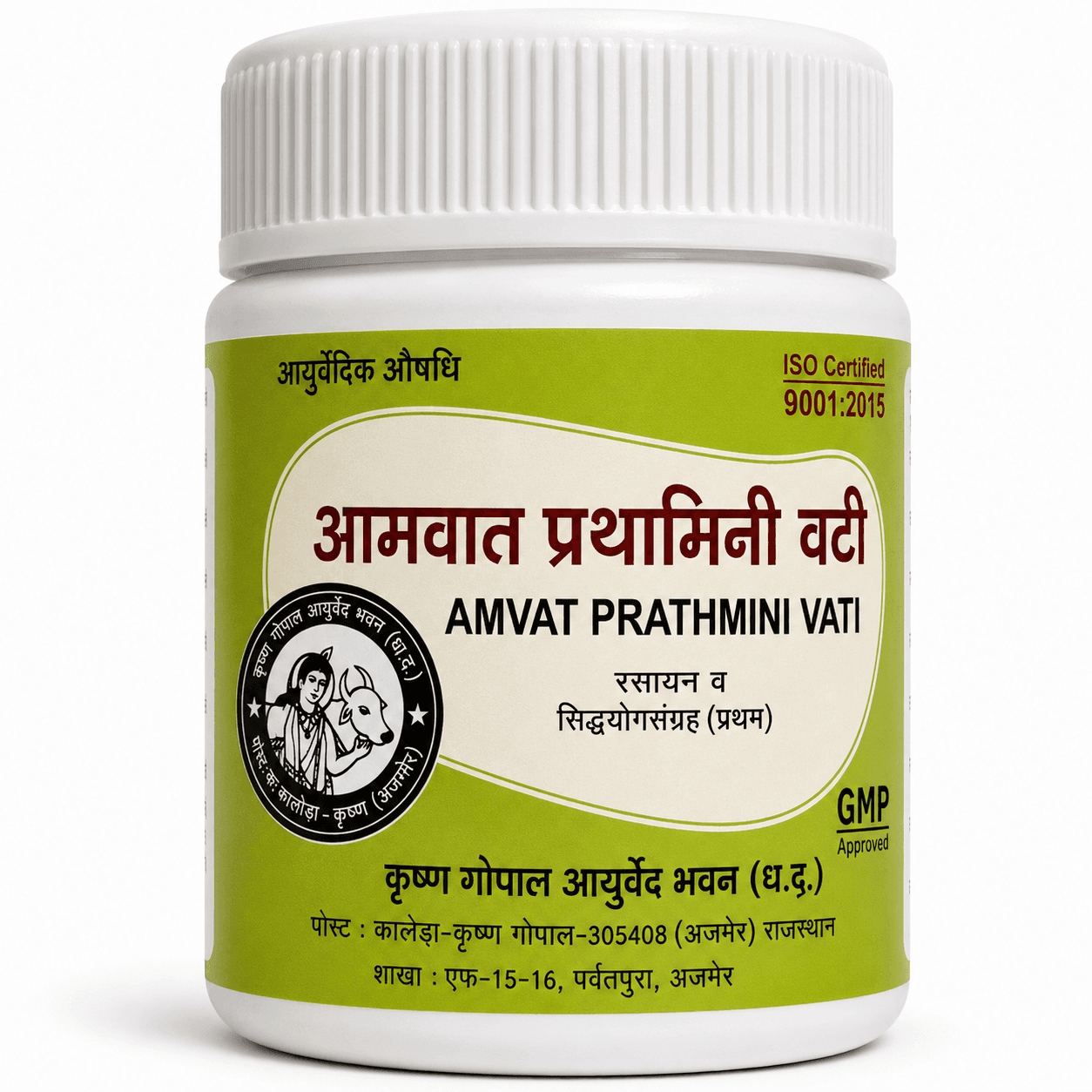
Amavata-pramathini Vati (Kalera) Kalera
Rheumatoid arthritis relief
Strip of 30 Tablets
4.3
₹35Get ₹3 Cashback
 Prescribed to you4.5₹17 cashback
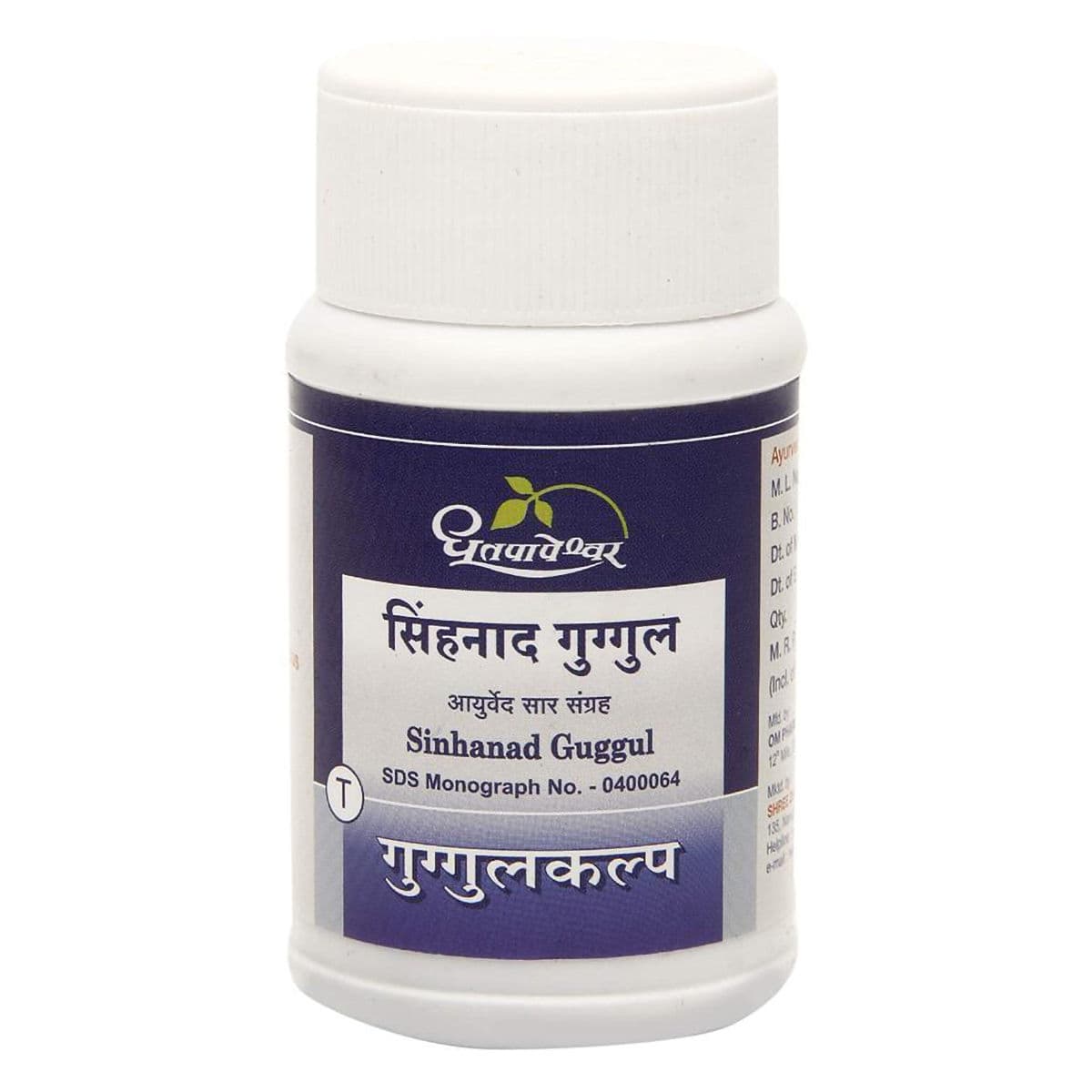
Sinhanad Guggul (Dhootapapeshwar) SDL
SDLHelps early-stage rheumatoid arthritis
Strip of 60 Tablets
4.5
₹170Get ₹17 Cashback
 Prescribed to you4.5₹21 cashback
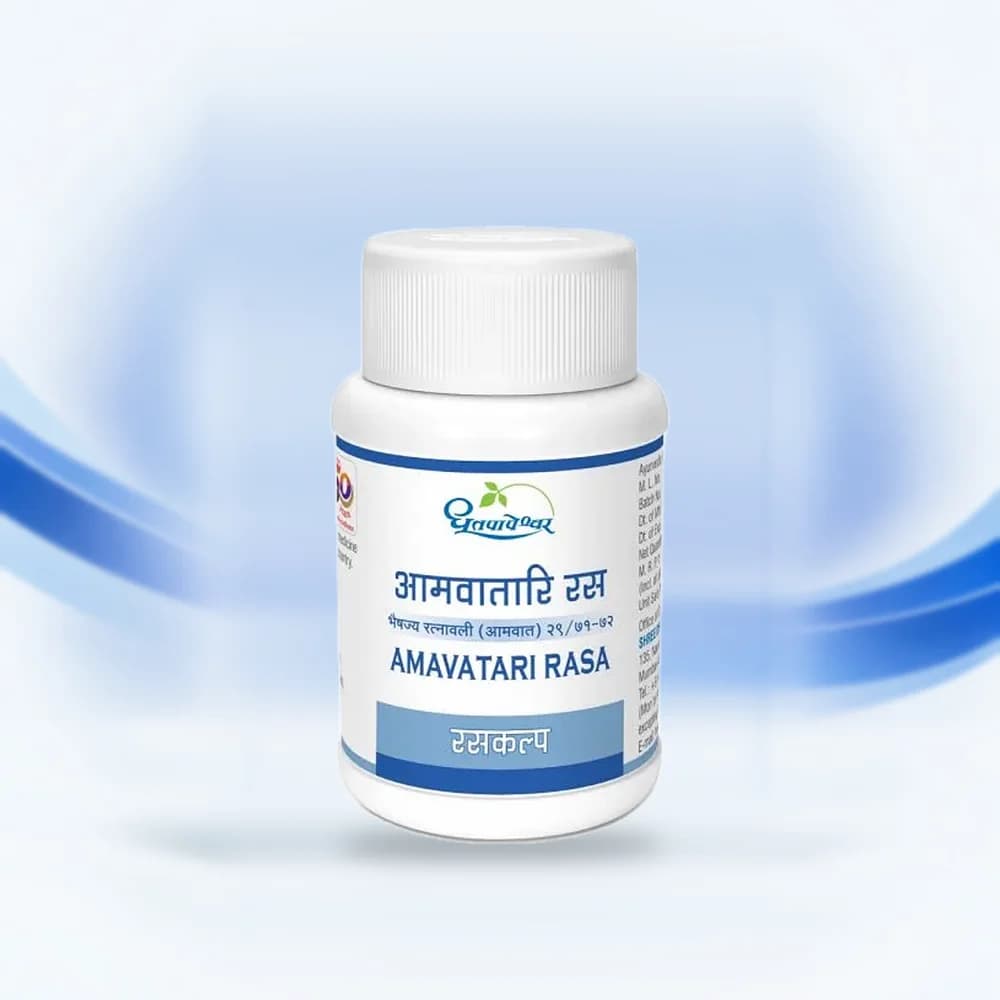
Amavatari Rasa (Dhootapapeshwar)SDLPhysician-guided Ayurvedic care
Strip of 60 Tablets
4.5
₹211Get ₹21 Cashback