Rasna
Reviewed by medical experts · For informational purposes only
Introductory summary
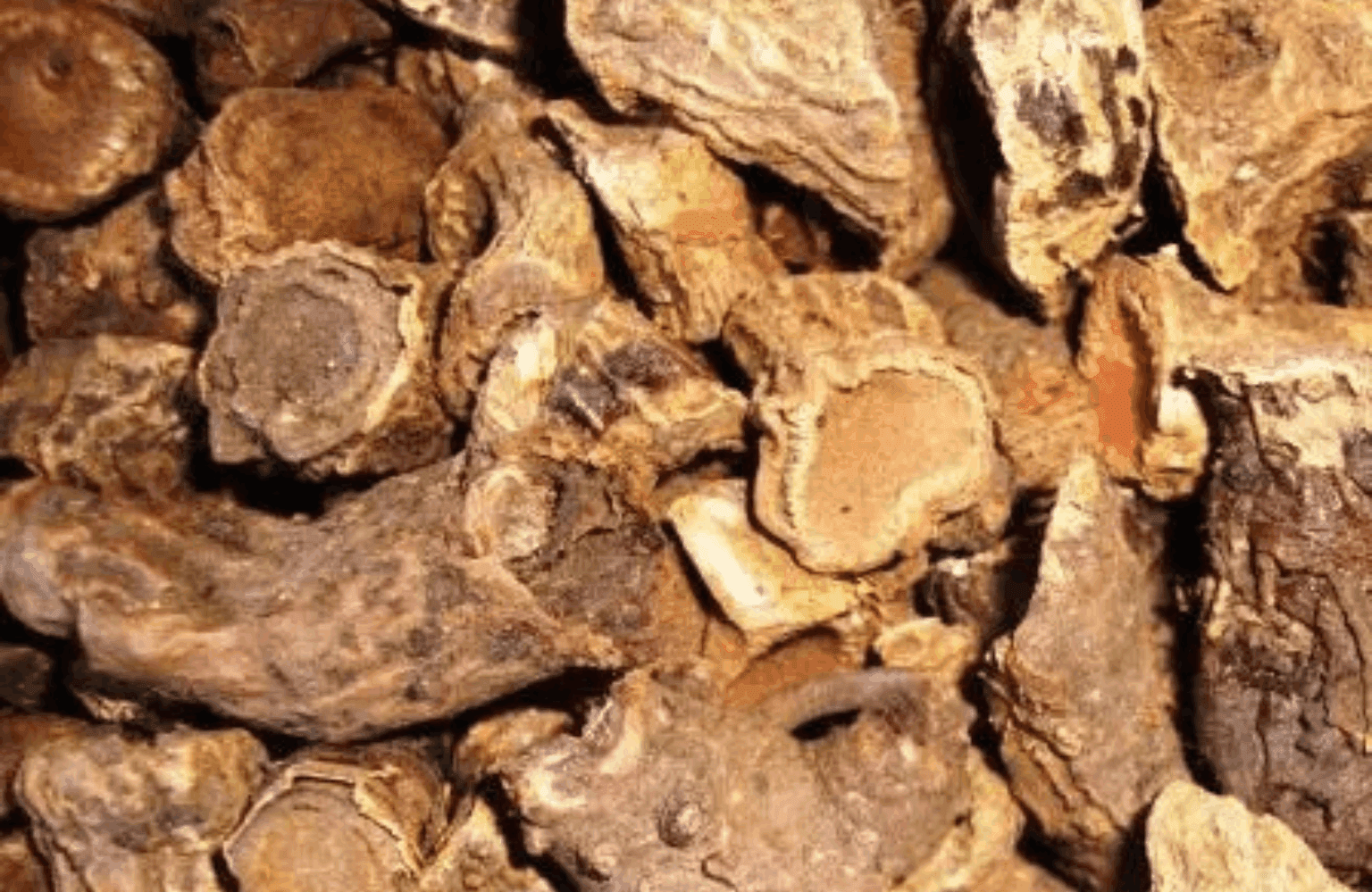
Rasna scientifically identified as Pluchea lanceolata is a premier Ayurvedic herb celebrated as the most effective remedy for Vata disorders. It acts as a potent anti-inflammatory and analgesic making it highly specific for treating musculoskeletal ailments like rheumatism sciatica gout and osteoarthritis. It possesses heavy qualities and acts as a calefacient to relieve cold sensations and shivering. Therapeutically it is indicated for neurological conditions including paralysis tremors and facial palsy. Rasna is the main ingredient in the renowned formulation Maharasnadi Kvatha used for chronic Vata diseases and infertility. Additionally it is applied externally as a poultice or powder known as Rasnadi Churna to relieve severe headaches and sinusitis. Its dried leaves and roots are essential components in medicated oils like Narayana Taila.
Rasna
Rasna, scientifically identified in the Ayurvedic Pharmacopoeia as Pluchea lanceolata, is a highly valued herb in Ayurveda, primarily renowned for its ability to treat disorders of the Vata dosha. It is considered a premier herb for musculoskeletal disorders, particularly rheumatism and arthritis. It is often referred to as the "best among Vata-pacifying drugs" (Agryam Vatahara) in classical texts.
1. Name of the Herb
- Common Name: Rasna.
- Scientific Name: Pluchea lanceolata (Oliver & Hiern) / Pluchea lanceolata C.B. Clarke.
- Sanskrit Name: Rāsnā, Surabhi.
- Other Associations: Some texts mention the use of orchids (like Vanda species) as Rasna in certain traditions, but the standard API identification is Pluchea lanceolata.
2. Brief Description
Rasna is a perennial herb that grows in arid and semi-arid regions. In Ayurveda, it is celebrated as a potent Vata-shamana (Vata pacifier). It plays a central role in managing conditions related to pain, stiffness, and inflammation, such as arthritis and sciatica. It is a key ingredient in many famous formulations like Maharasnadi Kvatha, used extensively for degenerative and inflammatory joint diseases.
3. Source / Part Used
- Plant Source: Herbal / Plant-based.
- Part Used: Primarily the Leaf (Patra/Lf.) and Root (Mula/Rt.). The whole plant (Panchanga) is also utilized in some contexts.
4. Ayurvedic Properties
According to Dravyaguna Vijnana and Charaka Samhita:
- Dosha Effect: Vāta-Śamana (Pacifies Vata). It is specifically categorized under drugs that alleviate Vata (Vatahara).
- Action (Karma): It is described as Śīta-praśamana (Califacient/alleviates cold). This indicates a heating energy that counters the cold quality of Vata and Kapha.
5. Key Benefits
- Relieves Joint Pain: Highly effective in managing Śūla (pain) and stiffness in joints.
- Treats Rheumatism: A specific remedy for Āmavāta (Rheumatoid Arthritis) and Sandhigata Vata (Osteoarthritis).
- Reduces Swelling: Helps alleviate Śotha (inflammation/oedema).
- Combats Cold: Acts as a warming agent (Califacient), beneficial for tremors and shivering.
- Respiratory Support: Beneficial for Kāsa (Cough) and Śvāsa (Asthma) when associated with Vata.
6. Uses / Indications
Rasna is indicated in Ayurveda for the following conditions:
- Musculoskeletal: Āmavāta (Rheumatism), Vātarakta (Gout), Gridhrasī (Sciatica), and Kubja (Hump-back/Kyphosis).
- Neurological: Pakṣāghāta (Paralysis/Hemiplegia), Ardita (Facial palsy), and Kampa (Tremors).
- General Pain: Kaṭi Śūla (Lower backache), Jānu Śūla (Knee pain), and Pārśva Śūla (Flank pain).
- Head & Sinus: Used externally as a Lepa (poultice) or Churna (powder) on the head for Śirorujā (Headache) and Pīnasa (Sinusitis/Chronic Rhinitis).
- Other: Antravṛddhi (Hernia) and Udāvarta (Upward movement of wind).
7. How It Works
- Vata Alleviation: Rasna possesses heavy and heating properties that directly counteract the light, cold, and dry qualities of the Vata dosha. By pacifying Vata, it reduces pain and relaxes stiff muscles and nerves.
- Digestive & Anti-Ama: It helps digest Ama (toxic metabolic waste) which is the root cause of Amavata (Rheumatism), thereby reducing joint inflammation and stiffness.
- Califacient Action: As a Śīta-praśamana herb, it generates heat in the body, relieving sensations of cold and shivering.
8. Dosage
(General guidance based on formulations):
- Decoction (Kvatha/Kashaya): 48 g of coarse powder boiled in water (reduced to 1/4th or 1/8th) is a standard dose for decoction preparations like Rasnadi Kvatha.
- Powder (Churna): For external application (Lepa), sufficient quantity is mixed with oil or water.
- Note: Always follow the specific dosage prescribed by a physician.
9. Safety Information
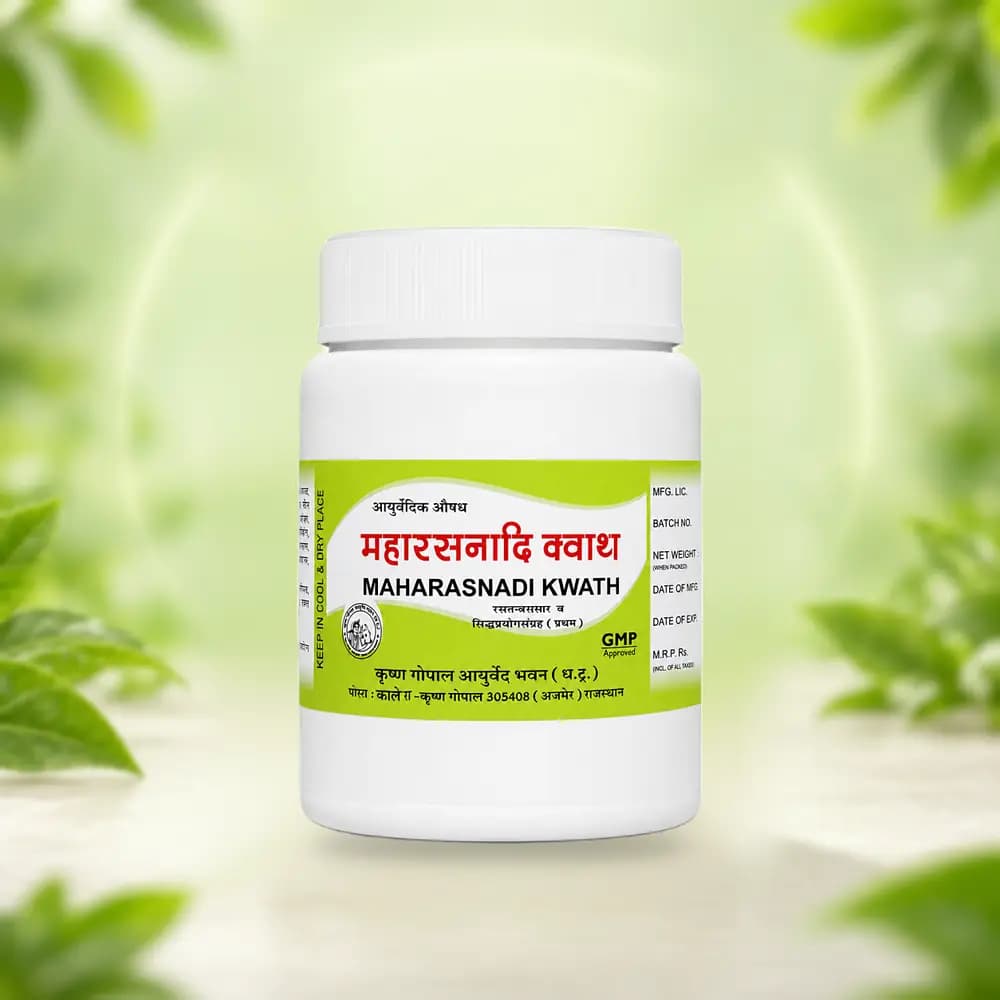
Rasna is generally considered safe when used in traditional Ayurvedic formulations and dosages. It is a key component of Maharasnadi Kvatha, which is widely prescribed for long-term management of Vata disorders.
10. Side Effects
- Heat: Due to its heating nature, excess consumption might aggravate Pitta in sensitive individuals, potentially causing heartburn or heat sensation.
- No severe toxicity is reported in the standard texts provided when used therapeutically.
11. Precautions
- Pitta Prakriti: Individuals with a high Pitta constitution or those suffering from excessive heat should use it with caution or under medical supervision.
- Pregnancy: Consult an Ayurvedic physician before use.
12. Storage Instructions
- Store the dried leaves or roots in a cool, dry place.
- Keep in an air-tight container to protect from moisture and insects.
13. References
-
Charaka Samhita – Sutra Sthana & Chikitsa Sthana (Vata Vyadhi Chikitsa)
https://www.wisdomlib.org/hinduism/book/charaka-samhita
-
Ayurvedic Pharmacopoeia of India (API) – Pluchea lanceolata
https://pcimh.gov.in
-
WHO Monographs on Selected Medicinal Plants
https://apps.who.int/iris/handle/10665/42052
-
WHO Global Report on Traditional and Complementary Medicine
https://www.who.int/publications/i/item/9789241515436
-
PubMed – Pluchea lanceolata Research Articles
https://pubmed.ncbi.nlm.nih.gov/?term=Pluchea+lanceolata
-
NCBI Taxonomy Database – Pluchea lanceolata
https://www.ncbi.nlm.nih.gov
-
ScienceDirect – Rasna Phytochemistry & Pharmacology
https://www.sciencedirect.com
-
SpringerLink – Experimental Studies on Rasna
https://link.springer.com
-
Wiley Online Library – Pluchea lanceolata Research
https://onlinelibrary.wiley.com
-
Kew Science – Plants of the World Online (Pluchea lanceolata)
https://powo.science.kew.org
14. FAQs
** **Q. Can it be taken daily?
As a medicine for Vata disorders (like arthritis), it is often prescribed daily for a specific period (e.g., one month).
Q. When should it be taken?
Decoctions are typically taken on an empty stomach or before meals to effectively target Vata dosha.
Q. Can it be taken with milk/water?
Yes. Powders or tablets containing Rasna are often taken with warm water or milk to enhance their Vata-pacifying effect. For external application on the head, it is often mixed with castor oil or butter.
Consult a Doctor
- MS4.2Midun s kumar
Ayurveda4 yrs exp
- SP4.5Dr Sreelekha P Nair
Ayurveda6 yrs exp
- VR4.2Vaidya Rohit Kumar
Ayurveda3 yrs exp
- V4.1Vairamuthu
Ayurveda8 yrs exp
Buy Medicine
 Prescribed to you4.5₹13 cashback
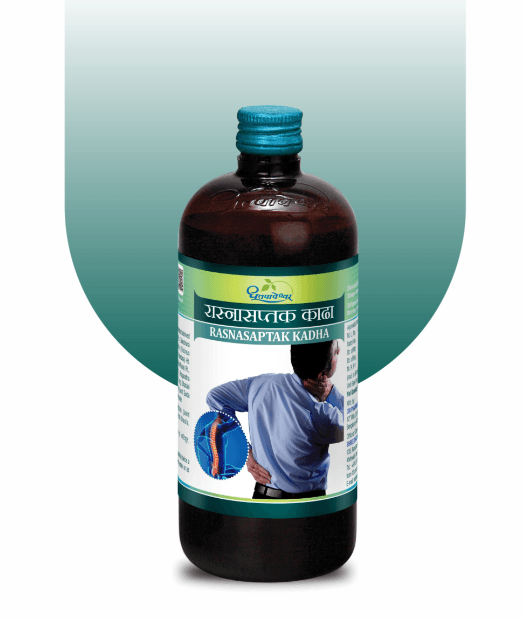
Rasnasaptak Kadha (Dhootapapeshwar) SDL
SDLदर्दयुक्त वात स्थितियों में सहायक
Bottle of 200 ml
4.5
₹135Get ₹13 Cashback
 Prescribed to you4.8₹18 cashback
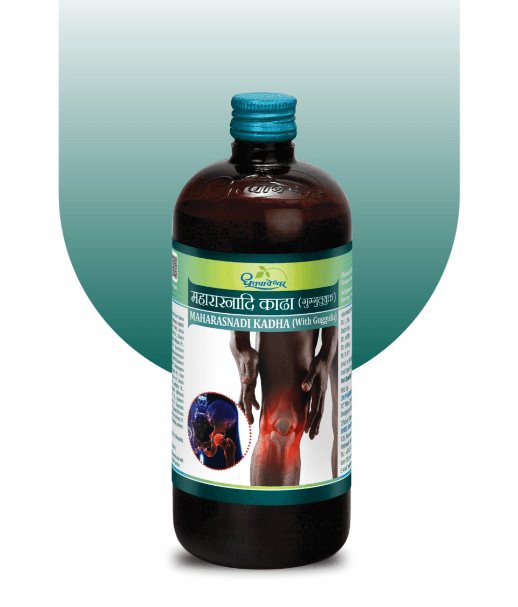
Maharasnadi Kadha (Dhootapapeshwar)SDLSupports Vata-related comfort
Bottle of 450 ml
4.8
₹185.46Get ₹18 Cashback
₹24023% off