Sinusitis
Reviewed by medical experts · For informational purposes only
Introductory summary
Sinusitis correlates with the Ayurvedic conditions Peenasa and Dushta Pratishyaya classified under Urdhvajatrugata Rogas. It arises when vitiated Vata and Kapha doshas obstruct the nasal channels or Pranavaha Srotas often triggered by exposure to cold dust smoke and suppression of natural urges. Clinical features include thick purulent discharge known as Sandra Srava heaviness in the head loss of smell and severe headaches sometimes specific to the frontal sinus like Suryavarta. Management emphasizes clearing the obstruction through Panchakarma specifically Nasya therapy using medicated oils like Anu Taila and Vamana or therapeutic emesis to expel deep seated Kapha. Beneficial measures include local steam application and a diet of warm light foods while strictly avoiding curd and day sleep.
Sinusitis
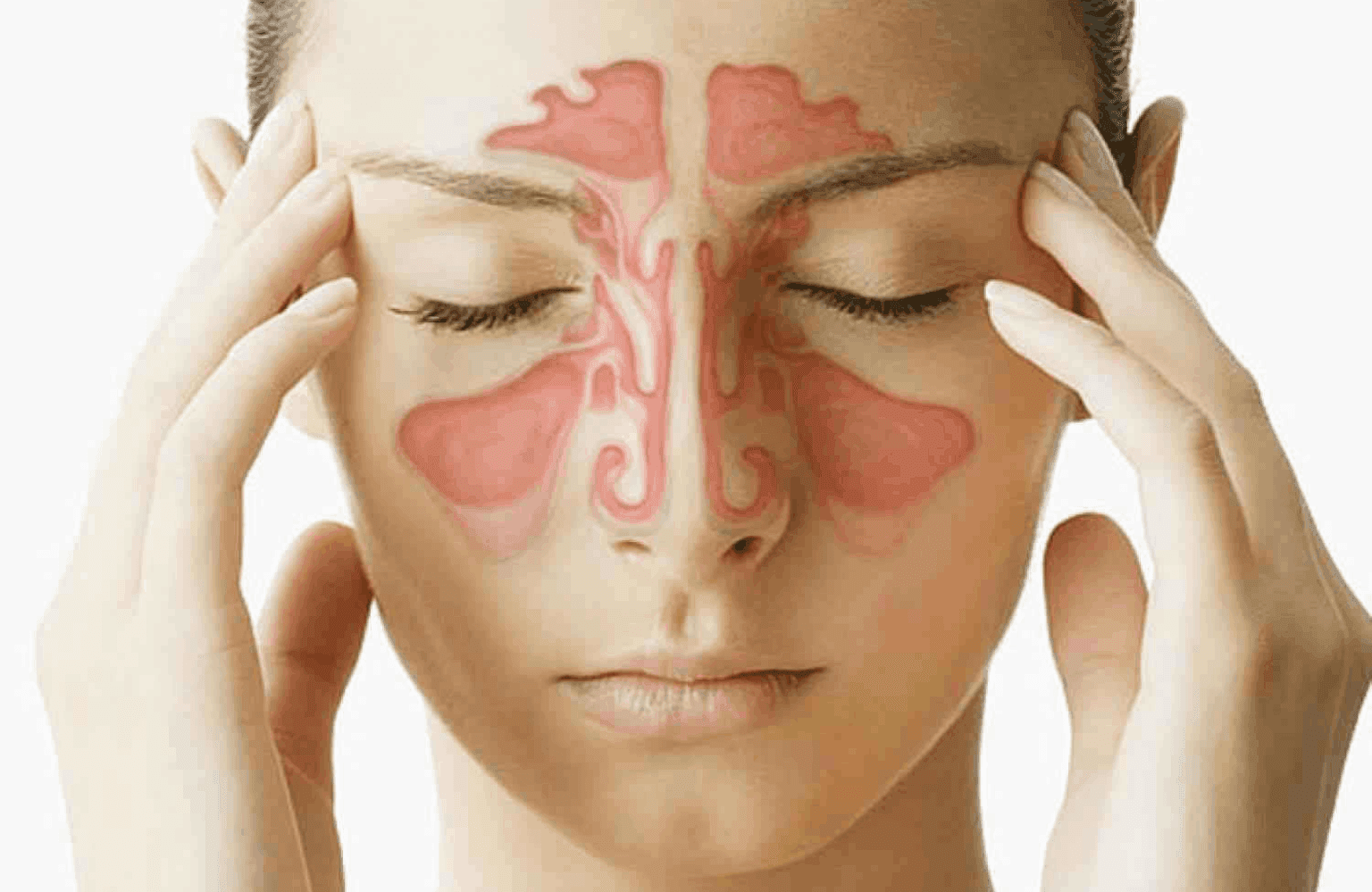
Sinusitis is the inflammation or swelling of the tissue lining the sinuses. In Ayurveda, the symptoms of sinusitis overlap with conditions described as Peenasa (chronic nasal disease) and Pratishyaya (coryza/rhinitis). When acute rhinitis (Pratishyaya) is neglected or improperly managed, it progresses to a chronic and complicated stage known as Dushta Pratishyaya, which closely mirrors chronic sinusitis. These conditions fall under the category of Urdhvajatrugata Rogas (diseases of the head and neck) or Shiro Roga (diseases of the head).
1. Definition
Modern Definition: Inflammation of the paranasal sinuses, often causing nasal blockage, facial pain, and thick nasal discharge.
Ayurvedic Definition: Pratishyaya is a condition where the Vata dosha, covered by Kapha, forces accumulated phlegm and fluids out through the nose. When this condition becomes chronic, deep-seated, and involves the vitiation of all three doshas and blood (Rakta), it is termed Dushta Pratishyaya or sometimes Peenasa (though Peenasa can also refer to Ozena/Atrophic Rhinitis depending on the context). It is characterized by the obstruction of nasal channels, heaviness in the head, and thick discharge.
2. Etymology & Conceptual Meaning
- Pratishyaya: Derived from Prati (against/towards) and Shyaya (movement/flow). It implies a condition where the Doshas (mainly Vata and Kapha) move forcefully towards the nasal passages.
- Peenasa: Refers to a condition causing "fatness" or "swelling" inside the nose, leading to obstruction, or a condition that causes emaciation of the olfactory sense.
- Conceptual Interpretation: Ayurveda views the nose (Nasa) as the gateway to the head (Shiraso Dvaram). Blockages here affect the Prana Vayu and Tarpaka Kapha (responsible for lubricating the brain/senses), leading to systemic issues like headaches and dullness of senses.
3. Causes (Nidana)
The causes are multifactorial, involving environmental triggers, diet, and suppression of natural urges.
- Dietary Causes:
- Consumption of cold water (Sheeta ambu) and cold foods.
- Indigestion (Ajirna) and accumulation of Ama (toxins).
- Incompatible food combinations (Viruddha Ahara).
- Lifestyle Causes:
- Vegadharana: Suppression of natural urges, particularly urine, feces, and tears.
- Day Sleep: Sleeping during the day (Divaswapna), which aggravates Kapha.
- Exposure to dust (Raja), smoke (Dhuma), and cold wind (Sheeta Anila).
- Excessive speaking or anger (Krodha).
- Psychological Factors:
- Mental/emotional disturbances are cited as aggravating factors for head diseases.
4. Journey of the Disease (Pathogenesis/Samprapti)
- Samprapti Ghataka (Components):
- Dosha: Vata (primary mover) and Kapha (primary obstructing element). Pitta is involved in infectious/inflammatory stages.
- Dushya (Tissues): Rasa (Plasma/Mucus) and Rakta (Blood).
- Srotas (Channels): Pranavaha Srotas (Respiratory channels) and Rasavaha Srotas.
- Adhisthana (Site): Shira (Head) and Nasa (Nose).
- Pathogenesis:
- Due to etiological factors like exposure to cold or smoke, Vata accumulates in the head.
- Vata disturbs Kapha situated in the head and respiratory tract.
- The vitiated Doshas move through the channels (Srotas) and lodge in the nasal cavity and sinuses (Shira).
- This causes obstruction (Sroto-rodha) and inflammation, leading to the discharge of mucus and pain known as Pratishyaya or Peenasa.
5. Symptoms (Lakshana)
- Early Symptoms (Pratishyaya/Acute Phase):
- Kshavathu: Frequent sneezing.
- Shiro-Gaurava: Heaviness in the head.
- Angamarda: Body aches.
- Romaharsha: Horripilation.
- Advanced Symptoms (Dushta Pratishyaya/Chronic Sinusitis):
- Nasavarodha: Obstruction of the nose (nasal congestion).
- Sandra Srava: Thick, yellow, or greenish discharge.
- Ghrana Nasha: Loss of the sense of smell.
- Mukha Daurgandhya: Bad breath (Halitosis).
- Shiro Shula: Severe headache, often specific to the forehead or sinuses (Suryavarta - frontal sinusitis).
- Kasa/Shwasa: Cough or difficulty breathing if the post-nasal drip affects the lungs.
6. Different Types or Classification (Bheda)
Madhava Nidana classifies Pratishyaya into five types:
- Vataja: Characterized by thin, watery discharge, dryness, and pain.
- Pittaja: Characterized by yellow/hot discharge, inflammation, and fever.
- Kaphaja: Characterized by thick, white, cool discharge and heaviness.
- Sannipataja: Mixed symptoms, difficult to treat.
- Raktaja: Caused by vitiated blood, characterized by bloody discharge and redness.
7. Diagnosis
- Ayurvedic Diagnosis (Roga Pariksha):
- Prashna (Questioning): History of exposure to cold wind, dust, or smoke.
- Darshana (Observation): Inspecting the color and consistency of nasal discharge (watery, yellow, thick).
- Sparshana (Touch): Checking for tenderness in the head and sinus regions (Shiro-arti).
- Differential Diagnosis:
- Distinguished from Suryavarta (Frontal Sinusitis/Migraine), where pain increases with the sun.
- Distinguished from Dushta Pratishyaya (Chronic Rhinitis), which is a neglected stage of acute cold causing recurring infection.
8. Disease Management
The management focuses on Shodhana (Purification) to expel the deep-seated Kapha, followed by Shamana (Pacification) and lifestyle changes.
Medicines
- Vyaghri Taila: A medicated oil mentioned in Chakradatta for curing various types of nasal diseases including Peenasa and Pratishyaya.
- Chitraka Haritaki: A famous electuary used for nasal congestion, cough, and sinusitis.
- Dashamula Kwatha: A decoction of ten roots used to relieve pain and inflammation in the head and respiratory tract.
- Tribhuvana Kirti Rasa: Often implied for fevers associated with Vata and Kapha (common in sinusitis).
Panchakarma
- Nasya (Nasal Administration): This is the specific treatment for head and neck diseases (Urdhvajatrugata Vikara). Medicated oils like Anu Taila or Shadbindu Taila are instilled in the nose to clear obstruction. It is indicated specifically for Peenasa.
- Vamana (Emesis): Therapeutic vomiting is indicated for Peenasa to expel vitiated Kapha from the upper body.
- Virechana (Purgation): Indicated if there is Pitta involvement or blood vitiation in nasal diseases.
- Swedana (Fomentation): Local steam application to the face to liquefy the mucus.
- Dhumapana (Medicated Smoking): Inhalation of medicated herbal smoke is prescribed after Nasya to dry up residual mucus and prevent recurrence.
Diet (Ahara)
- Pathya (Beneficial): Light, warm foods, soups of horse gram (Kulattha) or green gram, spices like ginger (Shunthi) and black pepper (Maricha).
- Apathya (Harmful): Curd (Dadhi), cold water, heavy/oily foods, sleeping during the day.
9. Prognosis
- Sadhya (Curable): Acute cases (Navina Pratishyaya) managed early are easily curable.
- Krichra (Difficult): Chronic cases (Dushta Pratishyaya) where the infection has settled deep in the sinuses are difficult to treat and require long-term management.
- Complications: If untreated, it can lead to complications like Badhirya (Deafness), Andhya (Blindness), or loss of smell.
10. Modern Correlations
- Peenasa / Dushta Pratishyaya: Directly correlates with Chronic Sinusitis or Chronic Rhinitis.
- Suryavarta: The description of headache starting with sunrise, peaking at noon, and subsiding by evening correlates with Frontal Sinusitis.
- Pratishyaya: Correlates with Acute Rhinitis or the Common Cold, which is the precursor to sinusitis.
11. References
-
WHO – Upper Respiratory Tract Infections
🔗 https://www.who.int/publications/i/item/WHO-IMCI-2014.2
WHO guidance where sinusitis is discussed as part of upper respiratory infections.
-
WHO – Chronic Respiratory Diseases
🔗 https://www.who.int/teams/noncommunicable-diseases/chronic-respiratory-diseases
Public health perspective on chronic ENT and respiratory conditions.
-
CDC – Sinus Infection (Sinusitis)
🔗 https://www.cdc.gov/sinus-infection/index.html
Causes, prevention, and treatment overview.
-
Mayo Clinic – Sinusitis
🔗 https://www.mayoclinic.org/diseases-conditions/sinusitis/symptoms-causes/syc-20351661
Trusted resource on acute and chronic sinusitis.
-
NEJM – Chronic Rhinosinusitis
🔗 https://www.nejm.org/doi/full/10.1056/NEJMra2026132
High-impact review on pathophysiology and management.
-
NHP India – साइनुसाइटिस
🔗 https://www.nhp.gov.in/disease/ear-nose-throat/sinusitis
Government of India health portal (Hindi & English).
-
AIIMS Health Education – साइनस संक्रमण
🔗 https://www.aiims.edu/aiims/healthinfo/sinusitis.htm
Simple Hindi explanation for patients.
12. FAQ Section
Q: What is the best Ayurvedic treatment for Sinusitis?
A: Nasya is considered the most effective therapy. It involves administering medicated drops (like Anu Taila) into the nose to clear the sinuses. This should be accompanied by facial steam (Swedana).
Q: Can I eat curd (yogurt) if I have Sinusitis?
A: No. Ayurveda strictly advises avoiding curd (Dadhi) in conditions like Peenasa and Pratishyaya because it causes obstruction in the channels (Abhishyandi) and aggravates Kapha.
Q: Is daytime sleeping bad for Sinusitis?
A: Yes. Sleeping during the day (Divaswapna) increases Kapha dosha and Ama (toxins), which worsens congestion and heaviness in the head.
Q: What is "Suryavarta" headache?
A: Suryavarta is a type of headache associated with sinusitis where the pain increases with the rising sun and decreases as the sun sets. It is typically associated with the frontal sinus.
Consult a Doctor
- AK4.8Dr. Amalnath K Viswanathan
Ayurveda4 yrs exp
- AI4.9Dr. Aayush Ishwar
Ayurveda2 yrs exp
- KJ4.6Dr Kruti Jaxesh Bhavsar
Ayurveda1 yrs exp
- MS4.2Midun s kumar
Ayurveda4 yrs exp
Buy Medicine
 Prescribed to you4.4₹45 cashback
Mahalaxmivilas Rasa (Dhootapapeshwar) SDL
SDLSupports strength and wellness
Strip of 10 Tablets
4.4
₹457Get ₹45 Cashback