common cold
Reviewed by medical experts · For informational purposes only

Introductory summary
The common cold known as Pratishyaya in Ayurveda primarily results from the aggravation of Vata dosha and accumulation of Kapha in the head. It is often triggered by indigestion suppression of natural urges like sneezing and exposure to cold or dust. Symptoms include continuous nasal discharge heaviness in the head and loss of smell. Management focuses on restoring digestive fire and pacifying Vata and Kapha. The Ayurvedic Formulary of India recommends formulations like Vyoshadi Vati and Mahalakshmivilasa Rasa to treat chronic rhinitis and cough. Therapeutic procedures such as Nasya using Anu Taila are prescribed to clear nasal obstruction. Dietary adjustments including the avoidance of curd and heavy foods are essential for recovery.
Common Cold
Common Cold, known in Ayurveda as Pratishyaya, is a frequent disorder affecting the upper respiratory tract. It is characterized by the accumulation of Doshas (bio-energies) in the head, leading to nasal discharge, obstruction, and heaviness. While often considered a minor ailment, Ayurvedic texts like Madhava Nidana warn that if neglected, it can progress to Dushta Pratishyaya (Chronic Rhinitis) or lead to complications affecting the eyes, ears, and chest.
1. Definition
- Modern Definition: A viral infection of the nose and throat (upper respiratory tract) characterized by sneezing, stuffy nose, and discharge.
- Ayurvedic Definition: Pratishyaya is defined as a condition where the aggravated Vata Dosha (wind energy), often in association with Kapha (mucus) and blood, moves upward to the head and flows out through the nose. It is classified under Nasagata Roga (Diseases of the Nose) and Urdhvajatrugata Roga (Diseases of the head and neck).
2. Etymology & Conceptual Meaning
- Literal Meaning: The term Pratishyaya is derived from Prati (towards/reverse) and Shyaya (flowing/running). It implies a condition where fluids flow continuously or in a reverse direction towards the nose.
- Conceptual Interpretation: In Ayurveda, the nose is considered the gateway to the head (Nasa Hi Shiraso Dvaram). When the channels in the head are obstructed by Kapha or irritated by Vata, the accumulated humors are expelled through the nose. Pinasa is another term often used interchangeably, though it specifically refers to chronic rhinitis or sinusitis where the discharge may be thick and foul-smelling.
3. Causes (Nidana)
The Madhava Nidana and Chakradatta outline several factors that trigger Pratishyaya:
- Dietary Causes:
- Indigestion (Ajirna) is a primary root cause.
- Drinking excessively cold water (Sheeta ambu).
- Consumption of curd (Dadhi) and heavy, sweet foods which aggravate Kapha.
- Lifestyle Causes:
- Vega Dharana: Suppression of natural urges, particularly the urge to sneeze, void stool, or urine.
- Prajagara: Staying awake late at night.
- Divaswapna: Sleeping during the day.
- Environmental Factors:
4. Journey of the Disease (Pathogenesis/Samprapti)
- Samprapti Ghataka (Components):
- Dosha: Primarily Vata (Prana and Udana Vayu) and Kapha. Pitta and Rakta (blood) are involved in specific types.
- Dushya (Tissues): Rasa (Plasma) and Rakta (Blood).
- Srotas (Channels): Pranavaha Srotas (Respiratory channels).
- Adhisthana (Site): Nasa (Nose) and Shirah (Head).
- Pathogenesis:
- Due to the suppression of urges or exposure to cold/dust, Vata Dosha is aggravated.
- Vata becomes obstructed by Kapha or enters the channels of the head.
- It dislodges the accumulated Kapha (mucus) and blood in the cranial region.
- These vitiated fluids flow downwards to the nose, causing Pratishyaya (discharge).
5. Symptoms (Lakshana)
- Early Symptoms (Purvarupa):
- Heaviness in the head (Shiro-gaurava).
- Frequent sneezing (Kshavathu).
- Body aches (Angamarda).
- Goosebumps (Romaharsha).
- Advanced Symptoms:
- Nasa-srava: Continuous nasal discharge.
- Ghrana-nasha: Loss of sense of smell.
- Svarabheda: Hoarseness of voice or alteration in tone.
- Shiro-shula: Headache.
- Mukha-shosha: Dryness of the mouth (due to mouth breathing).
6. Different Types or Classification (Bheda)
Madhava Nidana classifies Pratishyaya into five types based on the Dosha involved:
- Vataja: Characterized by thin, watery discharge, dryness, and pain.
- Pittaja: Characterized by yellow, hot discharge, fever, and burning sensation.
- Kaphaja: Characterized by thick, white discharge, heaviness, and swelling around the eyes.
- Sannipataja: Mixed symptoms of all three Doshas; difficult to cure.
- Raktaja: Caused by vitiated blood, characterized by bloody discharge and copper-colored eyes.
Additionally, Pinasa is often treated as a chronic stage or a specific type involving blockage (sinusitis).
7. Diagnosis
- Ayurvedic Diagnosis (Roga Pariksha):
- Prashna (Questioning): History of suppressing sneezes, exposure to cold wind, or constipation.
- Darshana (Observation): Observing the color and consistency of nasal discharge (thin/watery vs. thick/yellow).
- Differential Diagnosis:
8. Disease Management
Treatment focuses on Deepana-Pacana (improving digestion) to remove Ama (toxins), followed by Kapha-Vata Shamana.
Diet (Ahara)
- Beneficial: Warm and light foods.
- Avoid: Cold water, curd (yogurt), heavy sweets, and day sleep.
Lifestyle (Vihara)
- Avoid exposure to direct wind and cold.
- Cover the head and ears.
- Avoid suppressing natural urges like sneezing.
Medicines
- Vyoshadi Vati: A tablet containing Trikatu and other herbs, specifically indicated for Pratishyaya and Pinasa.
- Talisadya Churna: A powder used for respiratory conditions including cold and cough.
- Laxmivilasa Rasa: A herbo-mineral formulation used for chronic rhinitis and cough.
- Chyavanaprasha: Used as a Rasayana (tonic) to build immunity and prevent recurrence of respiratory issues.
- Tribhuvankirti Rasa: Often used if fever is associated with the cold (implied under fever management).
Panchakarma (Therapies)
- Nasya: Administration of medicated oils into the nostrils. Anu Taila or Shadbindu Taila are commonly used to clear the sinuses and strengthen the nasal passages.
- Swedana: Facial steam (fomentation) helps liquefy Kapha and relieve blockage.
- Vamana: Therapeutic emesis is indicated in severe Kaphaja types or Pinasa (sinusitis) to expel deep-seated mucus.
9. Prognosis
- Sadhya (Curable): Acute cases (newly formed) are easily curable with diet and simple herbs.
- Krichrasadhya (Difficult): Dushta Pratishyaya (Chronic Rhinitis) and Sannipataja types are difficult to treat and require long-term management.
- Complications: If untreated, it can lead to deafness (Badhirya), blindness (Andhya), or severe eye diseases (Netraroga).
10. Modern Correlations
- Coryza: Correlates with the acute stage of Pratishyaya.
- Rhinitis: Inflammation of the nasal mucosa correlates with the general description of Pratishyaya.
- Sinusitis: Correlates with Pinasa or Dushta Pratishyaya, characterized by thick discharge and blockage.
- Allergic Rhinitis: Correlates with Vataja Pratishyaya (sneezing/watery discharge).
11. References
-
Mayo Clinic – Common Cold: Symptoms & Causes
https://www.mayoclinic.org/diseases-conditions/common-cold/symptoms-causes/syc-20351605
-
Cleveland Clinic – Common Cold
https://my.clevelandclinic.org/health/diseases/12342-common-cold
-
MedlinePlus – Common Cold
https://medlineplus.gov/commoncold.html
-
Centers for Disease Control and Prevention (CDC) – Common Cold
https://www.cdc.gov/features/rhinoviruses/
-
Johns Hopkins Medicine – Common Cold
https://www.hopkinsmedicine.org/health/conditions-and-diseases/common-cold
-
World Health Organization (WHO) – Acute Respiratory Infections
https://www.who.int/health-topics/acute-respiratory-infections
-
Journal of Infectious Diseases
https://academic.oup.com/jid
-
The Lancet Infectious Diseases
https://www.thelancet.com/journals/laninf
12. FAQ Section
Q: Is curd (yogurt) good for a cold?
A: No. According to Ayurveda, Dadhi (curd) aggravates Kapha and causes obstruction in the channels (Abhishyandi). It should be avoided during colds, coughs, and respiratory disorders.
Q: What is the best Ayurvedic home remedy for a runny nose?
A: Trikatu Churna (a mixture of dry ginger, black pepper, and long pepper) mixed with honey is a classic remedy. It reduces Kapha and Vata, clears the throat, and improves digestion.
Q: Can putting oil in the nose help a cold?
A: Yes, this therapy is called Nasya. However, it should not be done during the acute stage of a runny nose when there is a fever. Once the acute discharge stops, using Anu Taila helps clear the sinuses and prevents recurrence.
Q: Why does Ayurveda say indigestion causes colds?
A: Ayurveda views Ajirna (indigestion) as a cause of Ama (metabolic toxins). This Ama circulates in the body and lodges in the respiratory tract, aggravating Kapha and causing blockage and colds.
Consult a Doctor
- MS4.2Midun s kumar
Ayurveda4 yrs exp
- SP4.5Dr Sreelekha P Nair
Ayurveda6 yrs exp
- VR4.2Vaidya Rohit Kumar
Ayurveda3 yrs exp
- V4.1Vairamuthu
Ayurveda8 yrs exp
More on common cold
Buy Medicine
 Prescribed to you4.3₹13 cashback
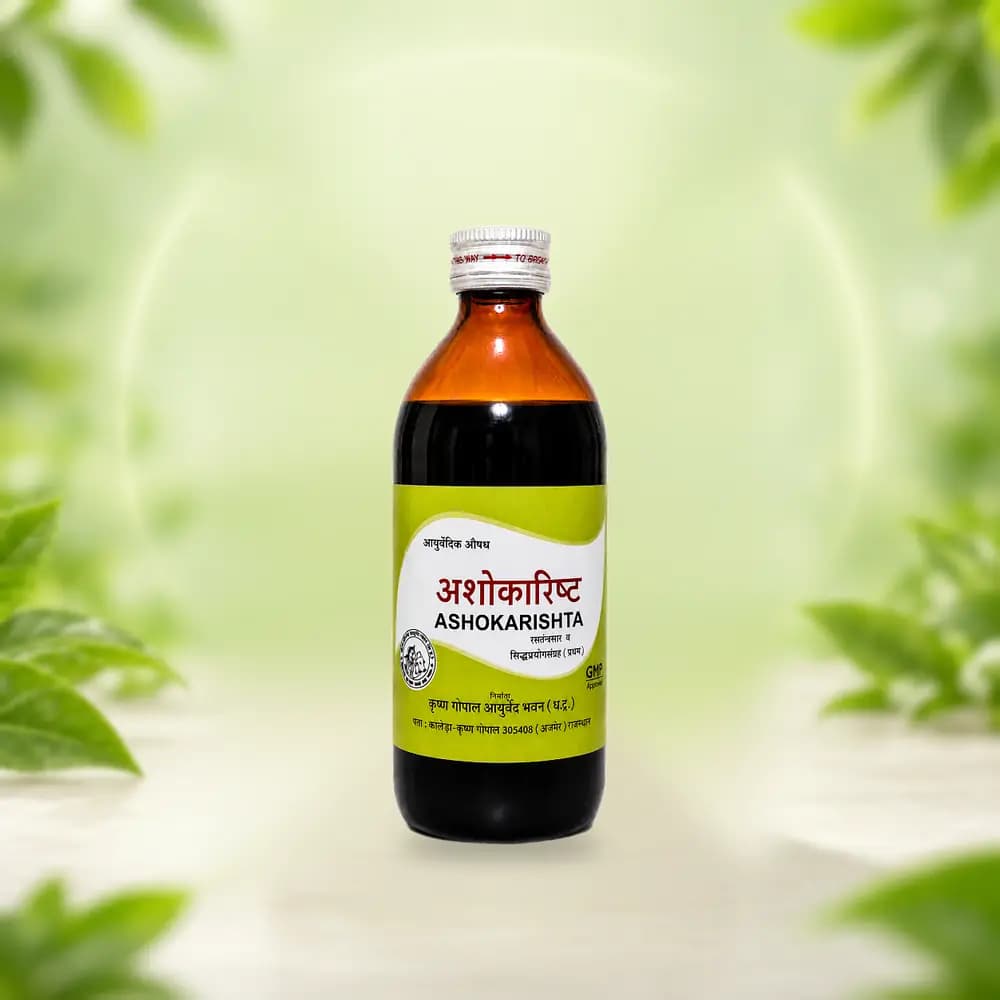
Ashokarishta (Kalera) Kalera
Menstrual regulator, uterine tonic
Bottle of 450 ml
4.3
₹130Get ₹13 Cashback