Sciatica
Reviewed by medical experts · For informational purposes only
Introductory summary
Sciatica correlates with the Ayurvedic condition Gridhrasi classified as a specific Vata disorder affecting the tendons and nerves. It is characterized by radiating pain starting from the buttocks and waist traveling down to the knee and foot often accompanied by stiffness and pricking sensations. The pathology involves aggravated Vata sometimes combined with Kapha obstructing the channels in the lower limbs. Management focuses on pacifying Vata through external therapies like Kati Vasti and Patra Pinda Sweda. Panchakarma treatments specifically Basti using castor oil are considered the most effective for expelling deep seated doshas. Internal medicines such as Guggulu and decoctions of Nirgundi are prescribed while para surgical measures like Siravyadha or bloodletting are recommended for immediate pain relief in severe cases.
Sciatica
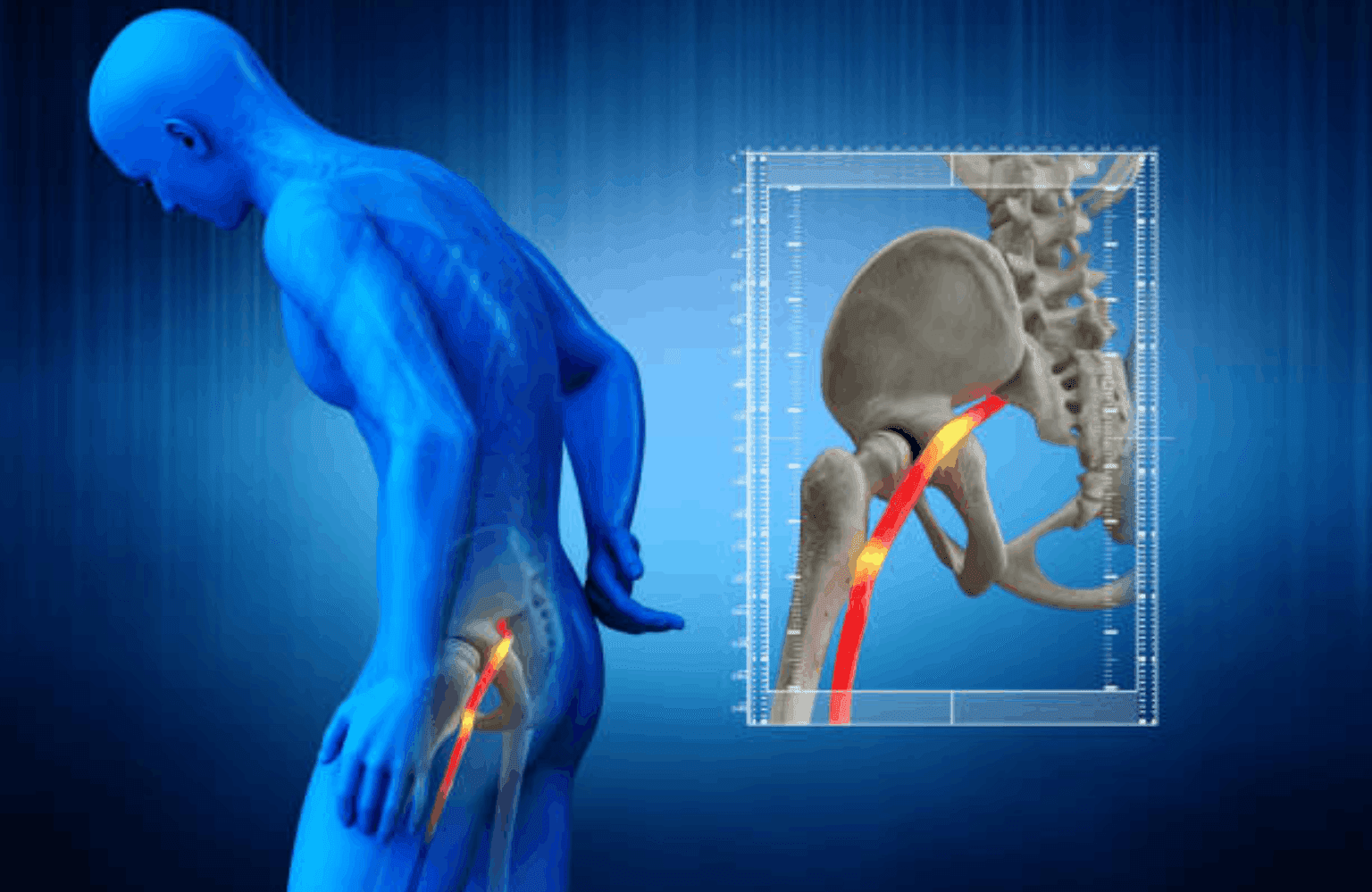
Sciatica, known in Ayurveda as Gridhrasi, is a painful neuromuscular condition characterized by severe pain radiating from the lower back down to the leg and foot. It is classified as one of the 80 types of Vata Vyadhi (diseases caused by the Vata dosha). The Ayurvedic texts describe it as a condition affecting the tendons and nerves, causing stiffness, pain, and sometimes tremors in the lower limbs.
1. Definition
Modern Definition: Sciatica refers to pain that radiates along the path of the sciatic nerve, which branches from the lower back through the hips and buttocks and down each leg.
Ayurvedic Definition: Gridhrasi is a specific Vata disorder where pain starts from the Sphik (buttocks/hip) and radiates sequentially through the Kati (waist/lower back), Prishtha (back), Uru (thigh), Janu (knee), Jangha (calf), and ends in the Pada (foot).
2. Etymology & Conceptual Meaning
- Literal Meaning: The term Gridhrasi is derived from the word for "Vulture" (Gridhra). It is often interpreted that the patient walks with a distinct limp, mimicking the gait of a vulture, or the pain is gnawing like a vulture's beak.
- Conceptual Interpretation in Ayurveda: It is a condition of Stambha (stiffness) and Ruk (pain) caused by the Vata dosha lodging in the channels of the legs. It is specifically listed as a distinct disease among the Nanatmaja Vata Vyadhi (diseases caused solely by Vata).
3. Causes (Nidana)
As a Vata Vyadhi, the causes of Sciatica generally overlap with factors that aggravate Vata.
- Dietary Causes: Consumption of dry, light, and cold foods; fasting; and irregular eating habits which increase Vata.
- Lifestyle Causes:
- Abhighata: Trauma or injury to the spine or hips.
- Bharavahana: Carrying heavy loads.
- Vishamachesta: Improper postures or physical activities.
- Excessive walking or sitting in uncomfortable positions.
- Psychological Factors: Excessive worry (Chinta) and grief (Shoka) are general aggravators of Vata.
4. Journey of the Disease (Pathogenesis/Samprapti)
- Samprapti Ghataka (Components):
- Dosha: Primarily Vata (specifically Vyana and Apana Vayu). Sometimes associated with Kapha.
- Dushya (Tissues): Kandara (Tendons), Sira (Nerves/Vessels), Mamsa (Muscle), and Asthi (Bone).
- Srotas (Channels): Raktavaha (Blood-carrying) and Majjavaha (Marrow/Nerve-carrying).
- Adhisthana (Site): Sphik (Buttocks) and Kati (Lower back).
- Pathogenesis: The aggravated Vata dosha accumulates in the hip and waist region. It affects the Kandara (tendons) and Sira (nerves) running down the leg, causing obstruction and severe radiating pain.
5. Symptoms (Lakshana)
The cardinal symptom is pain radiating from the buttocks to the foot.
- General Symptoms:
- Kapha-Associated Symptoms:
- If Kapha is involved (Vata-Kaphaja), the patient also experiences Tandra (drowsiness), Gaurava (heaviness in the leg), and Arochaka (loss of appetite).
6. Different Types or Classification (Bheda)
Ayurveda classifies Gridhrasi into two main types based on the Dosha involvement:
- Vataja Gridhrasi: Caused by Vata alone. Characterized by intense pain, severe stiffness, and throbbing.
- Vata-Kaphaja Gridhrasi: Caused by Vata and Kapha combined. Characterized by pain accompanied by heaviness, drowsiness, and a feeling of coldness.
7. Diagnosis
- Ayurvedic Diagnosis (Roga Pariksha):
- Differential Diagnosis:
- Urustambha: Stiffness of the thigh. Unlike Sciatica, Urustambha typically involves Ama and heaviness but lacks the intense, radiating neurological pain of Gridhrasi.
- Vatarakta: Gouty arthritis, which usually starts in the feet/toes with burning pain, unlike the hip-originating pain of Sciatica.
8. Disease Management
Management focuses on pacifying Vata through Snehana (Oleation), Swedana (Sudation), and Basti (Enema).
Medicines
- Shefali (Nirgundi): A decoction (Kwatha) of Shefali leaves is specifically mentioned to cure Gridhrasi.
- Eranda Taila (Castor Oil): Drinking castor oil mixed with cow's urine (Gomutra) is a potent remedy for severe Sciatica.
- Guggulu: Formulations like Rishna-adi Guggulu are prescribed.
- Rasna-Saptaka Kwatha: A decoction containing Rasna, Guduchi, and Eranda is effective for back and thigh pain.
Panchakarma (Therapies)
- Kati Vasti: A specialized procedure where warm medicated oil is retained on the lower back (lumbo-sacral area) using a dough ring. It is indicated for Lumbar Spondylosis, PIVD, and Gridhrasi.
- Basti (Enema): This is considered the most important treatment for Vata disorders.
- Erandadi Basti: Enema using castor oil and other Vata-pacifying drugs.
- Siravyadha (Venesection): Bloodletting is recommended for instant pain relief. The text advises cutting the vein located between the tendons at the knee or ankle.
- Agnikarma (Cauterization): Branding/cauterizing the little toe (Kanishthika) is a specific para-surgical treatment mentioned for Sciatica.
Lifestyle (Vihara)
- Swedana: Fomentation or sweating therapies are essential to remove stiffness.
- Avoidance of heavy lifting, cold exposure, and uncomfortable seating.
9. Prognosis
- Sadhya (Curable): Pure Vataja Gridhrasi is generally easier to treat than the combined type.
- Krichrasadhya (Difficult to Cure): Vata-Kaphaja Gridhrasi is more difficult due to the involvement of two Doshas. Chronic cases involving muscle wasting are also harder to treat.
10. Modern Correlations
- Sciatica: The radiating pain described in Gridhrasi is identical to Sciatica.
- Intervertebral Disc Prolapse (IVDP/PIVD): Kati Vasti is indicated for PIVD, linking the Ayurvedic management of back pain directly to disc herniation issues.
- Lumbar Spondylosis: Degenerative changes in the spine are treated under the same management protocols.
11. References
-
WHO – Low Back Pain (Sciatica included)
🔗 https://www.who.int/news-room/fact-sheets/detail/low-back-pain
WHO overview where sciatica is described as a major subtype. -
NHS – Sciatica
🔗 https://www.nhs.uk/conditions/sciatica/
Clear clinical explanation and treatment guidance.
-
Mayo Clinic – Sciatica
🔗 https://www.mayoclinic.org/diseases-conditions/sciatica/symptoms-causes/syc-20377435
Trusted medical resource on causes and management.
-
Cleveland Clinic – Sciatica
🔗 https://my.clevelandclinic.org/health/diseases/12792-sciatica
Patient-friendly and evidence-based overview.
-
NHP India – सायटिका
🔗 https://www.nhp.gov.in/disease/musculo-skeletal-bone-joints-/sciatica
Government of India health portal (Hindi + English).
-
AIIMS Health Education – सायटिका
🔗 https://aiims.edu/aiims/healthinfo/sciatica.htm
Simple Hindi explanation from a premier Indian institute.
12. FAQ Section
Q: What is the best Ayurvedic oil for Sciatica?
A: Castor Oil (Eranda Taila) is highly recommended. It can be used internally (drunk with milk or cow's urine) and externally for massage or Basti (enema) to relieve Vata and pain.
Q: Can Panchakarma cure Sciatica?
A: Yes, Panchakarma is very effective. Procedures like Kati Vasti (oil pooling on the back) and Basti (medicated enema) are specifically indicated for Gridhrasi to relieve pain and inflammation.
Q: What are the symptoms of Vata-Kapha Sciatica?
A: In addition to the typical radiating pain, the patient experiences drowsiness (Tandra), heaviness in the legs (Gaurava), and a lack of appetite (Arochaka).
Q: Is there a surgical alternative in Ayurveda for Sciatica?
A: Ayurveda describes Siravyadha (bloodletting from a vein near the knee/ankle) and Agnikarma (cauterization of the little toe) as para-surgical procedures to provide relief in severe cases.
Consult a Doctor
- MS4.2Midun s kumar
Ayurveda4 yrs exp
- SP4.5Dr Sreelekha P Nair
Ayurveda6 yrs exp
- VR4.2Vaidya Rohit Kumar
Ayurveda3 yrs exp
- V4.1Vairamuthu
Ayurveda8 yrs exp
Buy Medicine
 Prescribed to you4.7₹17 cashback
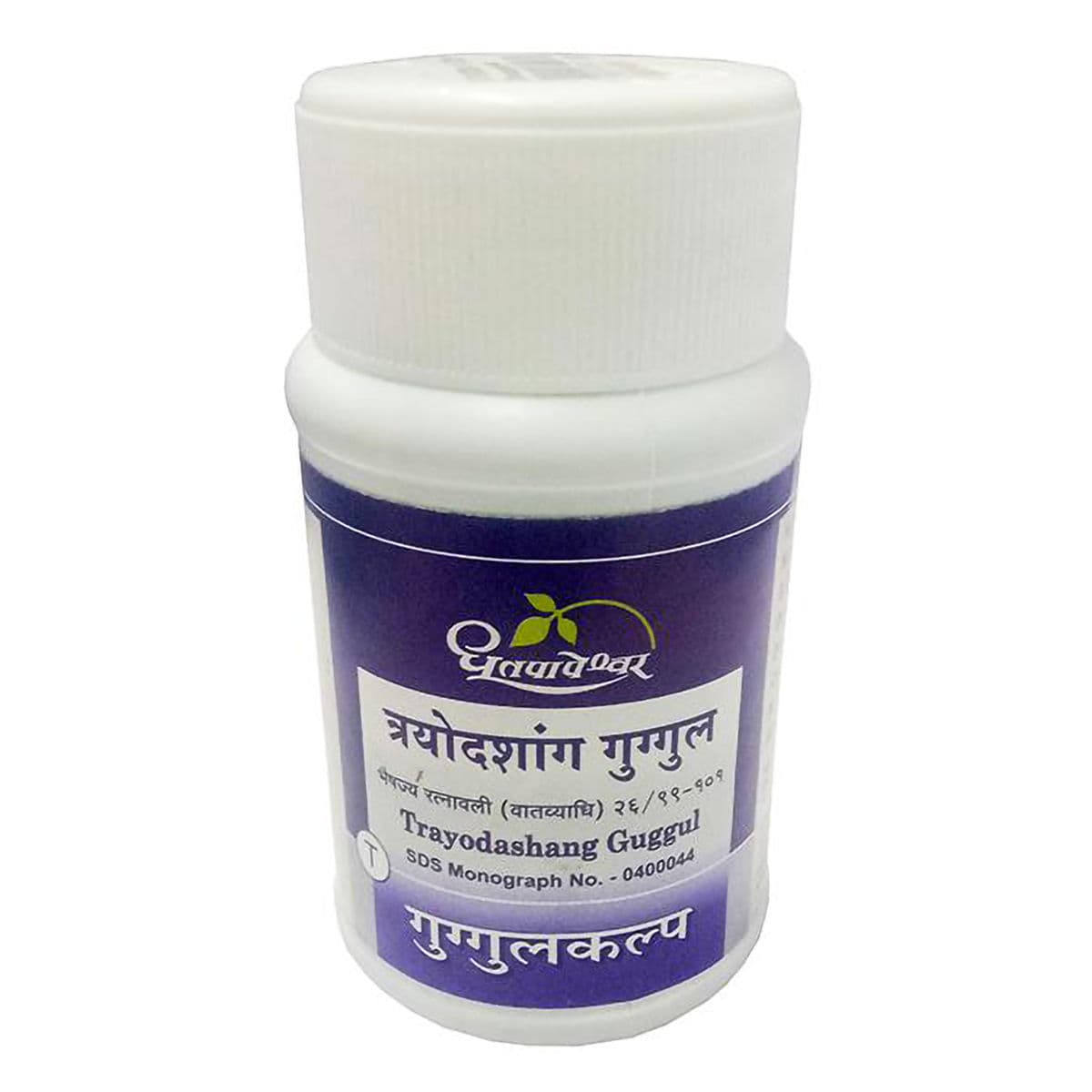
Trayodashang Guggul (Dhootapapeshwar) SDL
SDLVata disorder support
Strip of 60 Tablets
4.7
₹175Get ₹17 Cashback
 Prescribed to you4.5₹17 cashback
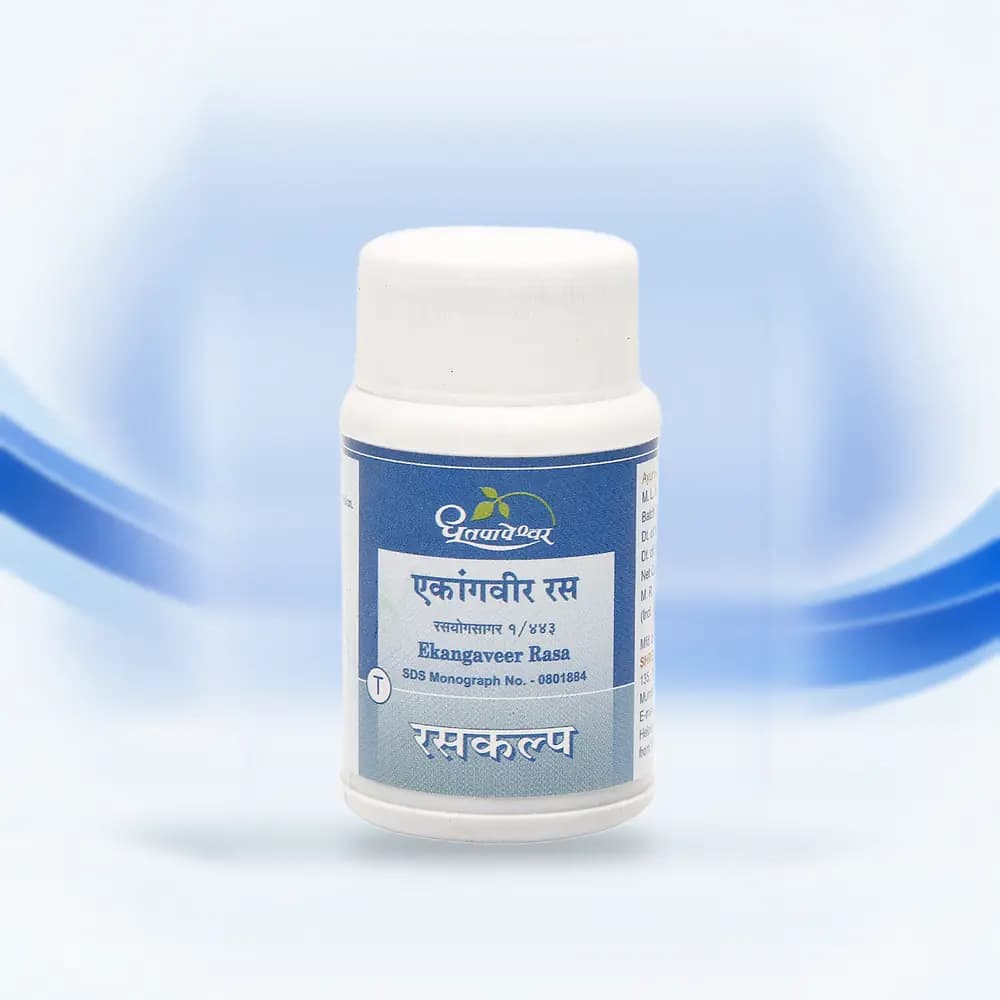
Ekangaveer Rasa (Dhootapapeshwar)SDLSupports Vata-related wellness
Strip of 30 Tablets
4.5
₹170Get ₹17 Cashback