
Asthma
Reviewed by medical experts · For informational purposes only
Introductory summary
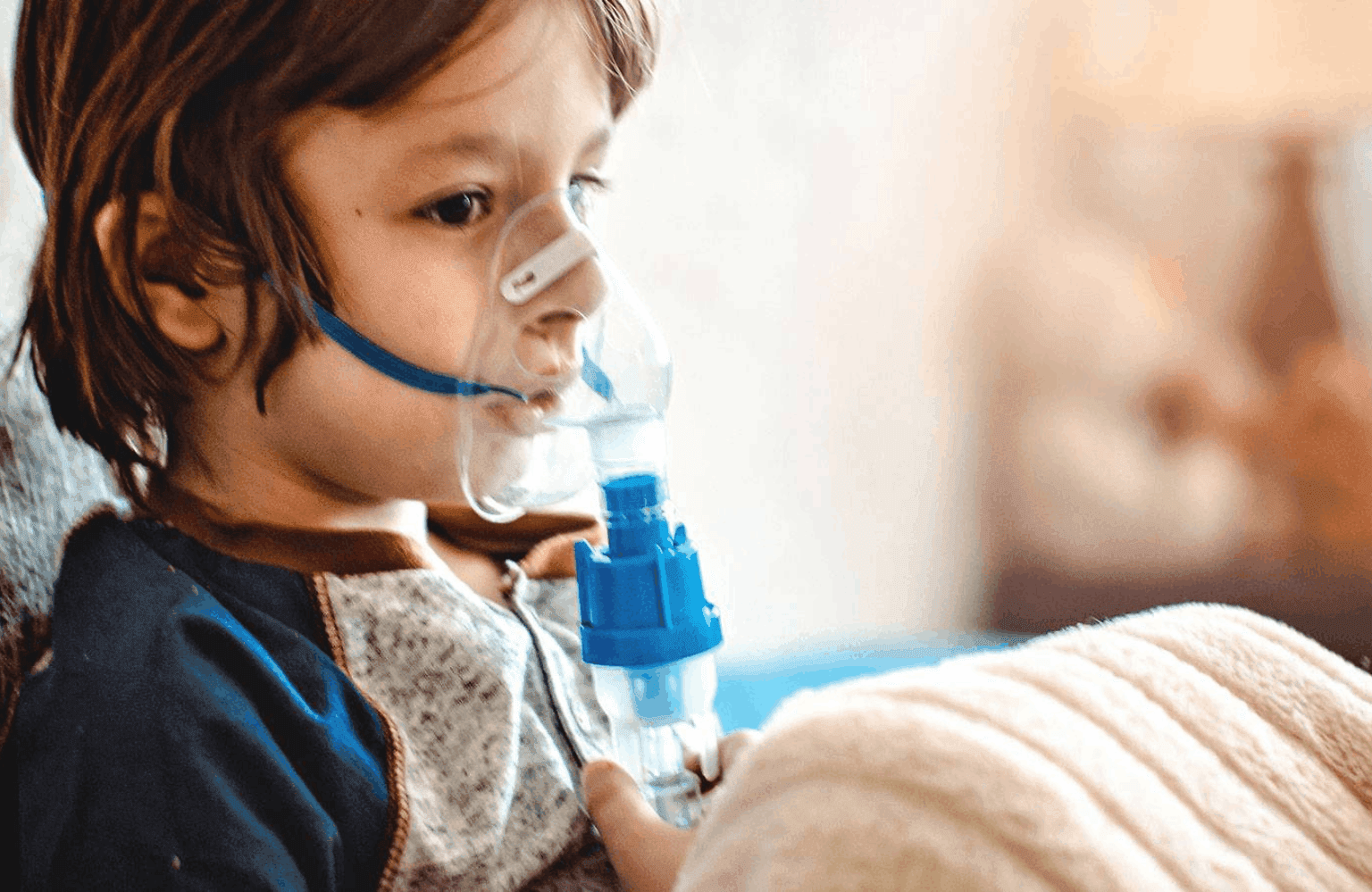
Asthma known as Tamaka Shwasa in Ayurveda is a chronic respiratory condition affecting the Pranavaha Srotas. It occurs when vitiated Vata dosha is obstructed by Kapha in the bronchial passages causing airway constriction. Symptoms include wheezing coughing and severe dyspnea that typically worsens at night during cloudy weather or when lying down while sitting brings relief. Causes involve exposure to dust smoke cold wind and digestive toxins known as Ama. Ayurvedic management focuses on clearing obstructions through Panchakarma therapies like Vamana or emesis and Virechana or purgation to expel excess Kapha. Internal treatments utilize heating and bronchodilator herbs such as Pushkaramula Kantakari and Dashamula to balance Vata and restore normal breathing.
Asthma
Asthma is a chronic inflammatory condition of the airways affecting the respiratory system. In Ayurveda, this condition falls under the category of Shwasa Roga (Respiratory diseases), specifically correlating with Tamaka Shwasa (Bronchial Asthma). It is characterized by difficulty in breathing, wheezing, and coughing, primarily caused by the vitiation of Vata and Kapha doshas obstructing the respiratory channels.
1. Definition
Ayurvedic Definition: Shwasa is defined as a condition where the Prana Vayu (vital breath) is obstructed in its upward movement. Tamaka Shwasa is a specific type of respiratory distress where the patient feels as if entering darkness (Tamas) due to the severity of breathlessness. It is classified as a disease of the Pranavaha Srotas (channels carrying vital breath).
2. Etymology & Conceptual Meaning
-
Literal Meaning:
-
Shwasa: Respiration or breath; colloquially used to denote difficult breathing or dyspnea.
-
Tamaka: Derived from the root Tamas, meaning darkness. It implies a condition where the patient feels fainting or "seeing darkness" due to oxygen deprivation or respiratory distress.
-
-
Conceptual Interpretation: Ayurveda views respiration as the function of Prana Vayu. In Asthma, the Vata dosha becomes aggravated and enters the respiratory channels. It grips the Kapha dosha, causing obstruction. This blockage forces the air to move violently, producing sound (Ghurghuruka - wheezing) and pain.
3. Causes (Nidana)
The causes of Asthma are multifactorial, involving diet, environment, and lifestyle errors that vitiate Pranavaha Srotas.
Dietary Causes
-
Kapha-Aggravating Foods: Consumption of heavy, cold, and unctuous foods that increase Kapha and block channels.
-
Dry and Rough Foods: Excessive intake of dry or rough foods that aggravate Vata.
-
Irregular Eating: Eating before the previous meal is digested (Adhyashana).
Lifestyle Causes
-
Physical Factors: Excessive physical exercise (Vyayama), carrying heavy loads, and walking long distances.
-
Suppression of Urges: Suppressing natural urges (Vegadharana), particularly of hunger or thirst.
-
Environmental Factors: Exposure to dust (Rajas), smoke (Dhuma), and cold wind (Vata). The condition is specifically aggravated by cloudy days, rain, and cold weather.
4. Journey of the Disease (Pathogenesis/Samprapti)
The disease progresses through the interaction of Vata and Kapha in the respiratory tract.
-
Samprapti Ghataka (Components):
-
Dosha: Primarily Vata (Prana Vayu) and Kapha.
-
Dushya (Tissues): Rasa (Nutrient plasma) and Prana (Vital breath).
-
Srotas (Channels): Pranavaha Srotas (Respiratory channels).
-
Adhisthana (Site): Originates in Amasaya (Stomach) but manifests in Uras (Chest).
-
Agni: Mandagni (Impaired digestive fire) leading to Ama formation.
-
-
Pathogenesis: The aggravated Vata dosha moves upward from the stomach. It agitates the Kapha located in the chest and respiratory tract. The Kapha obstructs the natural path of Prana Vayu. Due to this obstruction, the air moves sideways or in reverse, leading to the struggle for breath known as Shwasa.
5. Symptoms (Lakshana)
Early Symptoms (Purvarupa)
-
Pain in the heart region (Hrit-pida) and sides (Parshva-shula).
-
Distension of the abdomen (Anaha).
-
Metallic or abnormal taste in the mouth (Vaktra-vairasya).
Advanced Symptoms (Tamaka Shwasa)
-
Wheezing: Breathing accompanied by a whistling or rattling sound (Ghurghuruka).
-
Orthopnea: The patient finds no relief while lying down (Shayanam na labhate) but feels comfortable when sitting (Asino labhate saukhyam).
-
Cough: Frequent coughing; when the phlegm is expectorated, the patient feels momentary relief.
-
Distress: Fainting (Murcha), sweating on the forehead, and dryness of the mouth.
-
Aggravation: Symptoms worsen in cold, rainy, or cloudy weather.
6. Different Type or Classification (Bheda)
Ayurvedic texts classify Shwasa Roga into five types:
- Maha Shwasa: Heavy, loud breathing (often terminal).
- Urdhva Shwasa: Prolonged upward breathing (gasping).
- Chinna Shwasa: Interrupted or Cheyne-Stokes breathing.
- Tamaka Shwasa: Bronchial Asthma (The only type considered manageable/treatable in practice).
- Kshudra Shwasa: Minor breathlessness caused by exertion (subsides on rest).
Tamaka Shwasa is further sub-classified into Pratamaka (associated with fever/fainting) and Santamaka (relieved by cold things, Pitta dominant).
7. Diagnosis
-
Ayurvedic Diagnosis: Based on observation of breathing patterns (Darshana), listening for wheezing sounds (Shravana - implied by Ghurghuruka), and questioning (Prashna) about aggravating factors like cold weather or night-time worsening.
-
Differential Diagnosis: Distinguished from Hikka (Hiccup) and cardiac conditions. Key feature: relief when sitting.
8. Disease Management
Management focuses on removing obstruction (Sroto-shodhana) and balancing Vata and Kapha.
Diet (Ahara)
-
Recommended: Warm water, goat milk, old rice, and light foods.
-
Avoid: Heavy, cold, and curd preparations which increase Kapha.
Medicines (Aushadhi)
-
Dashamula: Decoction of ten roots to pacify Vata and Kapha.
-
Kantakari: Removes blockage in throat/chest; used in Kantakari Ghrita.
-
Pushkaramula: For chest pain and breathlessness.
-
Hinguvadi Churna: Treats shortness of breath and hiccups.
-
Kulattha (Horse Gram): Soup recommended for respiratory troubles.
Panchakarma
-
Vamana (Emesis): Expels Kapha from chest.
-
Virechana (Purgation): Redirects Vata downward.
-
Swedana (Fomentation): Steam therapy, particularly on chest, helps liquefy Kapha. Bashpa Sweda is specifically beneficial.
9. Prognosis
-
Kshudra Shwasa: Easily curable (Sadhya).
-
Tamaka Shwasa: Yapya (manageable) or Krichrasadhya (difficult to cure) in chronic or newly diagnosed cases.
-
Maha, Urdhva, Chinna Shwasa: Generally Asadhya (incurable), often terminal.
10. Modern Correlations
-
Similarities:
-
Tamaka Shwasa correlates with Bronchial Asthma.
-
Symptoms such as wheezing, orthopnea, and nocturnal aggravation match modern clinical descriptions.
-
Triggers like dust, smoke, and cold weather are recognized in both systems.
-
-
Differences: Modern medicine treats asthma primarily with anti-inflammatory drugs (corticosteroids) and bronchodilators. Ayurveda treats it as a systemic imbalance of digestion (Ama and Doshas), using bio-purification (Panchakarma) like vomiting (Vamana) to clear the lungs.
11. References
- World Health Organization (WHO) – Asthma Fact Sheet
Provides global-level facts, definition, prevalence, symptoms, causes, and treatment basics.
Use for: overview and epidemiology. (World Health Organization)
2. CDC (Centers for Disease Control and Prevention) – Asthma Overview
Covers symptoms, diagnosis, living with asthma, and data on asthma’s impact. (CDC)
- CDC – Controlling Asthma
Detailed resource on common asthma triggers and how to avoid them. (CDC)
- NHLBI (National Heart, Lung, and Blood Institute) – Asthma Guidelines
Includes fact sheets and management guidelines used by clinicians. (NHLBI, NIH)
- “Comprehensive Overview of Bronchial Asthma”
Research article focusing on etiology, pathogenesis, clinical features, and treatment strategies. (mjstjournal.com)
- Mayo Clinic – Asthma: Symptoms & Causes
Reliable patient‑oriented clinical information with references to medical literature (GINA guidelines, clinical reviews etc.). (Mayo Clinic)
12. FAQ Section
Q: Is Asthma curable in Ayurveda?
A: According to classical texts like Madhava Nidana, Tamaka Shwasa (Asthma) is generally considered Yapya (manageable) or difficult to cure (Krichra). While symptoms can be significantly controlled, the tendency may persist. Kshudra Shwasa (minor breathlessness) is curable.
Q: What is the best sleeping position for an asthma attack according to Ayurveda?
A: Ayurvedic texts state that patients with Tamaka Shwasa find no relief lying down (Shayanam na labhate) and feel comfortable only when sitting (Asino labhate saukhyam). Therefore, a sitting position is recommended during distress.
Q: Which Panchakarma treatments are used for Asthma?
A: Vamana (therapeutic vomiting) is used to expel Kapha from the chest. Virechana (purgation) is also specifically indicated for Tamaka Shwasa to clear the channels and normalize Vata movement.
Q: Does digestion affect Asthma?
A: Yes. Ayurveda links Shwasa to Amasaya (stomach) and the formation of Ama (toxins) due to indigestion. Adhyashana (eating before the previous meal is digested) is a cited cause.
Consult a Doctor
- MS4.2Midun s kumar
Ayurveda4 yrs exp
- SP4.5Dr Sreelekha P Nair
Ayurveda6 yrs exp
- VR4.2Vaidya Rohit Kumar
Ayurveda3 yrs exp
- V4.1Vairamuthu
Ayurveda8 yrs exp
Buy Medicine
 Prescribed to you4.4₹243 cashback
Kas Shwas Hari Rasa (Dhootapapeshwar) SDL
SDLSupports cough and breathing
Strip of 30 Tablets
4.4
₹2,431.02Get ₹243 Cashback
 Prescribed to you4.4₹40 cashback
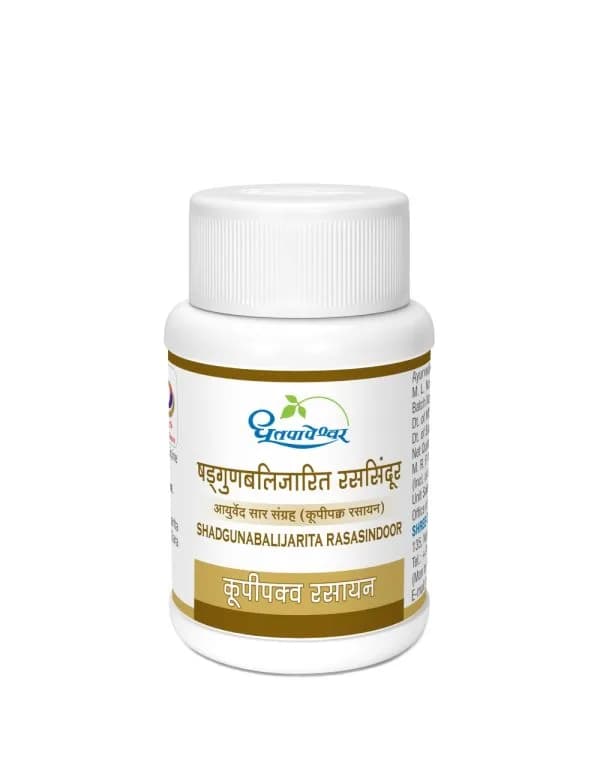
Shadgunabalijarita Rasasindoor (Dhootapapeshwar)SDLश्वसन स्वास्थ्य का सहारा
2 g
4.4
₹405Get ₹40 Cashback
 Prescribed to you4.6₹96 cashback
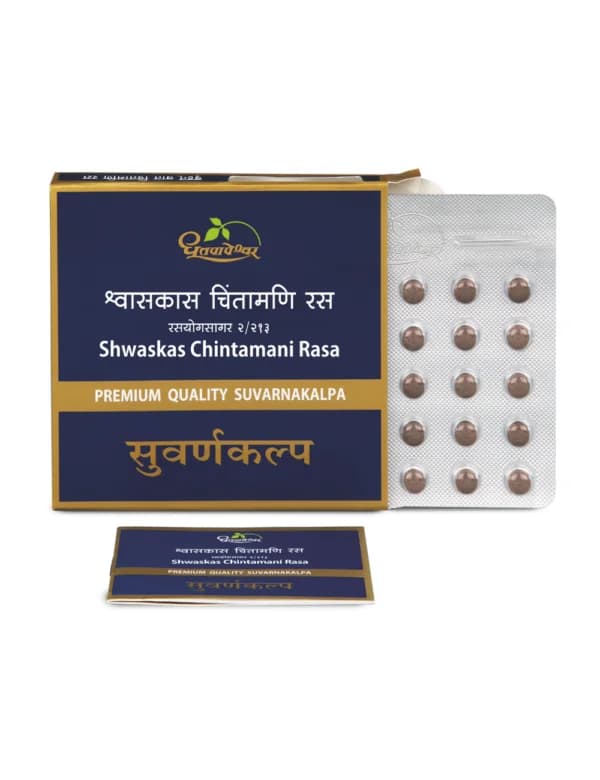
Shwaskas Chintamani Rasa (Dhootapapeshwar)SDLश्वसन स्वास्थ्य और पुनरावृत्ति
Strip of 10 Tablets
4.6
₹969.01Get ₹96 Cashback
