Hiccups
Reviewed by medical experts · For informational purposes only
Introductory summary
Hiccups known as Hikka in Ayurveda are attributed to the vitiation of Prana and Udana Vayu associated with Kapha obstructing the respiratory channels. This leads to an upward movement of wind producing the characteristic sound. Primary causes include the intake of dry heavy or incompatible foods cold drinks dust smoke and the suppression of natural urges. Ayurveda classifies Hikka into five types varying from mild food induced forms to severe life threatening conditions like Mahahikka. Management focuses on restoring the downward flow of Vata using warm and unctuous therapies such as chest fomentation and massage. Medicinal treatments involve licking honey mixed with Pippali powder or castor oil and using formulations like Eladi Gutika while sudden shock or breath retention techniques are also employed.
Hiccups
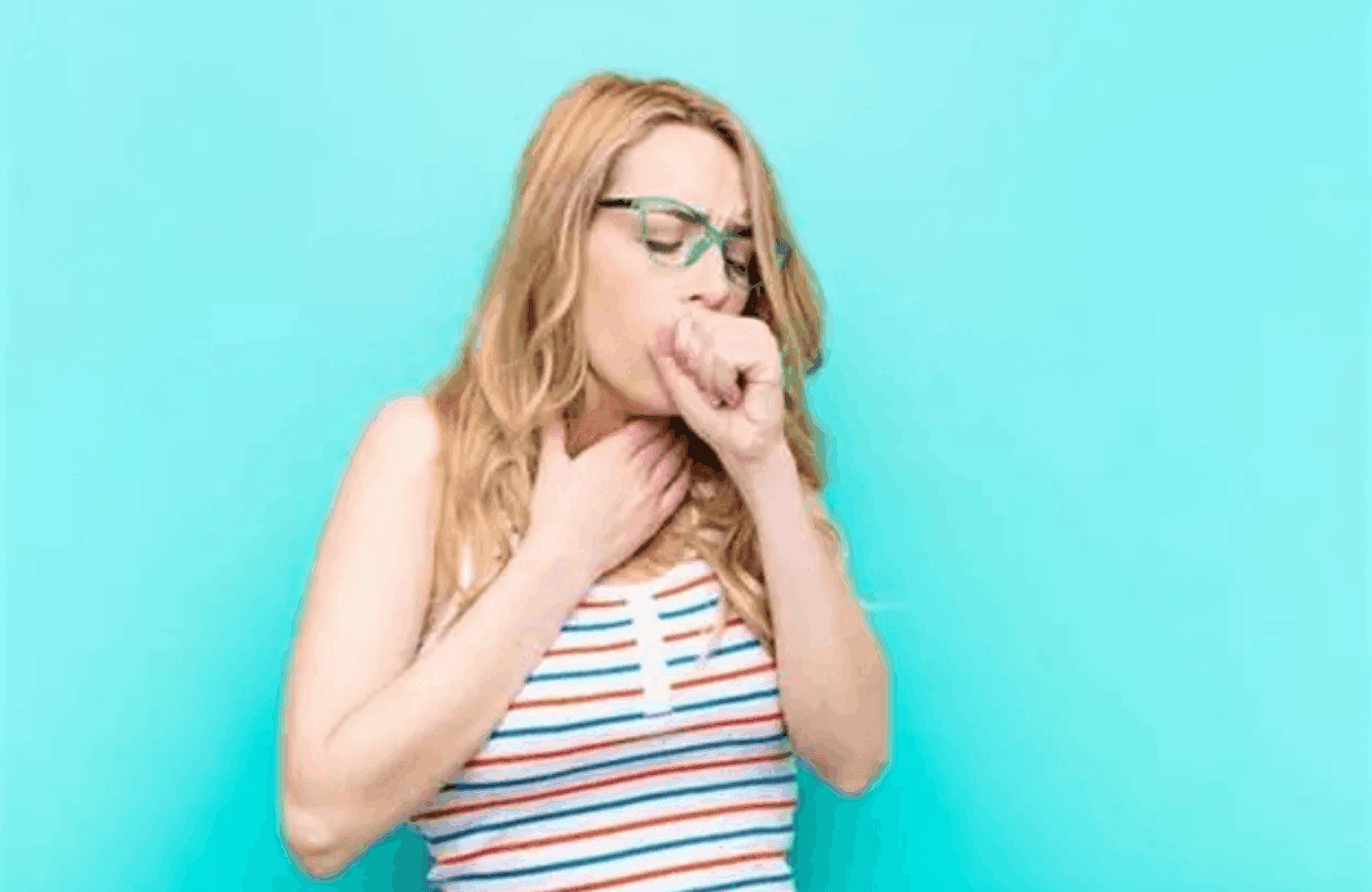
Hiccups are involuntary contractions of the diaphragm resulting in a sharp intake of breath that is suddenly stopped by the closure of the vocal cords. In Ayurveda, this condition is known as Hikka. It is classified as a disease of the Pranavaha Srotas (respiratory channels) and is caused primarily by the aggravation of Vata (wind) and Kapha (phlegm) doshas. While often mild and temporary, Ayurveda recognizes severe forms that can be life-threatening if associated with other chronic illnesses.
1. Definition
Modern Definition: A synchronous diaphragmatic flutter characterized by involuntary contraction of the diaphragm and intercostal muscles, followed by sudden closure of the glottis, producing the "hic" sound.
Ayurvedic Definition: Hikka is defined as a condition where the Vata Dosha moves upward forcefully, producing a sound resembling "Hic" from the mouth continuously. It is considered a severe disorder because it can obstruct the vital breath (Prana).
2. Etymology & Conceptual Meaning
- Literal Meaning: The term Hikka is onomatopoeic; the condition is named after the sound "Hic" that the patient makes repeatedly during the episode.
- Conceptual Interpretation: It is viewed as an upward movement (Urdhvagata) of the vital wind. The Udana and Prana Vayu get obstructed by Kapha and move upward instead of their normal downward or circulating paths, striking the vocal cords and producing the sound.
3. Causes (Nidana)
Ayurvedic texts like Madhava Nidana and Charaka Samhita attribute Hikka to specific dietary and lifestyle triggers that aggravate Vata and Kapha.
- Dietary Causes:
- Consumption of Vidahi (burning/corrosive), Guru (heavy), and Ruksha (dry) foods.
- Intake of cold drinks or excessive water.
- Eating too quickly or overeating (Adhyashana).
- Consuming incompatible food combinations (Viruddha Ahara).
- Lifestyle Causes:
- Exposure to dust (Raja), smoke (Dhuma), and strong winds.
- Excessive physical exercise (Vyayama) or walking long distances.
- Vegadharana: Suppression of natural urges (like sneezing or flatulence).
- Fasting or excessive starvation.
- Secondary Causes: Hikka often arises as a complication (Upadrava) of other diseases like fever, vomiting, and cachexia.
4. Journey of the Disease (Pathogenesis/Samprapti)
- Samprapti Ghataka (Components):
- Dosha: Vata (specifically Prana and Udana) and Kapha.
- Dushya (Tissues): Rasa (Plasma) and Prana (Vital breath).
- Srotas (Channels): Pranavaha (Respiratory) and Annavaha (Digestive) srotas.
- Adhisthana (Site): The origin is often traced to the Yakrit (Liver), Pliha (Spleen), and Antra (Intestines), moving upward to the throat.
- Pathogenesis:
- Due to causative factors, Vata becomes aggravated.
- It enters the channels of the liver (Yakrit), spleen (Pliha), and intestines (Antra).
- The Vata pushes upward, carrying Kapha along with it.
- This obstructed wind strikes the throat and vital passages with force.
- The collision produces the characteristic sound of Hikka.
5. Symptoms (Lakshana)
- Early Symptoms (Purvarupa):
- A feeling of astringent taste in the mouth (Mukha-Vairasya).
- Heaviness in the throat and chest (Kanthauraso-Gurutvam).
- Gurgling sounds in the abdomen (Kukshi-Atopa).
- General Symptoms:
6. Different Types or Classification (Bheda)
Classical texts classify Hikka into five types based on severity and cause:
- Annaja Hikka (Food-born): Caused by sudden eating of dry/hard food or drinking cold water. It is mild and subsides with drinking water or digestion.
- Yamala Hikka (Double/Dual): Characterized by double impulses (two hics at a time). Associated with tremors of the head and neck. It takes a long time to manifest and subside.
- Kshudra Hikka (Minor): Originates from the base of the shoulders (Jatru-mula). The jerks are mild, and it does not cause much distress to the vital organs. It is easily curable.
- Gambhira Hikka (Deep): Originates from the navel (Nabhi) with a deep, resonating sound. It is accompanied by severe pain and is considered difficult to treat.
- Mahahikka (Major): The most severe form. It causes constant, violent jerks affecting the entire body, blocking vital channels. It is often a sign of terminal illness.
7. Diagnosis
- Ayurvedic Diagnosis:
- Observation: The physician observes the frequency, sound intensity, and origin of the jerk (throat vs. navel).
- Prognostic Signs: If the patient has a fixed upward gaze, emaciation, and excessive sneezing along with hiccups, the prognosis is poor.
- Differential Diagnosis: Differentiating between mild Annaja (due to spicy food) and pathological Gambhira (due to organ failure).
8. Disease Management
Treatment aims to pacify Vata and Kapha and restore the downward movement of Vata (Anulomana).
Diet (Ahara)
- Beneficial: Warm, unctuous (oily), and light foods. Gruels made with Pippali (Long pepper) and ghee are recommended.
- Avoid: Dry, cold, and heavy foods. Avoid black gram (Masha) and excessive alcohol.
Medicines
- Mayurapiccha Bhasma: Ash of peacock feather mixed with honey and ghee is a classical remedy mentioned in Chakradatta for curing hiccup and vomiting.
- Eladi Gutika: A pill containing Cardamom (Ela), Pippali, and sugar, indicated for Hikka, asthma, and vomiting.
- Ashwagandhadi Lehya: A herbal jam used for strengthening the respiratory system and treating hiccups.
- Kalyanaka Guda: A formulation useful for hiccups, cough, and asthma.
- Linctus (Leha): Licking a mixture of Honey and Castor Oil or Honey and Pippali powder is effective.
Lifestyle & Procedures (Vihara & Panchakarma)
- Pranayama: Holding the breath (Kumbhaka) helps stop the spasm.
- Nasya: Administering nasal drops of human milk mixed with red sandalwood (Rakta Chandana) or saffron is prescribed for severe hiccups.
- Scaring (Vismapana): Creating sudden fear, surprise, or bewilderment is a recognized non-drug therapy (Upaya) to shock the Vata back to normalcy.
- Fomentation (Swedana): Applying heat to the chest and neck to loosen Kapha.
9. Prognosis
- Sadhya (Curable): Annaja and Kshudra Hikka are easily curable with simple measures.
- Krichrasadhya (Difficult): Yamala and Gambhira Hikka are difficult to treat and require strong intervention.
- Asadhya (Incurable): Mahahikka is considered incurable, especially in emaciated patients or those with chronic accumulation of doshas. If hiccups occur in a patient with severe accumulation of Ama or excessive stretching of the body, it may be fatal.
10. Modern Correlations
- Diaphragmatic Spasm: Correlates with the mechanical description of Hikka.
- Gastric Distension: Correlates with Annaja Hikka (caused by overeating).
- Uremia/Systemic Failure: Chronic, intractable hiccups (Mahahikka) are often seen in modern medicine as a sign of renal failure or terminal stages of disease, matching the Ayurvedic view of it being a fatal sign.
11. References
-
National Institutes of Health (NIH) – Hiccups
https://www.nidcd.nih.gov/health/hiccups
-
Mayo Clinic – Hiccups
https://www.mayoclinic.org/symptoms/hiccups/basics/definition/sym-20050971
-
StatPearls (NCBI Bookshelf) – Hiccups
https://www.ncbi.nlm.nih.gov/books/NBK536918/
-
National Health Portal of India – हिचकी (Hiccups)
https://www.nhp.gov.in/symptoms/hiccups
-
Ministry of Health & Family Welfare, Government of India – सामान्य स्वास्थ्य लक्षण
https://www.mohfw.gov.in/
12. FAQ Section
Q: What is the best home remedy for hiccups according to Ayurveda?
A: A simple remedy mentioned in Chakradatta is licking Honey mixed with Castor Oil or Honey with Pippali (Long pepper) powder. This helps pacify the Vata and Kapha doshas causing the spasm.
Q: Can hiccups be dangerous?
A: Yes. While food-related hiccups (Annaja) are harmless, Ayurveda describes Mahahikka (Major Hiccup) and Gambhira Hikka (Deep Hiccup) as serious conditions. If hiccups are continuous, violent, and accompanied by weakness or fixed gaze, they require immediate medical attention.
Q: Why does Ayurveda suggest scaring someone to stop hiccups?
A: Ayurveda lists Vismapana (creating surprise) or Bhishana (scaring) as a "non-material therapy" (Upaya). Sudden shock or fear can disrupt the Vata blockage and reset the breath rhythm, effectively stopping the hiccups.
Q: What foods should I avoid if I have frequent hiccups?
A: One should avoid dry (Ruksha), heavy (Guru), and burning (Vidahi) foods. Cold drinks and exposure to dust and smoke should also be avoided as they aggravate Prana Vayu.
Q: Is there a specific herb for hiccups?
A: Yes. Puskaramula (Inula racemosa) and Karkatasrngi (Pistacia integerrima) are specifically listed in Charaka Samhita under the "Hikka-nigraha" (Anti-hiccup) group of herbs. Mayurapiccha Bhasma (Peacock feather ash) is also a classic specific remedy.
Consult a Doctor
- MS4.2Midun s kumar
Ayurveda4 yrs exp
- SP4.5Dr Sreelekha P Nair
Ayurveda6 yrs exp
- VR4.2Vaidya Rohit Kumar
Ayurveda3 yrs exp
- V4.1Vairamuthu
Ayurveda8 yrs exp
Buy Medicine
 Prescribed to you4.3₹12 cashback
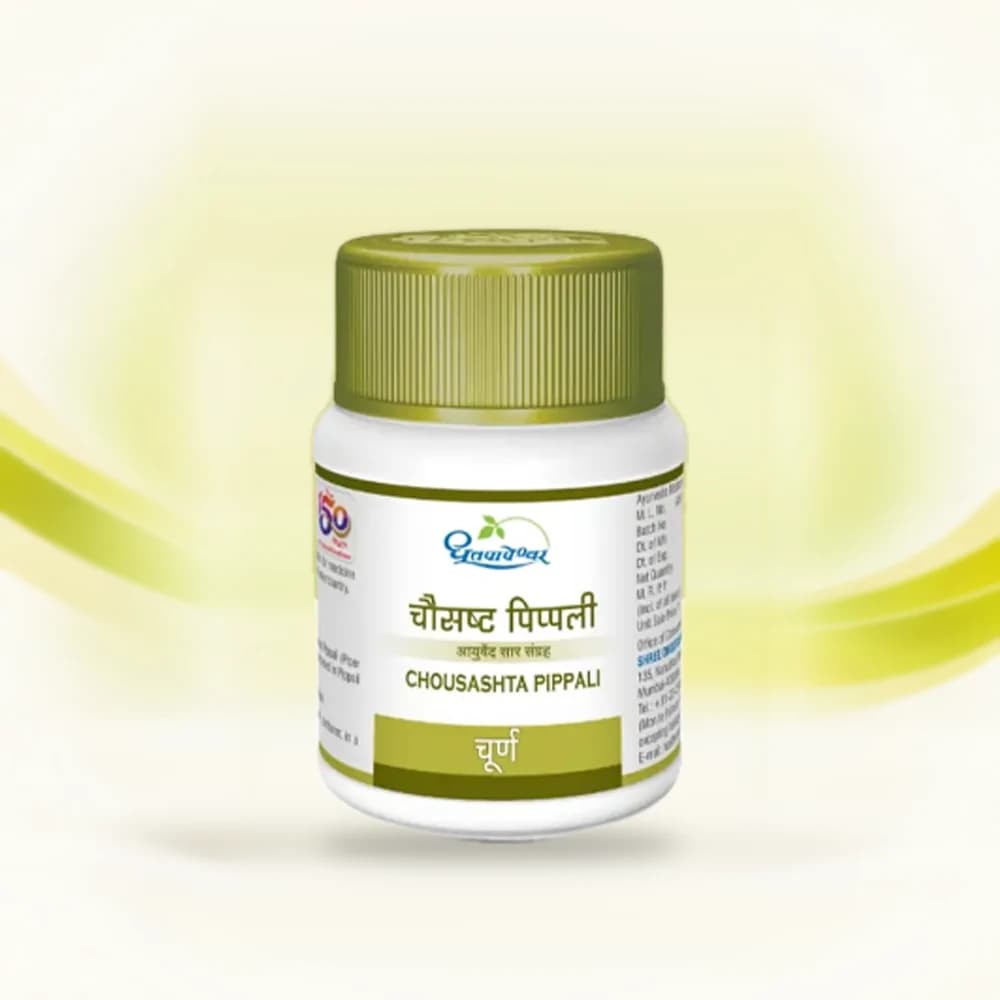
Chousashta Pippali (Dhootapapeshwar) SDL
SDLSupports respiratory strength
Container of 10 g
4.3
₹120Get ₹12 Cashback