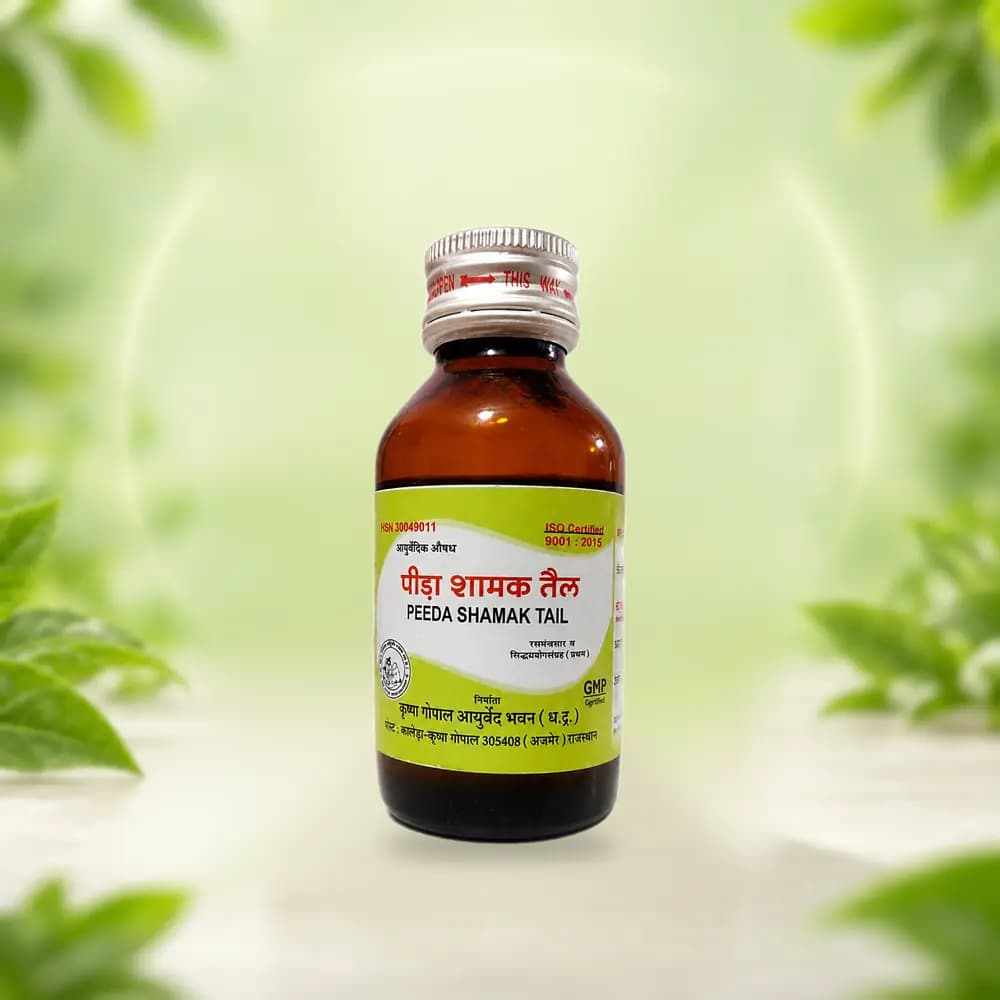
Knee pain
Reviewed by medical experts · For informational purposes only
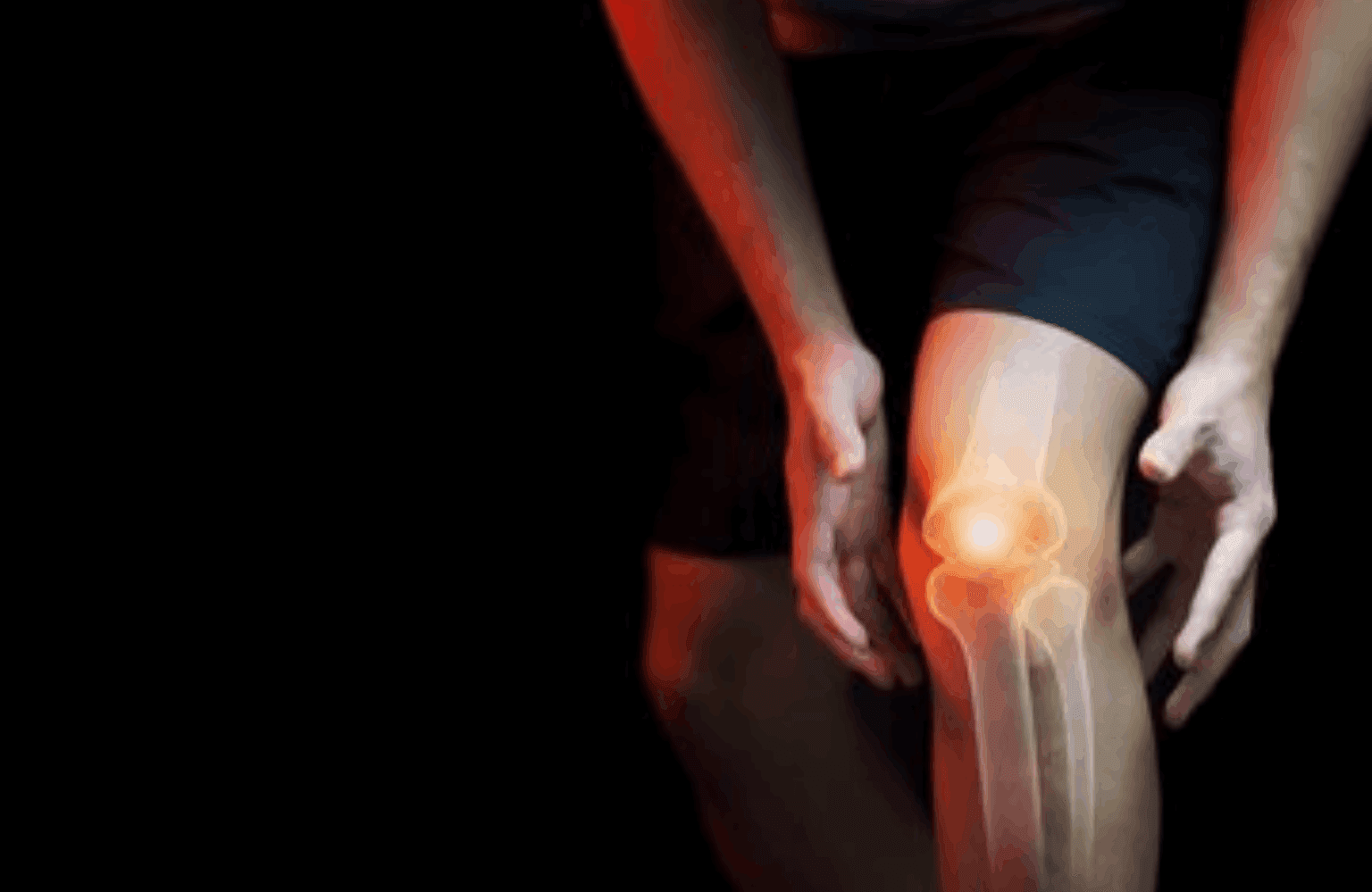
Introductory summary
Knee pain in Ayurveda is primarily correlated with **Janu Sandhigata Vata** (Osteoarthritis) or **Amavata** (Rheumatoid Arthritis),. It manifests when aggravated **Vata dosha** lodges in the knee joints, causing symptoms like tearing pain, stiffness, and restricted movement. Common causes include aging, trauma, and excessive physical exertion. Management emphasizes **Snehana** (oleation) and **Swedana** (fomentation) to pacify Vata and restore lubrication. Specialized therapies such as **Patra Pinda Sweda** (medicinal leaf bolus steam) are specifically indicated to reduce swelling and pain in *Sandhivata*,. Additionally, **Abhyanga** (massage) with medicated oils like **Mahanarayana Taila** helps strengthen the joints and improve mobility,.
Knee Pain
Knee Pain is a common complaint across all ages, especially in the elderly. In Ayurveda, it is viewed as a symptom arising from various joint conditions affecting the Janu (knee). The most common correlation is Janu Sandhigata Vata, similar to Osteoarthritis. Another condition is Krostuka Shirsha, an inflammatory knee disorder where swelling resembles the head of a jackal.
1. Definition
Modern Definition: Discomfort in or around the knee joint, often caused by wear and tear (osteoarthritis), inflammation (arthritis), or injury.
Ayurvedic Definition:
- Janu Sandhigata Vata: Vata lodges in the knee joint (Sandhi), drying lubricating Kapha, causing pain (Shula) and movement difficulty.
- Krostuka Shirsha: Vata-Rakta disorder with severe swelling resembling a jackal’s head (Krostu).
2. Etymology & Conceptual Meaning
- Janu: Knee
- Sandhigata: Located in the joint (Sandhi = Joint, Gata = Gone to)
- Vata: Wind element / movement
Conceptual Interpretation: Loss of Shleshaka Kapha (joint lubrication) due to aggravated Vata, causing friction, crepitus, and pain.
3. Causes (Nidana)
- Dietary: Dry (Ruksha), light (Laghu), cold (Sheeta) foods aggravate Vata
- Lifestyle:
- Ativyayama: Excessive exertion
- Abhighata: Trauma
- Vegadharana: Suppression of natural urges
- Physiological: Aging (Vardhakya) increases Vata, leading to Dhatukshaya (tissue degeneration)
4. Pathogenesis (Samprapti)
- Components:
- Dosha: Vata (Vyana Vayu)
- Dushya: Asthi (bone), Majja (marrow), Snayu (ligaments), Rakta (blood in Krostuka Shirsha)
- Adhisthana: Janu Sandhi
- Vata lodges in the joint, dries Shleshaka Kapha, causing pain, stiffness, and degeneration. Amavata involves accumulation of Ama causing stiffness and swelling.
5. Symptoms (Lakshana)
- Janu Sandhigata Vata (Osteoarthritis):
- Krostuka Shirsha: Severe swelling resembling a jackal’s head, pain from Vata-Rakta involvement
6. Classification (Bheda)
- Sandhigata Vata: Degenerative, dry, crepitus
- Amavata: Toxin-related, stiffness-heavy
- Krostuka Shirsha: Acute inflammatory swelling
- Abhighataja: Trauma-induced
7. Diagnosis
- Roga Pariksha:
- Darshana: Observe swelling
- Sparshana: Palpate crepitus / air-filled sensation
- Prashna: Pain on movement
- Differential Diagnosis: Amavata (stiffness) vs Sandhigata Vata (crepitus/pain dominant)
8. Disease Management
Medicines
- Guggulu Preparations: Yogaraja Guggulu for joint pain
- Oils (Taila): Mahanarayana Taila for Vata disorders
- Krostuka Shirsha: Guduchi, Triphala
Panchakarma
- Janu Basti: Medicated oil retention in knee
- Patra Pinda Sweda: Fomentation with leaves
- Upanaha (Poultice): Herbal paste for localized Vata
- Raktamokshana: Bloodletting for Krostuka Shirsha
Diet
- Recommended: Warm, unctuous foods; garlic, ginger, sesame oil
- Avoid: Dry grains, cold foods, suppressing urges
9. Prognosis
- Yapya (Manageable): Sandhigata Vata in elderly
- Sadhya (Curable): Early-stage or minor trauma-induced pain
- Kashtasadhya (Difficult): Chronic Amavata / Krostuka Shirsha
10. Modern Correlations
- Janu Sandhigata Vata = Osteoarthritis (OA)
- Amavata = Rheumatoid Arthritis (RA)
- Krostuka Shirsha = Synovitis / Gouty Arthritis
11. References
Mayo Clinic – Knee Pain (Symptoms & Causes)
Detailed overview of what knee pain is, common causes (injuries, arthritis, mechanical problems), symptoms (swelling, instability, stiffness), and when to see a doctor.
https://www.mayoclinic.org/diseases-conditions/knee-pain/symptoms-causes/syc-20350849 (Mayo Clinic)
Mayo Clinic – Knee Pain (Diagnosis & Treatment)
Information on how knee pain is evaluated and treated, including self‑care (rest, ice, heat), physical therapy, braces, and injectable options.
https://www.mayoclinic.org/diseases-conditions/knee-pain/diagnosis-treatment/drc-20350855 (Mayo Clinic)
WebMD – Knee Pain Overview
Helpful explanation of knee pain management tips (RICE method: Rest, Ice, Compression, Elevation), OTC pain relievers, and joint care strategies.
https://www.webmd.com/pain-management/knee-pain/knee-pain-overview (WebMD)
TimesXP Hindi – घुटने के दर्द के सामान्य कारण
Hindi explanation of common knee pain problems and causes.
Search/Watch here: Knee pain: घुटने के दर्द के ये हैं कॉमन कारण… (TimesXP Hindi)
NDTV Hindi – Knee Pain Home Remedies (घुटने में दर्द के घरेलू उपाय)
Hindi article with simple, natural ways to relieve knee pain at home.
https://ndtv.in/lifestyle/knee-pain-home-remedies-and-how-to-get-rid-of-joint-pain-ghutne-ke-dard-ke-gharelu-upay-5865750 (NDTV India)
1mg Hindi – Knee Pain Guide (घुटनों का दर्द)
Hindi article about causes, conditions (arthritis, gout), and home remedies.
https://www.1mg.com/hi/patanjali/home-remedies-for-knee-pain/ (1mg)
12. FAQ Section
Q: What is Janu Basti?
A: Janu Basti is a localized treatment where warm medicated oil is retained on the knee joint for a specific period using a dam made of dough. It is highly effective for osteoarthritis and stiff knees.
Q: Why does my knee make a cracking sound according to Ayurveda?
A: Ayurveda attributes the cracking sound (Atopa) to the accumulation of Vata (air) in the joint, which implies a loss of lubricating fluid (Kapha).
Q: Can Ayurveda treat swollen knees?
A: Yes. If the swelling is "air-filled" (Vata), oil treatments are used. If the swelling is severe and resembles a "jackal's head" (Krostuka Shirsha), therapies like bloodletting or bitter herbs (Guduchi) are used,.
Q: Is exercise recommended for knee pain?
A: While mild movement is good, Ativyayama (excessive exertion) is listed as a cause of Vata aggravation. Therefore, gentle exercise is advised, but over-exertion should be avoided.
Consult a Doctor
- DS4.2Deeksha sharma
Ayurveda4 yrs exp
- MS4.2Midun s kumar
Ayurveda4 yrs exp
- DR4.3Dr.Prajwal Raj Biradar
Ayurveda1 yrs exp
- BY4.3Bapodara yash kanabhai
Ayurveda3 yrs exp
Buy Medicine
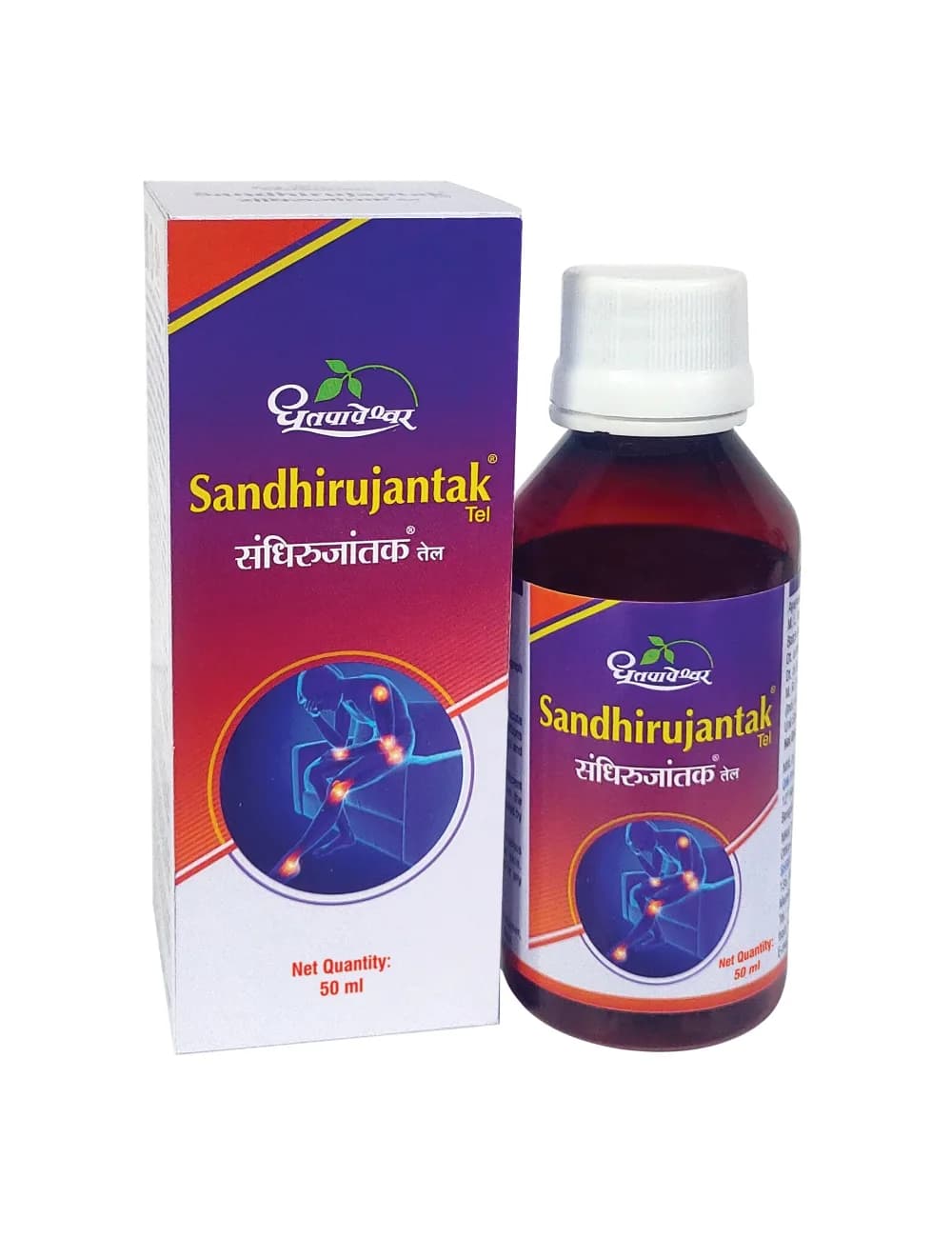 Prescribed to you4.6₹17 cashback
Sandhirujantak Tel (Dhootapapeshwar) SDL
SDLस्थानीय मांसपेशी-दर्द में राहत
Bottle of 50 ml
4.6
₹175Get ₹17 Cashback
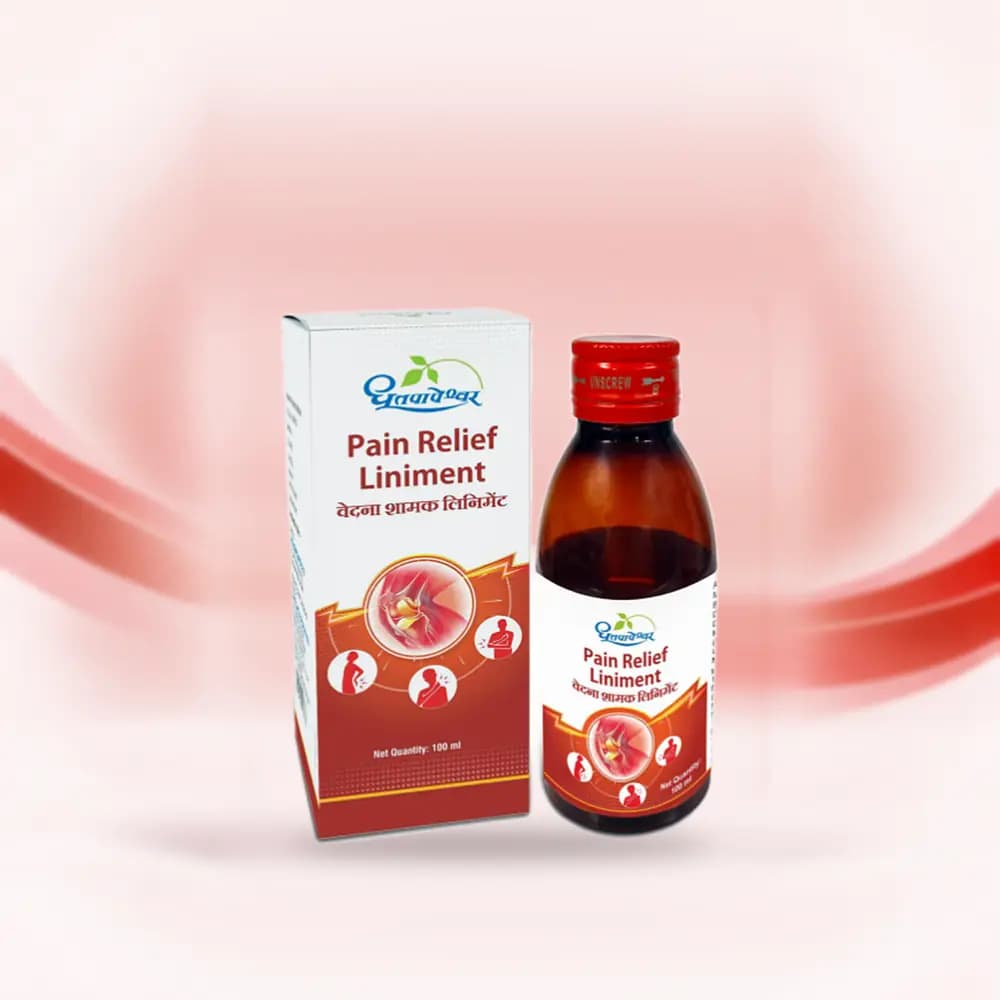 Prescribed to you4.7₹14 cashback
Dhootapapeshwar Pain Relief Liniment (Dhootapapeshwar)SDLTopical relief for pain
Bottle of 50 ml
4.7
₹140Get ₹14 Cashback