Giloy
Reviewed by medical experts · For informational purposes only
Introductory summary
Giloy scientifically known as Tinospora cordifolia is a revered Ayurvedic climber often called Amrita or Nectar. Primarily using the stem it acts as a powerful rejuvenator known as Rasayana and strength promoter known as Balya. According to the Ayurvedic Pharmacopoeia of India it possesses Bitter and Astringent tastes with Light quality and Hot potency yet has a unique Sweet post digestive effect allowing it to balance all three doshas particularly Pitta and Kapha. It is the premier herb for treating various fevers including chronic and intermittent types. Clinically it is indicated for skin diseases gout jaundice anemia and diabetes due to its blood purifying properties. The recommended dosage is 3 to 6 grams of powder or 20 to 30 grams for decoction.
Giloy
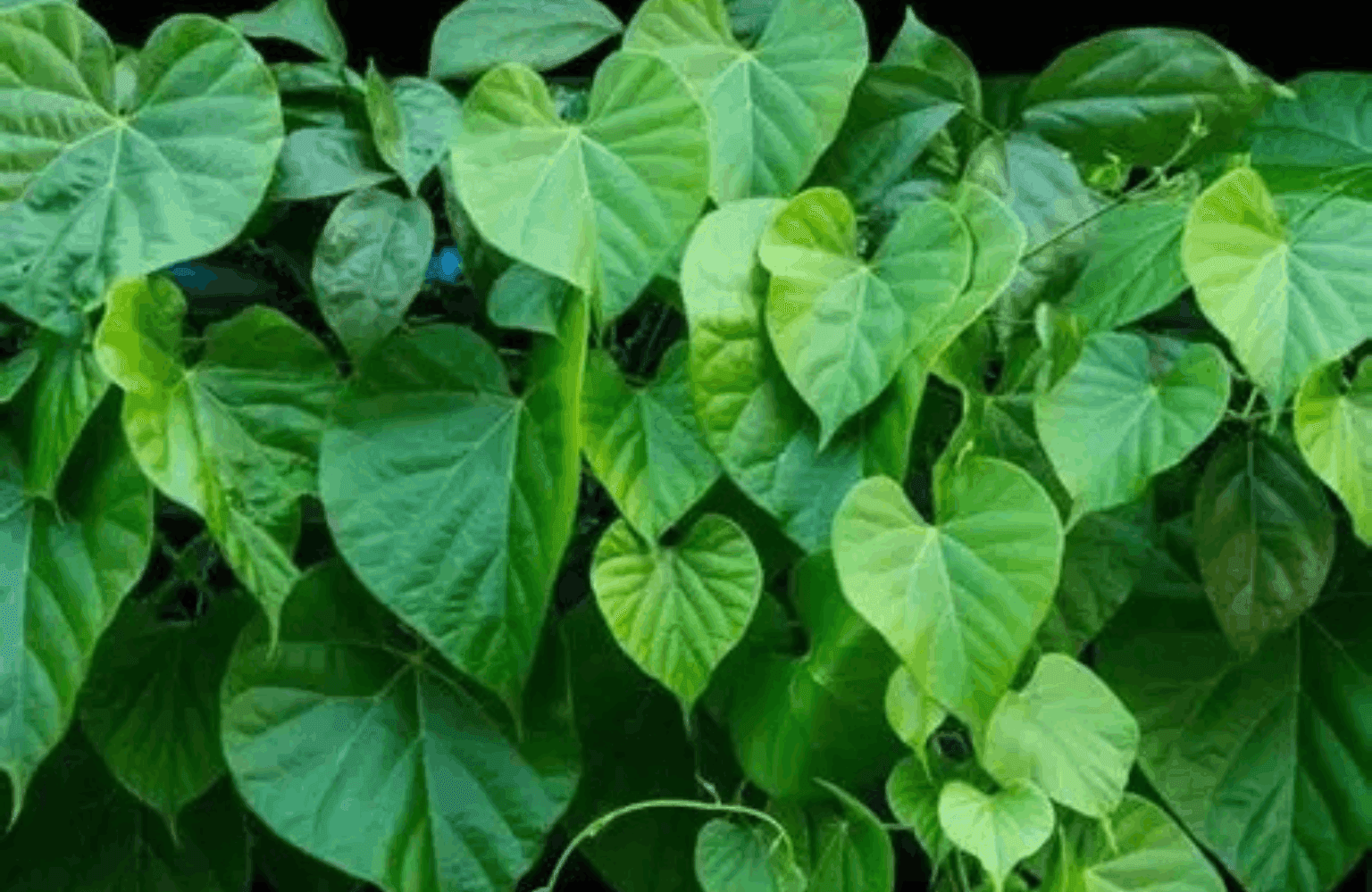
Giloy, scientifically known as Tinospora cordifolia, is a celebrated herb in Ayurveda, often referred to as Amṛtā (Nectar) due to its ability to impart longevity and vitality. It is a perennial climber with succulent stems and heart-shaped leaves. In Ayurveda, it is classified as a powerful Rasāyana (rejuvenator) and Tridoṣaśāmaka (balancer of all three doshas). It is highly valued for its immunomodulatory, anti-pyretic (fever-reducing), and blood-purifying properties.
1. Name of the Herb
- Common Name: Giloy, Heart-leaved Moonseed.
- Scientific Name: Tinospora cordifolia (Willd.) Miers.
- Sanskrit Names: Guḍūcī, Amṛtā, Madhuparṇī, Chinnobhavā, Amṛtavallī.
- Regional Names: Giloe (Hindi), Gilo (Kashmiri/Urdu), Gulvel (Marathi), Seendal (Tamil), Thippateega (Telugu), Galac (Gujarati).
2. Brief Description
Giloy is a large, glabrous, perennial climber found throughout tropical India. It has fleshy stems and sends down aerial roots. The dried stem is the primary part used in medicine. In Ayurveda, it is considered a "Divine Herb" (Amṛtā) because it restores health and vitality. It acts as a tonic (Balya) and is extensively used to treat chronic fevers and improve digestion.
3. Source / Part Used
- Plant Source: Herbal / Plant-based (Climber).
- Part Used: Stem (St.). The starch extract derived from the stem, known as Guḍūcī Sattva, is also widely used.
4. Ayurvedic Properties
According to the Ayurvedic Pharmacopoeia of India, Giloy possesses the following qualities:
- Rasa (Taste): Tikta (Bitter) and Kaṣāya (Astringent).
- Guna (Qualities): Laghu (Light).
- Virya (Potency): Uṣṇa (Hot).
- Vipaka (Post-digestive effect): Madhura (Sweet).
- Dosha Effect: Tridoṣaśāmaka (Balances Vata, Pitta, and Kapha). It is specifically noted to pacify Pitta and Kapha.
5. Key Benefits
- Boosts Immunity: Acts as a Rasāyana (rejuvenator) and Balya (strength promoter).
- Fever Management: It is a premier herb for Jvara (fever), possessing Jvaraghna (anti-pyretic) properties.
- Blood Purification: Acts as a Raktaśodhaka (blood purifier).
- Digestive Health: It acts as Dīpana (appetizer) and Saṅgrāhī (absorbent/bowel binder).
- Skin & Liver Health: Beneficial for skin diseases (Kuṣṭha) and jaundice (Kāmalā).
6. Uses / Indications
Giloy is indicated in Ayurveda for the following conditions:
- Fevers: Jvara (General fever), Viṣamajvara (Intermittent fever), and Jīrṇajvara (Chronic fever),.
- Metabolic Disorders: Prameha (Diabetes/Urinary disorders).
- Joint Disorders: Vātarakta (Gout) and Amavata (Rheumatism),.
- Blood & Liver: Pāṇḍu (Anemia) and Kāmalā (Jaundice).
- Digestive: Aruci (Tastelessness), Chardi (Vomiting), and Tṛṣṇā (Thirst).
- Skin: Kuṣṭha (Various skin diseases) and Visarpa (Erysipelas),.
7. How It Works
- Dosha Balancing: Uniquely, even though it is Bitter (Tikta) and Heating (Ushna), its post-digestive effect is Sweet (Madhura). This allows it to pacify Pitta (heat) without aggravating Kapha, while its heat balances Vata.
- Detoxification: It helps in "burning" metabolic toxins (Ama) while strengthening the digestive fire (Dipana).
- Constituents: The stem contains terpenoids and alkaloids which contribute to its therapeutic action.
8. Dosage
The recommended dosage according to the Ayurvedic Pharmacopoeia of India is:
- Powder (Churna): 3 to 6 grams.
- Decoction (Kwatha): 20 to 30 grams of the crude drug used to make decoction.
- Guduchi Sattva (Extract): Often used in smaller doses (approx 1-2 grams) mixed with water or honey.
9. Safety Information
Giloy is generally considered safe and non-toxic when used in recommended dosages. It is a key ingredient in formulations for children, such as Bāla Caturbhadrikā Cūrṇa, indicating its safety profile for pediatric use.
10. Side Effects
- No specific severe side effects are reported in the texts when taken in proper dosage.
- However, due to its Saṅgrāhī (absorbent/binding) nature, excessive use might lead to constipation in some individuals.
11. Precautions
- Pregnancy: While widely used, always consult a physician before using during pregnancy.
- Diabetes: Since it is used for Prameha (Diabetes), patients on anti-diabetic medication should monitor blood sugar levels to prevent hypoglycemia.
12. Storage Instructions
- Store the dried stem or powder in a cool, dry place.
- Protect from moisture and direct sunlight to preserve the active constituents like terpenoids.
13. References
-
WHO Monographs on Selected Medicinal Plants
(World Health Organization – standards for medicinal plant materials)
https://apps.who.int/iris/handle/10665/42052
-
WHO Global Report on Traditional and Complementary Medicine
https://www.who.int/publications/i/item/9789241515436
-
Ayurvedic Pharmacopoeia of India (API) – Guduchi
https://www.ayush.gov.in
-
PubMed – Tinospora cordifolia Research Articles
https://pubmed.ncbi.nlm.nih.gov/?term=Tinospora+cordifolia
-
ScienceDirect – Pharmacological Studies on Tinospora cordifolia
https://www.sciencedirect.com/topics/pharmacology-toxicology-and-pharmaceutical-science/tinospora-cordifolia
-
SpringerLink – Immunomodulatory & Clinical Research on Guduchi
https://link.springer.com
-
Wiley Online Library – Tinospora cordifolia Studies
https://onlinelibrary.wiley.com
-
Bhavaprakasha Nighantu – Guduchyadi Varga
https://niimh.nic.in/ebooks
-
Dhanvantari Nighantu – Guduchi Description
https://niimh.nic.in/ebooks14. FAQs
Q. Can it be taken daily?
Yes, as a Rasāyana (rejuvenator), it can be taken daily to boost immunity and vitality.
Q. When should it be taken?
It is often taken in the morning or as directed by a physician. For fever, it is often administered as a decoction.
Q. Can it be taken with milk/water?
Yes. The powder can be taken with warm water. In some formulations like Guḍūcyādi Modaka, it is processed with jaggery and aromatics.
Consult a Doctor
- DS4.2Deeksha sharma
Ayurveda4 yrs exp
- MS4.2Midun s kumar
Ayurveda4 yrs exp
- DR4.3Dr.Prajwal Raj Biradar
Ayurveda1 yrs exp
- BY4.3Bapodara yash kanabhai
Ayurveda3 yrs exp
Buy Medicine
 Prescribed to you4.7₹10 cashback
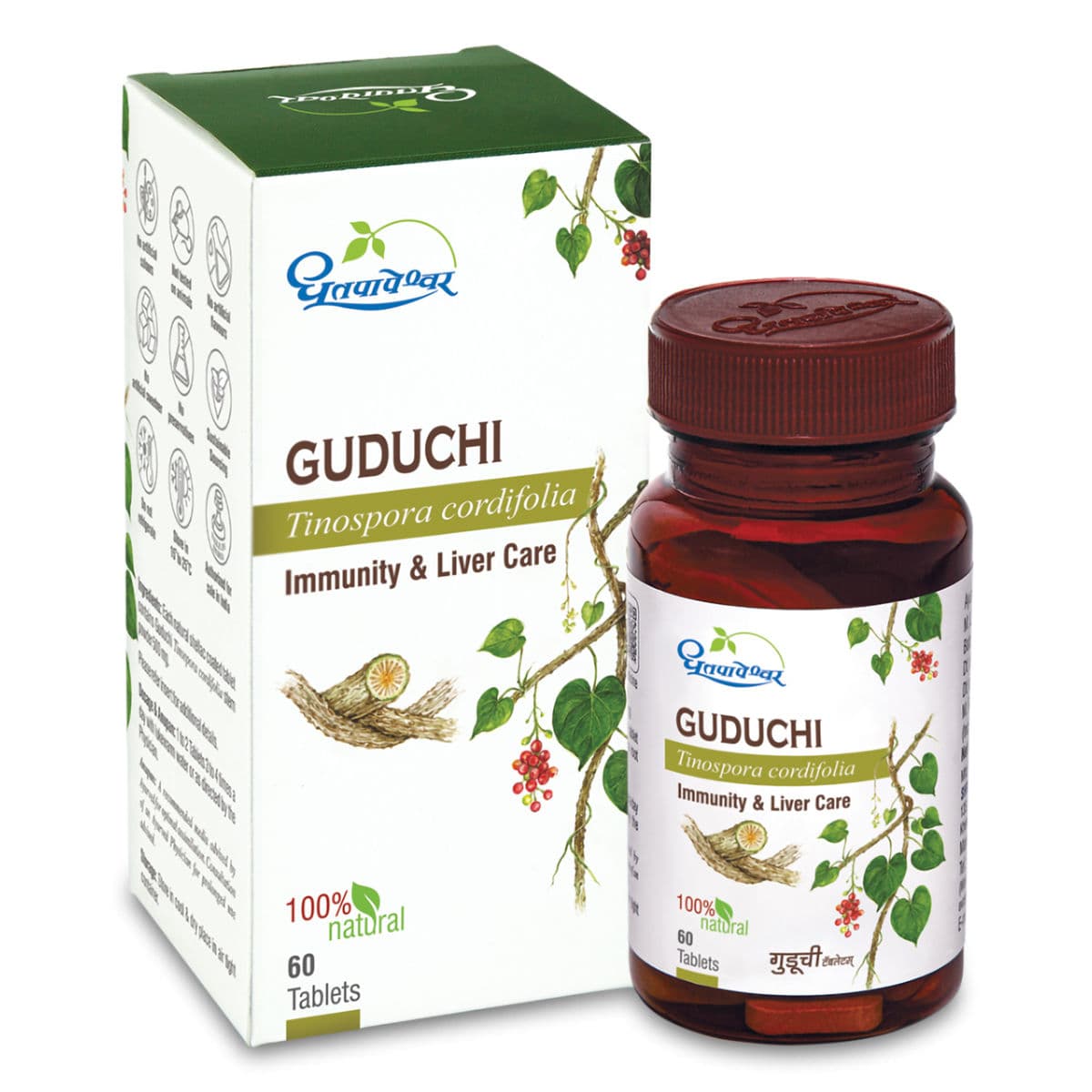
Guduchi (Dhootapapeshwar) SDL
SDLSupports immunity and digestion
Strip of 60 Tablets
4.7
₹103Get ₹10 Cashback