Cinnamon
Reviewed by medical experts · For informational purposes only
Introductory summary
Cinnamon known in Ayurveda as Tvak consists of the dried inner bark of Cinnamomum zeylanicum. It possesses Sweet Pungent and Bitter tastes with Hot potency and Pungent post digestive effect. Its Light Rough and Sharp qualities make it effective in pacifying Kapha and Vata doshas. It acts as a powerful appetizer digestive and throat cleanser known as Kanthyasuddhikara. Clinically it is indicated for treating chronic rhinitis or Pinasa excessive thirst heart disease and oral disorders. It is also used to destroy intestinal worms and neutralize toxins. As a primary ingredient in Sitopaladi Churna and Caturjata it supports respiratory health. The Ayurvedic Pharmacopoeia of India recommends a dosage of 1 to 3 grams of the powder often taken to improve digestion and clear congestion.
Cinnamon
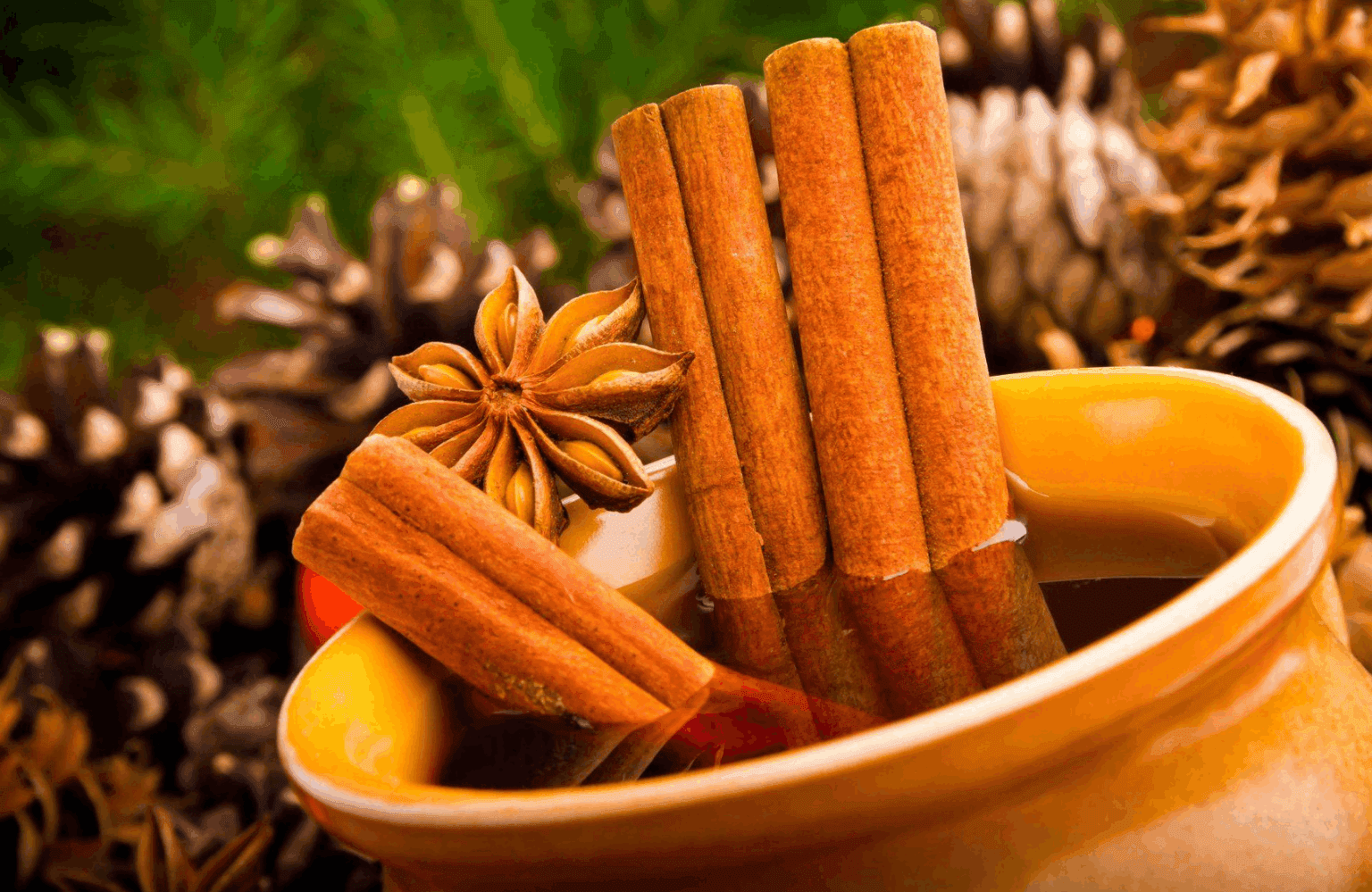
Cinnamon, known in Ayurveda as Tvak or Darusita, is the dried inner bark of the tree Cinnamomum zeylanicum. It is a highly valued aromatic spice and medicine, renowned for its ability to improve digestion, clear the throat, and balance the Vata and Kapha doshas. It is a primary ingredient in the famous Ayurvedic compound Sitopaladi Churna, widely used for coughs and respiratory immunity.
1. Name of the Herb
- Common Name: Cinnamon.
- Scientific Name: Cinnamomum zeylanicum Blume.
- Sanskrit Names: Tvak (Skin/Bark), Darusita (Sweet wood), Varanga.
- Other Names: Dalchini (Hindi/Bengali/Marathi/Punjabi), Karuvapattai (Tamil/Malayalam), Lavangapatta (Telugu).
2. Brief Description
Cinnamon (Tvak) is the dried inner bark (devoid of cork and cortex) collected from coppiced shoots of a moderate-sized evergreen tree. It occurs as single or double compound quills that are dull yellowish-brown. It is fragrant, sweet, and aromatic with a sensation of warmth. In Ayurveda, it is considered a vital herb for cleansing the throat (Kanthya) and checking toxins (Vishaghna).
3. Source / Part Used
- Plant Source: Herbal / Tree-based.
- Part Used: Dried Inner Bark (Tvak).
- Note: The oil distilled from the bark, known as Darusita Taila, is also used medicinally.
4. Ayurvedic Properties
According to the Ayurvedic Pharmacopoeia of India, Cinnamon bark possesses the following qualities:
- Rasa (Taste): Madhura (Sweet), Katu (Pungent), and Tikta (Bitter).
- Guna (Qualities): Laghu (Light), Ruksha (Dry), and Tikshna (Sharp).
- Virya (Potency): Ushna (Hot).
- Vipaka (Post-digestive effect): Katu (Pungent).
- Dosha Effect: Kaphavatahara. It pacifies Kapha (mucus) and Vata (wind) doshas due to its hot, sharp, and dry nature.
5. Key Benefits
- Enhances Digestion: Acts as an appetizer (Rucya) and digestive (Pachana), helping to clear anorexia and indigestion.
- Clears Respiratory Tract: It is Kanthyasuddhikara (cleanses the throat) and effective for chronic rhinitis (Pinasa).
- Heart Health: Acts as Hridya, a tonic beneficial for the heart.
- Worm Infestation: Possesses Krmighna properties, helping to expel intestinal worms.
- Oral Health: The oil is Dantya (good for teeth) and eliminates bad breath (Mukhadurgandhanasana).
6. Uses / Indications
Cinnamon is indicated in Ayurveda for the following conditions:
- Kanthamukharoga: Diseases of the throat and mouth.
- Pinasa: Chronic rhinitis or sinusitis.
- Arsha: Hemorrhoids (Piles).
- Hridroga: Heart diseases.
- Vastiroga: Diseases of the urinary bladder.
- Amavata: Rheumatism (specifically using the oil).
- Dantasula: Toothache (external application of oil).
- Mukhashosha: Dryness of the mouth.
7. How It Works
- Digestive & Carminative: Cinnamon acts as a Vatanulomaka agent, meaning it facilitates the downward movement of Vata, relieving bloating (Adhmana) and gas. Its Ushna (hot) potency stimulates the digestive fire (Agni) to digest metabolic toxins (Ama).
- Decongestant: Due to its Tikshna (sharp) and Kaphavatahara properties, it cuts through mucus and clears the channels of the head and chest.
- Pain Relief: The oil is Vedanasthapana (pain reliever) and is used locally for toothaches and acute nerve pain (Nadisula).
8. Dosage
The recommended dosage according to the Ayurvedic Pharmacopoeia of India is:
- Powder (Churna): 1 to 3 grams.
- Oil (Taila): 1 to 3 drops.
9. Safety Information
Cinnamon bark is generally considered safe when consumed in recommended culinary and therapeutic dosages. It is a standard ingredient in widely used formulations like Sitopaladi Churna (for cough) and Caturjata (the four aromatics).
10. Side Effects
- Heat Aggravation: Due to its Ushna (Hot) and Tikshna (Sharp) nature, excessive intake may increase body heat.
- Dryness: Its Ruksha (Dry) quality may cause dryness in the mouth or body if taken in excess without a vehicle like milk or ghee.
11. Precautions
- Pregnancy: Cinnamon oil is described as Artavapravartaka (promotes menstruation); therefore, high medicinal doses of the bark or oil should be used with caution during pregnancy.
- Bleeding Disorders: It should be used cautiously in conditions involving bleeding (Raktapitta) unless part of a specific formulation, as its heat can aggravate Pitta.
12. Storage Instructions
- Store in a cool, dry place in an air-tight container.
- Cinnamon Oil (Darusita Taila) should be stored in a well-filled, well-closed container, protected from light.
13. References
- Encyclopaedia Britannica – Cinnamon
Botanical description, history, and uses.
https://www.britannica.com/plant/cinnamon - Kew Science – Plants of the World Online (POWO) – Cinnamomum verum
Taxonomic and botanical details.
https://powo.science.kew.org/taxon/urn:lsid:ipni.org:names:327825-2 - World Health Organization (WHO) Monographs on Selected Medicinal Plants – Cortex Cinnamomi
https://apps.who.int/medicinedocs/en/ - The Ayurvedic Pharmacopoeia of India (API) – Ministry of AYUSH
Official monograph on Tvak (Dalchini).
https://www.ayush.gov.in - Indian Medicinal Plants – A Compendium of 500 Species
Warrier, P.K., Nambiar, V.P.K., & Ramankutty, C. - Indian Materia Medica – Nadkarni, K.M.
https://archive.org/details/IndianMateriaMedica - Database on Medicinal Plants Used in Ayurveda (CCRAS)
https://www.ccras.nic.in - Review Article: Cinnamon and Health Benefits
Ranasinghe, P. et al. (2013). BMC Complementary Medicine and Therapies.
https://pubmed.ncbi.nlm.nih.gov/?term=cinnamon+health+review - Antidiabetic Effects of Cinnamon – Clinical Trials
Available via PubMed Central (PMC).
https://www.ncbi.nlm.nih.gov/pmc/?term=cinnamon+diabetes - Journal of Ethnopharmacology – Phytochemistry of Cinnamomum
https://www.sciencedirect.com - National Medicinal Plants Board (NMPB), Government of India – Dalchini Profile
https://nmpb.nic.
14. FAQs
** **Q. Can it be taken daily?
Yes, in small quantities as a spice (e.g., in tea or food) it aids digestion. Medicinal doses (1-3 g) should be taken as needed for specific conditions.
Q. When should it be taken?
It is often taken with meals to improve appetite (Rucya) or with honey/ghee for respiratory issues.
Q. Can it be taken with milk/water?
Yes. Powdered cinnamon is often taken with warm water. In formulations like Sitopaladi, it is taken with honey and ghee. The oil can be dropped onto sugar or mixed with a vehicle.
Consult a Doctor
- DS4.2Deeksha sharma
Ayurveda4 yrs exp
- MS4.2Midun s kumar
Ayurveda4 yrs exp
- DR4.3Dr.Prajwal Raj Biradar
Ayurveda1 yrs exp
- BY4.3Bapodara yash kanabhai
Ayurveda3 yrs exp