Indian Gooseberry
Reviewed by medical experts · For informational purposes only
Introductory summary
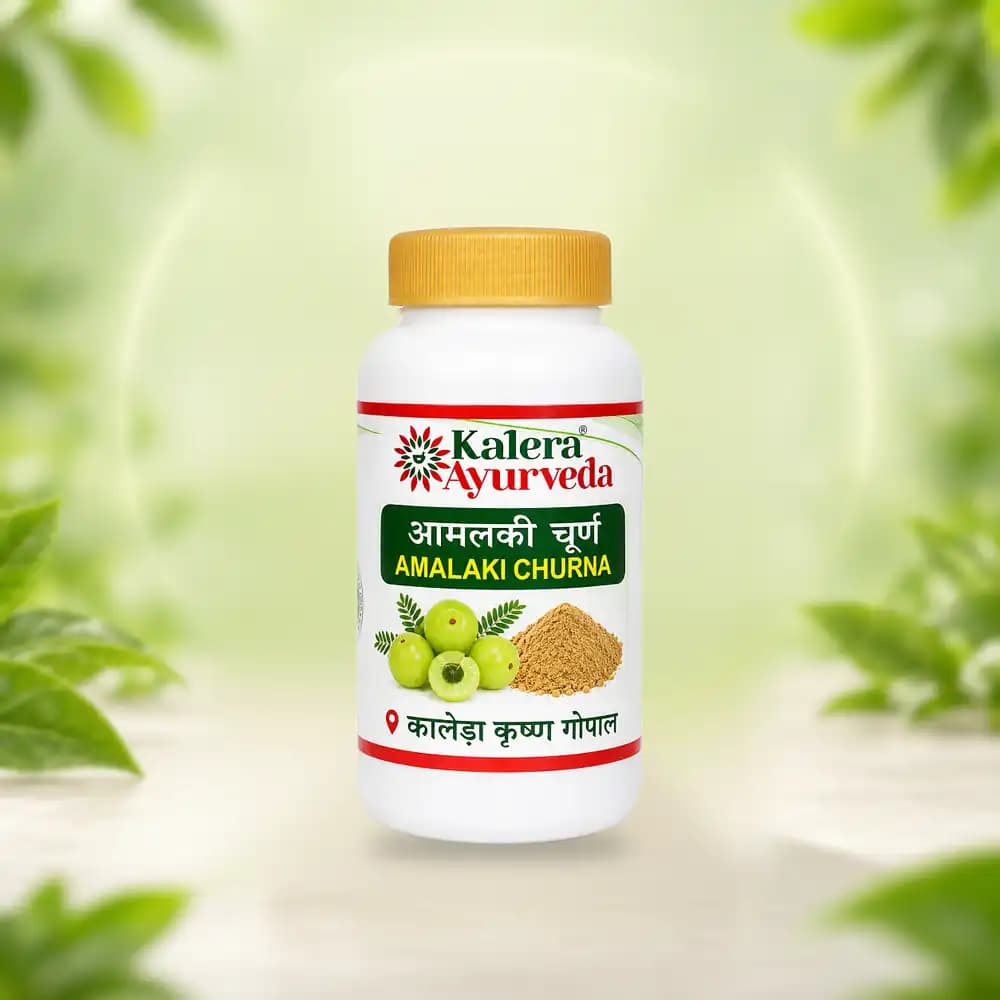
Indian Gooseberry known as Amalaki in Ayurveda consists of the fruit of Emblica officinalis. It is revered as a powerful rejuvenator called Rasayana and is unique for possessing five tastes lacking only saltiness with Sour being dominant. Despite being sour it has a Cold potency and Sweet post digestive effect allowing it to balance all three doshas particularly Pitta. It is known as Dhatri or nurse due to its healing nature. Clinically it is indicated for bleeding disorders known as Raktapitta acidity diabetes and eye disorders. It is a key ingredient in the famous tonic Chyavanaprash and Triphala. The Ayurvedic Pharmacopoeia of India recommends a dosage of 3 to 6 grams of powder or 5 to 10 ml of fresh juice to promote longevity and immunity.
Indian Gooseberry
Indian Gooseberry, known in Ayurveda as Amalaki or Dhatri, consists of the fresh or dried fruit of Emblica officinalis. It is one of the most celebrated herbs in Indian medicine, often called Amrtaphala (Fruit of Nectar) or Vayasthā (Stabilizer of age/youth). Unlike most sour fruits which increase bile and heat (Pitta), Amalaki is unique because it is cooling. It is revered as a "Mother" (Dhatri) because it nurses and protects the body, acting as a premier Rasayana (rejuvenator) that balances all three doshas.
1. Name of the Herb
- Common Name: Indian Gooseberry.
- Scientific Name: Emblica officinalis Gaertn. (Syn. Phyllanthus emblica Linn.),.
- Sanskrit Names: Āmalakī, Amṛtaphala (Nectar fruit), Dhātrīphala (Nurse/Mother fruit), Vayasthā, Śivā,,.
- Regional Names: Amla (Hindi/Bengali/Marathi/Punjabi), Nellikkai (Tamil), Usirika (Telugu), Nellikka (Malayalam), Ambala (Gujarati).
2. Brief Description
The plant is a small to medium-sized tree found in mixed deciduous forests throughout India. The medicinal part is the fruit, which is globose, fleshy, pale green to yellowish-brown, and smooth with six prominent vertical lines. In Ayurveda, it is classified as the best among rejuvenating herbs (Rasayana) and is the primary ingredient in the famous tonic Chyavanaprash,. It is valued for prolonging life, enhancing memory, and treating deep-seated disorders while being gentle on the body.
3. Source / Part Used
- Plant Source: Herbal / Plant-based (Tree).
- Part Used: Fresh Fruit Pulp (Phala) or Dried Fruit Pericarp (Phala-tvak),.
4. Ayurvedic Properties
According to the Ayurvedic Pharmacopoeia of India and Charaka Samhita, Amalaki possesses the following unique qualities:
- Rasa (Taste): Possesses five tastes (Pancharasa): Amla (Sour), Madhura (Sweet), Katu (Pungent), Tikta (Bitter), and Kaṣāya (Astringent). It lacks only Lavana (Salty). Sour is the dominant taste,.
- Guna (Qualities): Laghu (Light) and Rūkṣa (Dry),.
- Virya (Potency): Śīta (Cold). Note: This is a major exception; most sour items are hot, but Amla is cold.
- Vipaka (Post-digestive effect): Madhura (Sweet).
- Dosha Effect: Tridoṣajit (Balances Vata, Pitta, and Kapha).
- Pacifies Pitta due to its Sweet and Cold nature.
- Pacifies Kapha due to its Dry and Astringent nature.
- Pacifies Vata due to its Sour taste (but does not aggravate Pitta).
5. Key Benefits
- Potent Rejuvenator: Acts as a Rasayana, delaying aging (Jara) and promoting longevity and immunity,.
- Supports Vision: It is described as Cakṣuṣya, excellent for eyesight and treating eye disorders,.
- Balances Stomach Acid: Highly effective for acidity and gastritis (Amlapitta) due to its cooling potential despite being sour.
- Blood Tonic: Acts as Raktaprasādana (blood purifier) and stops bleeding disorders,.
- Diabetes Support: Useful in managing Prameha (Diabetes and urinary disorders).
6. Uses / Indications
Indian Gooseberry is indicated in Ayurveda for the following conditions:
- Digestive Disorders: Amlapitta (Hyperacidity/Gastritis), Aruci (Anorexia/Tastelessness), and Vibandha (Constipation),.
- Blood & Heart: Raktapitta (Bleeding disorders like nosebleeds), Pāṇḍu (Anemia), and Hṛdroga (Heart disease),.
- Respiratory: Kāsa (Cough) and Śvāsa (Asthma),.
- Metabolic: Prameha (Diabetes) and Dāha (Burning sensation).
- General: Daurbalya (Weakness) and Jarā (Senility/Aging).
7. How It Works
- Tridosha Balance: Although it is Sour (Amla), its post-digestive effect is Sweet (Madhura) and its potency is Cold (Shita). This unique combination allows it to soothe Pitta (heat/acidity) without aggravating Kapha (mucus/fat), unlike sugar or other cooling foods,.
- Nutrient Synergism: The "light" (Laghu) and "dry" (Ruksha) qualities potentiate its action, making it superior to other sour fruits.
- Anabolic Action: As a Rasayana, it nourishes the Dhatus (tissues), specifically blood and reproductive fluids.
8. Dosage
The recommended dosage according to the Ayurvedic Pharmacopoeia of India is:
- Powder (Churna): 3 to 6 grams.
- Fresh Juice (Svarasa): 5 to 10 ml.
- Decoction: 20-30 grams of the drug used for decoction,.
9. Safety Information
Amalaki is considered extremely safe and is one of the few herbs consumed as a food item daily. It is non-toxic and is often referred to as Amrita (Nectar).
10. Side Effects
- No specific severe side effects are reported in the texts when taken in recommended doses.
- Because it is cooling (Shita), excessive intake of raw fruit at night might slightly increase Kapha (congestion) in very sensitive individuals, but generally, it balances Kapha.
11. Precautions
- Combination: It is often used with honey, ghee, or warm water.
- Incompatibilities: As a sour fruit, it generally should not be consumed with milk, although Ayurvedic texts list specific exceptions where Amalaki is processed with milk for therapeutic compounds (like Amritaprasha Ghrita).
12. Storage Instructions
- Store the dried fruit powder in a cool, dry place.
- Keep in an air-tight container to prevent moisture absorption and spoilage.
13. References
-
WHO Monographs on Selected Medicinal Plants – Phyllanthus emblica
World Health Organization
https://apps.who.int/iris/handle/10665/42052
-
WHO Global Report on Traditional and Complementary Medicine
https://www.who.int/publications/i/item/9789241515436
-
Ayurvedic Pharmacopoeia of India (API) – Amalaki
https://www.ayush.gov.in
-
PubMed – Phyllanthus emblica Research Articles
https://pubmed.ncbi.nlm.nih.gov/?term=Phyllanthus+emblica
-
ScienceDirect – Amla Phytochemistry & Pharmacology
https://www.sciencedirect.com/topics/pharmacology-toxicology-and-pharmaceutical-science/phyllanthus-emblica
-
SpringerLink – Clinical & Experimental Studies on Amla
https://link.springer.com
-
Kew Science – Plants of the World Online (Phyllanthus emblica)
https://powo.science.kew.org
-
World Flora Online – Phyllanthus emblica
https://www.worldfloraonline.org
14. FAQs
** **Q. Can it be taken daily?
Yes, it is a Rasayana (rejuvenator) and acts as a tonic for longevity and health maintenance.
Q. When should it be taken?
It can be taken in the morning (as in Chyavanaprash) or before meals to regulate acidity.
Q. Can it be taken with milk/water?
Yes. The powder is often taken with warm water. While sour fruits are usually incompatible with milk, Amalaki is sometimes an exception in specific processed medicines. It is commonly taken with honey or ghee.
Consult a Doctor
- DS4.2Deeksha sharma
Ayurveda4 yrs exp
- MS4.2Midun s kumar
Ayurveda4 yrs exp
- DR4.3Dr.Prajwal Raj Biradar
Ayurveda1 yrs exp
- BY4.3Bapodara yash kanabhai
Ayurveda3 yrs exp
Buy Medicine
 Prescribed to you4.5₹10 cashback
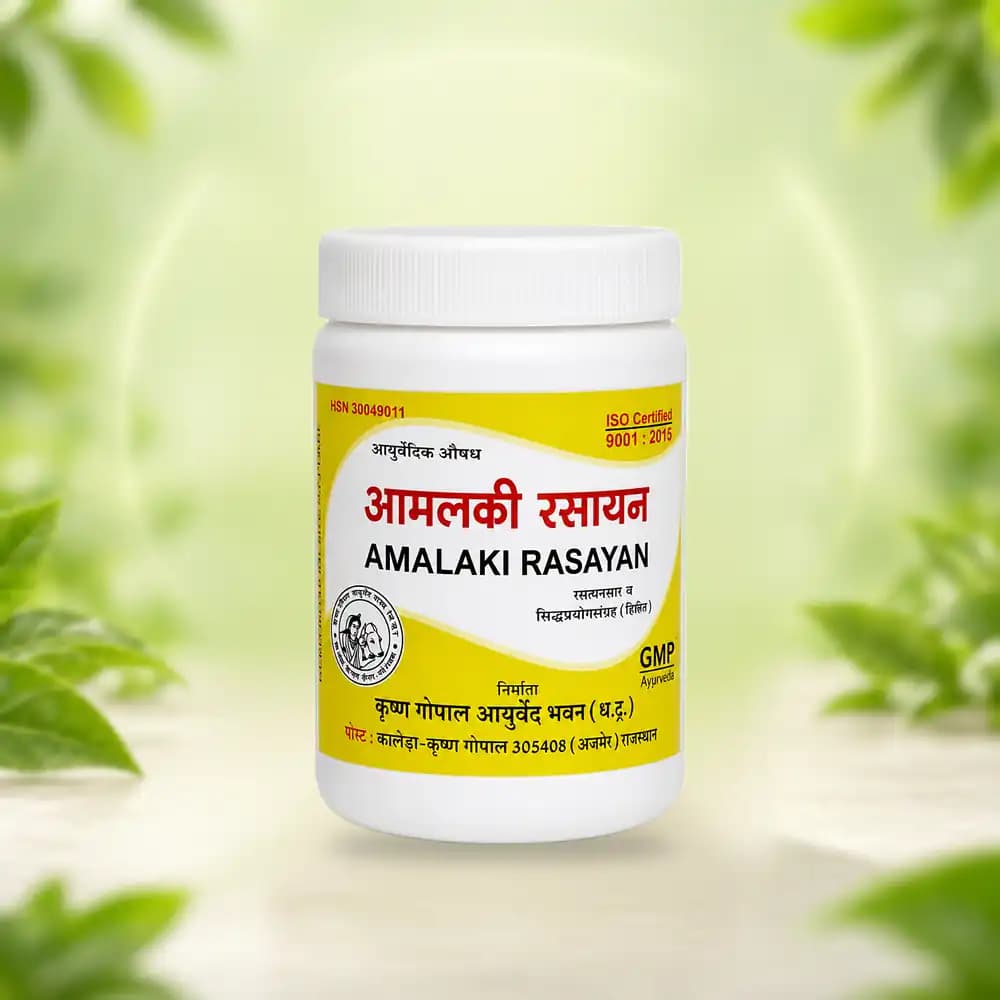
Amalaki Rasayan (Kalera) Kalera
Physician-guided amla rasayana
Container of 100 g
4.5
₹109Get ₹10 Cashback