Peptic ulcer
Reviewed by medical experts · For informational purposes only
Introductory summary
Peptic ulcer correlates with Ayurvedic conditions Parinama Shula and Annadrava Shula characterized by abdominal colic linked to digestion. It arises from aggravated Pitta and Vata doshas where intense digestive fire erodes the gastric lining. Causes include irregular eating stress and spicy or sour foods. Symptoms manifest as burning sensation vomiting and severe pain during digestion. Management focuses on pacifying Pitta through cooling therapies. While acute ulcers contraindicate Vamana therapeutic purgation or Virechana is prescribed to eliminate excess bile. Treatment uses soothing formulations like Shankha Bhasma and Narikela Lavana alongside a bland diet of milk and ghee to heal the mucosa.
Peptic Ulcer
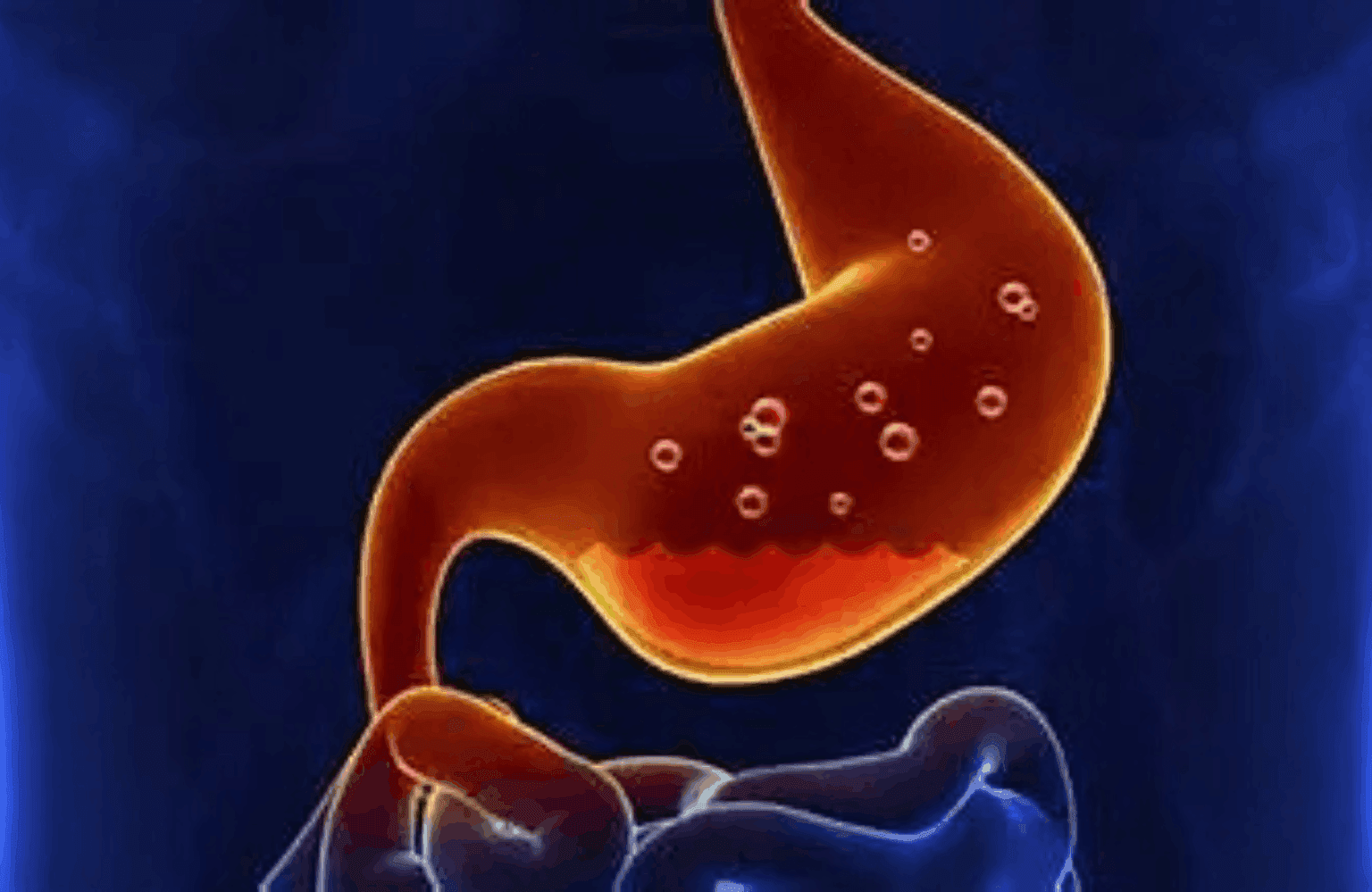
Peptic ulcer disease refers to painful sores or ulcers in the lining of the stomach or the first part of the small intestine (duodenum). In Ayurveda, this condition correlates closely with Parinama Shula and Annadrava Shula. These conditions fall under the broader category of Shula (colic/pain) and are often associated with Amlapitta (hyperacidity). The disease is characterized by abdominal pain that fluctuates relative to the digestion of food, caused by the aggravation of the Pitta (fire) and Vata (air) doshas.
1. Definition
Modern Definition: A peptic ulcer is a lesion in the mucosal lining of the digestive tract, typically the stomach (gastric ulcer) or duodenum (duodenal ulcer), often caused by acid imbalance or infection.
Ayurvedic Definition:
- Parinama Shula: An abdominal colic (pain) that occurs specifically during the process of digestion (Parinama). It is caused when the Vata dosha is obstructed by Pitta, Kapha, or food, leading to severe pain.
- Annadrava Shula: A colic that occurs constantly or seemingly without specific relation to the stage of digestion, often described as pain arising from food fluids (Annadrava).
2. Etymology & Conceptual Meaning
- Parinama: Transformation, change, or digestion.
- Shula: A piercing pain, often described as colic or spear-like pain.
- Annadrava: Derived from Anna (food) and Drava (liquid/fluid), referring to the chyme or gastric juices.
- Conceptual Interpretation: Ayurveda views this as a disorder of Agni (digestive fire). When the digestive fire is disturbed (usually increased or sharp—Tikshnagni), it leads to the "burning" of the digestive lining. Chakradatta describes it as a condition where the aggravated Vata gains strength during the digestion of food and overcomes the constitution, causing pain.
3. Causes (Nidana)
The causes are multifactorial, involving diet, lifestyle, and psychological stress.
- Dietary Causes:
- Excessive intake of Katu (pungent), Amla (sour), and Lavana (salty) tastes which aggravate Pitta.
- Consumption of dry (Ruksha) and cold (Sheeta) foods which aggravate Vata.
- Viruddha Ahara: Incompatible food combinations (e.g., fish with milk).
- Eating during indigestion (Ajirna) or overeating.
- Lifestyle Causes:
- Vegadharana: Suppression of natural urges, such as hunger, thirst, or evacuation.
- Divaswapna: Sleeping during the day.
- Jagarana: Staying awake late at night.
- Psychological Factors:
- Shoka (Grief) and Krodha (Anger) are cited as direct causes for aggravating internal heat and Vata, disrupting digestion.
4. Journey of the Disease (Pathogenesis/Samprapti)
- Samprapti Ghataka (Components):
- Dosha: Vata (responsible for pain), Pitta (responsible for burning/ulceration), and Kapha (responsible for mucus/obstruction).
- Dushya (Tissues): Rasa (plasma/chyme) and Rakta (blood).
- Srotas (Channels): Annavaha Srotas (Digestive tract).
- Agni: Tikshnagni (Hyper-acidic fire) or Vishamagni (Irregular fire).
- Adhisthana (Site): Amasaya (Stomach) and Pakvashaya (Colon/Intestines).
- Pathogenesis:
- Due to etiological factors, Vata becomes aggravated and dry.
- Simultaneously, Pitta (often associated with sour/acidic qualities) increases.
- Vata becomes obstructed by Pitta, Kapha, or food within the digestive tract.
- This obstruction leads to Vata gaining strength specifically during the Parinama (transformation/digestion) phase of food.
- The forceful movement of Vata causes severe Shula (colic), while the Pitta component causes burning and inflammation (Paka) of the mucosal lining.
5. Symptoms (Lakshana)
- Cardinal Symptoms:
- Abdominal Pain: Severe pain occurring during or after digestion.
- Daha: Burning sensation in the abdomen or chest.
- Aruchi: Loss of appetite or distaste for food.
- Specific Symptoms (Parinama Shula):
- Pain increases as food is digested.
- Relief may be felt after vomiting or when the stomach is empty (in certain stages).
- Specific Symptoms (Annadrava Shula):
- Pain is constant and does not subside with digestion or eating.
- Burning sensation is prominent.
- Advanced Symptoms:
- Chardi: Vomiting (sometimes of bile or sour fluid).
- Murcha: Fainting or dizziness due to severe pain.
6. Different Types or Classification (Bheda)
Chakradatta and Madhava Nidana classify Shula based on the dominant Dosha and specific presentation:
- Vataja Shula: Constricting pain, retention of gas/feces, relieved by hot fomentation.
- Pittaja Shula: Associated with burning, thirst, fever, and perspiration. Pain is intense and sharp.
- Kaphaja Shula: Associated with heaviness, nausea, and mild pain.
- Parinama Shula: Pain specifically linked to the digestive cycle.
- Annadrava Shula: Pain caused by the food mass itself, often constant.
7. Diagnosis
- Ayurvedic Diagnosis (Roga Pariksha):
- Prashna (Questioning): Establishing the relationship between pain and food intake. Does pain occur before, during, or after digestion?
- Sparshana (Palpation): Checking for tenderness in the upper abdomen (Kukshi) and signs of rigidity.
- Differential Diagnosis:
8. Disease Management
Treatment focuses on Vata-Pitta Shamana (pacifying Vata and Pitta) and healing the ulcerated mucosa.
Medicines
- Narikela Lavana (Coconut Salt): A specific remedy mentioned in Chakradatta for Shula. It involves burning a coconut with salt; the resulting ash is effective for colic and hyperacidity.
- Shankha Bhasma: Ash of conch shell. Used to neutralize acidity and relieve pain in Parinama Shula.
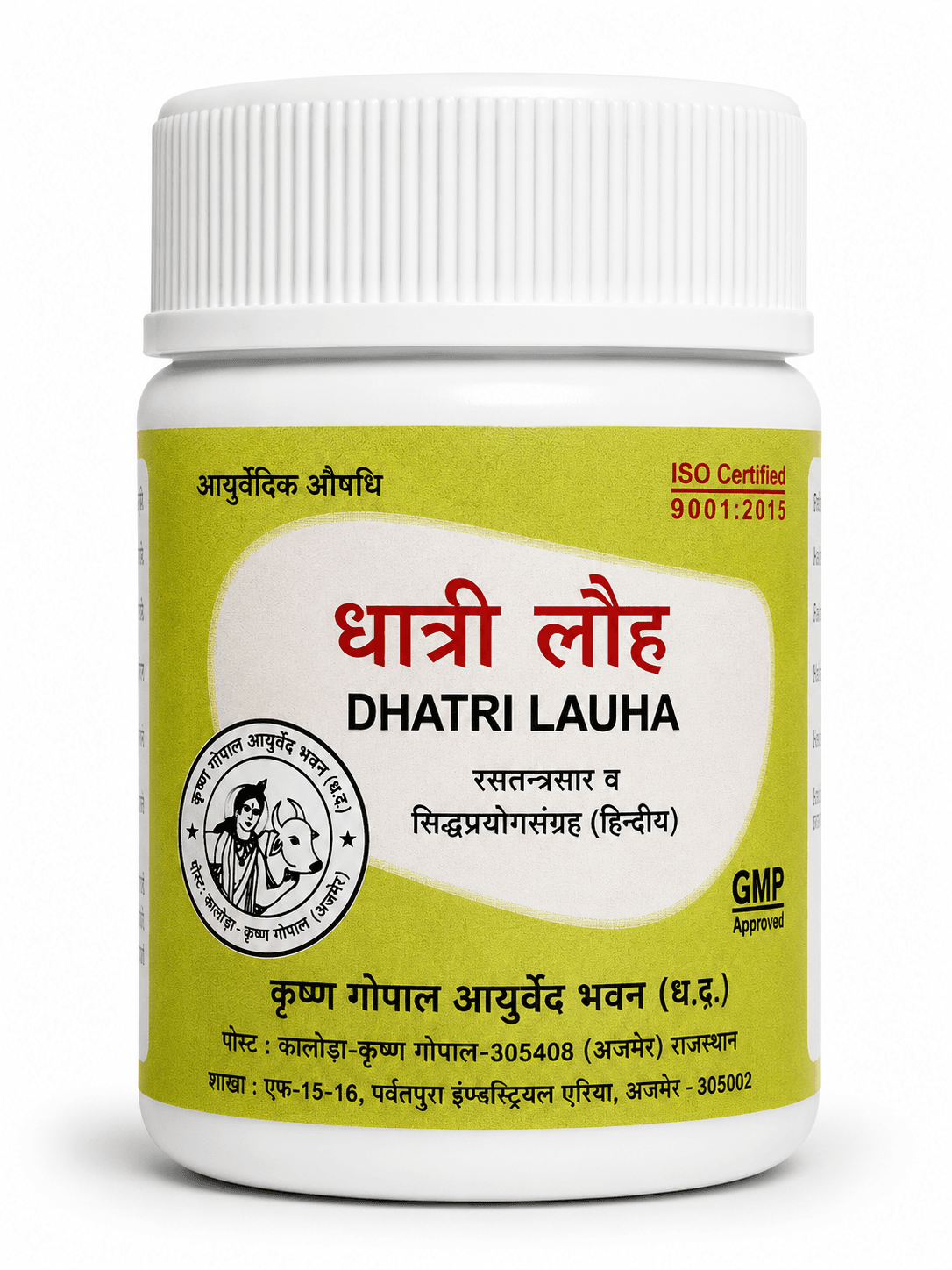
- Dhatri Lauha: A formulation containing Amalaki (Indian Gooseberry) and Iron. It is indicated for Shula, acidity (Amlapitta), and anemia.
- Saptamrita Lauha: Used for hyperacidity, vomiting, and colic.
- Gudapippali: A mixture of jaggery and long pepper, used to pacify chronic colic.
Diet (Ahara)
- Pathya (Wholesome):
- Barley (Yava) and Wheat: Light and easy to digest.
- Milk (Kshira): Cooling and healing for Pitta disorders.
- Patola (Pointed Gourd): A bitter vegetable recommended for Pitta and ulcers.
- Old Rice: Easier to digest than new rice.
- Apathya (Avoid): Sour foods, alcohol, heavy meats, sesame, and horse gram.
Lifestyle (Vihara)
- Avoid: Fasting (Langhana) is often contraindicated in pure Vata types, but light eating is recommended. Avoid suppression of urges (Vegadharana).
- Warm Water: Drinking warm water is generally advised for Shula, but should be moderated in high Pitta conditions.
Panchakarma
- Vamana (Emesis): If the pain is caused by Kapha or food stagnation in the stomach, gentle emesis is prescribed to clear the stomach.
- Virechana (Purgation): Used for Pittaja Shula. Purgation expels the heating bile and lowers acidity.
- Basti (Enema): For chronic Parinama Shula dominated by Vata, medicated enemas are highly effective.
9. Prognosis
- Krichrasadhya (Difficult to Cure): If the condition is chronic, involves all three Doshas (Tridosha), or if the patient is debilitated, it becomes difficult to treat.
- Yapya (Manageable): Chronic cases of Annadrava Shula often require lifelong management of diet.
- Complications: Neglected ulcers can lead to obstruction, perforation (indicated by sudden, intense spreading pain), or severe weakness (Daurbalya).
10. Modern Correlations
- Parinama Shula: Closely correlates with Duodenal Ulcer, where pain often occurs when the stomach is empty or during the digestive phase.
- Annadrava Shula: Closely correlates with Gastric Ulcer or Chronic Gastritis, where pain may be constant or triggered immediately by eating.
- Similarities: Both systems recognize the role of "burning" (acid/Pitta) and the necessity of bland, cooling diets. The Ayurvedic use of Shankha Bhasma (calcium carbonate source) parallels modern antacids.
11. References
-
World Health Organization (WHO)
Digestive diseases and peptic ulcer overview
https://www.who.int/health-topics/digestive-diseases
-
National Institute of Diabetes and Digestive and Kidney Diseases (NIDDK – NIH)
Peptic ulcer disease – causes, symptoms, and treatment
https://www.niddk.nih.gov/health-information/digestive-diseases/peptic-ulcer-disease
-
Centers for Disease Control and Prevention (CDC)
Helicobacter pylori and peptic ulcer disease
https://www.cdc.gov/hpylori/index.html
-
Mayo Clinic
Peptic ulcer: symptoms, causes, diagnosis, and management
https://www.mayoclinic.org/diseases-conditions/peptic-ulcer/symptoms-causes/syc-20354223
-
UpToDate (Patient Education)
Peptic ulcer disease – beyond the basics
https://www.uptodate.com/contents/peptic-ulcer-disease-beyond-the-basics
-
Amlapitta / Parinama Shoola (Ayurvedic correlation of Peptic Ulcer)
https://www.ncbi.nlm.nih.gov/pmc/articles/PMC5452224/
12. FAQ Section
Q: Can I fast if I have a peptic ulcer?
A: Generally, no. While Ayurveda uses fasting (Langhana) for many digestive issues, in cases of high Pitta (acidity) or intense Vata pain (Shula), complete fasting can increase the "wind" and "fire" in the empty stomach, worsening the pain. Light, frequent, cooling meals are preferred.
Q: Is milk good for ulcers according to Ayurveda?
A: Yes. Ayurveda considers cow's milk to be cooling and curative for Pittaja Shula (pitta-type colic) and bleeding conditions. It helps heal the lining and reduce burning.
Q: What is the best Ayurvedic remedy for immediate pain relief?
A: Formulations containing Shankha Bhasma (conch shell ash) or Narikela Lavana (coconut salt) are classic emergency remedies for soothing severe acidity and colic pain.
Q: Does stress cause ulcers in Ayurveda?
A: Yes. Ayurveda explicitly lists Shoka (grief) and Krodha (anger) as factors that aggravate the Doshas, leading to digestive disorders and inflammation.
Consult a Doctor
- MS4.2Midun s kumar
Ayurveda4 yrs exp
- SP4.5Dr Sreelekha P Nair
Ayurveda6 yrs exp
- VR4.2Vaidya Rohit Kumar
Ayurveda3 yrs exp
- V4.1Vairamuthu
Ayurveda8 yrs exp