Anemia
Reviewed by medical experts · For informational purposes only
Introductory summary
Anemia known as Pandu Roga in Ayurveda is a systemic disorder characterized by pallor caused by the vitiation of Pitta dosha affecting the blood tissue. It arises from consuming excessive sour or pungent foods, eating soil, and suppressing natural urges. The aggravated Pitta lodges between the skin and flesh destroying the natural complexion. Key symptoms include fatigue, palpitations, tinnitus, and swelling around the eyes. Management focuses on correcting digestion and nourishing the blood through purification therapies like purgation followed by internal medications. Classical treatments include iron preparations like Mandura Vataka and Navayasa Churna alongside medicated ghees. If left untreated chronic cases with severe edema or visual hallucinations of yellow color are considered difficult to cure.
Anemia
Anemia, known in Ayurveda as Pandu Roga, is a disease characterized by the pallor or yellowish-white discoloration of the skin. It is considered a systemic disorder where the quality and quantity of Rakta Dhatu (blood tissue) are compromised, primarily due to an imbalance of the Pitta Dosha. This condition leads to a loss of complexion, strength, and vitality (Ojas). In classical texts like Charaka Samhita and Madhava Nidana, it is described as a disease where the patient appears "Pandu" (pale/yellowish-white) due to the scarcity of blood.
1. Definition
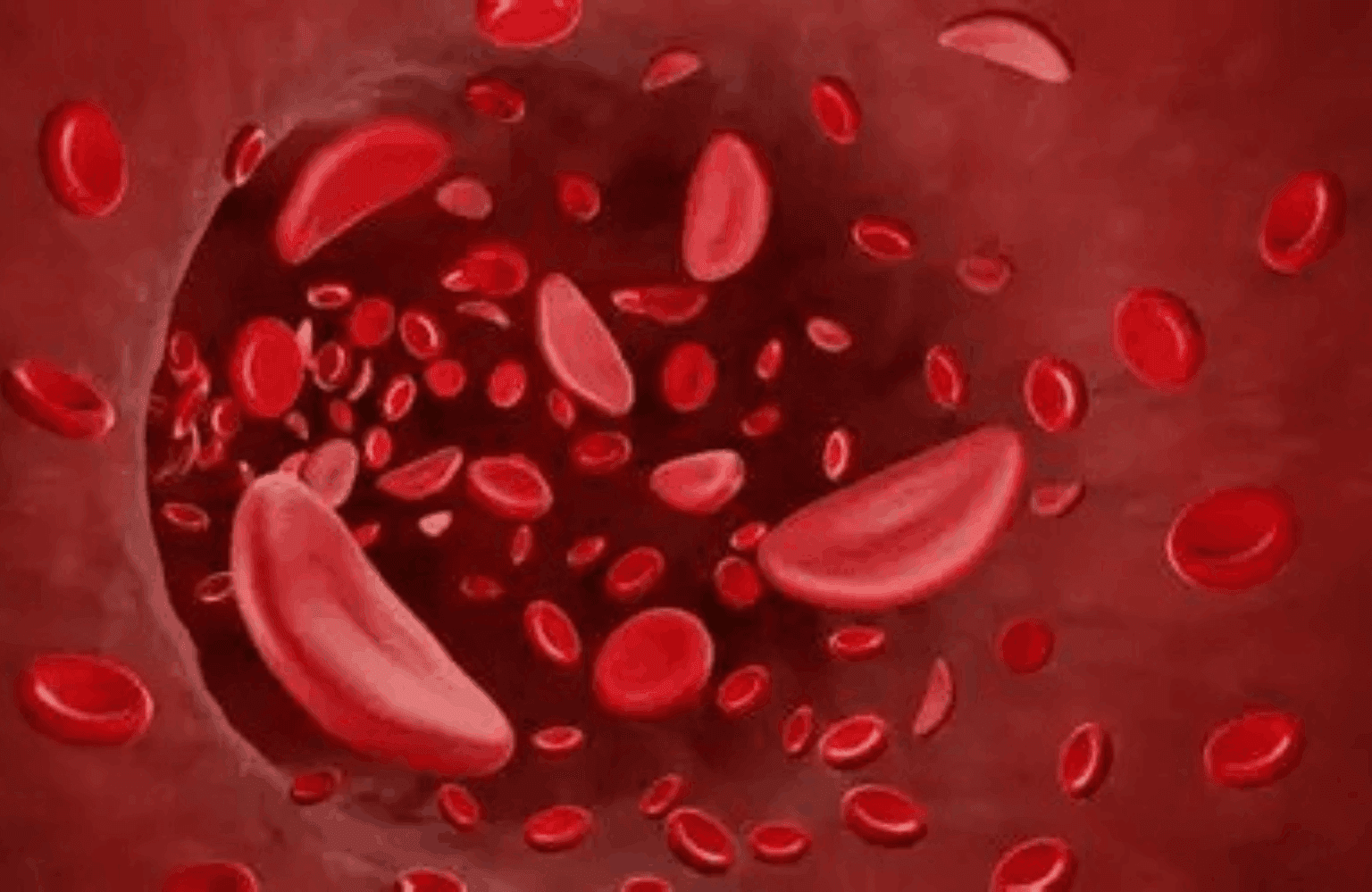
In modern medicine, anemia is defined as a deficiency of red blood cells or hemoglobin.
In Ayurveda, Pandu Roga is defined as a condition where the skin color changes to pale, yellowish, or whitish (Pandu) due to the vitiation of Pitta dosha, which affects the blood (Rakta), skin (Twak), and flesh (Mamsa). It is characterized by the diminution of blood tissue and loss of strength.
2. Etymology & Conceptual Meaning
-
Literal Meaning: The word Pandu refers to a pale, yellowish-white color (like the pollen of the Ketaki flower).
-
Conceptual Interpretation: Ayurveda classifies Pandu as a Rasa-pradoshaja (disorder of nutrient plasma) and Rakta-pradoshaja (disorder of blood) disease. It occurs when the Pitta dosha (responsible for heat and metabolism), aggravated by improper diet, enters the heart and is then propelled by Vata into the ten major vessels (Dhamani). It eventually lodges in the space between the skin and flesh, destroying the natural complexion and producing pallor.
3. Causes (Nidana)
The causes of anemia are multifactorial, ranging from dietary habits to psychological states.
Dietary Causes
-
Taste Dominance: Excessive consumption of foods that are Kshara (alkaline), Amla (sour), Lavana (salty), and Tikshna (pungent/sharp).
-
Specific Foods: Excessive intake of Masha (black gram), Tila (sesame) oil, and alcohol (Madya).
-
Eating Soil (Mrid-bhakshana): Habitual consumption of clay or soil is a specific cause that aggravates one of the doshas and blocks the channels, destroying the digestive fire and blood.
-
Incompatible Diet: Consuming food combinations that are antagonistic (Viruddha).
Lifestyle Causes
-
Physical Strain: Excessive exercise (Vyayama) and sexual intercourse beyond one's capacity.
-
Sleep Patterns: Sleeping during the day (Divaswapna).
-
Suppression of Urges: Suppressing natural urges, particularly vomiting (Vegadharana).
Psychological Factors
- Emotional Stress: Affliction by Kama (lust/desire), Chinta (worry), Bhaya (fear), and Shoka (grief) are cited as direct causes that agitate the body fluids and Pitta.
4. Journey of the Disease (Pathogenesis/Samprapti)
The disease progresses through the systemic spread of vitiated Pitta.
-
Dosha: Primarily Pitta (specifically Sadhaka and Bhrajaka Pitta), assisted by Vata and Kapha.
-
Dushya (Tissues): Rakta (blood), Twak (skin), and Mamsa (muscle/flesh).
-
Srotas (Channels): Rasavaha and Raktavaha Srotas.
-
Agni: Jatharagni (digestive fire) is diminished (Mandagni).
-
Adhisthana (Site): The disease manifests in the skin but is rooted in the heart and blood vessels.
-
Process: The aggravated doshas vitiate the blood, causing "looseness" or laxity (Shithilya) in the body tissues. This leads to heaviness, loss of vitality (Ojas), and the characteristic depletion of blood, resulting in pallor.
5. Symptoms (Lakshana)
Early Symptoms (Purvarupa)
-
Hridayaspandana: Palpitations or fluttering of the heart.
-
Rukshata: Dryness of the skin.
-
Swedabhava: Absence of sweating.
-
Shrama: Fatigue or exhaustion without exertion.
Advanced Symptoms (Rupa)
-
Pallor: Discoloration of the skin, eyes, and nails (yellow, white, or green depending on the type).
-
Karna-kshveda: Tinnitus (ringing in the ears).
-
Aruchi: Loss of taste or anorexia.
-
Daurbalya: General weakness and body pain.
-
Shwasa: Shortness of breath or dyspnea.
-
Akshikutashotha: Swelling around the eye sockets.
-
Shishira-dvesha: Aversion to cold things.
6. Different Types or Classification (Bheda)
Ayurveda classifies Pandu Roga into five types based on the causative factor:
- Vataja Pandu: Characterized by blackish/rough skin, tremors, and pricking pain.
- Pittaja Pandu: Characterized by yellowish eyes/urine, excessive thirst, fever, and burning sensation.
- Kaphaja Pandu: Characterized by whitish complexion, heaviness, nausea, and swelling.
- Sannipatika Pandu: Caused by a combination of all three doshas, presenting mixed symptoms and fever.
- Mrid-bhakshanajanya Pandu: Caused by eating soil. It presents with edema (swelling) in the cheeks, eyes, and feet, intestinal worms (Krimi), and blood in the stool.
7. Diagnosis
-
Ayurvedic Diagnosis: Diagnosis involves Darshana (observation) of the skin, eyes, and nails for pallor or discoloration. Prashna (interrogation) is used to identify dietary habits like eating soil or sour foods.
-
Differential Diagnosis: It must be distinguished from Kamala (Jaundice). While Pandu involves pallor/whiteness, Kamala involves profound yellowing of the eyes, skin, and urine, often arising as a complication of untreated Pandu.
8. Disease Management
The management of Anemia involves correcting the digestive fire (Agni) and nourishing the blood.
Diet (Ahara)
-
Recommended: Old rice (Shali), barley (Yava), wheat (Godhuma), and soup of green gram (Mudga). Vegetables like pointed gourd (Patola) are beneficial.
-
Avoid: Sour things, fish, and incompatible food combinations.
Lifestyle (Vihara)
- Avoidance of day sleep, excessive exercise, and emotional stress.
Medicines
-
Mandura Vataka: A preparation made of iron rust (Mandura) boiled in cow's urine, considered a supreme remedy for anemia.
-
Navayasa Churna: A powder containing nine ingredients (Triphala, Trikatu, Motha, Vidanga, Chitraka) mixed with Loha Bhasma (calcined iron). It is taken with honey and ghee.
-
Punarnava Mandura: Specifically indicated for anemia associated with swelling (Shotha).
-
Dadimadya Ghrita: Medicated ghee with pomegranate, useful for anemia and heart conditions.
-
Yogaraja: An elixir containing minerals and herbs, described as "nectar" for curing anemia.
-
Loha Bhasma: Calcined iron is a primary treatment. It should be taken with precaution and proper vehicles like buttermilk.
Panchakarma
-
Shodhana (Purification): For strong patients, classical texts recommend Vamana (emesis) and Virechana (purgation) after proper oleation (Snehana) to expel the deep-seated Pitta.
-
Caution: Modern practice guidelines note that Vamana is often contraindicated in emaciated or very weak anemic patients; milder bio-cleansing or Shamana (pacification) is preferred.
9. Prognosis
-
Curable: Most cases of Pandu are curable if treated early and the patient follows dietary restrictions.
-
Incurable/Critical: The condition is considered incurable (Asadhya) if:
-
It is chronic and the tissues have become dry/rough (Kharibhuta).
-
The patient experiences severe edema (swelling) of the limbs.
-
The patient sees everything as yellow.
-
The eyes become excessively white, indicating total loss of blood.
-
10. Modern Correlations
-
Similarities:
-
Pallor: The Ayurvedic term Pandu directly correlates with the clinical sign of pallor in anemia.
-
Iron Deficiency: The treatment with Loha (Iron) and Mandura directly addresses Iron Deficiency Anemia.
-
Pica: The classification Mrid-bhakshanajanya Pandu describes anemia caused by eating soil, which correlates with Pica and subsequent parasitic infections (Krimi).
-
-
Differences: Modern medicine relies on hemoglobin levels and RBC counts. Ayurveda relies on physical signs (skin color, nail color) and functional symptoms (fatigue)
11. References
- Vijayan R., Jayanthi C., Raghuveer R.
Ayurvedic management of Pandu Roga with special reference to Iron Deficiency Anemia – A case study. Journal of Ayurveda and Holistic Medicine (JAHM), 2023. DOI: 10.70066/jahm.v11i12.1130 — clinical documentation of Pandu management in an iron‑deficient case. (JAHM) - Aishwarya Pandey & Ashok Kumar Sharma.
A Case Study Highlighting the Impact of Dadhimadi Ghrut on Pandu Roga w.s.r. to Iron Deficiency Anemia. International Journal of Ayurveda and Pharma Research, 2024 — shows hemoglobin improvement with Ayurvedic ghee therapy. (IJAPR) - Anushka Abhay Singh & Rajendra Kumar Soni.
Understanding Pandu Roga through classical texts w.s.r. to Iron Deficiency Anaemia. Journal of Ayurveda and Integrated Medical Sciences, 2025 — review of Pandu concepts from classic Ayurveda correlated with iron‑deficiency anemia. (JAIMS) - Suvidha M. Pazare et al.
A thematic review on Pandu with reference to Iron Deficiency Anaemia. Journal of Ayurveda and Integrated Medical Sciences, 2020 — thematic overview of Pandu and iron deficiency correlation. (JAIMS) - Manish Ishwarkar & Babita Mandal.
Ayurvedic management of Iron deficiency anemia in Children – A Review study. Journal of Ayurveda and Holistic Medicine (JAHM), 2023 — review of Ayurvedic interventions for pediatric anemia. (JAHM) - Effect of Amalakyavaleha in the Management of Pandu Roga w.s.r. to Iron Deficiency Anemia in Children — Ayushdhara journal, 2024 — shows Pallor and hematological impact improvement with Ayurvedic diet and remedies. (Ayushdhara)
- Clinical study on Guda Haritaki & Punarnava Mandura for Pandu Roga (IDA) in Children — International Journal of Ayurveda and Pharma Research, 2019 — pediatric clinical evidence. (IJAPR)
- Charaka Samhita — Sutra Sthana & Chikitsa Sthana sections on Pandu and Rakta Dhatu (Chikitsa Sthana 16; Sutra Sthana 28). (JAIMS)
12. FAQ Section
Q: Can eating soil cause anemia according to Ayurveda?
A: Yes. Ayurveda identifies a specific type of anemia called Mrid-bhakshanajanya Pandu. Eating soil aggravates the doshas, blocks the channels, and often leads to worm infestations, destroying the blood tissue.
Q: What is the best Ayurvedic herb for low blood count?
A: Ayurvedic texts highly recommend Mandura (Iron rust) and Loha (Iron) preparations. Formulations like Punarnava Mandura and Navayasa Churna are famous for restoring blood and complexion.
Q: Is swelling common in Ayurvedic anemia?
A: Yes. Swelling around the eye sockets (Akshikutashotha) is a specific symptom mentioned in Madhava Nidana. Swelling of the limbs and face can occur in advanced stages or specific types like Kaphaja Pandu.
Q: Can ghee help with anemia?
A: Yes. Medicated ghees like Dadimadya Ghrita (processed with pomegranate) and Katukadya Ghrita are prescribed to balance Pitta and nourish the blood without aggravating the digestive fire
Consult a Doctor
- MS4.2Midun s kumar
Ayurveda4 yrs exp
- SP4.5Dr Sreelekha P Nair
Ayurveda6 yrs exp
- VR4.2Vaidya Rohit Kumar
Ayurveda3 yrs exp
- V4.1Vairamuthu
Ayurveda8 yrs exp
Buy Medicine
 Prescribed to you4.6₹16 cashback
Abhraloha (Dhootapapeshwar) SDL
SDLPhysician-guided Ayurvedic care
Strip of 30 Tablets
4.6
₹160Get ₹16 Cashback
 Prescribed to you4.5₹28 cashback
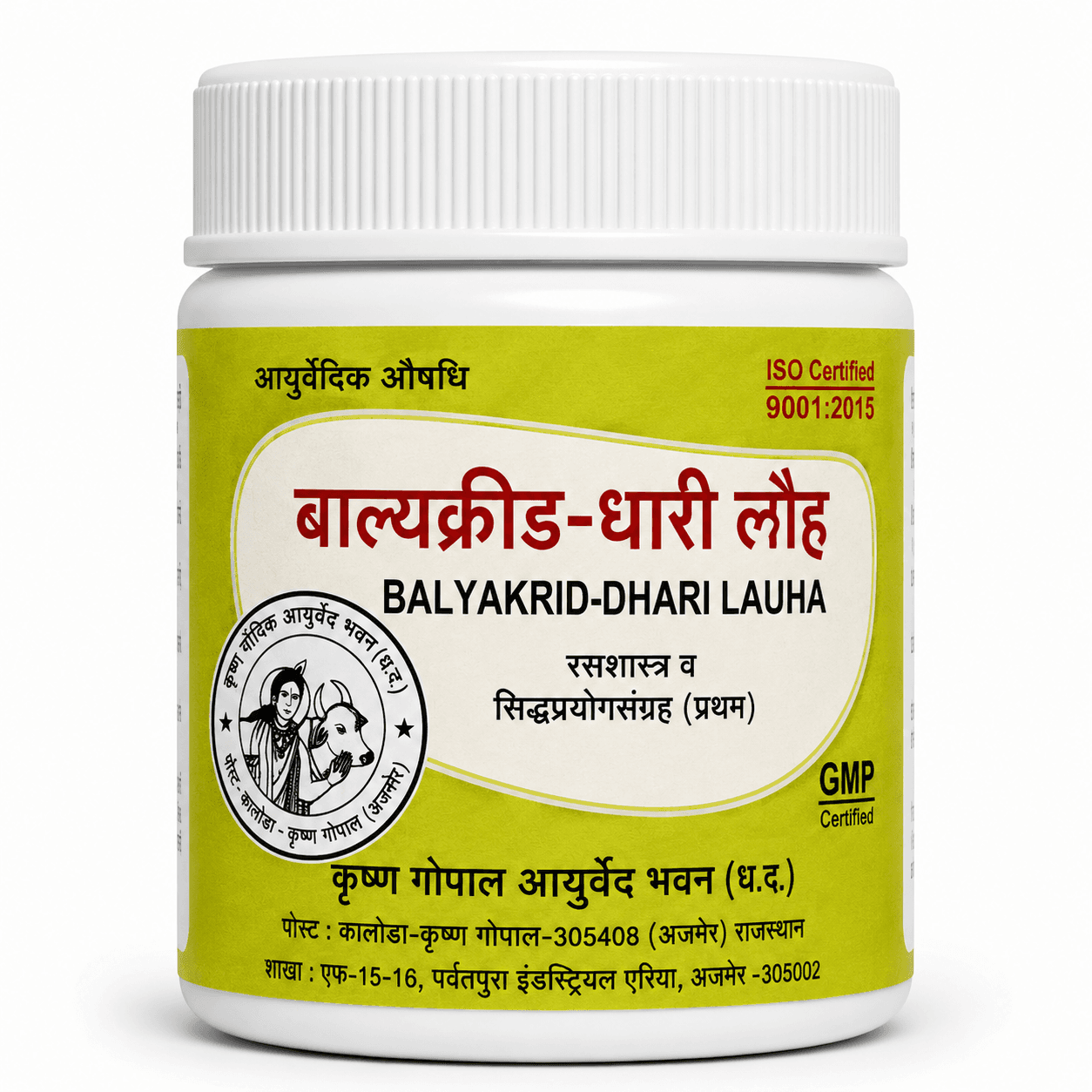
Balyakrid-dhari Lauha (Kalera) Kalera
Anemia, pediatric iron tonic
Container of 10 g
4.5
₹283Get ₹28 Cashback