
Palpitations
Reviewed by medical experts · For informational purposes only
Introductory summary
Palpitations correlate with the Ayurvedic concepts of Hrid drava and Hritkampa indicating a racing or trembling heart. This condition primarily arises from the aggravation of Vata dosha specifically Vyana Vayu and the depletion of Rasa dhatu or nutrient plasma. Causes include excessive exertion fear grief and the intake of dry or astringent foods which destabilize cardiac rhythm. Symptoms often involve a sensation of churning or bursting in the chest. Management focuses on pacifying Vata through nourishing therapies. The Ayurvedic Formulary of India recommends cardiac tonics like Arjuna bark formulations and Drakshadi Ghrita to strengthen the heart muscle. Mrugashrunga Bhasma is also prescribed for palpitations and cardiac pain. External therapies like Uro Vasti using medicated oils are essential to restore stability and rhythm.
Palpitations
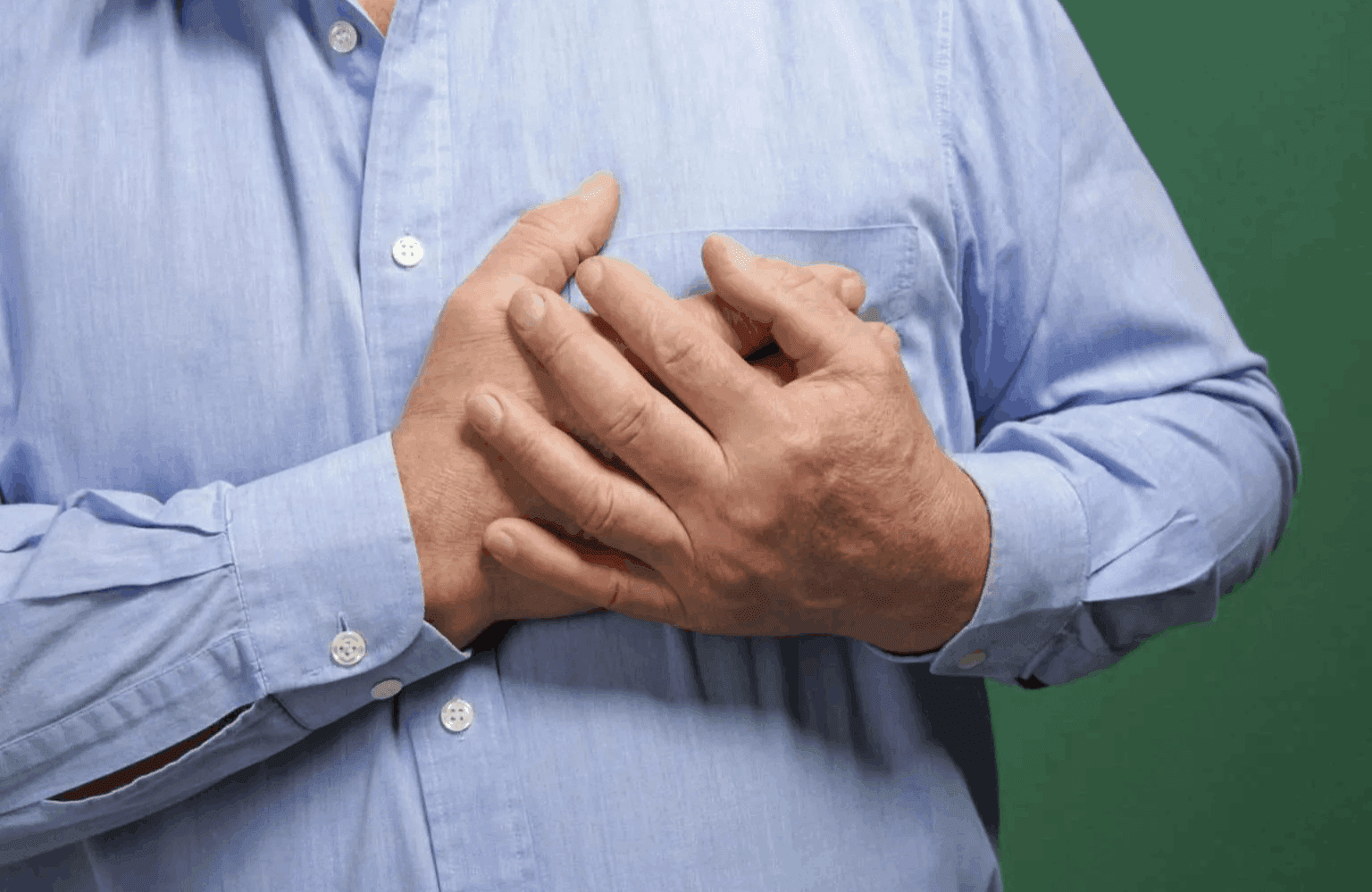
Palpitations refer to the sensation of a rapid, fluttering, or pounding heart. In Ayurveda, this symptom is most closely associated with Vataja Hridroga (heart disease caused by the Air element) and Rasa Kshaya (depletion of nutrient plasma). Charaka Samhita explicitly lists Tachycardia (rapid heart rate) and Cardiac dysfunction as specific disorders caused by the aggravation of Vata Dosha.
1. Definition
- Modern Definition: A perceived abnormality of the heartbeat characterized by awareness of cardiac muscle contractions in the chest, which may feel like pounding, fluttering, or racing.
- Ayurvedic Definition: A condition where the heart feels like it is "trembling" (Kampa), "churning" (Nirmathyate), or "bursting" (Sphotayate). It is often described as Hrid-drava (fluidity or running of the heart) or Hritkampa (tremors of the heart). It is also a cardinal sign of Rasa Dhatu Kshaya (depletion of the first tissue level).
2. Etymology & Conceptual Meaning
- Hridaya: The Heart, considered the seat of Ojas (vital essence), consciousness, and the mind.
- Vata Prakopa: Palpitations are primarily a result of the Vata Dosha (Wind energy) increasing in the chest. Just as wind makes a leaf tremble, aggravated Vata makes the heart tremble or beat irregularly.
- Rasa Kshaya: When the nutrient fluid (Rasa) produced from food is insufficient, the heart "aches, palpitates, and fails even on slight exertion" because it lacks nourishment.
3. Causes (Nidana)
Palpitations arise from factors that aggravate Vata and Pitta, or deplete the body's tissues.
- Dietary Causes:
- Excessive intake of Ushna (hot), Guru (heavy), Amla (sour), and Kashaya (astringent) foods.
- Eating while the previous meal is undigested (Adhyashana).
- Excessive use of purgatives or enemas.
- Lifestyle Causes:
- Ati-Vyayama: Excessive physical exercise.
- Vega Dharana: Suppression of natural urges (like urine or flatus), which forces Vata upward.
- Psychological Factors:
- Chinta (Anxiety), Bhaya (Fear), and Trasa (Terror) are explicitly listed as causes for heart disorders.
4. Journey of the Disease (Pathogenesis/Samprapti)
- Samprapti Ghataka (Components):
- Dosha: Vata (specifically Vyana Vayu which controls rhythm) and Pitta (if associated with burning/heat).
- Dushya (Tissues): Rasa (Plasma) and Rakta (Blood).
- Srotas (Channels): Rasavaha and Pranavaha Srotas.
- Adhisthana (Site): Hridaya (Heart).
- Pathogenesis:
- Due to the consumption of dry/astringent foods or mental shock, Vata Dosha is vitiated.
- Simultaneously, Pitta may be aggravated by hot foods or anger.
- These Doshas enter the circulatory system and lodge in the Heart (Hridaya).
- They vitiate the Rasa Dhatu (nutrient plasma).
- The aggravated Vata causes the heart muscle to tremble or race, leading to Palpitations (Hritkampa) and pain.
5. Symptoms (Lakshana)
The sensations vary depending on the dominant Dosha, as described in Madhava Nidana:
- Vataja (Wind-dominant):
- The patient feels as if the heart is being churned (Nirmathyate).
- Sensation of bursting (Sphotayate) or tearing (Diryate).
- Tremors or fluttering (Vepathu).
- Sudden emptiness or "falling" sensation (Patayate).
- Pittaja (Heat-dominant):
- Palpitations accompanied by burning sensation (Daha) and thirst.
- Fainting (Murcha) and sweating.
- Feeling of "sucking" pain in the chest.
- Rasa Kshaya (Tissue Depletion):
- Palpitations accompanied by intolerance to loud sounds (Shabda-asahishnuta).
- Fatigue on slight exertion.
6. Different Types or Classification (Bheda)
While palpitations are a symptom, they are classified under the types of Hridroga (Heart Disease):
- Vataja: Characterized by irregular rhythm, fluttering, and severe pain.
- Pittaja: Characterized by rapid rate, heat, and burning.
- Krimija: Caused by pathogens/worms, characterized by itching, dark vision, and severe pain.
7. Diagnosis
- Ayurvedic Diagnosis (Roga Pariksha):
- Prashna (Questioning): Asking about recent exertion, grief, or intake of dry/astringent foods.
- Sparshana (Touch/Pulse): Checking for Vepathu (tremors) and irregular pulse.
- Observation: Looking for signs of Rasa Kshaya such as pallor and intolerance to noise.
- Differential Diagnosis:
- Must distinguish between simple Vata aggravation (palpitations due to gas/bloating) and structural heart disease. Udavarta (upward movement of wind) can also cause palpitations.
8. Disease Management
The goal is to pacify Vata, nourish the Rasa Dhatu, and strengthen the cardiac muscle (Hridya).
Diet (Ahara)
- Beneficial:
- Grapes (Draksha): Highly recommended for heart conditions and soothing Vata/Pitta.
- Milk and Ghee: Provide essential lubrication and nourishment to the heart.
- Meat Soup (Mamsarasa): Especially for those with palpitations due to weakness or wasting.
- Wheat (Godhuma): Prepared with oil and jaggery.
Lifestyle (Vihara)
- Rest: Complete physical and mental rest is crucial to calm Vata.
- Avoid: Excessive exercise, anxiety, and suppression of urges.
Medicines
- Arjuna: The bark of the Arjuna tree is the premier cardiac tonic. It is boiled with milk, ghee, or jaggery to treat all types of heart disease and palpitations.
- Drakshadi Ghrita: A medicated ghee used for heart disease, anemia, and weakness.
- Dasamula: A decoction of ten roots, specific for Vataja Hridroga and pain.
- Hinguvacadi Curna: Used for heart disease, bloating, and pain in the sides.
- Mrugashrunga Bhasma: Horn of deer ash, taken with ghee for heart pain (Hritshula) and palpitations.
- Pippalyadi Curna: Specific for Vataja heart disease.
- Brahmi: Used for calming the mind and heart (Hridya).
Panchakarma
- Uro Vasti: Retaining warm medicated oil (like Mahanarayana or Bala taila) over the chest area. This nourishes the heart muscle and calms Vata.
- Shirodhara: Pouring oil on the forehead to relieve the anxiety and stress often associated with palpitations.
- Virechana (Purgation): Indicated if Pitta is high, but must be mild.
9. Prognosis
- Sadhya (Curable): Palpitations caused by simple Vata aggravation, digestion issues, or mild fatigue are easily curable.
- Krichrasadhya (Difficult): If associated with Tridosha involvement or severe wasting (Kshaya).
- Asadhya (Incurable): Krimija Hridroga (infectious/structural damage) is difficult to treat. If the patient has dropsy (edema) extending from the abdomen to extremities, the prognosis is poor.
10. Modern Correlations
- Tachycardia: Matches the rapid beating described in Vata disorders.
- Arrhythmia: Matches the "trembling" or irregular movement (Kampa).
- Anxiety/Panic Attacks: Correlate with palpitations caused by fear (Bhaya) and grief (Shoka).
- Anemia: Correlates with Rasa Kshaya (plasma depletion) causing palpitations on exertion.
11. References
-
World Health Organization (WHO) – Cardiovascular diseases
https://www.who.int/health-topics/cardiovascular-diseases
-
National Heart, Lung, and Blood Institute (NHLBI – NIH) – Heart palpitations
https://www.nhlbi.nih.gov/health/heart-palpitations
-
American Heart Association (AHA) – Palpitations
https://www.heart.org/en/health-topics/arrhythmia/about-arrhythmia/heart-palpitations
-
Mayo Clinic – Heart palpitations
https://www.mayoclinic.org/symptoms/heart-palpitations/basics/definition/sym-20050754
-
StatPearls (NCBI Bookshelf) – Palpitations
https://www.ncbi.nlm.nih.gov/books/NBK430765/
-
National Health Portal of India – हृदय की धड़कन (Palpitations)
https://www.nhp.gov.in/symptoms/palpitations
-
Ministry of Health & Family Welfare, Government of India – हृदय रोग
https://www.mohfw.gov.in/
12. FAQ Section
Q: Can digestion problems cause palpitations in Ayurveda?
A: Yes. Udavarta (upward movement of wind due to suppression of urges like gas) can push against the diaphragm and heart, causing palpitations. Also, Ama (toxins) can block channels, disturbing the heart.
Q: What is the best herb for heart palpitations?
A: Arjuna is considered the best single herb. Chakradatta recommends consuming Arjuna bark powder with milk, ghee, or jaggery for heart diseases and longevity.
Q: Why do I get palpitations when I am tired?
A: According to Ayurveda, exhaustion causes Rasa Kshaya (depletion of nutrient plasma). A cardinal symptom of this depletion is the heart "trembling" or palpitating even with slight exertion.
Q: Is Ghee good for palpitations?
A: Yes. Medicated ghees like Drakshadi Ghrita or simply Arjuna Ghrita are highly beneficial as they pacify Vata and Pitta without increasing heat, nourishing the heart.
Consult a Doctor
- MS4.2Midun s kumar
Ayurveda4 yrs exp
- DR4.3Dr.Prajwal Raj Biradar
Ayurveda1 yrs exp
- BY4.3Bapodara yash kanabhai
Ayurveda3 yrs exp
- VR4.2Vaidya Rohit Kumar
Ayurveda3 yrs exp
More on Palpitations
Buy Medicine
 Prescribed to you4.5₹22 cashback
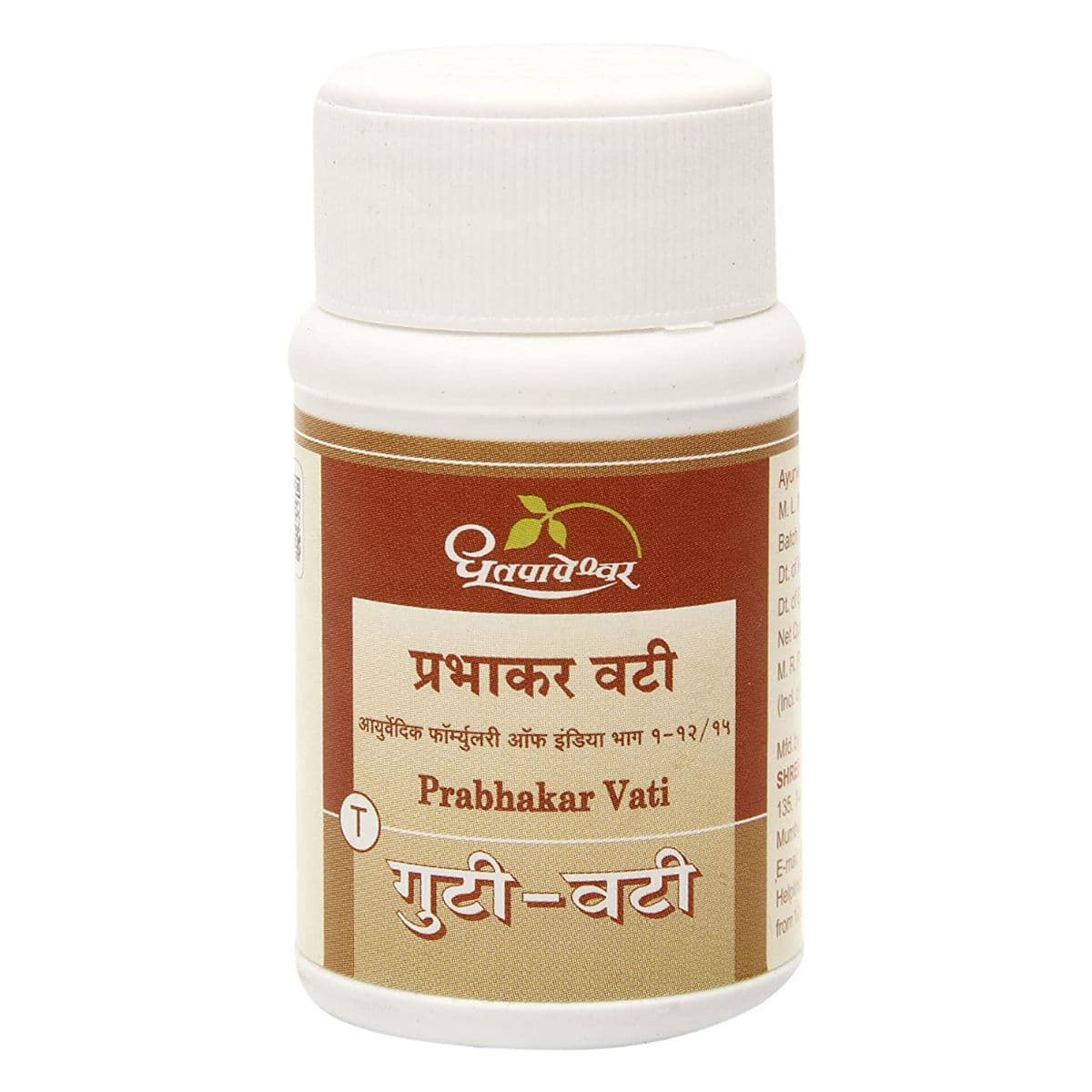
Prabhakar Vati (Dhootapapeshwar) SDL
SDLSupports heart health and symptoms
Strip of 60 Tablets
4.5
₹223Get ₹22 Cashback
 Prescribed to you4.6₹252 cashback
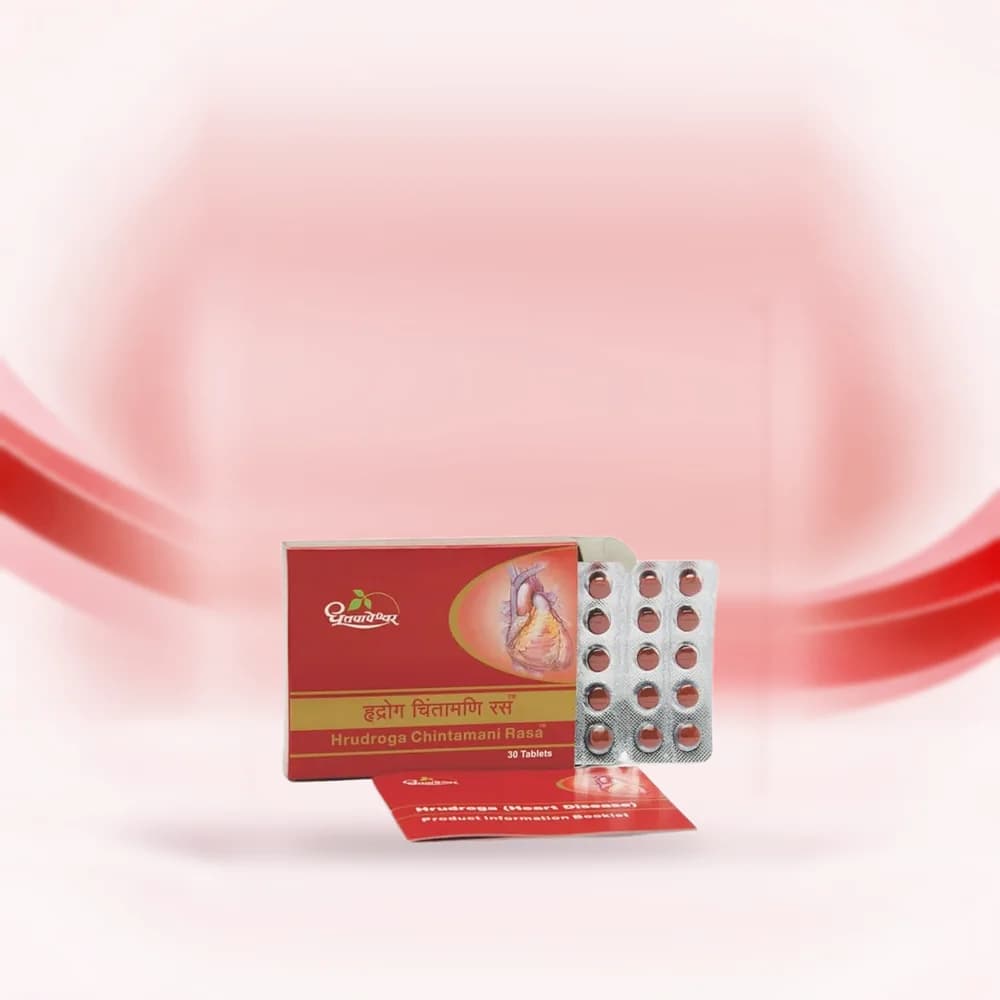
Hrudroga Chintamani Rasa (Dhootapapeshwar)SDLSupports heart health
Strip of 30 Tablets
4.6
₹2,525.03Get ₹252 Cashback
 Prescribed to you4.3₹11 cashback
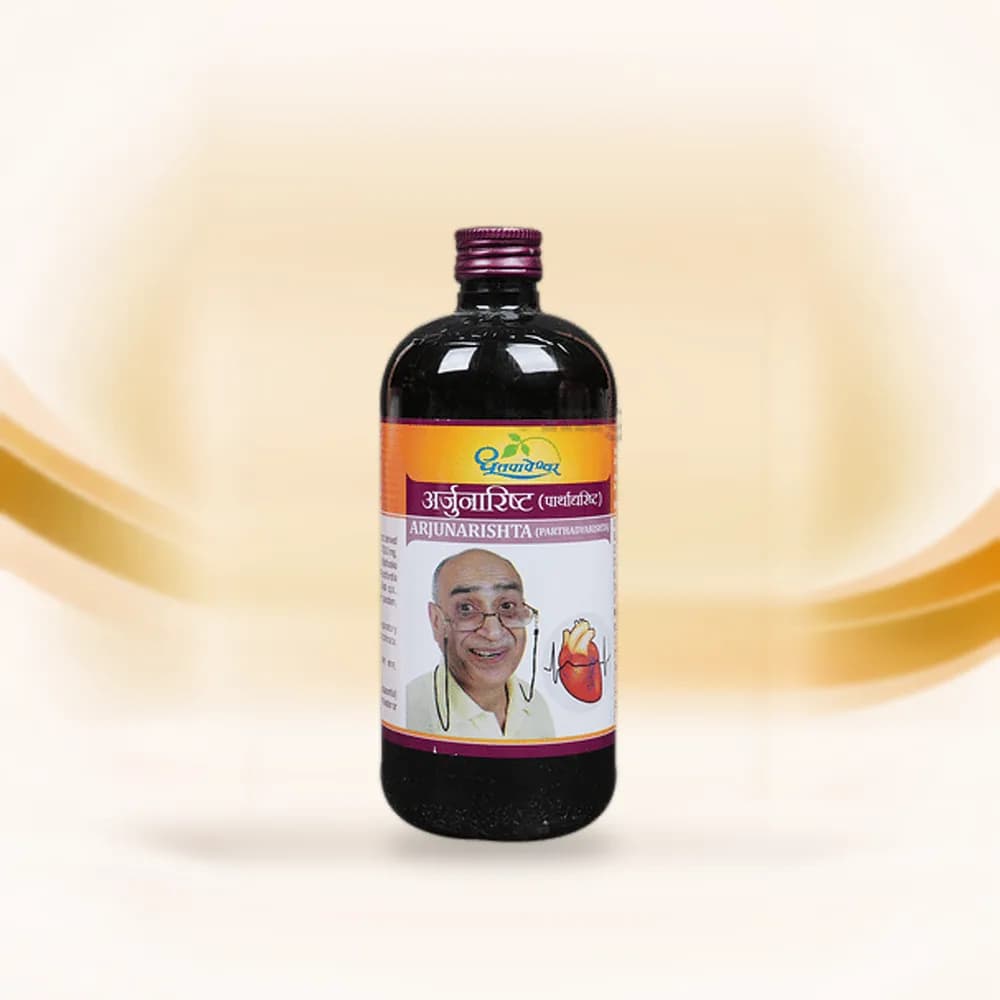
Arjunarishta (Dhootapapeshwar)SDLPhysician-guided Ayurvedic care
Bottle of 200 ml
4.3
₹115Get ₹11 Cashback
