Brahmi
Reviewed by medical experts · For informational purposes only
Introductory summary
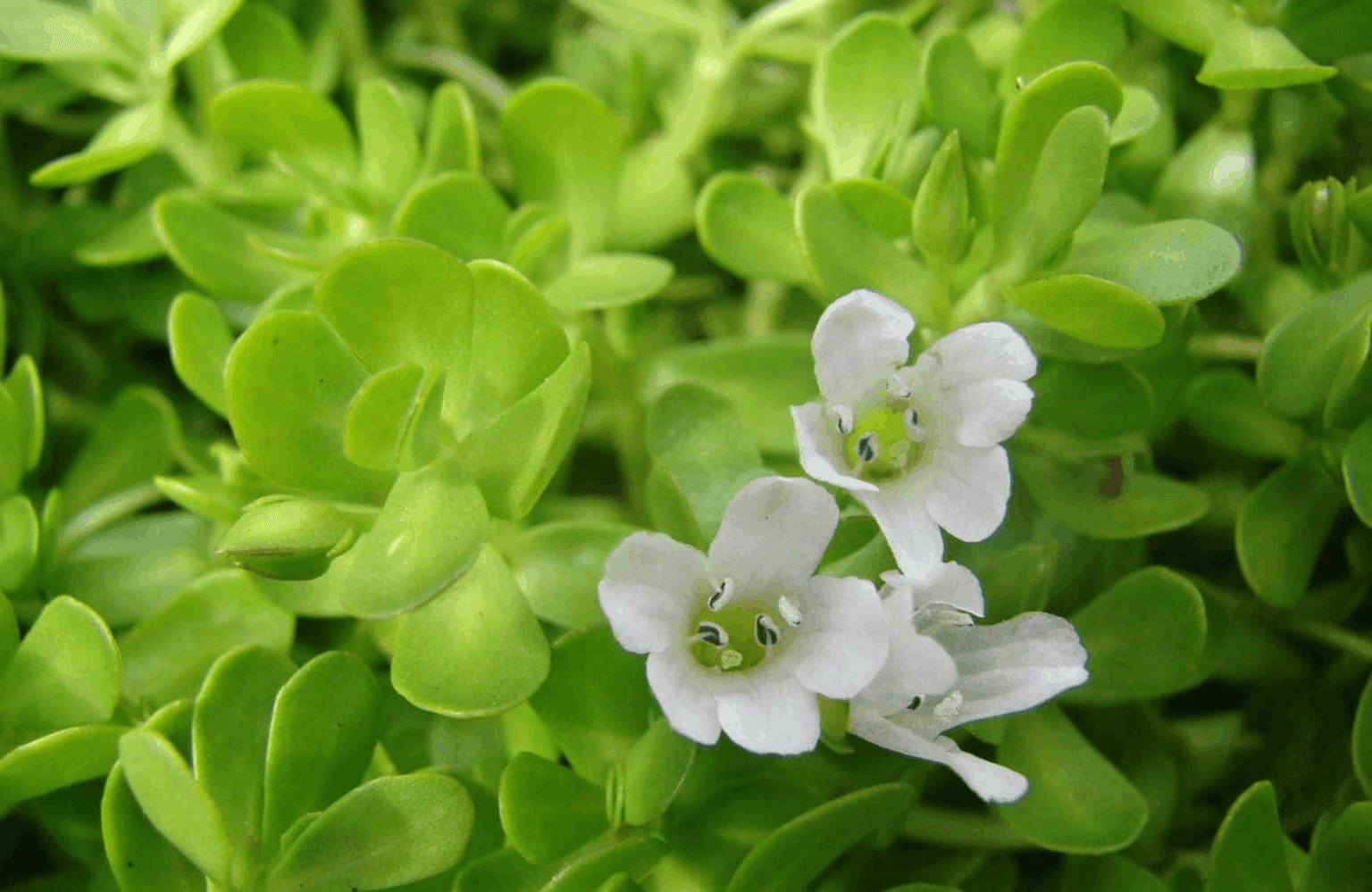
Brahmi scientifically known as Bacopa monnieri is a creeping herb reverently classified in Ayurveda as a Medhya Rasayana or potent brain tonic. Using the whole plant it possesses Sweet and Astringent tastes with Cold potency effectively balancing Vata and Pitta doshas. It is uniquely praised for enhancing Medha or intellect and Smrti or memory while promoting longevity and vocal clarity. Clinically it is a primary remedy for Apasmara or epilepsy Unmada or psychosis and various neurological disorders like anxiety and insomnia. It is also beneficial for skin diseases and general debility. Common formulations include Sarasvatarishta and Brahmi Ghrita. The Ayurvedic Pharmacopoeia of India recommends a dosage of 1 to 3 grams of powder or fresh juice to nourish the mind and nervous system.
Brahmi
Brahmi, scientifically known as Bacopa monnieri, is a revered herb in Ayurveda, celebrated as a powerful brain tonic and rejuvenator. It is primarily classified as a Medhya Rasayana, meaning it promotes intellect and rejuvenates the mind. It is extensively used to treat mental disorders, memory loss, and nervous system ailments. It is often consumed in the form of fresh juice, medicated ghee (Ghrita), or fermented tonics (Arishta).
1. Name of the Herb
- Common Name: Brahmi.
- Scientific Name: Bacopa monnieri (Linn.) Wettst..
- Other Names / Synonyms: It is the primary ingredient in the formulation Sarasvatarishta, named after Sarasvati, the goddess of wisdom.
2. Brief Description
Brahmi is a creeping herb found in wet, damp, and marshy areas. In Ayurveda, it is highly valued for its ability to enhance cognitive function. It is considered a Rasayana (rejuvenator) that is beneficial for the brain and nervous system. It is one of the most important herbs for improving memory (Smrti) and intelligence (Medha).
3. Source / Part Used
- Plant Source: Herbal / Plant-based.
- Part Used: Whole Plant (W.P.).
4. Ayurvedic Properties
According to the Ayurvedic Pharmacopoeia of India, Brahmi possesses the following qualities:
- Rasa (Taste): Tikta (Bitter), Kashaya (Astringent), and Madhura (Sweet).
- Guna (Qualities): Laghu (Light), Snigdha (Unctuous/Oily), and Mridu (Soft).
- Virya (Potency): Shita (Cold).
- Vipaka (Post-digestive effect): Madhura (Sweet).
- Dosha Effect: Vata-Pitta Prasamana (It pacifies both Vata and Pitta doshas).
5. Key Benefits
- Enhances Intellect: Acts as Medhya, promoting intelligence and mental clarity.
- Improves Memory: Classified as Smrtiprada, meaning it grants memory.
- Strengthens the Mind: Acts as Bala (strength promoter) for the mind and body.
- Supports Immunity: It is an Ojovardhaka, enhancing the vital essence (Ojas) and immunity.
- Anti-Aging: Acts as Vayasthapana, helping to sustain youthful vigor.
6. Uses / Indications
Brahmi is indicated in Ayurveda for the following conditions:
- Manasa Dosha / Unmada: Mental disorders, mania, and psychosis.
- Apasmara: Epilepsy.
- Smrtinasa / Smrti Kshaya: Loss of memory or dementia.
- Svarakarshya / Aspashtabhashana: Disorders of voice, hoarseness, or incoherent speech.
- Vandhya: Infertility (used in Brahmi Ghrita to assist conception).
- Kushtha: Skin diseases.
- Jvara: Chronic fever.
7. How It Works
Brahmi works through its Medhya (nootropic) and Rasayana (rejuvenative) properties.
- Cooling Action: Its Shita (cold) potency helps cool the body and mind, making it effective for Pitta-related mental agitation.
- Nourishing: Its Snigdha (unctuous) quality and Madhura (sweet) post-digestive effect nourish the brain tissues and nervous system, pacifying Vata dosha.
- Systemic Rejuvenation: It is described as "Amritasama" (like nectar), beneficial for people of all ages—children, youth, and the elderly—to improve luster, voice, and strength.
8. Dosage
Dosage depends on the specific Ayurvedic formulation:
- Medicated Ghee (Brahmi Ghrita): 12 g.
- Fermented Tonic (Sarasvatarishta): 12 to 24 ml.
- Powder (Churna): Generally 1 to 3 grams (based on standard dosage for herbs in this category, though specific single-drug powder dose is not explicitly isolated in the provided text snippets, formulations are the primary method of administration).
9. Safety Information
Brahmi is generally considered safe and beneficial for long-term use as a Rasayana.
- It is described as beneficial for Balaka (children), Yuna (youth), and Vriddha (elderly).
- It is considered a "superior Rasayana" (Rasayana-vara).
10. Side Effects
- No specific severe side effects are mentioned in the provided texts when taken in proper dosage.
- However, formulations containing sugar (like Sarasvatarishta) should be used with awareness of caloric intake.
11. Precautions
- Dietary Rules: When taking Rasayana formulations involving Brahmi (like Sarasvatarishta), it is often recommended to consume wholesome food, such as milk (Payasa).
- Medical Conditions: While used for infertility (Vandhya), specific guidance for use during pregnancy is not detailed in these excerpts, so physician consultation is advised.
12. Storage Instructions
- Fermented Liquids (Arishta): Can be kept for long periods in well-stoppered bottles.
- Medicated Ghee (Ghrita): Should be stored in a cool, dry place away from moisture and direct sunlight.
13. References
- Encyclopaedia Britannica – Bacopa (Bacopa monnieri)
Botanical description and medicinal importance.
https://www.britannica.com/plant/Bacopa - Kew Science – Plants of the World Online (POWO)
Taxonomic and nomenclature details.
https://powo.science.kew.org/taxon/urn:lsid:ipni.org:names:333406-2 - Indian Medicinal Plants – A Compendium of 500 Species
Warrier, P.K., Nambiar, V.P.K., & Ramankutty, C. - Database on Medicinal Plants Used in Ayurveda (CCRAS)
https://www.ccras.nic.in - WHO Monographs on Selected Medicinal Plants
https://www.who.int - Review Article: Bacopa monnieri as a Cognitive Enhancer
Pase, M.P. et al. (2012). Journal of Alternative and Complementary Medicine.
https://pubmed.ncbi.nlm.nih.gov/?term=Bacopa+monnieri+cognition - Phytochemical and Pharmacological Review of Bacopa monnieri
Journal of Ethnopharmacology.
https://www.sciencedirect.com - Neuroprotective Effects of Bacopa (PMC Articles)
https://www.ncbi.nlm.nih.gov/pmc/?term=Bacopa+monnieri - National Medicinal Plants Board (NMPB), Government of India – Brahmi Profile
https://nmpb.nic.in
14. FAQs
** **Q. Can it be taken daily?
Yes. As a Rasayana (rejuvenator), it is designed for regular use to improve memory, immunity, and longevity. For example, Sarasvatarishta is recommended to be taken daily for one month or even a year for maximum benefit.
Q. When should it be taken?
Formulations like Sarasvatarishta are typically taken after meals. Ghrita preparations are often taken on an empty stomach or as directed by a physician.
Q. Can it be taken with milk/water?
Yes. The text specifically mentions that Sarasvatarishta (which contains Brahmi) should be taken with milk (Payasa). Medicated ghees are also often followed by warm water or milk.
Consult a Doctor
- AK4.8Dr. Amalnath K Viswanathan
Ayurveda4 yrs exp
- AI4.9Dr. Aayush Ishwar
Ayurveda2 yrs exp
- KJ4.6Dr Kruti Jaxesh Bhavsar
Ayurveda1 yrs exp
- MS4.2Midun s kumar
Ayurveda4 yrs exp
Buy Medicine
 Prescribed to you4.6₹39 cashback
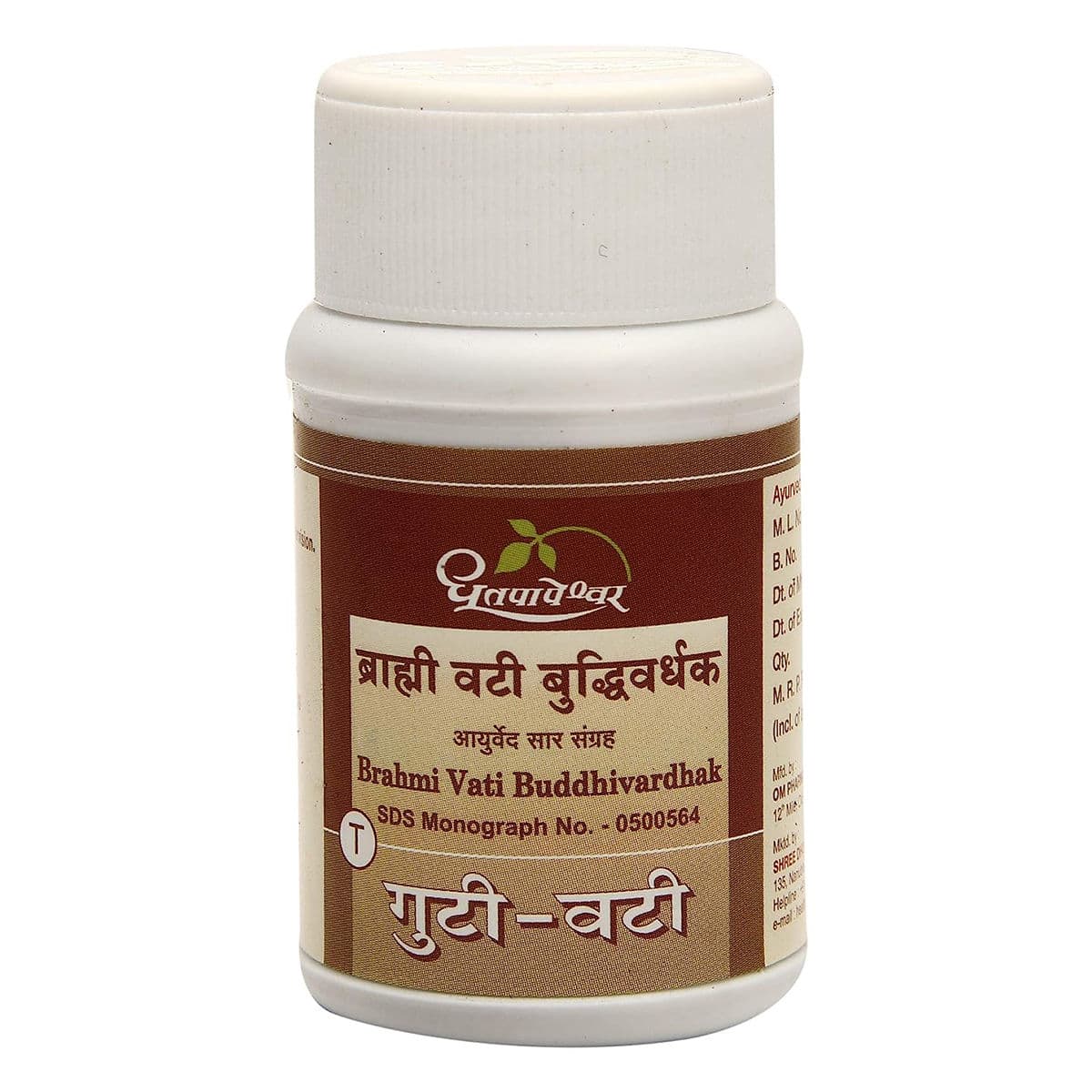
Brahmi Vati Buddhivardhak (Dhootapapeshwar) SDL
SDLSupports mental well-being
Strip of 60 Tablets
4.6
₹394Get ₹39 Cashback