Vidanga
Reviewed by medical experts · For informational purposes only
Introductory summary
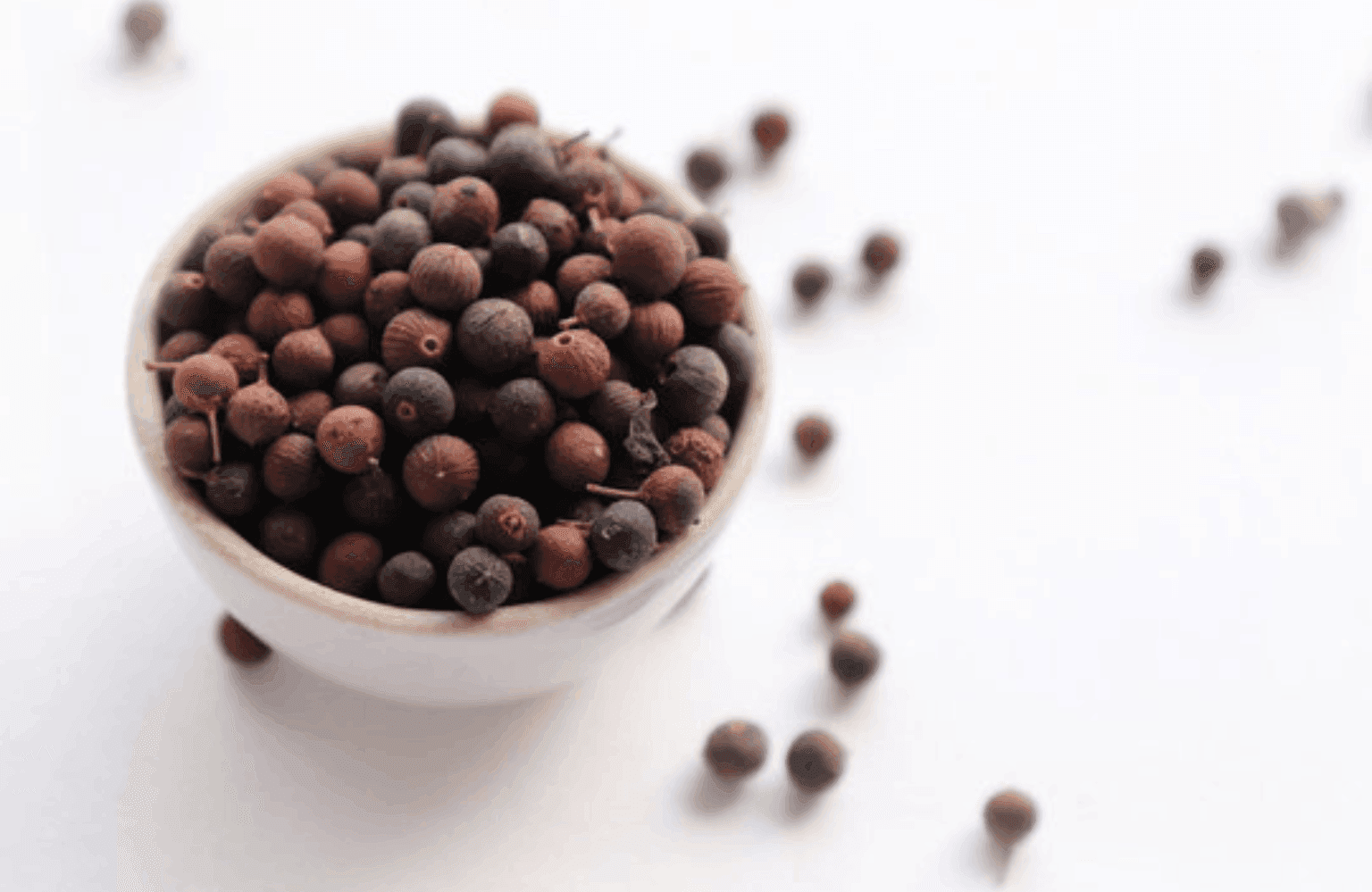
Vidanga scientifically known as Embelia ribes is a large scandent shrub highly esteemed in Ayurveda as the premier Krimighna or anti-worm herb. It bears brownish-black globular fruits often called False Black Pepper. According to the Ayurvedic Pharmacopoeia of India the dried mature fruit possesses Pungent and Bitter tastes with Light Dry and Sharp qualities. It has a Hot potency and Pungent post-digestive effect enabling it to effectively pacify Vata and Kapha doshas. Therapeutically it is the drug of choice for intestinal worm infestations and parasitic infections. It also acts as a powerful digestive stimulant and carminative treating abdominal colic flatulence and skin disorders like leprosy. Key formulations include Vidangarishta and Vidangadi Lauha with a recommended powder dosage of 5 to 10 grams.
Vidanga
Vidanga, scientifically known as Embelia ribes, is a highly valued medicinal plant in Ayurveda, best known as the premier herb for destroying intestinal worms and parasites. In Sanskrit, it is often called Krimighna, literally translating to "The killer of worms." Beyond its anthelmintic (anti-worm) properties, Vidanga is a pungent, heating herb used to stimulate digestion, clear congestion, and treat skin diseases.
1. Name of the Herb
- Common Name: Vidanga, False Black Pepper, Vavding.
- Scientific Name: Embelia ribes Burm. f. (Family: Myrsinaceae).
- Sanskrit Names: Viḍaṅga, Jantughna (destroyer of creatures/parasites), Kṛmighna (destroyer of worms), Vella, Kṛmihara, Kṛmiripu (enemy of worms).
- Regional Names: Vavding (Gujarati), Vayavidanga (Hindi), Vayuvilanga (Kannada), Vizhalari (Malayalam), Vavading (Marathi), Vayuvidangam (Tamil), Vayuvidangalu (Telugu).
2. Brief Description
Vidanga is a large scandent shrub with long, slender, flexible branches found throughout the hilly parts of India up to an altitude of 1600 meters. The medicinal part used is the dried mature fruit, which is brownish-black, globular, and about 2–4 mm in diameter with a warty surface. It looks somewhat like black pepper but is distinguished by a small beak at the apex. In Ayurveda, it is the primary drug of choice for treating Kṛmi (worm infestations) and is also considered a Rasayana (rejuvenator) that improves appetite and complexion.
3. Source / Part Used
- Plant Source: Herbal / Plant-based (Shrub).
- Part Used: Dried Mature Fruit (Frt.).
4. Ayurvedic Properties
According to the Ayurvedic Pharmacopoeia of India:
- Rasa (Taste): Kaṭu (Pungent) and Tikta (Bitter).
- Guna (Qualities): Laghu (Light), Rūkṣa (Dry), and Tīkṣṇa (Sharp/Penetrating).
- Virya (Potency): Uṣṇa (Hot).
- Vipaka (Post-digestive effect): Kaṭu (Pungent).
- Dosha Effect: Vata-Kapha Apaha (Pacifies Vata and Kapha doshas).
5. Key Benefits
- Destroys Worms: It is the most powerful Kṛmināśana (worm destroyer) in Ayurveda, effective against various intestinal parasites.
- Improves Digestion: Acts as Dīpana (appetizer), stimulating the digestive fire.
- Relieves Gas: Acts as Anulomana, helping to move Vata (gas/wind) downwards and relieving bloating.
- Treats Skin Disorders: Beneficial for skin issues like Kuṣṭha (leprosy/skin diseases) and Kaṇḍū (itching),.
- Pain Relief: Effective in relieving Śūla (colic pain).
6. Uses / Indications
Vidanga is indicated in Ayurveda for the following conditions:
- Parasitic Infections: Kṛmiroga (Worm infestation) — its primary use.
- Digestive Disorders: Śūla (Colic/Pain), Udara (Abdominal diseases/Ascites), Ādhmāna (Flatulence with gurgling sound), and Agnimāndya (Low digestive power),.
- Skin Health: Kuṣṭha (Skin diseases) and Arśa (Hemorrhoids/Piles),.
- Respiratory: Kāsa (Cough) and Śvāsa (Dyspnoea/Asthma).
- Metabolic: Prameha (Urinary disorders/Diabetes) and Medoroga (Obesity),.
7. How It Works
- Anthelmintic Action: Vidanga contains chemical constituents like Benzoquinones (embelin) which are responsible for expelling and destroying worms (Kṛmināśana).
- Digestive Stimulant: Its Uṣṇa (hot) potency and Kaṭu (pungent) taste increase the digestive fire (Agni), helping to digest toxins (Ama) and clear blockages in the gut.
- Vata-Kapha Pacifier: Its Laghu (light) and Rūkṣa (dry) qualities help dry up excess mucus (Kapha), while its heat pacifies Vata, making it useful for abdominal distension and heaviness.
8. Dosage
(General guidance based on Ayurvedic Pharmacopoeia of India):
- Powder (Churna): 5 to 10 grams.
- Note: It is often used in compound formulations like Viḍaṅgāriṣṭa (fermented tonic) or Viḍaṅgādi Lauha.
9. Safety Information
Vidanga is widely used in Ayurveda and is considered safe when taken in the prescribed therapeutic dosage. It is a key ingredient in many pediatric formulations for worms, indicating its relative safety.
10. Side Effects
- Heat: Due to its Uṣṇa (hot) and Tīkṣṇa (sharp) nature, excessive intake may increase body heat or acidity in Pitta-dominant individuals.
- Dryness: Its Rūkṣa (dry) quality may cause slight dryness in the body if taken for very long periods without unctuous substances (like ghee).
11. Precautions
- Pitta Prakriti: Individuals with high body heat or acidity should use it with caution or under guidance.
- Pregnancy: As with most heating and downward-moving (Anulomana) herbs, professional advice is recommended before use during pregnancy.
12. Storage Instructions
- Store the dried fruits or powder in a cool, dry place.
- Keep in an air-tight container to prevent moisture absorption and spoilage.
13. References
-
Charaka Samhita – Sutra Sthana & Chikitsa Sthana (Krimi Roga, Kushtha, Medoroga references)
https://www.wisdomlib.org/hinduism/book/charaka-samhita
-
Ayurvedic Pharmacopoeia of India – Vidanga Monograph
https://pcimh.gov.in
-
World Health Organization – WHO Monographs on Selected Medicinal Plants
https://apps.who.int/iris/handle/10665/42052
-
PubMed – Embelia ribes research
https://pubmed.ncbi.nlm.nih.gov/?term=Embelia+ribes
-
Wiley Online Library – Vidanga research articles
https://onlinelibrary.wiley.com
14. FAQs
Q. Can it be taken daily?
It is typically taken for a specific period to treat worm infestations or digestive sluggishness, rather than as a daily nutritional supplement indefinitely.
Q. When should it be taken?
It is often taken to relieve colic (Shula) or abdominal distension, or as part of a de-worming regimen.
Q. Can it be taken with milk/water?
Yes, the powder is commonly taken with water or honey. In some formulations like Vidangarishta, it is prepared as a fermented liquid.
Consult a Doctor
- AK4.8Dr. Amalnath K Viswanathan
Ayurveda4 yrs exp
- AI4.9Dr. Aayush Ishwar
Ayurveda2 yrs exp
- KJ4.6Dr Kruti Jaxesh Bhavsar
Ayurveda1 yrs exp
- MS4.2Midun s kumar
Ayurveda4 yrs exp
Buy Medicine
 Prescribed to you4.3₹15 cashback
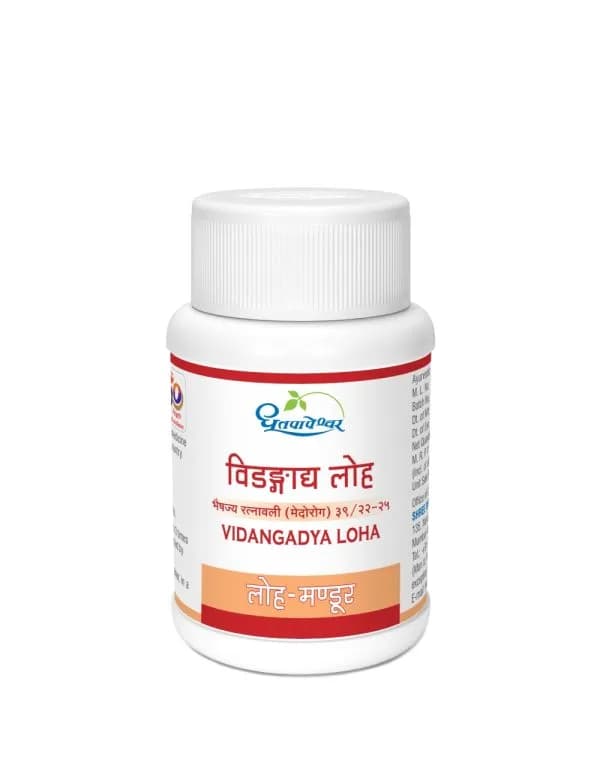
Vidangadya Loha (Dhootapapeshwar) SDL
SDLMetabolic disorder support
Strip of 60 Tablets
4.3
₹150Get ₹15 Cashback
 Prescribed to you4.3₹11 cashback
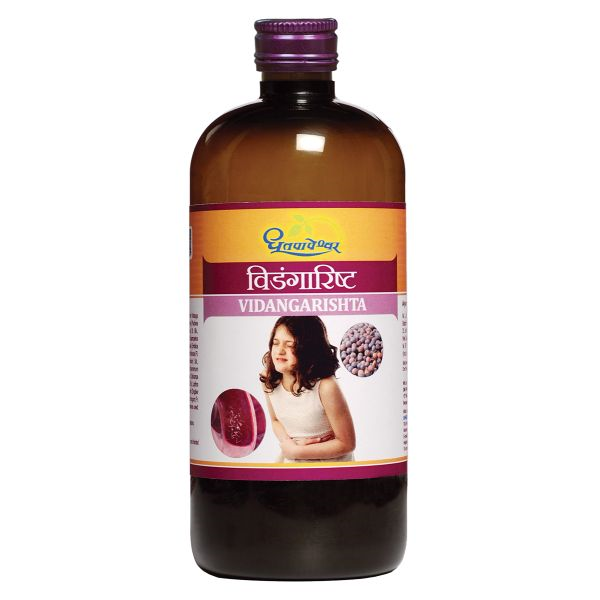
Vidangarishta (Dhootapapeshwar)SDLDigestive and parasite support
Bottle of 200 ml
4.3
₹115Get ₹11 Cashback